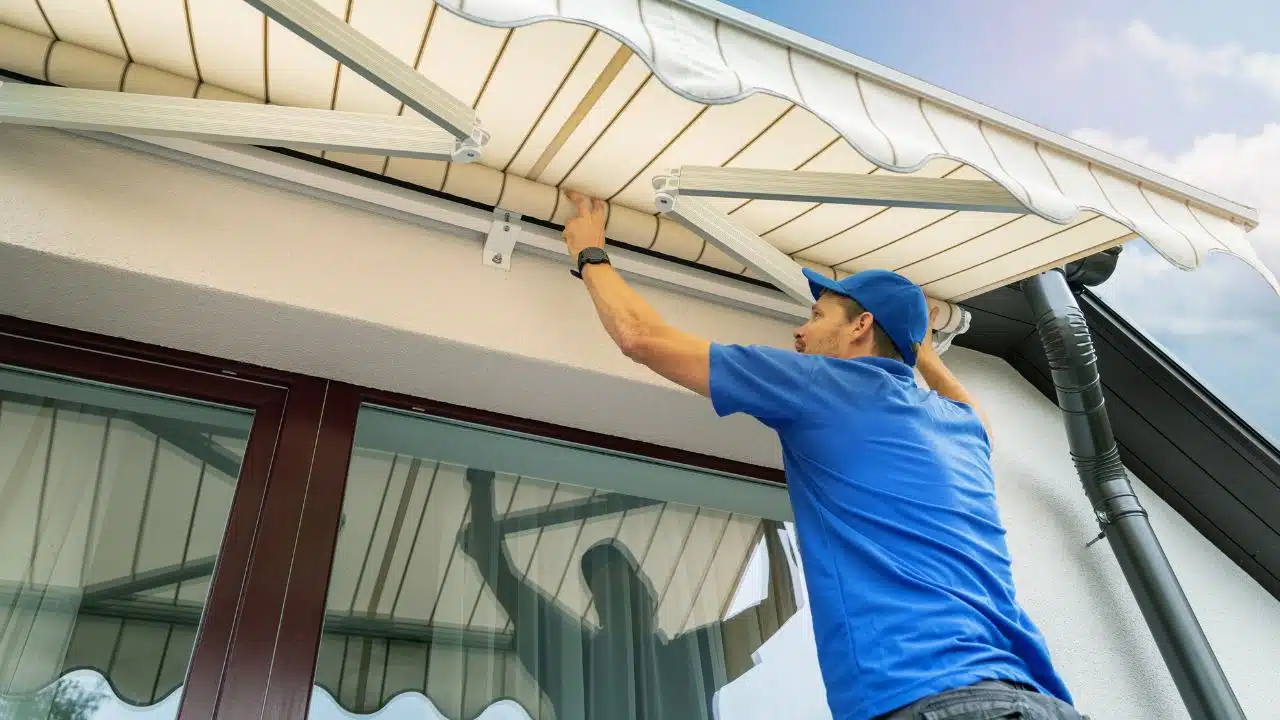
A retractable awning might seem like décor but it’s also powerful energy tool. By blocking direct sunlight, it reduces interior cooling costs while protecting furnishings. That dual benefit represents often-overlooked advantage of thoughtful shade design. Most homeowners think about awnings only for comfort without recognizing energy savings.
That oversight means they underestimate value of investment. Understanding energy benefits transforms awning from luxury purchase into smart energy management strategy. You’re not just buying comfort. You’re buying utility bill reduction. That economic advantage justifies investment through measurable savings over years.
Energy costs represent largest operational expense in most homes. Cooling in summer dominates utility bills in hot climates. Heating in winter drains budgets in cold climates. Any reduction in those loads directly impacts bottom line. Awnings address cooling loads directly through solar radiation blocking. That simplicity of solution belies power of impact. Strategic shade placement reduces cooling demand measurably.
Understanding energy savings from retractable awnings means recognizing that infrastructure investments often carry hidden economic benefits beyond obvious function.
Lower Indoor Temperatures Naturally
Shade reduces solar gain through windows by up to sixty-five percent, easing AC demand significantly. Direct sunlight heating through windows represents massive load on cooling systems. Blocking that solar gain before it enters reduces temperature rise inside.
That temperature reduction means air conditioning works less hard cooling to desired temperature. That reduced workload saves energy directly translating to lower utility bills. That savings compounds across months and years into substantial cumulative benefit.
Heat gain through windows varies by window orientation. South and west-facing windows receive intense afternoon sun. North-facing windows receive minimal direct sun. East-facing windows receive morning sun. Strategic awning placement targeting highest-gain windows maximizes energy benefit. Windows receiving most intense sun benefit most from shade. Deploying shade precisely where solar gain is highest creates optimal energy savings.
Temperature reduction extends beyond just air conditioning load. Cooler interiors mean less temperature differential between inside and outside. That smaller differential reduces heat conduction through walls and roof. That secondary benefit compounds energy savings further. Cooler house in summer means less cooling required overall. That cumulative benefit from multiple factors creates meaningful energy reduction.
Protecting Interiors from UV Fade
Less sun means longer life for flooring, curtains, and artwork reducing replacement frequency. UV radiation damages materials through fading and deterioration. Hardwood floors fade losing original color and appearance. Fabrics fade and weaken. Artwork fades losing vibrancy. Artwork protection is particularly important for valuable pieces. That degradation accelerates replacement cycles creating ongoing expense. Blocking UV through shade extends material lifespan substantially.
Economic calculation of protection value becomes obvious when considering replacement costs. Good quality hardwood flooring costs substantial money to replace. Quality curtains and upholstery cost money. Valuable artwork is irreplaceable. Extending lifespan of those materials through UV protection saves money. That savings extends across years and decades. Homeowners protecting valuable interiors through shade investment see measurable return through extended asset lifespan.
Material preservation maintains home value because maintained interiors command premium pricing. Homes with faded flooring and worn furnishings appear neglected. Homes with protected interiors appear well-maintained. That perception difference influences both buyer perception and actual property valuation. Shade protection invests in home value preservation indirectly through maintaining interior quality.
Retract for Winter Warmth
Flexible systems let sunlight in during cooler months for passive heat reducing heating costs. Winter sun provides free heat through windows. Fixed covers prevent accessing that benefit. Retractable awnings can be retracted in winter allowing weak winter sun to warm interiors. That passive heating reduces heating system load. That reduced load saves heating costs. That seasonal flexibility maximizes energy benefit year-round.
Passive solar design principles recognize that sun provides different benefits depending on season. Summer sun needs blocking to reduce cooling load. Winter sun needs access to provide heating. Retractable systems enable both strategies switching seasonally. That seasonal switching optimizes thermal performance. That optimization keeps heating and cooling costs balanced across entire year.
Transition periods between seasons create opportunities for fine-tuning. Spring and fall temperatures fall between extremes. Partial shade coverage during shoulder seasons maintains comfort. That ability to adjust coverage continuously throughout changing season creates continuous optimization. Fixed systems can’t respond to seasonal variation. Retractable systems adapt continuously matching changing needs.
Takeaways
An energy savings retractable awning helps comfort and utility bill stay balanced simultaneously. You’re not choosing between comfort and economy. Modern awnings deliver both. That combination is what smart investment actually means. You improve living experience while reducing operating costs. That’s genuine win-win outcome rarely available in home improvement.
Energy savings represent often-overlooked advantage that should influence purchase decision. Beyond comfort and aesthetics, awnings deliver measurable economic benefit. That benefit grows over years as utility bills accumulate. Initial investment increasingly looks smart as years pass and savings compound. That economic advantage becomes increasingly apparent retrospectively.
Deploy retractable awning that delivers energy savings alongside comfort and beauty. Understand that infrastructure investment carries hidden benefits beyond obvious function. Make purchasing decision based on full value including energy savings. That comprehensive valuation reveals that awning represents smart energy management not just lifestyle upgrade.