Healthcare is in the middle of a major reset—and healthcare technology is the engine behind it. What used to be “nice-to-have” software is quickly becoming the way care is delivered, documented, personalized, and protected. From AI that reduces clinician burnout to home-based monitoring that catches issues early, the innovations below aren’t just trends—they’re the building blocks of the next era of medicine.
In this guide, you’ll get a clear, practical look at the most important health tech innovations, how they work, where they’re already being used, and what to watch as they mature.
Key takeaways
-
Healthcare technology is shifting care from episodic to continuous, using remote patient monitoring, wearables, and home-based care models.
-
AI is moving beyond experiments into daily workflows, especially documentation, triage support, and operational automation.
-
Interoperability is the unlock, because FHIR APIs and cleaner integrations determine whether innovations actually save time inside electronic health records.
-
Digital therapeutics and virtual care work best in hybrid models, with clear escalation paths and measurable outcomes—not as standalone apps.
-
Cybersecurity and privacy-by-design are foundational because trust, resilience, and patient safety depend on secure systems and responsible data governance.
Quick snapshot: what’s changing in healthcare technology
The biggest shifts can be grouped into four themes:
-
AI + automation to reduce workload and improve decision support
-
Connected care through telehealth, remote patient monitoring, and wearables
-
Personalization via precision medicine, genomics, and smarter analytics
-
Trust + infrastructure through interoperability, cybersecurity, and privacy-by-design
To make it easy, here’s a high-level map of the 12 innovations.
| Innovation | What it improves most | Where you’ll see it first |
|---|---|---|
| GenAI documentation (ambient scribing) | Clinician time, note quality | Primary care, specialties with heavy documentation |
| AI copilots & clinical agents | Scheduling, triage, navigation | Call centers, front desk, care coordination |
| Multimodal diagnostics | Earlier detection, accuracy | Radiology, cardiology, oncology, and emergency care |
| Predictive analytics | Risk scoring, prevention | Chronic care programs, population health |
| Remote patient monitoring (RPM) | Chronic management, post-discharge safety | Cardiac, diabetes, COPD, post-surgery |
| Next-gen wearables | Continuous insights, engagement | Fitness-to-clinical crossover, employer plans |
| Biosensors beyond basics | Real-time biomarkers | Diabetes and expanding into other conditions |
| Virtual care + “hospital at home” | Convenience, access, capacity | Rural care, post-acute, low-acuity admissions |
| Digital therapeutics (DTx) | Behavior change, symptom management | Mental health, insomnia, diabetes prevention |
| Interoperability (FHIR, APIs) | Data flow, fewer bottlenecks | EHR ecosystems, referrals, prior auth workflows |
| Precision medicine & genomics | Personalized treatment, targeting | Oncology, rare disease, pharmacogenomics |
| Cybersecurity & privacy engineering | Trust, resilience | Every health system, payer, and health app |
1) Generative AI documentation and ambient clinical scribing
One of the most immediate wins in healthcare technology is reducing documentation burden. Generative AI tools can draft clinical notes, summarize visits, and help structure data for EHR entry—often by listening to conversations (with consent) and turning them into a polished note.
Where it helps:
-
Faster note completion and reduced after-hours charting
-
More consistent documentation quality
-
Better patient interaction (less typing, more eye contact)
What to watch:
-
Accuracy and “hallucination” controls
-
Clear labeling of AI-generated text inside electronic health records
-
Privacy protections for audio and transcription workflows
Beyond note-writing, AI is becoming a practical operations layer—handling tasks like appointment scheduling, intake forms, benefits checks, referral status updates, and basic triage routing. Think of these systems as clinical agents that complete work, not just answer questions.
Examples of real use:
-
Symptom intake that routes patients to the right clinic
-
Call center automation for common requests
-
Care coordination reminders and follow-ups
Best practice: Use a “human-in-the-loop” design for anything safety-sensitive (symptoms, medications, escalation).
3) Multimodal AI for diagnostics (imaging + labs + notes + signals)
Some of the most promising advances in AI in healthcare come from multimodal models—systems that interpret multiple data types at once (images, lab values, clinician notes, and sometimes wearable signals).
Why this matters: A single test can be misleading.
Multimodal approaches can:
-
Identify subtle patterns earlier
-
Reduce missed findings
-
Support clinicians with prioritized insights
Common early areas: Radiology, cardiology, oncology screening, stroke triage, and emergency workflows.
4) Predictive analytics for prevention and population health
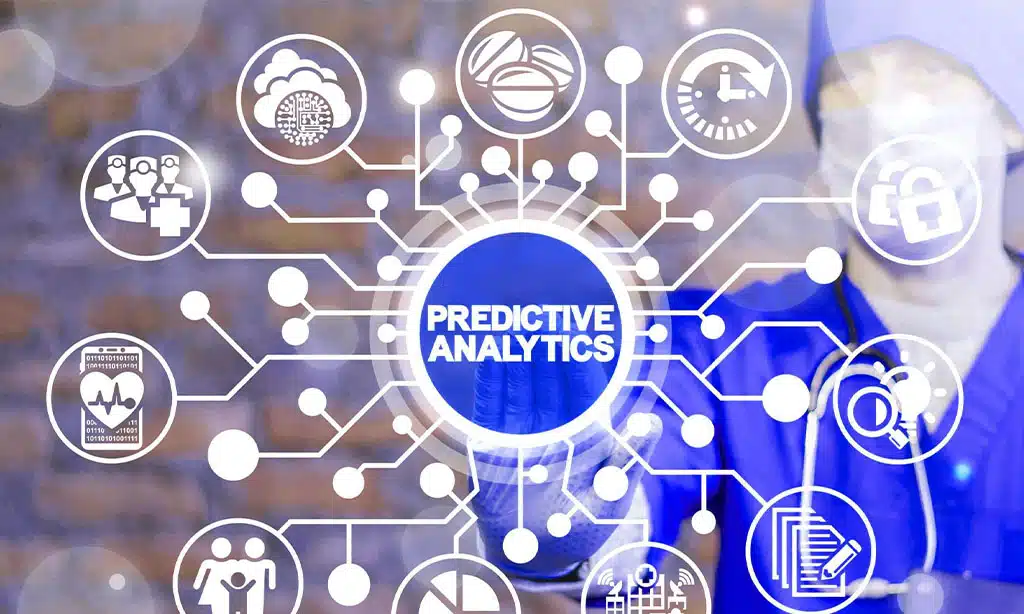
Predictive analytics uses historical and real-time health data to estimate risk: hospital readmission, disease progression, medication non-adherence, or likelihood of complications.
How does it change care:
-
Helps providers intervene sooner
-
Supports proactive chronic care plans
-
Improves resource allocation (nurse outreach, follow-up cadence)
Key warning: Prediction is not destiny. These models need fairness checks, transparency, and ongoing monitoring to avoid bias.
5) Remote patient monitoring (RPM) as a standard of care for chronic conditions
Remote patient monitoring connects home devices and apps to care teams, turning episodic care into continuous care. RPM typically includes blood pressure cuffs, pulse oximeters, weight scales, ECG patches, or connected inhalers—plus rules for alerts and clinician review.
Where RPM shines:
-
Hypertension and heart failure management
-
Diabetes support (especially when paired with CGMs)
-
Post-discharge monitoring to reduce readmissions
-
COPD/asthma monitoring
RPM success depends on:
-
Clear alert thresholds (avoid alarm fatigue)
-
Clinician workflow integration
-
Patient onboarding and tech support
6) Next-generation wearables moving from “fitness” to “health”
Wearables are evolving from step counters into multi-signal devices that track sleep, heart rate, rhythm irregularities, temperature trends, stress indicators, and activity patterns. When used responsibly, wearables can support behavior change and early detection signals.
Practical use cases:
-
Encouraging adherence to activity and rehab plans
-
Noticing abnormal trends that trigger a check-in
-
Supporting long-term lifestyle programs
7) Continuous biosensors beyond glucose
Continuous glucose monitoring (CGM) changed how many people manage diabetes because it offers real-time feedback instead of occasional snapshots. The next wave expands into other biomarkers—through minimally invasive sensors, skin patches, or novel sampling approaches.
What this could unlock:
-
Faster feedback loops for chronic disease management
-
More personalized treatment adjustments
-
Better understanding of how lifestyle affects physiology
What to watch: Clinical validation, affordability, and careful interpretation so users don’t misread consumer-grade signals as diagnoses.
8) Virtual care that goes beyond video visits
Telehealth and telemedicine are no longer just video calls.
The strongest programs combine:
-
asynchronous messaging
-
remote monitoring data
-
e-prescribing workflows
-
care team coordination
-
clear escalation paths into in-person care
Where virtual care works best:
-
Follow-ups and routine check-ins
-
Dermatology and minor acute issues
-
Chronic care coaching
The big evolution: “Virtual-first, not virtual-only”—hybrid care models that blend convenience with clinical rigor.
9) Hospital at home and virtual hospital models
Some systems are expanding care delivery to the home for select conditions—supported by RPM devices, home visits, and centralized clinical command centers. This can reduce strain on facilities and improve patient comfort.
When it’s a good fit:
-
Low-to-moderate acuity cases
-
Post-acute recovery
-
Certain chronic exacerbations are under close monitoring
Non-negotiables: Clear clinical criteria, rapid escalation capability, and reliable logistics.
10) Digital therapeutics (DTx) and evidence-based care apps
Digital therapeutics are structured software interventions designed to prevent, manage, or treat conditions. They often focus on behavior change and symptom improvement—sometimes used alongside medications and clinician care.
Popular DTx areas:
-
Anxiety and depression support
-
Insomnia programs
-
Diabetes prevention and lifestyle coaching
-
Substance use support
-
Chronic pain coping strategies
11) Interoperability upgrades (FHIR, APIs, and smarter health data exchange)
Interoperability is the “plumbing” of healthcare technology. Without it, data stays stuck in silos, referrals slow down, and clinicians waste time chasing records.
What’s improving:
-
FHIR APIs for more standardized data access
-
Better patient access to records via apps
-
More automation opportunities for prior authorization and referrals
-
Cleaner integration between EHR systems and digital health tools
12) Precision medicine, genomics, and personalized treatment decisions
Precision medicine uses genetic, environmental, and lifestyle data to tailor prevention and treatment. Genomics is already influential in oncology and rare disease diagnosis, and it’s expanding into medication response (pharmacogenomics) and risk profiling.
Where it can be transformative:
-
Matching therapies to tumor profiles
-
Faster diagnosis for rare conditions
-
Reducing trial-and-error medication prescribing
What to watch: Ethical data use, counseling support, and equitable access.
Now that you’ve seen the major innovations, here’s how different groups can apply healthcare technology in practical, high-impact ways.
Real-world use cases by stakeholders
Real-world use cases by stakeholders highlight where these innovations deliver the fastest, most measurable impact—matching each technology to common goals like reducing clinician workload, improving access, strengthening chronic care, and lowering avoidable costs. It connects big healthcare technology trends to everyday decisions in care delivery, showing how adoption priorities differ depending on who’s implementing the solution.
For hospitals and health systems
Hospitals often prioritize technologies that improve capacity, reduce clinician burnout, and support post-discharge safety.
High-impact picks:
-
AI documentation and workflow copilots to reduce administrative burden
-
Remote patient monitoring to cut avoidable readmissions and monitor recovery at home
-
Interoperability improvements to streamline referrals, data exchange, and EHR integration
-
Cybersecurity upgrades to protect operations and patient data
What matters most: Workflow fit, integration depth, and a clear rollout plan with training and governance.
For clinics and independent practices
Clinics benefit most from tools that reduce overhead and improve patient retention without a heavy IT lift.
High-impact picks:
-
Virtual care for follow-ups and routine chronic care check-ins
-
AI copilots for scheduling, intake, and patient messaging
-
Wearables and simple RPM programs for hypertension, diabetes support, and lifestyle coaching
What matters most: Ease of use, low-cost adoption, and tools that save time immediately.
For patients and families
For consumers, the best healthcare technology is the kind that is easy to use, supports daily routines, and helps them take action earlier.
High-impact picks:
-
Wearables and home devices for tracking trends over time
-
Virtual care for convenient access and continuity
-
Digital therapeutics for structured support with sleep, stress, habits, or chronic condition coaching
What matters most: Clarity, privacy, affordability, and guidance on what signals mean (and what they don’t).
For startups and digital health builders
Startups win by solving a narrow problem extremely well—and integrating into existing systems rather than replacing them.
High-impact opportunities:
-
Clinical workflow automation that reduces clicks and documentation time
-
Patient engagement that improves adherence without overwhelming people
-
Interoperable platforms built around FHIR APIs and practical EHR integration
-
Security-by-design as a differentiator, not an afterthought
What matters most: Evidence, integration, and a clear “who pays” story (provider, payer, employer, or consumer).
For payers and employers
These stakeholders focus on cost reduction, chronic disease management, and measurable outcomes across populations.
High-impact picks:
-
Remote patient monitoring + coaching for high-risk members
-
Digital therapeutics where outcomes are trackable
-
Predictive analytics to target interventions efficiently
What matters most: Measurable ROI, engagement strategies, and data governance.
Cybersecurity and privacy-by-design: the foundation that protects everything
As healthcare becomes more digital, risk grows. Cybersecurity is not a “nice-to-have”—it’s essential for patient safety, operational continuity, and trust.
Core practices modern health systems adopt:
-
Zero-trust access controls
-
Strong identity verification and role-based permissions
-
Segmentation and ransomware resilience planning
-
Vendor risk management for connected devices and health apps
-
Privacy engineering and secure-by-default product design
Even the most promising tools can fail without the right evidence, integration, and governance—so here are the key limitations to plan for.
Barriers and limitations to watch
It explains the most common obstacles that prevent promising healthcare technology from delivering real results—such as weak evidence, poor EHR integration, alert fatigue, bias risks, and data security concerns.
Clinical validation and evidence gaps
Not every tool has strong, peer-reviewed outcomes behind it. Some solutions show promising pilots but lack broad validation across different populations, care settings, and workflows. A smart evaluation question is: Does this technology improve measurable outcomes (not just engagement)? The strongest products can point to clinical studies, quality metrics, reduced readmissions, or time saved—depending on the category.
Workflow friction and “extra clicks”
Many innovations fail because they add work. If a platform forces clinicians to switch screens, manually copy data, or manage noisy alerts, adoption drops quickly. Healthcare teams tend to embrace tools that:
-
integrate with electronic health records
-
reduce documentation time
-
deliver clear, actionable insights (not raw data)
-
minimize disruptions during patient care
Integration and interoperability obstacles
Even with FHIR APIs, real interoperability can be messy: different EHR versions, inconsistent data quality, and vendor-specific limitations. This is why data exchange and integration capability often matter as much as the innovation itself. If a solution can’t move data cleanly, it becomes another silo.
Patient adoption and the digital divide
Remote patient monitoring, digital therapeutics, and wearables depend on patient consistency. Barriers include device cost, connectivity issues, language access, comfort with technology, and differing health literacy levels. Programs succeed when they include:
-
simple onboarding
-
clear coaching or support
-
low-burden device setup
-
multilingual education materials
Bias, safety, and accountability in AI
AI systems can behave unpredictably if they encounter data that differs from their training environment. Risks include bias, overconfidence, and unclear responsibility when something goes wrong. Best practice is to treat AI as decision support, with strong governance:
-
human oversight for high-stakes decisions
-
transparent limitations
-
monitoring for drift over time
-
audit trails for accountability
Reimbursement, regulation, and cost clarity
Many organizations hesitate because reimbursement and purchasing pathways vary by region, payer, and care model. Without a clear ROI—time saved, fewer readmissions, improved adherence—health systems may struggle to scale a tool beyond a pilot.
Implementation checklist: how to adopt healthcare technology safely
Use this table as a practical guide when evaluating any innovation—AI, RPM, telehealth, or digital therapeutics.
| Evaluation area | What to ask | What “good” looks like |
|---|---|---|
| Clinical safety | Can it fail safely? How does it escalate? | Human oversight + clear thresholds |
| Evidence | Is there validation or outcomes data? | Transparent metrics and limitations |
| Workflow fit | Does it reduce work or add steps? | Fits inside EHR and team routines |
| Data governance | Who owns data? Where is it stored? | Clear policies, access controls |
| Interoperability | Does it support FHIR/APIs? | Data flows without manual copying |
| Security | How is it protected end-to-end? | Encryption, audits, vendor controls |
| Patient experience | Is it easy to use consistently? | Simple onboarding + support |
| Equity | Does it work for diverse users? | Language access + bias checks |
FAQs about healthcare technology
What is healthcare technology?
Healthcare technology refers to tools and systems—software, devices, sensors, platforms, and data infrastructure—used to improve patient care, clinical workflows, access, and outcomes.
Is telehealth the same as telemedicine?
They’re often used interchangeably, but telemedicine usually refers to clinical services delivered remotely, while telehealth can include broader services like coaching, education, and administrative support.
Will AI replace doctors?
AI is more likely to become a support system than a replacement—helping clinicians with documentation, pattern recognition, and workflow automation while humans remain responsible for clinical judgment and patient relationships.
What matters most when choosing new digital health tools?
Workflow fit, safety, evidence, interoperability, and cybersecurity—because even strong tools fail if they disrupt care teams or can’t integrate with electronic health records.
Final thoughts: the real direction of healthcare technology
The most important shift isn’t any single tool—it’s how these innovations combine. AI reduces friction inside clinical workflows, remote patient monitoring and wearables extend care into daily life, and interoperability keeps data moving so teams can act quickly.
The winners in this space won’t be the flashiest technologies—they’ll be the ones that fit seamlessly into real-world care, prove outcomes, and protect patient trust with strong security and privacy practices.