
A new study published in JAMA Ophthalmology, a peer-reviewed medical journal for ophthalmology and visual science, has found that approximately 4.22 million people in the United States have glaucoma.
Statistics show that the prevalence of glaucoma is not only increasing in the United States, but worldwide. At the time of writing, the Glaucoma Research Foundation reports there are approximately 80 million people worldwide living with the condition.
The foundation attributes the prevalence of glaucoma in part to the rapidly aging population. Data also shows that at least half of the people who have glaucoma don’t even know it, adding to the problem of early treatment and management.
If you’re concerned about your vision, doctors or healthcare providers who have completed family nurse practitioner online programs can refer you to a specialist, such as an ophthalmologist. They’ll be able to test your eyes and check for any signs of glaucoma.
What is glaucoma?
The term ‘glaucoma’ refers to a group of eye diseases that share the same characteristic – damage to the optic nerve – which can lead to vision loss and potential blindness.
The optic nerve plays a critical role in the eye and people’s vision. It is comprised of millions of nerve fibers that send visual messages to your brain, which allows you to see. There is an optic nerve attached to each eye, and it carries signals from the eyes directly to the brain.
Glaucoma-related diseases damage the optic nerve permanently over time. How it damages the optic nerve will depend on the type of glaucoma, but typically it is related to high pressure in the eye. It can also happen at any age, but is more common in older adults.
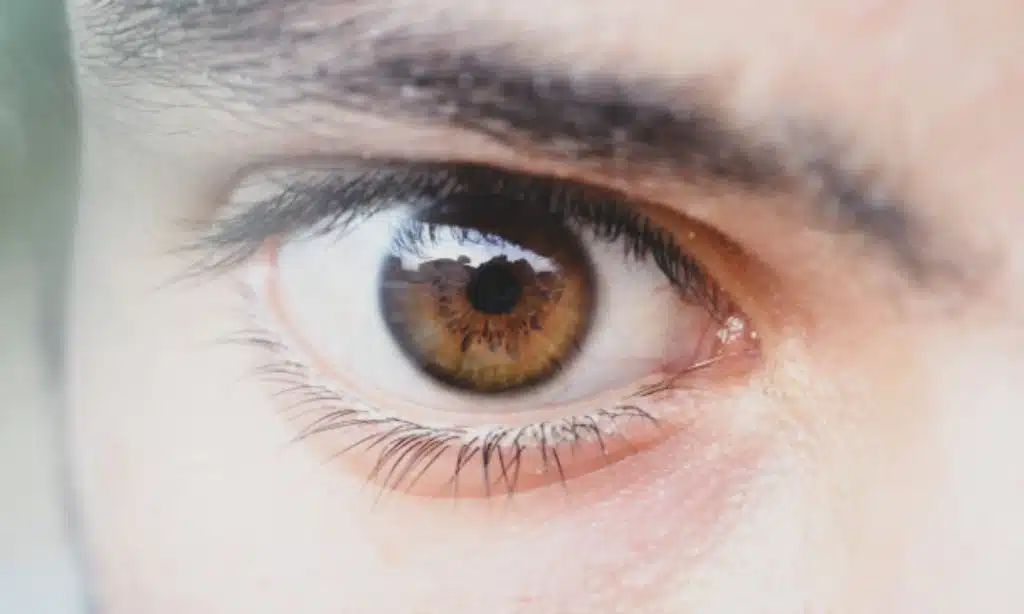
The different types of glaucoma
There are many different types of glaucoma. Depending on the type and severity, it can cause different signs and symptoms. Below is an overview of the most common types.
Open-angle glaucoma
This is the most common type of glaucoma in the United States. 9 out of 10 people who have glaucoma in the country have the open-angle type.
This type causes the eye’s drainage system to slowly ‘back up’, resulting in fluid build-up. This increase of fluid then results in the pressure inside the eye slowly increasing, causing ocular hypertension. The excess pressure then pushes on the optic nerve, damaging it.
Normal-tension glaucoma
Normal-tension glaucoma is a type of open-angle glaucoma, except that the individual has normal levels of eye pressure. People at higher risk for this type of glaucoma include:
- People of Japanese descent
- Family history of normal-tension glaucoma
- People with low blood pressure
Angle-closure glaucoma
This type of glaucoma, also known as narrow-angle or acute glaucoma, is a medical emergency. If you suddenly experience:
- Intense eye pain
- Red eyes
- An upset stomach (nausea)
- Blurry vision
You need to go to the doctor or the emergency room immediately. If angle-closure glaucoma isn’t treated promptly, it can cause blindness in just a few days. It is caused by fluids quickly building up in your eye, causing a sudden increase in pressure.
Congenital glaucoma
This type of glaucoma is incredibly rare, with only 1 in 10,000 babies born in the United States having it. Congenital glaucoma occurs when a baby is born and their eye isn’t draining fluid properly. Signs include:
- The baby has cloudy eyes
- Their eyes are larger than normal
- Sensitivity to light
Secondary glaucoma
This type of glaucoma describes a range of glaucomas that occur as a side effect or “secondary” to another medical condition or trauma. Even though the underlying cause for a secondary glaucoma is different from the aforementioned primary glaucomas, the result – increased eye pressure and optic nerve damage – is the same.
For example, any trauma to the eye, such as blunt force or chemical injury, can cause glaucoma. This is because trauma can change the shape of the eye, resulting in pressure build-up.
Risk factors for glaucoma
Several risk factors, some manageable, are linked to increasing the risk of developing glaucoma. They include:
- High internal eye pressure (intraocular pressure).
- Being over the age of 40.
- Having Black, Asian, or Hispanic heritage.
- People assigned female at birth have a higher risk of angle-closure glaucoma.
- A family history of glaucoma.
- Certain pre-existing medical conditions, such as diabetes or high blood pressure.
- Eye injuries.
- Certain medications, like corticosteroids, can increase the risk.
Research has found that people of African descent are 15 times more likely to have blindness from open-angle glaucoma. Similarly, people who have Asian and Inuit descent are at a higher risk of developing angle-closure glaucoma.
If you experience any or multiple of the risk factors, it’s recommended to have regular eye exams. Eye care specialists diagnose glaucoma through eye exams, and eye exams can detect glaucoma long before any signs or symptoms show up.
Treatment & prevention
If a person has glaucoma, regardless of the type, they will need to be treated and/or monitored for the rest of their life. Available management options will depend on the type of glaucoma.
Glaucoma can be treated with medication, laser treatment, surgery, or a combination of these approaches. Below is a list outlining how the different treatment options can help.
- Medicine: Prescription eye drops are the most common treatment for glaucoma. It can help by reducing eye pressure, preventing optic nerve damage.
- Laser Treatment: Although not as common, laser treatment is also an option to reduce eye pressure by draining excess fluid from the eye.
- Surgery: This option is only considered for certain types of glaucoma and if other treatment options don’t work. Similar to laser treatment, the surgeries drain excess fluid to reduce pressure.
If you’re concerned about your vision and suspect you might have glaucoma, it’s essential to consult your doctor. While glaucoma is a serious condition, if it is detected and treated in its early stages, it is possible to slow down or even prevent vision loss.