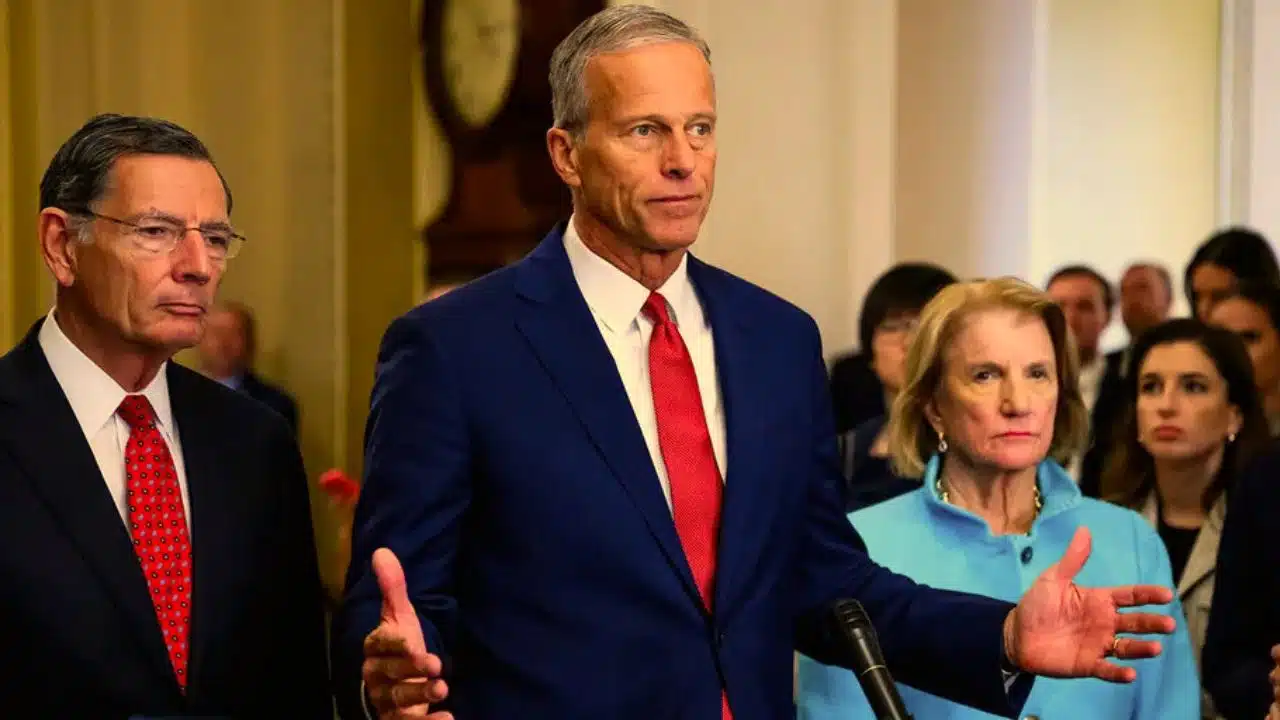
In a long-awaited development that offers relief to millions of federal workers and businesses across the nation, a group of US Senators from both parties has announced a bipartisan agreement to end the longest government shutdown in American history.
The deal, reached after weeks of intense negotiations, aims to reopen federal agencies and restore paychecks to more than 800,000 furloughed employees, signaling a fragile but promising path forward amid deepening political divisions. This resolution comes as the economic toll mounts, with estimates suggesting billions in lost productivity and widespread hardship for affected families .
The Shutdown’s Grueling Timeline
The government shutdown began on December 22, 2018, triggered by a bitter impasse over funding for border security, particularly President Donald Trump’s proposed wall along the US-Mexico border. What started as a routine budget dispute escalated into the longest federal shutdown ever, surpassing the 21-day record set in 1995-1996 under President Bill Clinton. By its 35th day, the standoff had paralyzed key services, from national parks to air traffic control, forcing unpaid workers to rely on food banks and credit cards just to make ends meet .
Throughout January 2019, negotiations faltered repeatedly, with Democrats decrying the shutdown as an unnecessary hardship inflicted by the White House’s rigid demands, while Republicans accused the opposition of obstructing national security priorities. The human cost became starkly evident: Coast Guard families skipped meals, Smithsonian museums remained shuttered, and even IRS tax refunds ground to a halt. Economists warned of a potential drag on GDP growth, with the shutdown costing the economy an estimated $11 billion by its conclusion .
Key Elements of the Bipartisan Agreement
At the heart of the deal is a compromise on funding levels and timelines, averting a prolonged crisis just as the January 15 deadline for a short-term spending bill loomed. Senators agreed to allocate $1.375 billion for border barriers—far short of the $5.7 billion initially sought by the administration—but coupled with enhanced funding for border technology and personnel. This package also includes disaster relief aid for hurricane-hit states and boosts appropriations for agriculture and veterans’ services, addressing broader congressional priorities stalled during the shutdown .
The agreement, spearheaded by a mix of moderate voices like Senators Susan Collins (R-ME) and Joe Manchin (D-WV), incorporates provisions for a 90-day delay on stricter immigration enforcement measures, providing breathing room for comprehensive reform talks. Crucially, it guarantees back pay for all federal workers once operations resume, a nod to the bipartisan outcry over the shutdown’s personal impacts. Lawmakers from both sides hailed the pact as a “win for the American people,” though some hardliners expressed reservations about its concessions .
Reactions from Washington and Beyond
President Trump, who had vowed not to bend on wall funding, reluctantly endorsed the deal in a White House statement, framing it as a step toward stronger border security without declaring it a full victory. House Speaker Nancy Pelosi, a key Democratic negotiator, praised the resolution as evidence that “common sense can prevail over chaos,” emphasizing the need to prevent future shutdowns through budget reforms .
On Capitol Hill, the mood was cautiously optimistic, with Senate Majority Leader Mitch McConnell scheduling a vote for later this week to fast-track implementation. Advocacy groups, including those representing federal employees, expressed profound relief, though labor unions called for longer-term protections against such disruptions. Economists predict a quick rebound once agencies reopen, but lingering effects on consumer confidence and small businesses near federal sites could persist for months .
Broader Implications for US Governance
This bipartisan deal underscores the fragility of America’s divided political landscape, where routine funding battles have repeatedly threatened government functionality. As the nation eyes the 2020 elections, the shutdown serves as a stark reminder of the costs of polarization, potentially influencing voter sentiment on issues like immigration and fiscal responsibility. With a new spending framework in place, attention now shifts to unresolved challenges, including healthcare and infrastructure, as Congress works to rebuild trust in its institutions .