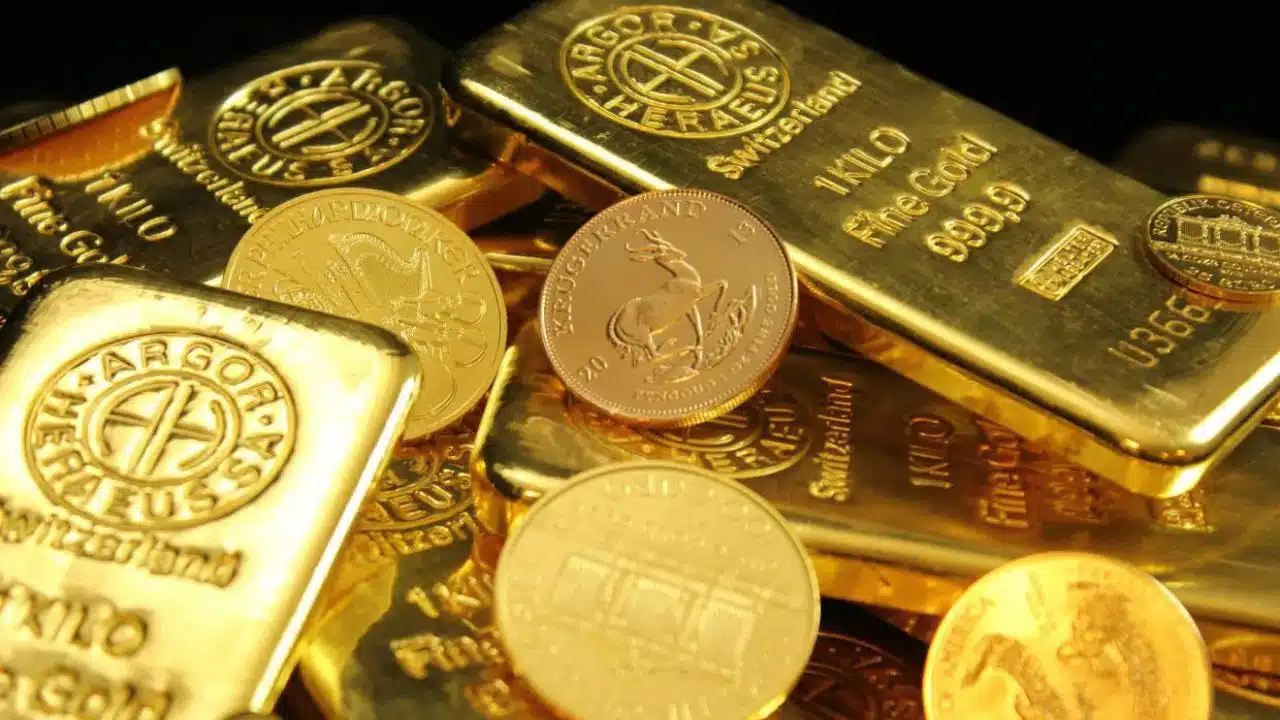
Gold prices have surged to an unprecedented high, eclipsing the $4,300 per ounce mark for the first time in history, marking a pivotal moment in the global financial markets. This record-breaking rally reflects a confluence of macroeconomic, geopolitical, and monetary factors that have collectively pushed investors toward the precious metal as a safe haven amid growing uncertainty.
The Surge: What’s Driving Gold’s Record Run
The immediate catalyst for gold’s ascent was the Federal Reserve’s latest rate cut, which saw the benchmark interest rate lowered by 25 basis points. Despite a more hawkish tone from the Fed, with projections for only one additional cut in 2026 and dissenting votes on the decision, the move injected fresh liquidity into the markets and reignited demand for non-yielding assets like gold. The Fed’s announcement was accompanied by renewed Treasury purchases, further supporting the rally.
Beyond the central bank’s actions, gold’s price surge has been sustained by several key factors:
-
Persistent inflation fears, as global economies continue to grapple with the aftermath of pandemic-era stimulus and ongoing supply chain disruptions.
-
A weakening U.S. dollar, which makes gold cheaper for holders of other currencies and increases its appeal as a store of value.
-
Heightened geopolitical tensions, including ongoing conflicts in Gaza and Ukraine, which have fueled risk aversion and safe-haven demand.
-
Strong demand from central banks, particularly in Russia, China, India, and Turkey, which have been steadily increasing their gold reserves to diversify away from the U.S. dollar.
-
Renewed interest from institutional investors and ETFs, especially in European and Asian markets, as well as robust retail demand in emerging economies.
Gold’s Historical Context and Market Reaction
Gold’s move above $4,300 per ounce is a dramatic departure from its previous highs, which were reached in the aftermath of the 2008 financial crisis and during periods of extreme monetary easing. The current rally is notable for its resilience even as global interest rates remain relatively high, defying the traditional inverse relationship between rates and gold prices.
Market analysts point to several reasons for this shift:
-
Structural demand for gold has increased, driven by both central bank accumulation and private sector investment.
-
The perception of gold as a hedge against currency debasement and financial instability has grown stronger, especially as trade wars and geopolitical tensions escalate.
-
Investor sentiment has shifted, with many viewing gold as a long-term store of value rather than just a short-term hedge.
The record high has triggered a wave of reactions across financial markets:
-
Equities have seen increased volatility, as investors rotate out of riskier assets and into gold.
-
Bond yields have remained low, reflecting continued caution among fixed-income investors.
-
Currency markets have been roiled by the dollar’s weakness and the growing trend of de-dollarization among major economies.
Global Impact and Economic Implications
The surge in gold prices is having far-reaching effects on the global economy, with both positive and negative consequences for different stakeholders.
Emerging Markets and Sovereigns
For emerging market sovereigns, higher gold prices offer several benefits:
-
Improved terms of trade and export growth for gold-producing nations.
-
Enhanced external buffers and higher fiscal revenues.
-
Greater flexibility in managing foreign exchange reserves, as gold becomes a more attractive alternative to the U.S. dollar.
However, there are also risks:
-
Overreliance on gold as a reserve asset can lead to diversification risks, as seen in countries like Uzbekistan, where gold now accounts for a significant portion of total reserves.
-
A sudden reversal in the gold price trend could lead to a deterioration in external buffers and fiscal revenues.
Investors and Financial Institutions
For investors, the record high presents both opportunities and challenges:
-
Gold’s appeal as a safe haven and inflation hedge has never been stronger, attracting both institutional and retail investors.
-
ETFs and other gold-backed financial products have seen a resurgence in inflows, particularly in European and Asian markets.
-
However, the rally also raises concerns about potential overvaluation and the risk of a sharp correction if market sentiment shifts.
Central Banks and Monetary Policy
Central banks around the world are closely monitoring the situation:
-
The Fed’s recent rate cut and Treasury purchases have provided a tailwind for gold, but the central bank remains cautious about further easing.
-
Other central banks, particularly in emerging markets, are continuing to diversify their reserves away from the U.S. dollar and into gold.
-
The trend toward de-dollarization is likely to continue, as geopolitical tensions and economic uncertainty persist.
What’s Next for Gold?
Looking ahead, the outlook for gold remains bullish, but there are several factors that could influence its trajectory:
-
The pace of global monetary policy easing, particularly in the United States and Europe.
-
The evolution of geopolitical tensions and trade wars, which could further boost safe-haven demand.
-
The strength of the U.S. dollar, which will play a key role in determining gold’s relative attractiveness.
-
The level of central bank and institutional demand, which could provide ongoing support for prices.
Analysts expect gold to remain volatile in the near term, with key support and resistance levels at $3,900 and $4,400 per ounce, respectively. A break below $3,900 could trigger a correction, while a sustained move above $4,400 could signal the start of a new bull market.
Conclusion: A Golden Era for the Precious Metal
Gold’s ascent to a record high above $4,300 per ounce is a testament to the enduring appeal of the precious metal as a safe haven and store of value. The rally has been driven by a complex interplay of macroeconomic, geopolitical, and monetary factors, and its impact is being felt across global financial markets. As the world continues to grapple with uncertainty, gold is likely to remain a key asset for investors, central banks, and sovereigns alike.