Germany has long been a global leader in medical innovation — from pioneering vaccines to setting new standards in pharmaceutical quality. As the world continues to prioritize preventive healthcare, German medicine suppliers have emerged at the forefront of vaccine research, development, and distribution. Their rigorous quality control, advanced biotech facilities, and commitment to global immunization make them essential players in safeguarding public health.
In this article, we highlight 10 German medicine suppliers specializing in vaccines — companies that combine scientific excellence with reliability. From large pharmaceutical giants to cutting-edge biotech firms, each has contributed to breakthroughs in vaccine technology and played a key role in combating diseases like influenza, HPV, and COVID-19.
Whether you are a healthcare professional, distributor, or investor, this list will help you understand who’s driving vaccine innovation in Germany — and why their expertise continues to shape the future of global immunization.
BioNTech – Leader in mRNA Vaccine Development
Want a quick pulse check on vaccine science in Germany? Start with BioNTech. Few pharmaceutical companies moved faster during the pandemic, and that pace continues today.
Based in Mainz, BioNTech focuses on messenger RNA, also called mRNA. This type of vaccine teaches your cells to make a harmless piece of a virus so your immune system learns to fight it. The team partnered with Pfizer to deliver a leading COVID-19 vaccine that reached patients worldwide during a critical time.
With revenue of about €3.92 billion, BioNTech sits near the top of Germany’s pharma field. Its work drives healthcare innovation in patient care and vaccine development. The company also fuels pharmaceutical manufacturing and research and development (R&D) across life sciences.
The payoff is bigger than COVID-19. New mRNA platforms aim at other diseases too, from flu to cancer, giving doctors more tools for prevention and treatment.
What makes Bayer AG a trusted pharmaceutical innovator?
Bayer AG combines scale, steady science, and clear results. Based in Leverkusen, the company operates in 83 countries and reports nearly $55 billion in revenue. It leads Germany by turnover, posting €49.3 billion as of June 27, 2025.
More than 100,000 employees support everything from discovery to production. Bayer put Aspirin in medicine cabinets around the globe, then followed with well-known medications like Cipro and Yaz.
The company invests heavily in R&D and large manufacturing sites. These labs build future vaccine options and refine current treatments. Behind the scenes, Bayer Pharma teams run clinical trials, analyze safety data, and scale reliable supply. That consistency keeps Bayer high on any list of top pharmaceutical companies in Germany.
How does Merck KGaA lead in vaccine research and production?
Merck KGaA in Darmstadt is one of the oldest names in medicine. The origins date back over 300 years to Friedrich Jakob Merck. Today the Merck Group spans 66 countries with more than 60,000 employees and €22.2 billion in net sales.
Strong R&D puts Merck at the front of vaccine innovation. The company runs clinical trials that target threats like COVID-19 and respiratory syncytial virus, known as RSV. Merck also provides bioprocess technologies that help other drug manufacturers speed production.
These tools and partnerships make vaccines easier to produce at scale, which matters during outbreaks. With a global footprint, Merck can get proven pharmaceutical products to clinics quickly, from Berlin to Brazil.
Boehringer Ingelheim’s Role in Preventative Medicine
How is Boehringer Ingelheim advancing vaccine development?
Boehringer Ingelheim invests in vaccine work for both people and animals. The company expands R&D, builds stronger platforms, and runs careful clinical trials. Projects aim at fast-moving threats, including the omicron variant and RSV.
Teams across continents share data and scale what works. This approach speeds breakthroughs in preventative medicine and supports public health goals in many regions.
What preventative medicine solutions does Boehringer Ingelheim offer?
The company supports Germany’s medical supply chain with vaccines and other preventive options. The goal is simple, stop illness before it spreads. Programs include flu shots and solutions for respiratory infections that strain clinics each winter.
Public health leaders value wide access to these tools. By keeping critical options available, Boehringer Ingelheim helps communities stay safer during tough seasons and sudden outbreaks.
What are CureVac’s specialties in mRNA vaccines?
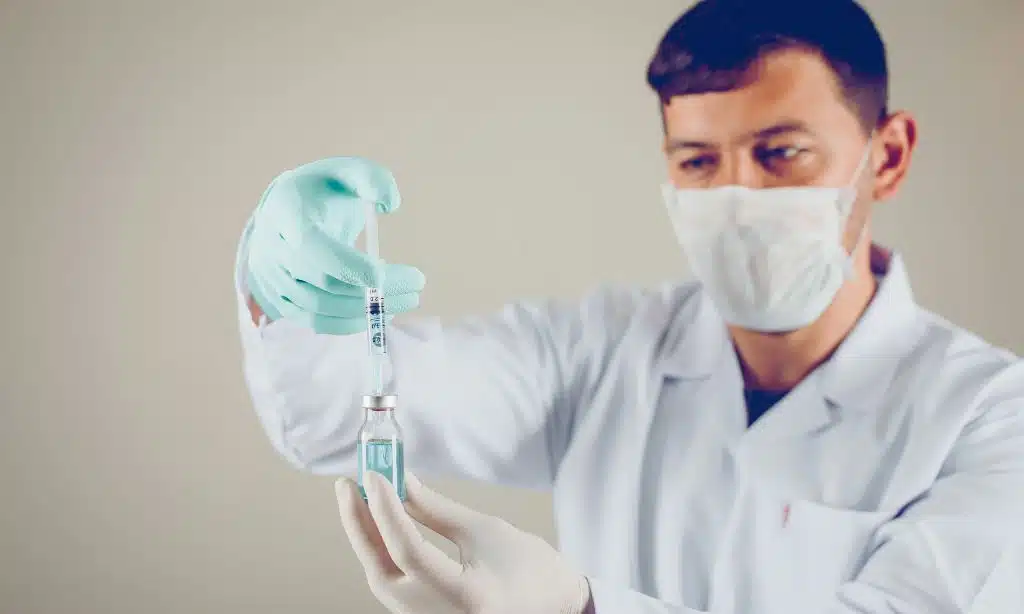
CureVac focuses on mRNA technology, the same science behind today’s fastest-growing vaccine platform. mRNA tells cells how to make a protein so the immune system can recognize a threat and build defenses.
The company’s R&D teams test new ways to deliver this message, aiming for stronger and longer protection. CureVac drew global attention during the rush to develop a COVID-19 vaccine, raising Germany’s profile among the top pharmaceutical companies in Germany.
Experts watch CureVac’s clinical trials to see which approaches work best against current and future viruses. Better design today can mean faster responses to the next health crisis.
Sartorius AG’s Bioprocess Solutions for Vaccine Manufacturing
Sartorius AG supplies the workhorses of vaccine production. Think of the gear that purifies, grows, and measures, all built to help labs move from first test to full run.
What bioprocess technologies does Sartorius AG provide?
Sartorius delivers tools and software that raise output and quality for vaccine makers and other life sciences teams.
- Advanced filtration systems remove impurities during manufacturing so products meet safety standards for clinical trials and commercial launch.
- Fermentation platforms scale cell cultures quickly, supporting production of COVID-19 vaccines and RSV vaccine candidates.
- Purification instruments separate target proteins from unwanted material, a key step for reliable vaccine potency.
- Single-use bioreactors cut cross-contamination risk and speed changeovers between products.
- Fluid management tools handle liquids precisely, which protects dose consistency from batch to batch.
- Data monitoring software tracks each stage and supports audits under European Medicines Agency rules.
- Scalable systems let teams jump from small studies to large batches during emergencies.
- Modular technologies give manufacturers flexibility if demand spikes or formulas change.
- Cross-platform compatibility links upstream and downstream steps, helping both new and established players move faster.
How do Sartorius AG’s solutions support vaccine production?
The company shortens the distance between a discovery and a clinic, which is vital when time is tight.
- Bioprocessing systems support both pilot runs and full-scale launches for COVID-19 vaccine lines.
- Single-use bioreactors reduce contamination risk for products like Vaxzevria and similar vaccines that meet strict regulations.
- Filtration devices speed purification so active ingredients stay stable before shipping.
- Automated monitoring trims manual work and lowers error rates during trials.
- Compliance tools help meet Good Manufacturing Practices for COVID-19 vaccines, BA.5 boosters, or Fluenz Tetra.
- Modular facilities can be deployed near hotspots to boost regional supply.
- Supply chain kits support fast switches between products when demand changes.
- Digital platforms connect equipment data so teams can scale up or adjust recipes confidently.
- Reliable consumables keep lines running, which protects a steady flow of doses for export.
From growth media to final fill, Sartorius helps vaccine programs stay efficient, affordable, and ready for the next challenge.
How does Stada Arzneimittel focus on essential vaccines?
Stada Arzneimittel, founded in 1895, operates from Göttingen with about 13,000 employees and €3.8 billion in sales. The company offers generics and over-the-counter drugs, plus a growing set of essential vaccines.
Essential vaccines matter because they protect communities at a fair cost. Stada helps expand access at home and abroad, which supports public health and relieves pressure on hospitals during peak seasons.
This steady focus keeps Stada ranked with respected German pharmaceutical companies for vaccine access and reliability.
What expertise does Fresenius Kabi bring to biopharmaceuticals and vaccines?
Fresenius Kabi, part of Fresenius SE & Co. KGaA in Bad Homburg, brings deep experience in injectable drugs and clinical nutrition. The broader group employs roughly 300,000 people and reports €7.9 billion in revenue for this segment.
These strengths support vaccine programs in two ways. First, safe intravenous products and delivery systems help patients receive care in hospitals. Second, sterile production skills and medical devices back large vaccine makers during scale-up and clinical trials.
From hospital pharmacies to global manufacturers, partners use Fresenius Kabi solutions to keep lifesaving medicines moving safely.
How does Qiagen innovate diagnostic tools for vaccination?
Qiagen builds lab tools that help public health teams act fast. Quick, accurate testing lets doctors catch infections early, track spread, and guide vaccine use in real time.
Platforms from Qiagen support campaigns against polio, measles, HPV with Gardasil 9, and RSV. The same systems improve R&D and clinical trials for vaccines like Vaxneuvance or Prevnar 20 by giving clean, trusted data.
In short, better diagnostics make vaccination programs smarter and more targeted, especially during outbreaks.
Grünenthal’s Emerging Role in Vaccine Development
Grünenthal in Aachen built its reputation in pain management and neurological care. Now it is expanding into vaccines with fresh R&D and a growing pipeline.
The company employs about 4,500 people and reports €1.7 billion in revenue. New candidates are moving toward trials, adding diversity to Germany’s life sciences ecosystem.
For you, this means more sources for future vaccine supply and more options for prevention programs.
How is Berlin-Chemie expanding its vaccine manufacturing?
Berlin-Chemie, founded in 1920 and part of the Menarini Group, is scaling its vaccine production footprint. With 5,000 employees across seventy countries and €3.6 billion in sales, the company has invested in new facilities inside Germany.
These upgrades raise capacity and build resilience into the medical supply chain. During high-demand periods, such as COVID-19 vaccine rollouts or sudden outbreaks, added capacity helps stabilize supply and delivery.
The result, stronger support for public health and a more agile response when cases spike.
What services does Siegfried AG offer in vaccine development and manufacturing?
Siegfried AG provides contract development and manufacturing for vaccines and other biologic medicines. Services cover early research, formulation, analytics, clinical supply, and commercial fill-finish, which is the final step of putting doses into vials or syringes.
Whether you need a small trial batch or a full commercial run, Siegfried can scale to fit. This flexibility helps German pharmaceutical companies move from the lab to the market faster without building new plants.
That speed supports healthcare innovation and keeps more vaccine options within reach for health systems.
Takeaways
Germany’s vaccine strength comes from a wide network of innovators and builders. BioNTech, Bayer AG, and Merck KGaA drive science, while firms like Sartorius, Qiagen, and Fresenius Kabi power the practical steps of pharmaceutical manufacturing, clinical trials, and delivery.
Others, including CureVac and Stada Arzneimittel, fill gaps with mRNA expertise and essential vaccines. Berlin-Chemie and Siegfried add capacity and speed so supply keeps up during busy seasons.
If you follow top pharmaceutical companies in Germany, one theme stands out, teamwork across science and production. That collaboration gets a COVID-19 vaccine from a lab bench to your clinic. For medical questions, talk with a qualified healthcare professional, especially about timing, safety, and vaccination plans that fit your health history.
FAQs on German Medicine Suppliers Specializing in Vaccines
1. Which German pharmaceutical companies are leaders in vaccine innovation?
Boehringer Ingelheim, Novartis Group, and Sandoz AG stand out for their work in research and development of vaccines. These firms drive healthcare innovation with clinical trials on products like the respiratory syncytial virus vaccine.
2. What types of vaccines do these suppliers offer?
You’ll find a wide range: COVID-19 vaccines such as Covifenz, over-the-counter drugs, varicella zoster shots like Varivax and ProQuad, plus flu options including Flumist Quadrivalent. Some even supply Gardasil 9 for HPV prevention.
3. Are any well-known international brands involved with German medicine suppliers?
Yes, Johnson & Johnson’s partnership brings its COVID-19 vaccine to Germany’s market alongside other big names like AbbVie Inc., Bristol Myers Squibb, and Sinovac Biotech.
4. How do these companies contribute to global health efforts?
They support organizations such as Gavi by distributing essential medical devices and medicines worldwide; this includes Ebola vaccine shipments during outbreaks or supplying Pneumovax where it’s needed most.
5. Do these pharmaceutical wholesalers only focus on vaccines?
Not at all; many also handle compounding services and manufacture medical devices along with pharmaceuticals for life sciences applications beyond just immunizations.
6. What role does research play among top pharmaceutical companies in Germany?
Research is the backbone here; Fresenius Kabi invests heavily in R&D while Ciba-Geigy AG pushes boundaries through continuous clinical trials aiming to improve both existing products and new treatments alike.