
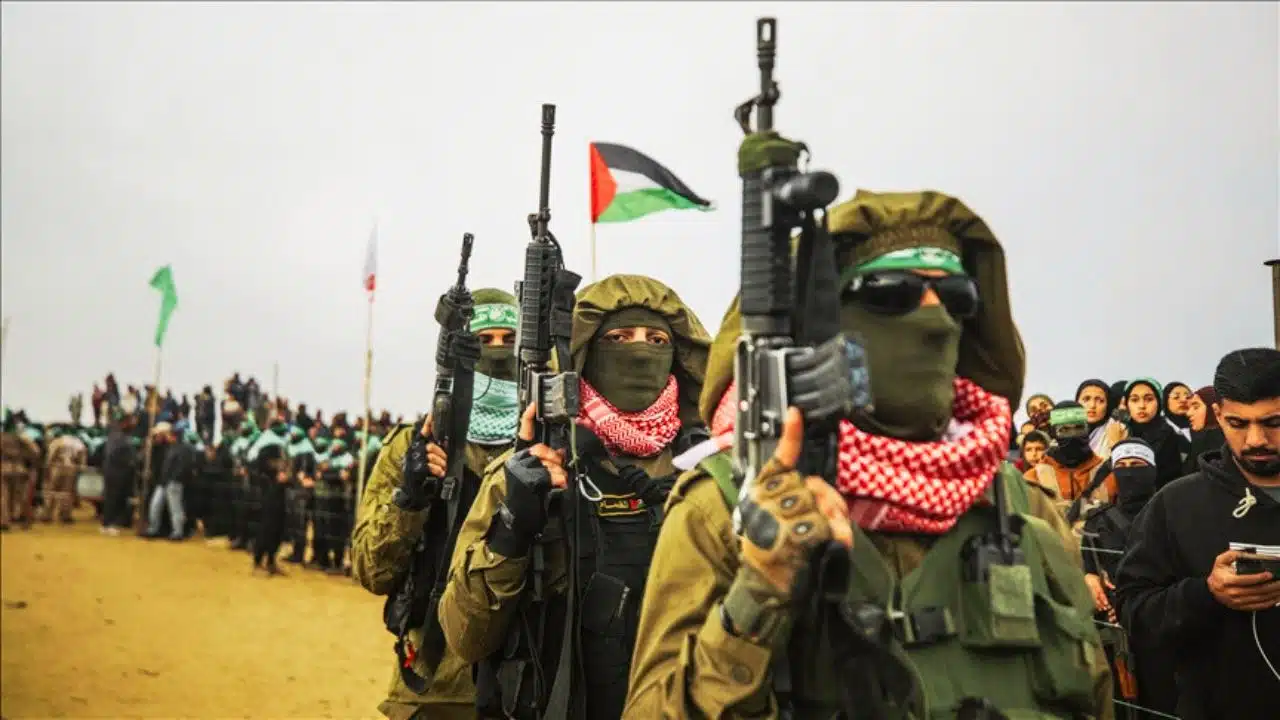
A fragile calm holds over the Gaza Strip today, October 12, 2025, as a landmark Gaza ceasefire agreement, brokered by the United States, enters its critical initial phase. After two years of devastating conflict, this deal offers a glimmer of hope but faces a perilous path toward lasting peace.
Key Facts & Quick Takes
- Ceasefire in Effect: A ceasefire between Israel and Hamas, part of a “20-Point Peace Plan” proposed by U.S. President Donald Trump, began on October 9, 2025. The first phase involves the release of the remaining 20 living hostages held by Hamas in exchange for a partial withdrawal of Israeli forces.
- Humanitarian Catastrophe: As of October 2025, the conflict has resulted in over 67,000 Palestinian fatalities, according to the Gaza Ministry of Health. The UN reports that 1.9 million people remain displaced, and virtually the entire population of 2.1 million faces severe food insecurity.
- International Diplomacy: The U.S.-led plan has garnered broad, though cautious, international support. Figures like former UK Prime Minister Tony Blair are slated to play a key role in a proposed “peace board” to oversee Gaza’s reconstruction, a move that has received a tentative nod from the Palestinian Authority.
- Reconstruction Cost: The United Nations estimates that rebuilding Gaza will require more than $50 billion and could take over 15 years, contingent on a stable political and security environment.
- Uncertain Future: Major hurdles remain, including the complete disarmament of Hamas, the final status of Israeli forces, and the establishment of a long-term governance structure for Gaza. Experts warn the deal’s collapse is a significant risk.
Two Years of War, A Glimmer of Hope: Inside the Gaza Ceasefire Agreement
The Long Road to a Ceasefire
The ceasefire that took effect on October 9, 2025, marks a pivotal moment in a conflict that has raged for two years, following the Hamas-led attacks on Israel on October 7, 2023. The ensuing war has inflicted an almost unimaginable toll on the Gaza Strip, obliterating infrastructure and creating a humanitarian crisis of historic proportions.
International efforts to broker a lasting peace have repeatedly failed over the past 24 months. However, a renewed diplomatic push by the United States under President Donald Trump, in coordination with key regional players like Egypt, Qatar, and the UAE, culminated in the “20-Point Peace Plan.” This framework, unlike previous attempts, ties the immediate cessation of hostilities and hostage release to a detailed, albeit ambitious, long-term plan for the “day after” in Gaza.
What Happened: The Deal on the Table
The agreement is structured in phases. The initial, currently active phase, involves:
- Hostage Release: Hamas is to release the approximately 20 remaining living hostages captured on October 7, 2023.
- Israeli Withdrawal: In return, Israel will pull back its ground forces from parts of the Gaza Strip to an “agreed upon line.”
- Humanitarian Aid: The deal calls for the immediate and unimpeded entry of humanitarian supplies into the devastated enclave.
Subsequent phases, which are far more contentious, reportedly address the complete disarmament of Hamas, the full withdrawal of Israeli forces, the establishment of an international stabilization force under a UN mandate, and the eventual return of a reformed Palestinian Authority to govern Gaza.
Latest Data & Statistics: The Human Cost
The statistics emerging from Gaza paint a grim picture of the conflict’s impact.
- Casualties: The Gaza Ministry of Health reported that as of October 7, 2025, at least 67,173 Palestinians have been killed and over 169,780 injured since the war began. This includes over 20,000 children (ReliefWeb, “Humanitarian Situation Update #329 | Gaza Strip”).
- Displacement: Over 1.9 million people, representing more than 85% of Gaza’s population, have been internally displaced, with hundreds of thousands living in makeshift shelters or overcrowded UN facilities (UNRWA, “Situation Report #190”).
- Child Malnutrition: Nearly one in three young children (28.5%) in Gaza City was suffering from acute malnutrition as of mid-August 2025, a figure that humanitarian agencies have described as catastrophic (UNRWA, “Situation Report #189”).
Official Responses & Quotes
The international community has largely welcomed the ceasefire. UN Secretary-General António Guterres praised the diplomatic efforts, stating, “I urge all stakeholders to seize this momentous opportunity to establish a credible political path forward… The fighting must stop once and for all. The suffering must end.”
The White House has framed the deal as a significant foreign policy achievement. A statement on October 1, 2025, highlighted “Global Support for President Trump’s Bold Vision for Peace in Gaza,” citing positive reactions from a coalition of Arab and Muslim nations, including Saudi Arabia, the UAE, and Jordan, who have affirmed their readiness to “engage positively and constructively”
Israeli Prime Minister Benjamin Netanyahu called it a “great day for Israel” but has maintained that the broader campaign objectives have not been abandoned. Hamas, while agreeing to the initial phase, has remained publicly opposed to any plan that involves its disarmament.
Expert Analysis: A Fragile Foundation
While the ceasefire is a welcome respite, analysts remain deeply skeptical about its long-term viability. Experts from the Atlantic Council note that the core issues remain unresolved. “Hamas does not want to disarm and give up a role in Palestine’s future,” and “Israel does not want to withdraw completely from the Gaza Strip, allow the Palestinian Authority to return, or agree to an eventual Palestinian state.” (Atlantic Council, October 8, 2025).
Azmi Keshawi, an analyst with the International Crisis Group, highlighted the immense challenge of reconstruction. “Palestinians are capable of doing the utmost in order to regain their lives,” he told Al Jazeera. “But simply having the will to rebuild is not enough… It doesn’t just depend on them.” He emphasized that any rebuilding effort requires sustained international pressure on Israel to permit the entry of construction materials. (Al Jazeera, October 8, 2025).
Impact on People: A Cautious Hope Amidst Ruins
For the people of Gaza, the silence of the guns has brought a profound, if temporary, relief. “I just want the bloodshed to end,” Jihan Abu Mandeel, a 41-year-old mother of four, told Al Jazeera reporters.
In the streets of Deir al-Balah and Khan Younis, Palestinians have emerged from shelters to search for loved ones and survey the wreckage of their homes. The Norwegian Refugee Council reported scenes of celebration on October 9, but noted the immense psychological toll. “The devastation, destruction and trauma will take years and even generations of recovery.”
What to Watch Next
The coming days and weeks are critical. Key developments to watch include:
- Hostage Handover: The successful and safe return of all 20 living hostages is the immediate test of the agreement’s integrity.
- Negotiations on Phase Two: Talks in Cairo are expected to resume on the more difficult aspects of the plan, including Hamas’s disarmament and the mandate of an international force.
- Role of Tony Blair and the PA: The formal establishment of a reconstruction authority and the navigation of the complex relationship between international overseers and the Palestinian Authority will be a major diplomatic challenge.
The Gaza ceasefire agreement of October 2025 represents the most significant diplomatic breakthrough in two years of brutal conflict. It has momentarily stopped the bloodshed and created a window for humanitarian relief and political negotiation. However, the path forward is fraught with obstacles. The deep-seated mistrust between the primary actors, the unresolved political questions, and the sheer scale of the destruction mean that this fragile peace could shatter at any moment. The world watches, hoping that this glimmer of hope does not fade into another chapter of violence.