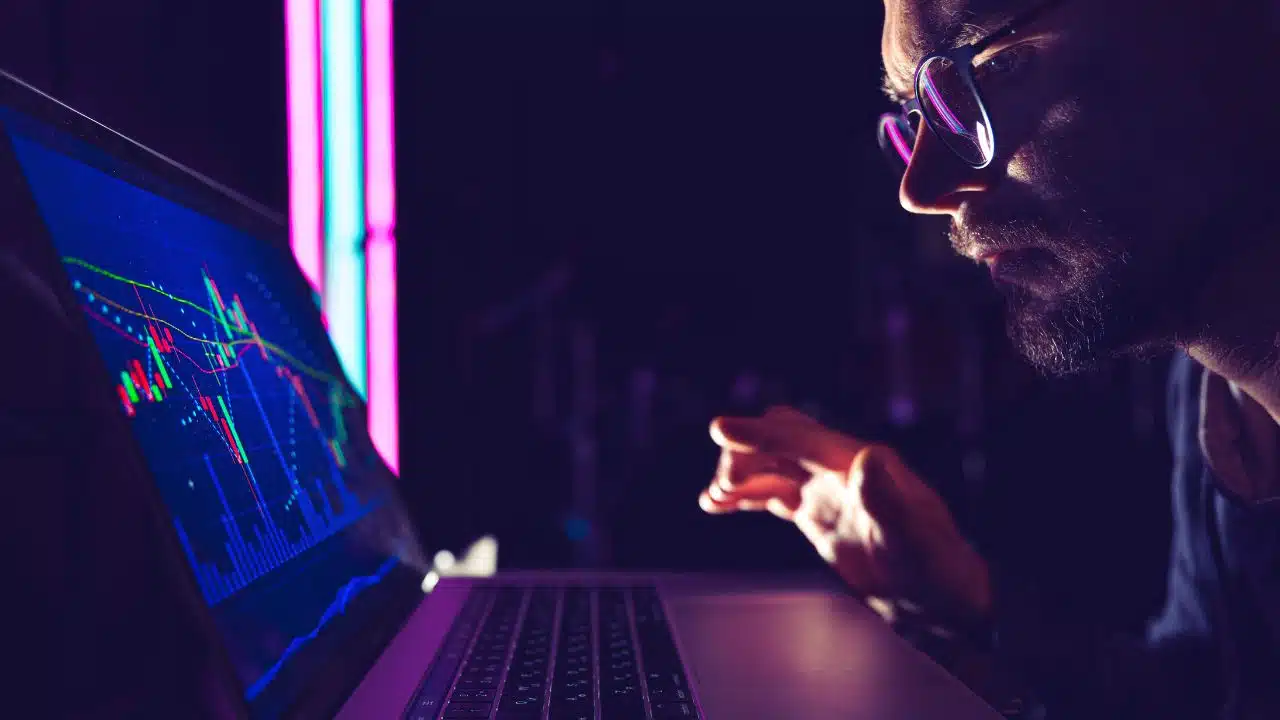
Futures trading plays an important role in modern investing, giving market participants the ability to speculate on price movements, hedge against risks, and access leverage across a wide range of assets. From commodities to cryptocurrencies, futures contracts are used by both retail and institutional traders to gain exposure without owning the underlying asset. As technology and financial markets evolve, futures trading continues to gain traction—especially in the crypto sector.
This article breaks down the mechanics of futures trading, including how contracts work, what trading charts reveal, and how crypto futures differ from traditional products. It also explains how to choose the right platform for futures trading, including key features to consider.
What Is Trading Futures & How Does It Work?
Futures trading involves an agreement between two parties to buy or sell an asset at a fixed price on a specified future date. These contracts are standardized and traded on a regulated exchange, which sets the rules and requirements, or on digital platforms.
Key components of a futures contract:
- Underlying asset: This can be a commodity (e.g., oil), a financial index (e.g., S&P 500), or a cryptocurrency (e.g., BTC).
- Contract size: Specifies the quantity of the asset.
- Leverage and margin: Traders only need to deposit a fraction of the contract’s value to open a position. This increases potential gains—and risks.
- Notional value / Contract value: The notional value or contract value is calculated by multiplying the contract size by the current market price. It represents the total market value of the underlying asset in the contract and is important for margin calculations and trading decisions.
- Tick size: The minimum price movement allowed for a contract. Tick size and its value can vary between different futures contracts.
- Trading hours: Futures markets typically operate nearly 24 hours a day, six days a week, but each product may have its own specific trading schedule. Understanding trading hours is important for market access and liquidity.
- Expiration date: Futures can be fixed-term or perpetual. The expiration or delivery date is the specific date when the contract is settled.
- Settlement: Either physical (delivery) or cash-settled, depending on the contract terms and the delivery date.
When trading futures, users must monitor margin requirements, funding rates, and price movements to avoid forced liquidation. Some platforms also offer contract rollover tools to extend positions beyond expiration.
Futures Trading Charts and Tools
To trade futures effectively, traders rely heavily on technical analysis. Futures trading charts help identify entry points, exit zones, and areas of high probability for trend continuation or reversal. Advanced charting platforms also provide trading insights, such as expert analysis and real-time data, to inform trading decisions.
Common chart types used in futures trading:
- Candlestick charts: Display price action through open, high, low, and close values.
- Line charts: Connect closing prices over time for a cleaner overview.
- Tick charts: Useful for short-term traders who focus on transaction count instead of time.
Key technical indicators:
- Moving averages (MA): Show average price over a set time period.
- Relative Strength Index (RSI): Gauges overbought or oversold market conditions.
- Volume profiles: Indicate the strength behind price moves.
- ATR (Average True Range): Measures volatility for better stop-loss placement.
Platforms like Bitunix, NinjaTrader, and TradingView offer robust charting tools with real-time data, technical overlays, and multi-chart layouts. Bitunix, for example, supports mobile-responsive charts, custom indicators, and crypto-specific overlays, allowing users to manage trades from anywhere.
Trading Futures vs Options: Core Differences
Though both are derivatives, futures and options are types of financial instruments used for speculation and hedging. They have different structures and use cases. Futures contracts obligate both parties to execute the trade, while options give the right—but not the obligation—to buy or sell at a preset price.
| Feature | Futures | Options |
| Contract Type | Obligation to buy/sell | Right to buy/sell |
| Premium Requirement | No premium; uses margin | Premium paid upfront |
| Risk Level | High (unlimited losses possible) | Defined (limited to premium paid) |
| Profit Potential | Unlimited | Capped depending on strike price |
| Ideal Use Case | Directional speculation, hedging | Risk-managed bets, income strategies |
| Settlement Type | Physical or cash | Cash or no exercise |
Futures may be preferred when certainty and leverage are required. Options are better suited for situations requiring defined downside risk.
Futures contracts are available for a variety of underlying assets, including commodities, currencies, market indices, and interest rates.
Crypto Futures Trading: New Opportunities and Risks
Crypto futures have emerged as a major segment of the derivatives market. Crypto futures include products like bitcoin futures, which are traded alongside traditional contracts such as crude oil futures contracts and currency futures. Unlike traditional futures, these contracts often come in perpetual formats without expiration dates and are traded 24/7. In contrast, traditional futures on crude oil, currencies, and interest rates have different contract specifications and trading hours.
In the crypto futures market, most traders are speculating on price swings rather than taking physical delivery. Traders use different strategies and trading strategies, including mean reversion on a particular futures contract, to profit from volatility. They must consider their risk tolerance and decide how much leverage to use, as the amount of money at risk can be significant. Integrating crypto futures into a portfolio can enhance diversification. A sound futures trading strategy involves timing, technical analysis, and adapting to market conditions.
Unique features of crypto futures:
- Perpetual contracts: No expiry; funding fees maintain price parity with spot.
- High leverage: Often 50x or more, amplifying both profit and risk.
- Cross-asset collateral: Some platforms allow collateral in stablecoins or altcoins.
- Global access: No market closure hours—trading is continuous.
Bitunix is one such platform offering advanced crypto futures tools. It supports risk controls, custom stop-loss settings, and position management automation, which are especially important in volatile crypto markets. These features are integrated within a user-friendly mobile and web interface.
Traders should be aware of crypto-specific risks, including slippage, liquidation spikes, and platform downtimes. Using technical indicators and chart overlays can help mitigate such risks.
Choosing a Platform & Feature Comparison
Selecting a crypto futures platform requires assessing more than just fees. The best platforms offer comprehensive tools for risk management, analytics, and technical execution. Access to reliable trading advice is also an important consideration, as it can provide essential guidance for traders.
Crypto Futures Platform Feature Comparison
| Platform | Max Leverage | Tools & Features | Automation | Risk Controls | Best For |
| Bitunix | 125x | K-Line Pro charts, 16-chart layout, bracket orders, volatility tools | ✔️ | Integrated risk dashboard | Advanced traders, crypto-native |
| Bybit | 100x | TradingView overlay, copy trading, asset insights | ✔️ | Adjustable SL/TP | Beginners, social traders |
| KuCoin | 100x | Classic/Pro interfaces, bot marketplace, price alerts | ✔️ | Tiered liquidation alerts | Altcoin traders, hybrid users |
| Bitget | 125x | Grid bots, leaderboard analytics, multiple collateral options | ✔️ | Position limits & alerts | Bot users and mobile traders |
Platforms like Bitunix stand out for their high-performance charting infrastructure, custom indicator suite, and seamless automation tools, all optimized for crypto derivatives.
FAQs
Can I hedge spot crypto holdings with futures?
Yes. You can open a short futures position to protect against falling prices while holding the actual asset.
What’s required to start trading futures?
Most platforms require account verification (KYC), margin funding, and agreement to terms on leverage usage.
How is margin calculated?
Margin is based on the contract size, asset volatility, and selected leverage. Initial and maintenance margins vary by platform.
What does equity mean in a futures account?
Equity in a futures account refers to the total value of your account after accounting for margin and any unrealized profits or losses from open positions. It is a key factor in risk management, as sufficient equity is required to maintain positions and avoid liquidation. In hedging strategies, especially with equity index futures, monitoring your account equity helps manage overall financial exposure.
Can I use a demo account for risk-free practice?
Some platforms offer simulated trading. Bitunix does not currently offer a demo, but its risk management tools help mitigate real exposure.
Conclusion
Understanding what are futures in trading requires more than just knowing how contracts work. It demands familiarity with technical tools, risk mechanisms, and platform infrastructure. As crypto markets gain legitimacy and institutional presence, the overlap between traditional and crypto futures continues to grow.
Whether you’re exploring leverage opportunities, chart-based trading strategies, or asset hedging, selecting the right platform is essential. With enhanced analytics, transparent security practices, and advanced risk tools, Bitunix and similar platforms are reshaping how traders approach modern futures markets.
If you are interested in futures trading, make sure to continue learning and researching before investing.