You want a film that sweeps you away from the daily grind. You want to walk the Shire, face Mount Doom, or step into Hogwarts and feel it all around you. Too many movies rely on flashy CGI, and that can leave you cold.
Fans of the lord of the rings, harry potter, and studio ghibli often say they crave worlds that feel honest, tactile, alive.
Great films mix strong production design, sound design, and story, to make places that stick with you. The lord of the rings used practical sets and real locations, Spirited Away used hand-crafted art from hayao miyazaki and studio ghibli, and the dark crystal used puppets and stop-motion animation to breathe life into fantasy.
I will show ten films, from pan’s labyrinth to how to train your dragon, and point out what makes each world immersive, and why they work, so you can pick your next escape. Keep reading.
Key Takeaways
- Strong production design, sound, and story create immersive worlds, as Peter Jackson, Hayao Miyazaki, Guillermo del Toro, and Jim Henson demonstrate.
- Peter Jackson’s The Lord of the Rings trilogy (2001–2003) used practical sets and scored Metascores 92, 87, 94 and IMDb ratings 8.9, 8.8, 9.0.
- Studio Ghibli films—Spirited Away (2001) and Princess Mononoke (1997)—use hand-drawn art and cel animation to make tactile, living worlds.
- Practical effects, puppetry, and stop-motion in The Dark Crystal (1982), Coraline (2009), and Pan’s Labyrinth (2006) yield tactile, believable creatures and sets.
- Blending practical effects with CGI—from Harry Potter (2001–2011) to How to Train Your Dragon (2010), Narnia (2005), Warcraft (2016), and Aquaman (2018)—keeps worlds tactile.
The Lord of the Rings Trilogy (2001 – 2003)
Peter Jackson directed an epic trilogy from 2001 to 2003. The lord of the rings trilogy uses practical sets, bold production design, and practical effects to build Middle Earth.
The fellowship of the ring, released in 2001, runs 2h 58m, earned a Metascore of 92, and holds an IMDb score of 8.9, based on 2.1 million votes. The Two Towers arrived in 2002, the film runs 2h 59m, and it scored 87 on Metascore with an IMDb rating of 8.8 from 1.9 million voters.
The Return of the King finished the saga in 2003, at 3h 21m; it has a Metascore rating of 94, and IMDb shows 9.0 with over two million votes. Elijah Wood, Ian McKellen, Orlando Bloom, and Viggo Mortensen bring strong emotion to scenes about the one ring, and Mount Doom, a volcanic peak, anchors the stakes while j.r.r.
tolkien’s source work steadies the plot.
The Harry Potter Franchise (2001 – 2011)
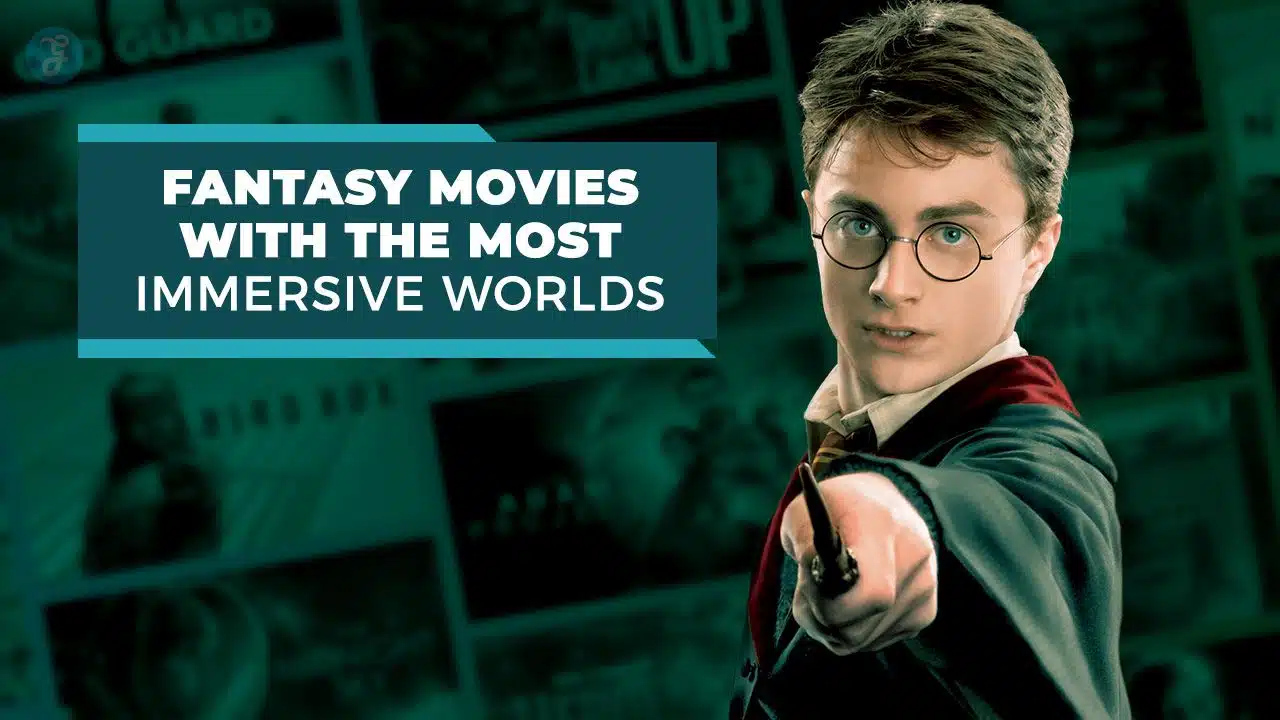
The Harry Potter films ran from 2001 to 2011. They built a living wizarding world, full of odd shops and moving staircases. Filmmakers mixed practical effects and sets with CGI, to make scenes feel real.
Production design gave props like Platform 9¾ weight and history.
Hogwarts feels lived in, dusty, and full of odd rules. Actors wore robes and carried old books and clocks, which made the past feel present. The enduring appeal of fantasy films lies in their ability to transport viewers to other worlds.
Readers are encouraged to explore these films for artistic merit and enjoyment. Fans spot nods to Fantastic Beasts, tiny props, and hints that reward close watching.
Spirited Away (2001)
Hayao Miyazaki and Studio Ghibli crafted Spirited Away as a living, strange spa, and they packed it with magical worlds and mythical creatures. The film uses cel animation and strong production design to make every bathhouse corridor feel real.
Foley, sound design, and an orchestral score push mood and tension, they make the strange feel immediate. Relatable characters anchor the story, so those elaborate landscapes carry real weight, and fantasy films gain more power when they pair hand-crafted art with clear emotion.
Pan’s Labyrinth (2006)
Guillermo del Toro made Pan’s Labyrinth in 2006. He sets the story in 1944 francoist spain, and politics press on each scene. The film mixes folk myth with harsh history. Advanced visuals and careful set design help craft the feeling of being inside a fairy tale and a war story at once.
Storytelling and visual elements work together to pull viewers deep into the tale.
Del Toro builds the world with practical effects, prosthetic makeup, animatronics, puppetry, and rich set dressing. Careful production design makes the faun and the Pale Man feel real, like toys that learned to breathe.
The creatures stare, rooms smell of oil and old paper, and the film shocks as often as it soothes.
The Chronicles of Narnia: The Lion, the Witch and the Wardrobe (2005)
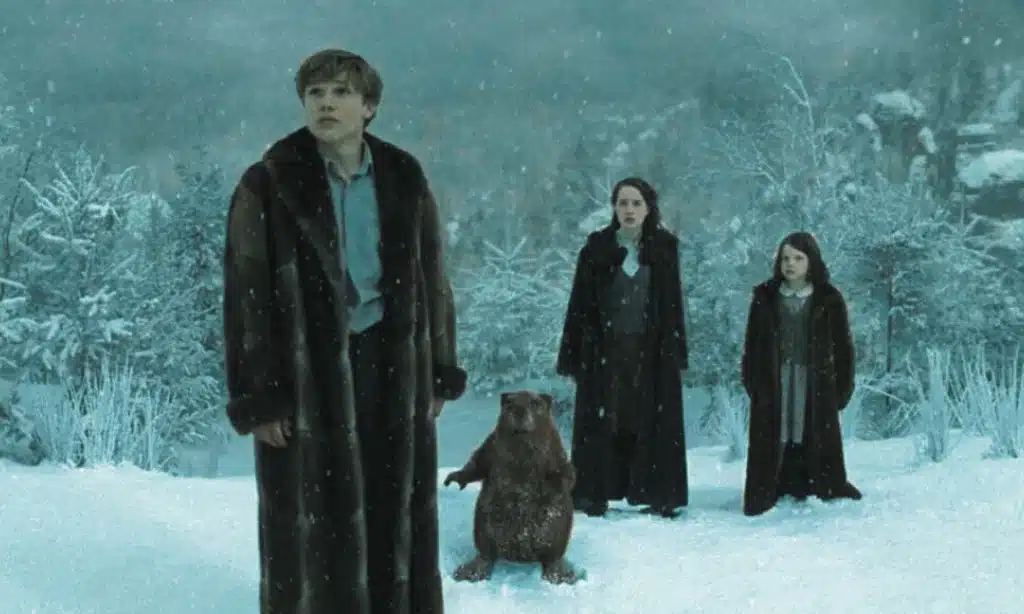
The film released in 2005 drops four siblings into a snowy, magical wardrobe. Designers use strong world-building techniques to sell the film’s magical worlds. Production design paints every scene, from the lamppost to the frozen castle.
Practical sets give actors real textures, crew filled rooms with lived-in props. Special effects teams blend practical effects with CGI, to keep the magic tactile and believable.
The White Witch brings a cold, iron rule, she feels like a dark ruler from myth. Creatures, from forest folk to talking beasts, move with weight and odd charm. Costume, animatronics, and motion-capture link to create believable characters.
This nod to stop-motion animation and puppetry adds heft to the visuals. Practical effects work with green screens and set dressing, to anchor the scenes. Fans mention older fantasy movies like The Dark Crystal and the puppetry of Jim Henson as kin to the film’s hands-on craft.
How to Train Your Dragon (2010)
A young Viking befriends a wounded dragon in 2010. The movie uses sweeping landscapes and wild creatures to build a living, breathing world. Visual storytelling drives every scene, it carries emotion without long speeches.
Production design mixes rugged Viking sets, practical effects, and fluid animation to sell scale. Stoick the Vast shows rough authority, he makes the clan feel real. Dragons seem mythical, yet they move with believable weight and personality.
Animators layer light, wind, and sound to sell each cliff and bay, fans of fantasy movies nod. The mix of practical effects sensibilities and CGI gives texture and warmth, it pulls you into its magical worlds.
Princess Mononoke (1997)
Princess Mononoke blends ancient spirits and iron-age industry. hayao miyazaki paints fierce conflict between humans and gods. studio ghibli drew forests by hand, each leaf seems to breathe.
The production design uses texture, light, and simple tools to sell magic. Practical effects and hand-drawn detail work with music to move you. Miyazaki borrows from ethnic and historic fantasy traditions to root the story.
Believable settings combined with relatable characters enhance audience engagement in fantasy movies.
Coraline (2009)
Coraline uses stop-motion animation to make every room feel lived in. The film favors practical effects and hand-built sets, not full digital backdrops. Small figures sit on visible rigs and tiny skeletons, each moved a frame at a time.
Production design packs the house with odd details, and the camera often peeks through cracks. Advanced technology, and CGI, patch gaps where models cannot bend, letting the magical worlds expand.
Sound design tightens mood, with creaks, whispers, and distant music. This craft nudges fear, then curiosity, like a hand on your shoulder. Magical worlds feel touchable here. Many fantasy movies lean on large vistas, yet Coraline keeps a tactile heart.
Tiny crews used practical sets, props, and close camera work to make a microcosm feel vast. Neil Gaiman supplied the story, Henry Selick guided the shoot, and both prized craft over cheap tricks.
The Dark Crystal (1982)
Jim Henson used puppetry and practical effects to build an alien, living world in The Dark Crystal. The film blends puppet figures, elaborate sets, and stop-motion animation to sell the illusion.
Gelfling characters feel real because of expressive faces, and detailed costumes.
Production design pours craft into every cave, tree, and relic, giving each scene weight. Viewers leave the ordinary and meet strange magic, dark lords, and raw fate. Fans of practical effects and fantasy movies still call this 1982 picture a touchstone.
Conan the Barbarian (1982)
Sword and sorcery tone drives nearly every scene, raw and direct. Arnold Schwarzenegger stars in Conan the Barbarian, and James Earl Jones owns the screen as Thulsa Doom, their performances pull the tale into myth and legend.
The movie hit theaters in 1982, and it still feels tactile and lived in. Production design relies on practical sets, worn armor, and weathered temples to sell the age-old story. Practical effects keep the action gritty, and the bold art direction helps this barbarian epic stand with other fantasy films.
Honorable Mentions
Scan the honorable mentions for more picks, they show sweeping production design, raw practical effects, and bold genre play. You will spot animation-house echoes, studio ghibli charm, guillermo del toro grit, and stop-motion animation that pulls you into the picture, like a friendly shove.
Stardust (2007)
A sky full of falling stars drives a young man across the sea, into a land of witches and wizards. Stardust adapts Neil Gaiman’s tale, and it balances sword fights, romance, and sly humor with vivid production design.
Practical effects mix with CGI, and sets feel lived in, like a cousin to The Wizard of Oz, ready for actors to touch. Fans of fantasy movies who love magical worlds will find the tone warm, playful, and slightly dangerous.
Aquaman (2018)
Aquaman mixes elaborate landscapes with advanced CGI, creating a vivid underwater kingdom. Production design uses bold color, massive practical sets, and tight creature work, to sell scale and motion.
Costume and effects teams favor practical effects, while visual effects teams add sea life and layers, the blend keeps scenes tactile. Fans of fantasy films and fantasy movies find its magical worlds playful, and the film grabs you like a riptide.
Warcraft (2016)
The film uses advanced technology and bold world-building techniques to build sprawling cities, jagged battlefields, and larger-than-life orc armies. Practical effects and tight production design keep the setting tactile, even with heavy computer-generated imagery.
Design teams borrow tricks from fantasy movies like The Lord of the Rings: The Fellowship of the Ring, then push visual effects into new gear. You will spot solid set pieces, smart props, and a blend of tools that pull the viewer in, rather than just show a digital backdrop.
Takeaways
Fantasy cinema thrives because it reminds us that imagination has no borders. From the enchanted realms of Middle-earth and Pandora to the dark magic of Hogwarts and the surreal dreamscapes of Pan’s Labyrinth, each of these films invites us to lose ourselves — not to escape reality, but to expand it.
These cinematic worlds endure because they blend artistry, storytelling, and emotional truth. They transport us into places where courage is tested, destinies unfold, and wonder feels tangible. Whether through breathtaking visuals or profound mythmaking, the best fantasy movies do more than entertain — they awaken the dreamer within us all.
FAQs on Fantasy Movies with the Most Immersive Worlds
1. What makes a fantasy movie world feel real?
Great production design, practical sets, and practical effects pull you in. Stop-motion animation and hands-on props add texture, like in The Dark Crystal and Jim Henson shows. Strong rules for the world, clear stakes, and a touch of magic help too.
2. Which films build worlds with old school craft?
Look to The Lord of the Rings: The Fellowship of the Ring, Peter Jackson’s work, Tolkien lore, and the hobbit films. You feel the shire, the one ring, and Mount Doom, with Aragorn and Saruman in the mix. The Thief of Bagdad and The Neverending Story use practical sets and bold production design. Conan the Barbarian brings sword and sorcery, with Arnold Schwarzenegger and Thulsa Doom giving the world muscle.
3. How do animated magical worlds grab you?
Studio Ghibli and Hayao Miyazaki craft living, breathing places, see Princess Mononoke and Spirited Away. The films feel like a long, warm letter from another land. They make you care about small details, and that makes the magic stick.
4. Which directors make dark, immersive fantasy?
Guillermo del Toro does it in Pan’s Labyrinth, set in Francoist Spain, with Captain Vidal haunting the scenes. Hellboy 2: The Golden Army shows his flair for craft and myth. Jim Henson and The Dark Crystal use creatures and stop-motion to sell a full world.
5. How do big franchises create scale and depth?
Star Wars builds a living galaxy, with Sith Lord Darth Vader, Jedi Luke Skywalker, Jedi master Obi-Wan Kenobi, Anakin Skywalker, and the fall into Revenge of the Sith. The Republic, Jedi temple, clone army, Trade Federation, Emperor Palpatine, the galactic empire, Padmé Amidala, Yavin IV, and Rey all add layers. The Dune franchise uses sandworms, spice, and melange to shape culture and danger.
6. Any smaller or surprise picks for immersive fantasy?
Yes, the land of Oz shows up in Oz the Great and Powerful, with ruby red slippers and Glinda lore. Labyrinth gives us Jareth, a king of odd dreams. The Thief of Bagdad, The Red Shoes, Wicked: Part One, and even The Seventh Seal add strange, vivid worlds. Some tales tie back to myth, like Romulus and Remus, or twist classic legend, and they all pull you in, hook, line, and sinker.