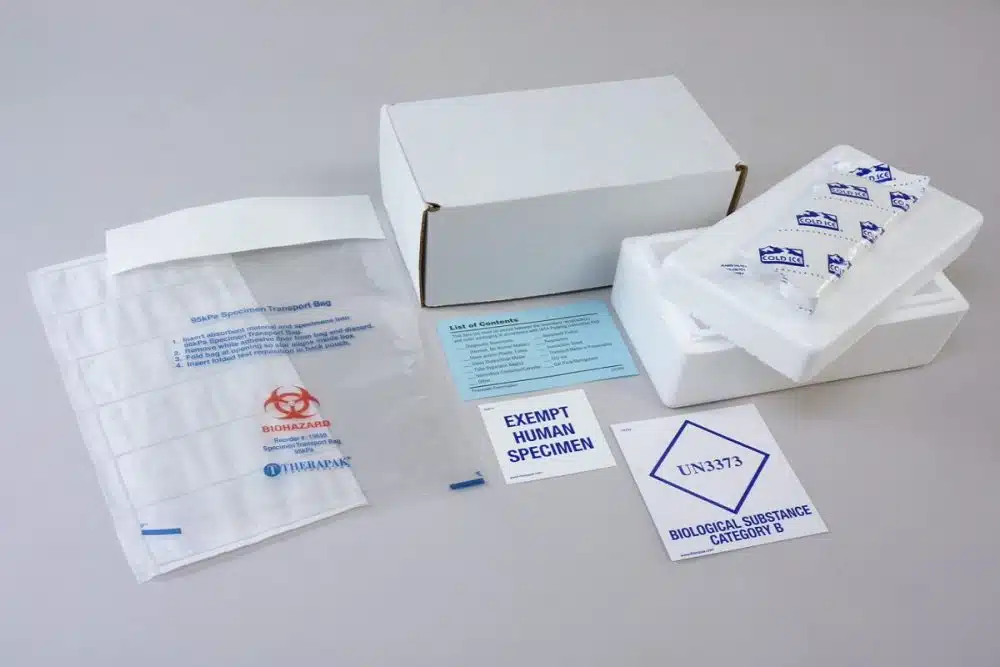
Shipping exempt human specimens can be challenging for any global logistic company because of the many special requirements you must meet. There have been several cases of shipments getting stopped at customs and sent back to their country of origin, which is not ideal for either party.
As a medical courier, you may occasionally need to ship human specimens. However, before shipping human cells, tissue, fluid, and other specimens, you need to know many things.
This article will discuss everything you need to know about exempt human specimen shipping per International Health Regulations.
Tips for Shipping Exempt Human Specimens
You can do a few things to make the shipping process easier and less likely to get stopped at customs. Here are some tips:
1. Ensure That Your Human Specimen Is Exempt From Inspection Under the IHR
It must be an exempted category if you’re shipping a human fluid, tissue, or body part to avoid inspection and possible delay at customs. Exempted categories include:
- Urine (including neonatal urine)
- Semen including spermatozoa
- Tissue or tissue fluid provided that it has been properly collected and stored to preserve the specimen’s integrity.
- Blood specimens taken from individual donors during their participation in bona fide medical research programs conducted under an Institutional Review Board (IRB) approved protocol is not required to meet all criteria for exemption. But they must meet all criteria for shipment under these Regulations.
- Any human remains that are for a crematorium
2. Use a Specimen Shipping Container Approved for International Transport
There are different types of specimen containers approved for international transport. The most common type is the IATA-DGR packaging. This type of container is for shipping dangerous goods by air. It has several features that make it ideal for transporting human specimens, including:
- It can be heat-sealed to ensure confidentiality.
- There is no liquid limit so that you can ship more or larger specimens in one container. However, to meet this requirement, it must have an inner liner that fills the box without getting crushed at any point during transport and provide impact protection for its contents.
There are other types of shipping containers that are ideal for shipping human specimens, but for the most part, they will need to meet all the same criteria as IATA-DGR packaging.
3. Ensure That Your Shipment Has the Right Documentation
There are different documents you need to include with your human specimen package, including:
- A completed Annex I label
- An invoice or commercial document containing sufficient information to enable customs officials at both ends of transport to identify the sender and consignee and the contents of the package on their database.
- A container safety report
4. Ensure That Your Shipment Is Correctly and Securely Labeled
The labels you use on your human specimen package must be firmly affixed to the outside of the packaging, not inside it. They should also be visible from both sides of the container. That will enable the inspectors to read without opening the box at each end.
Labels must include the following information:
- The words “Human Specimen.”
- Your name, company name, and contact information
- The type of specimen (urine, semen, tissue, blood)
- The collection date
- The name of the person who collected it
5. Do Not Mix Specimens in the Same Container
When shipping human specimens, they mustn’t contact each other or any other dangerous goods during transport.
If you’re shipping urine and semen together as a single specimen, for example, keep them separate from one another by placing an absorbent material between them, such as kitty litter.
6. Use the Right Packaging Materials
To protect your human specimens during transport, you must use suitable packing material. The most common type of packing material used by most global logistic companies to ship dangerous goods is “peanuts.”
However, if your specimen contains any liquids, you will need to use a different material such as foam or kitty litter. In addition, they must be tightly packed so that no contents spill out if the box drops.
The above are the basic steps you need to take when shipping exempt human specimens. It is best to consult with a regulatory specialist for more detailed information, including specific requirements for different types of specimens and countries.