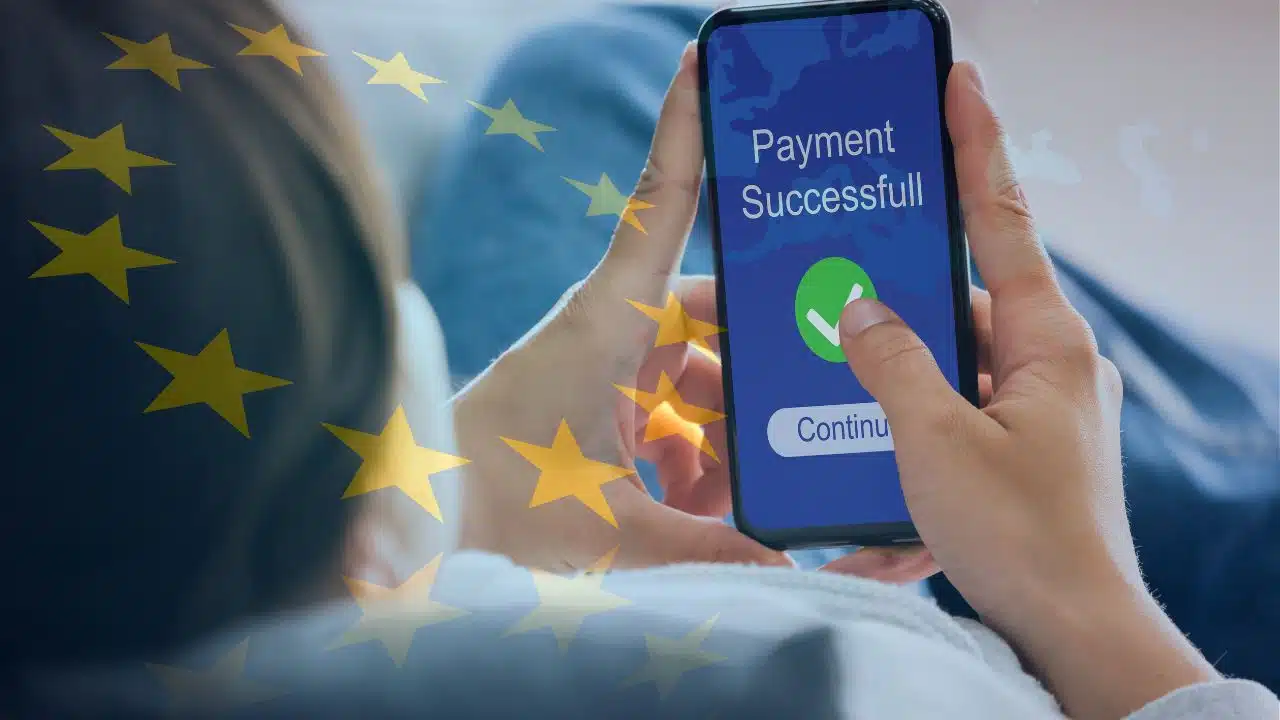
The way European customers pay is changing fast. Card payments are still common, but local schemes like iDEAL (Netherlands), Bancontact (Belgium), and BLIK (Poland) are deeply ingrained in shopping habits.
At the same time, Open Banking is taking off, offering instant, low-cost bank-to-bank transfers. For businesses, choosing the right European payment gateway is a strategic decision that affects conversion rates, customer trust, and operating margins.
This article takes a practical look at the European payments landscape in 2025. We’ll cover what customers expect, key market shifts, the pros and cons of leading providers, and why Open Banking gateways are becoming an attractive alternative.
Why Payment Gateways Matter More Than Ever
A payment gateway isn’t just another back-end tool. It’s the bridge between your customer’s preferred way to pay and your business’s cash flow. Get it right, and you boost conversion rates and reduce costs. Get it wrong, and you risk failed payments, abandoned checkouts, and frustrated customers.
For European merchants, three things stand out in 2025:
- Localisation is critical. Customers want familiar local payment methods. Offering only cards is no longer enough.
- Speed matters. SEPA Instant payments became mandatory in January 2025, so consumers now expect near-real-time settlement.
- Costs are under pressure. Cross-border fees, FX markups, and chargebacks can quickly eat into margins.
What European Customers Expect in 2025
Shoppers across Europe are diverse, but their payment expectations share common themes:
- Trust in local methods: iDEAL in the Netherlands, Bancontact in Belgium, BLIK in Poland, Giropay in Germany — these are non-negotiables for local buyers.
- Mobile-first experiences: Customers want to authorise payments in their bank app or wallet in seconds.
- Less reliance on cards: Card usage for ecommerce is forecast to fall to around 33% by 2026. Alternatives are on the rise.
- Instant confirmation: Waiting days for a payment to “clear” feels outdated; instant settlement is becoming the norm.
For merchants, this means choosing a payment gateway in Europe that can meet these expectations without overcomplicating operations.
Open Banking: Game Changer in Payments
Since PSD2 came into force in 2018, Open Banking has transformed the payments landscape. Growth has been explosive.
In the UK, Open Banking payments rose from 25.2 million in 2021 to 223.9 million in 2024.
By March 2025, there were 13.3 million active users, a 40% year-on-year increase.
Across Europe, Germany, France, and Italy together now process over 6.4 billion API calls annually.
Adoption is accelerating because Open Banking solves many of the problems merchants face with traditional payments. For example, card transactions can fail up to 14% of the time, while bank-to-bank payments are far more reliable.
Open banking authorisation takes place directly in the customer’s banking app, which reduces fraud risk and eliminates chargebacks altogether — a major pain point for businesses. On top of that, fees are significantly lower, with some providers offering rates starting from just 0.01%.
Comparing the Top European Payment Gateways
To help you cut through the noise, here’s how six of the most popular payment gateways in Europe compare in 2025:
| Provider | Strengths | Watch out for | Pricing (example) | Best for |
| Noda | Open Banking-first; instant settlement; no chargebacks; supports cards & wallets too | Newer brand vs global incumbents | From 0.1% | Cost-conscious businesses, e-commerce |
| Stripe | Developer-friendly APIs; supports 135+ currencies | High FX and cross-border fees; occasional account freezes | 1.5% + £0.20 (UK cards) | Scaling online businesses |
| Adyen | Local acquiring; unified commerce for POS + online | Complex onboarding; higher setup requirements | IC++ ~0.6% + €0.11 | Enterprises, marketplaces |
| PayPal/Braintree | Strong consumer trust; instant payouts to wallet | High FX markups; account holds | From 2.9% + £0.30 | Businesses needing PayPal badge |
| Mollie | Excellent localisation; 30+ APMs; easy plugins | Longer settlement times for cards | From 1.8% + €0.25 | SMEs in Benelux, Germany, Nordics |
| Worldpay | Strong in POS + card acquiring; hardware support | Complex contracts; hidden fees | From 1.5% | Retailers and omnichannel merchants |
This snapshot shows there’s no one-size-fits-all. The best choice depends on your industry, customer base, and appetite for cost savings vs convenience.
How to Choose the Right Payment Gateway for Your Business
When evaluating providers, keep these factors front of mind:
- Customer base: What countries are you selling into, and which local payment methods do those buyers expect?
- Fee structure: Look beyond headline rates — check FX markups, cross-border charges, and chargeback fees.
- Settlement speed: How long before money reaches your account? Daily, weekly, or instant?
- Integration needs: Do you need plug-and-play plugins, or are you building a custom setup?
- Risk appetite: If avoiding chargebacks is a priority, Open Banking solutions are stronger than card-heavy gateways.
Future of European Payments
Two big shifts are reshaping the way Europe pays online. First, cards are steadily losing ground. Once the default for ecommerce, they’re now giving way to faster and more convenient alternatives. By 2026, cards are expected to account for only a third of online payments in Europe — a dramatic shift that signals a new era for merchants and customers alike.
At the same time, Open Banking has firmly moved from buzzword to a popular payment method. With SEPA Instant now mandatory across the EU and millions of customers already comfortable using their bank apps to pay, bank-to-bank payments are no longer niche. They’re becoming the standard.
Conclusion: Keep More of Every Sale
European payment gateways are no longer just about accepting cards. The winners in 2025 are those that combine localisation, speed, and cost efficiency. Traditional players like Stripe, Adyen, and PayPal still have their place, but they often come with higher fees and complex structures.
Open Banking providers offer a smarter alternative. By enabling instant bank payments alongside cards and wallets, they give merchants flexibility, reduce fraud and chargebacks, and keep costs to a minimum.