EU governments discuss using visa and trade levers against flag states linked to sanction-busting tankers, after the bloc expanded penalties targeting operators and vessels.
Lead
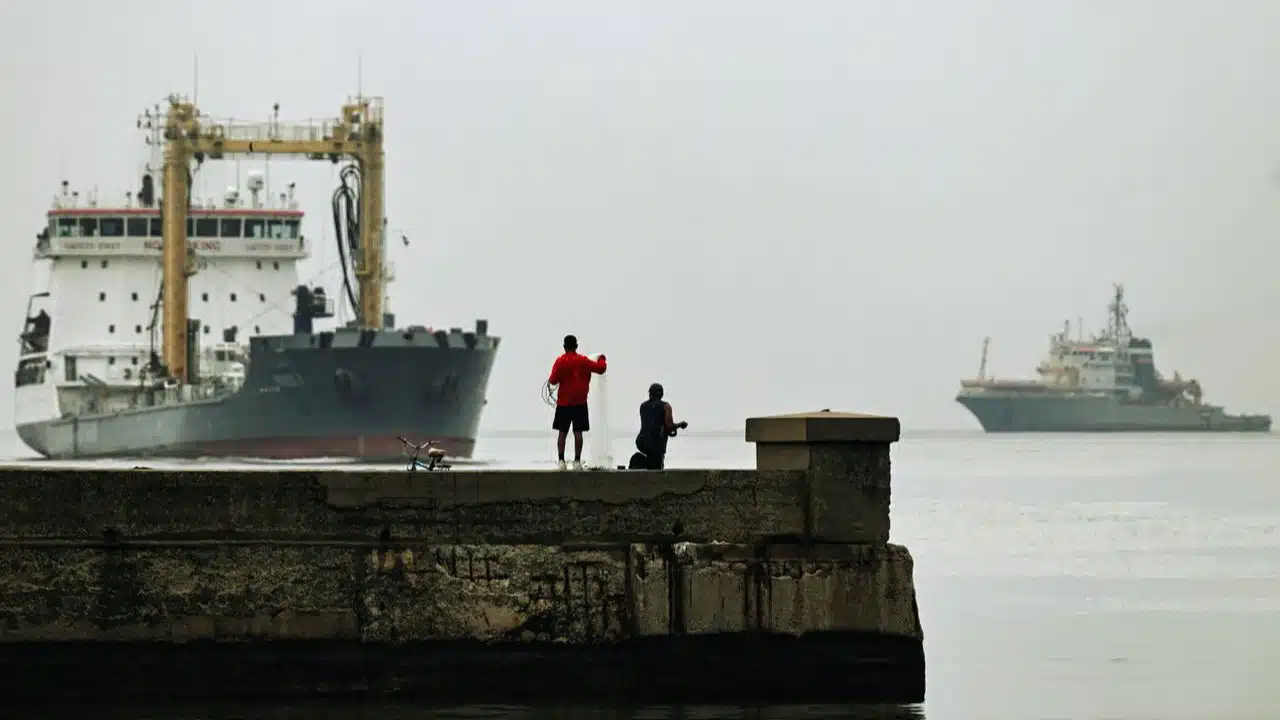
The European Union is discussing whether to use visa policy tools against countries seen as enabling Russia’s shadow fleet of oil tankers that helps Moscow keep exporting crude despite Western sanctions, according to comments by Estonia’s prime minister. The talks come as the bloc has continued to expand sanctions targeting people, companies and ships linked to the shadow fleet, including new measures adopted by EU foreign ministers in Brussels this week.
What is being discussed
Estonian Prime Minister Kristen Michal said EU member states are discussing additional steps that could include trade policies, visa policies and denial of services aimed at the flag states associated with shadow-fleet ships. The idea reflects a broader EU push to raise the cost for jurisdictions that provide registration and other forms of cover for tankers used in sanctions evasion—often referred to as flags of convenience, where ships register in countries other than the true owner’s base.
EU foreign-policy chief Kaja Kallas has separately argued for more agile action on the shadow fleet, including faster, more continuous listings of vessels rather than waiting for major sanctions packages. Kallas also said the EU has conducted extensive diplomatic talks with flag states that register vessels and wants pre-boarding agreements to provide a legal basis to board and search a vessel of another country.
Why the EU is escalating pressure
Oil revenue remains central to Russia’s ability to finance its war in Ukraine, and EU officials have emphasized that restricting the shadow fleet is meant to reduce the funds available to Moscow. Kallas said briefings to EU ministers showed sanctions were having measurable effects on Russian oil revenues and argued that slowing the shadow fleet costs Russia revenues.
The EU and its partners have focused on shadow-fleet shipping because a significant share of Russia’s seaborne oil exports moves outside the mainstream Western-dominated shipping and insurance ecosystem. EU decisions and reporting around recent packages have also highlighted safety concerns tied to irregular and high-risk shipping practices, a phrase used by EU institutions when describing shadow-fleet operations.
What the EU has sanctioned so far
This week, EU foreign ministers adopted sanctions targeting nine individuals and entities linked to Russia’s shadow fleet, according to Reuters reporting citing EU documents and the EU’s official journal. Separate reporting on the same decisions said the EU planned to add around 40 more vessels in the following days, bringing the total number of ships hit by punitive measures to around 600, with updates expected on a rolling basis.
Earlier in 2025, the EU adopted a 17th sanctions package that targeted the shadow fleet by adding 189 vessels, bringing the total number of targeted vessels at that time to 324, according to Reuters. That same Reuters report said the EU had been engaging with countries that provide tanker registrations to limit Moscow’s access to flags of convenience.
Key timeline
| Date | EU action / signal | What it targeted | Why it matters |
| May 20, 2025 | EU adopted new Russia sanctions including a 17th package targeting the shadow fleet. | 189 vessels added; total targeted vessels reached 324 at that point. | Signaled sustained focus on ships and registries that keep oil flowing. |
| Nov 19, 2025 | Kaja Kallas said the EU had already sanctioned over 550 ships and wanted pre-boarding agreements with flag states. | Shadow fleet vessels and enablers, plus outreach to flag states. | Shows a shift toward operational enforcement and diplomacy with registries. |
| Dec 15, 2025 | EU foreign ministers adopted new sanctions targeting shadow-fleet-linked individuals/entities; more ships expected to be added. | 9 individuals/entities; ~40 additional vessels discussed in reporting. | Reinforces rolling expansion of listings and pressure on the ecosystem. |
| Dec 16, 2025 | Estonia’s PM said visa policies and denial of services to flag states are among measures discussed at EU level. | Potential visa/trade/service restrictions linked to flag states. | Introduces a broader toolbox beyond ship listings and asset freezes. |
How visa bans could work in practice
Michal’s reference to visa policies suggests the EU could consider restrictions that raise diplomatic and personal costs for officials and other actors tied to jurisdictions seen as enabling shadow-fleet operations. While the EU already uses travel restrictions as part of sanctions—often alongside asset freezes—Michal’s comments point to widening pressure beyond ship operators to include state-linked facilitators through policy levers.
Kallas has also described a broader approach that could combine sanctions with non-sanctions measures—such as environmental, insurance, and maritime-security tools—to slow down these ships. In parallel, Reuters has reported on discussions among the EU and G7 about tightening maritime services tied to Russian oil exports, indicating that policymakers are examining additional chokepoints in shipping and logistics.
What happens next
EU discussions on targeting visa and service access for flag states come amid a continued expansion of listings and a push for faster, more frequent designations of vessels and enablers. Any EU-wide shift toward visa bans or broader restrictions aimed at specific countries would likely require agreement among member states and careful legal design to align with EU competences and existing sanctions frameworks.
For now, the immediate trajectory signaled by EU officials and recent decisions is more ship and enabler listings, deeper engagement with registries, and efforts to secure legal mechanisms—like pre-boarding arrangements—to increase scrutiny of suspect tankers.