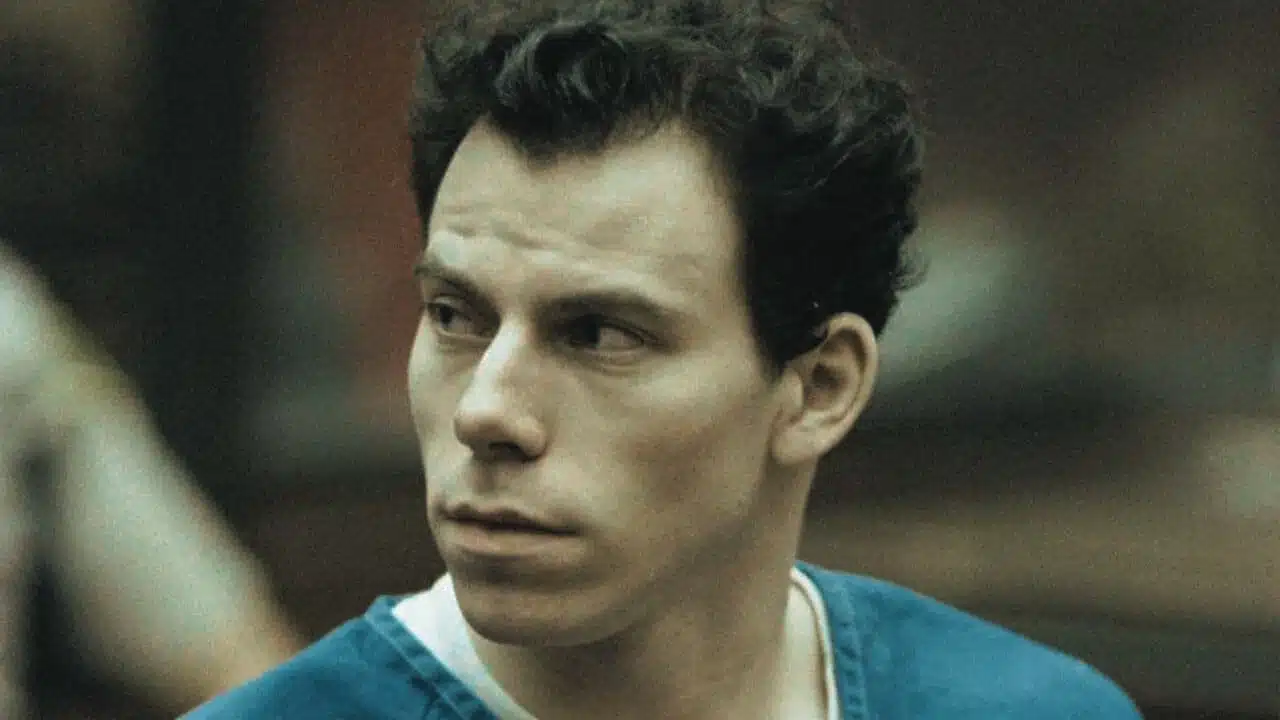
As his long-awaited parole hearing approaches, Erik Menendez, one of the two brothers convicted in the 1989 murders of their parents, has been hospitalized for treatment related to a serious medical issue. The 54-year-old inmate, who has now spent over three decades in prison, is reportedly dealing with severe kidney stones and related complications that require urgent and extensive medical care. His legal team has filed a request for temporary release due to his medical condition, seeking intervention from California’s governor.
Medical Crisis Raises Legal Urgency
According to multiple sources familiar with his condition, Erik Menendez was transferred from the Richard J. Donovan Correctional Facility in San Diego to a local hospital on July 18, 2025, after his health significantly deteriorated. The reported medical issue—kidney stones—has led to complications that go beyond routine treatment, including potential infections, internal bleeding, or blockages, which are common with untreated or severe cases.
Medical staff classified his condition as “fair but serious”, indicating that while he is stable, he remains at risk for further complications. The prison’s medical unit has limited resources for handling complex urological cases, especially those that may require emergency procedures, specialized diagnostics, or extended monitoring outside a prison setting. As a result, Erik’s attorneys argue that continued incarceration under these circumstances may hinder his access to the quality of medical care he needs.
Legal Team Seeks Medical Furlough
In response to Erik’s deteriorating health, his defense attorney, Mark Geragos, has initiated formal steps to seek a medical furlough on behalf of his client. The request, which was submitted to California Governor Gavin Newsom, asks that Erik be temporarily released from custody to receive proper medical treatment and to prepare for the upcoming parole board hearing scheduled for August 21–22.
The furlough request emphasizes the importance of health stability for a fair and thorough parole review process. Under California law, medical furloughs may be granted in cases where inmates are suffering from significant medical conditions that require treatments unavailable in state facilities, or when their ability to engage in legal processes is compromised.
Governor Newsom has not yet responded publicly to the petition but is expected to consider the request within the broader context of the Menendez brothers’ high-profile legal saga and the upcoming parole hearing.
Timeline to Possible Parole
The California Board of Parole Hearings has scheduled a hearing for August 21–22, 2025, during which both Erik and his older brother Lyle Menendez, now 57, will appear before state officials to make their case for release. If the board finds the brothers suitable for parole, the recommendation will then be forwarded to Governor Gavin Newsom, who holds the authority to approve or reject the decision.
This upcoming hearing is a historic turning point for the Menendez case, as it represents the first opportunity in decades for the brothers to be considered for release under revised sentencing and youthful offender laws.
Resentencing Reopened the Door to Parole
The brothers were originally convicted in 1996 for the 1989 shotgun killings of their parents, José and Mary Louise “Kitty” Menendez, inside their Beverly Hills mansion. Both were sentenced to life in prison without the possibility of parole, a punishment reflecting the court’s view of the murders as premeditated and brutally executed.
However, in May 2025, a Los Angeles Superior Court judge revised their sentences under California’s youthful offender statute. The law allows those who committed crimes before the age of 26 to be reconsidered for parole based on neurological and psychological maturity, rehabilitation efforts, and time served. Since Erik was 18 and Lyle 21 at the time of the murders, they qualified under the law.
The court’s decision to reduce their sentences to 50 years to life made them immediately eligible for parole, as they had already served more than 35 years behind bars. During the resentencing hearing, family members, legal advocates, and psychologists provided testimony suggesting the brothers had been rehabilitated and had shown remorse, while also referencing the brothers’ long-standing claims of childhood abuse.
Growing Public Interest Following Netflix Series
The renewed attention to the Menendez case over the past year has also shaped public sentiment. A widely viewed Netflix docuseries, titled “Monsters: The Lyle and Erik Menendez Story,” was released in 2024. The show revisited the events of the double homicide, court proceedings, and media circus that followed. It also delved deeper into the brothers’ claims of physical and sexual abuse by their father, offering perspectives that were not fully considered during the original trials.
In parallel, several YouTube documentaries and investigative podcasts brought forward new evidence and witness testimonies, some of which have been introduced as part of a pending habeas corpus petition filed in May 2023. A Los Angeles judge has required prosecutors to respond to this petition, which could potentially reopen aspects of the original case if the claims are substantiated.
The petition alleges that the brothers acted under duress and mental trauma caused by years of sexual, physical, and emotional abuse. If these claims are formally accepted by the court, they may add significant weight to the parole board’s assessment and future legal proceedings.
Governor Newsom’s Role in the Final Decision
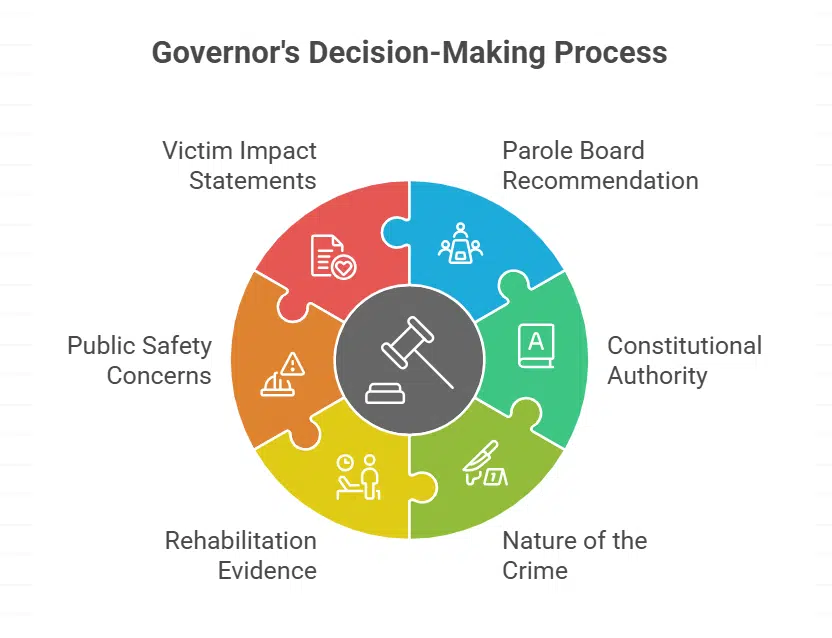
As the parole process continues, the final decision will rest with Governor Newsom, should the parole board recommend release. The governor has the constitutional authority to approve, reverse, or modify the board’s recommendation in cases involving inmates convicted of murder.
While Newsom has not taken a public stance on the Menendez case, he has stated in past remarks that such cases will be assessed on a case-by-case basis, considering the nature of the crime, rehabilitation evidence, public safety concerns, and victim impact statements. Sources close to the governor suggest that a decision would likely come by early September, potentially around Labor Day.
Public Opinion Remains Divided
Despite renewed sympathy for the Menendez brothers from some members of the public, including those who believe the claims of abuse merit leniency, others remain firmly opposed to any form of early release. Critics argue that the killings were calculated acts of violence, committed not in the heat of the moment, but with deliberate planning and execution.
Supporters of the brothers point to their long records of good behavior in prison, where both have pursued education, mentoring, and support programs. Erik has earned a college degree during his incarceration and helped tutor other inmates, while Lyle has participated in various rehabilitative efforts. These efforts are being weighed by the parole board alongside the gravity of the original crimes.
What Comes Next?
-
Medical Furlough Decision – Governor Newsom is expected to review Erik Menendez’s emergency furlough request in the coming days, based on documentation from his legal team and the prison medical system.
-
Parole Hearing in August – Both brothers will present their cases to the parole board with representation and support from family and legal advocates.
-
Habeas Corpus Petition Review – Courts may reopen part of the Menendez case based on new evidence relating to alleged abuse, which could further impact future parole decisions or even conviction status.
-
Governor’s Final Ruling – If the parole board recommends release, Governor Newsom will make the final determination, considering legal, ethical, and public safety factors.
The hospitalization of Erik Menendez ahead of a critical parole hearing has added a new dimension to an already complex and emotionally charged legal saga. With more than 35 years served and new legal pathways emerging, the next few weeks will be pivotal in determining whether the Menendez brothers will be granted a chance at life outside prison walls or remain incarcerated for the remainder of their sentence.
As public opinion evolves and new evidence continues to surface, this decades-old case continues to provoke reflection on justice, accountability, trauma, and rehabilitation in the American legal system.