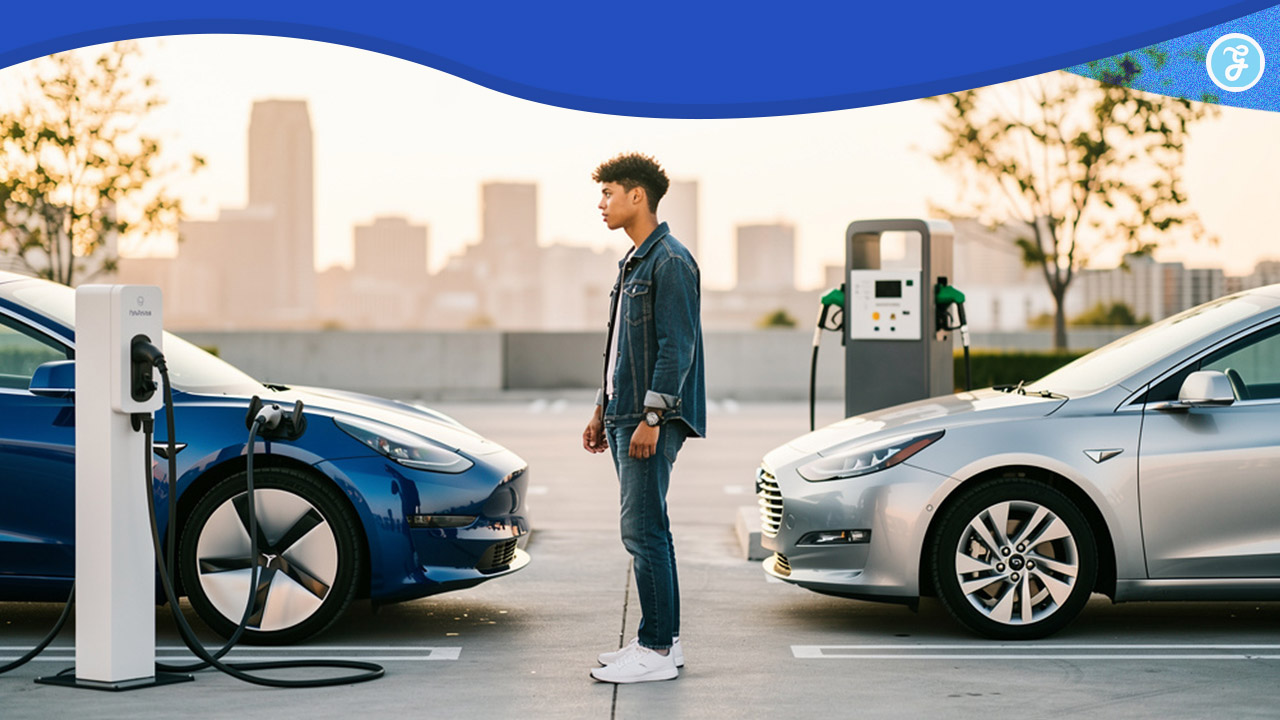
Facing a major choice at the car lot? Electric Vehicles and Hybrid Cars both offer compelling advantages—but in very different ways. Electric vehicles shine with innovation and zero emissions, while hybrid cars provide a familiar driving experience with improved fuel efficiency. With rising gas prices and growing environmental concerns, the decision becomes even more important—especially for daily commuters.
Choosing the wrong option can lead to long-term regret. It’s like picking between a fast rocket and a reliable bike—both will get you there, but the journey differs.
Hybrid car sales surged 33% in the U.S. from January to July 2024, capturing 11% of new car sales, highlighting their growing popularity.
This guide compares Electric Vehicles Vs Hybrid Cars across power sources, driving range, costs, environmental impact, and charging infrastructure—helping drivers make a confident, informed decision.
Basics of Electric Vehicles and Hybrid Cars
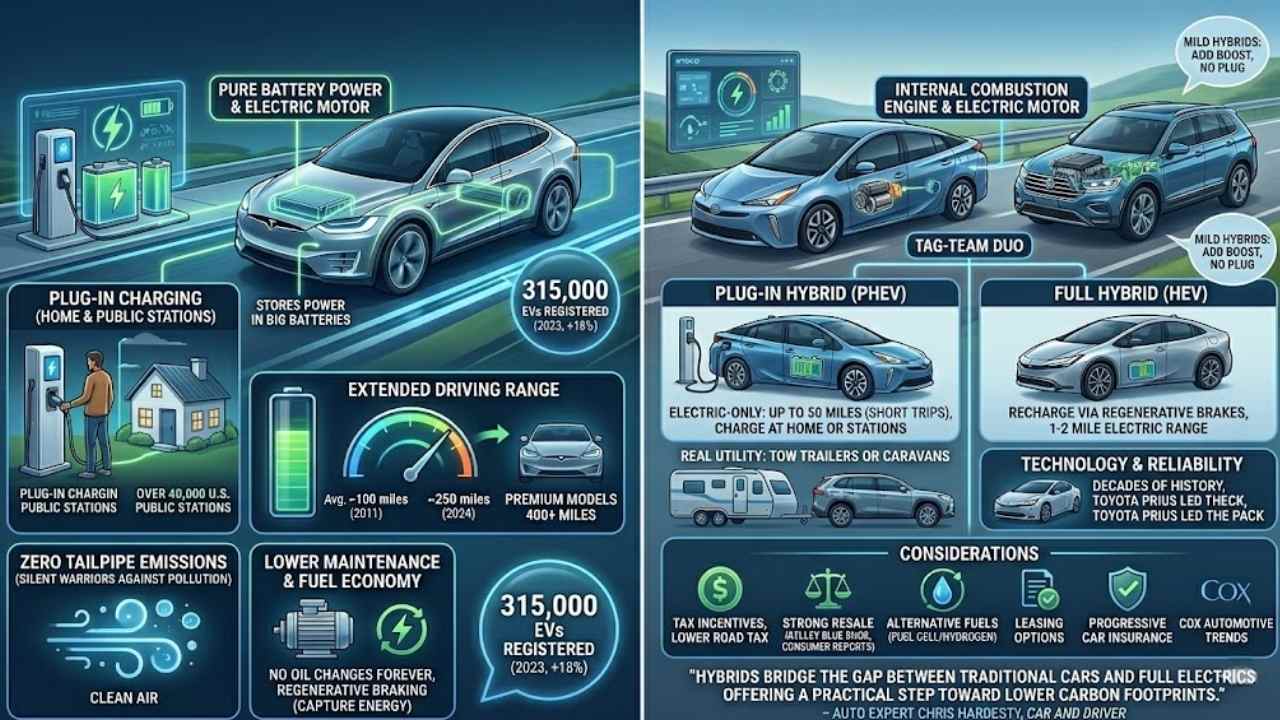
Electric vehicles, or EVs, run purely on battery power and an electric motor, ditching the gas pump for a cleaner ride that feels like gliding on air. Hybrid cars mix a traditional gas engine with electric boosts, switching seamlessly to save fuel, much like a tag-team duo in a wrestling match.
Definition of an Electric Vehicle (EV)
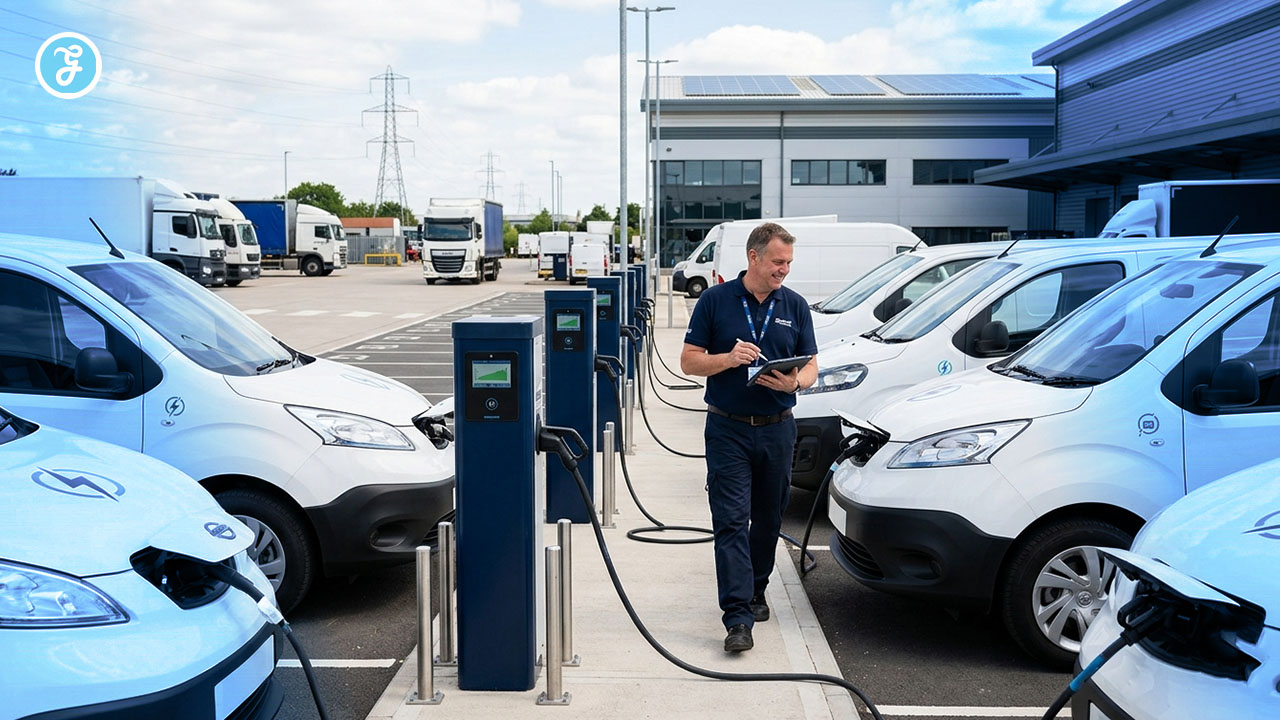
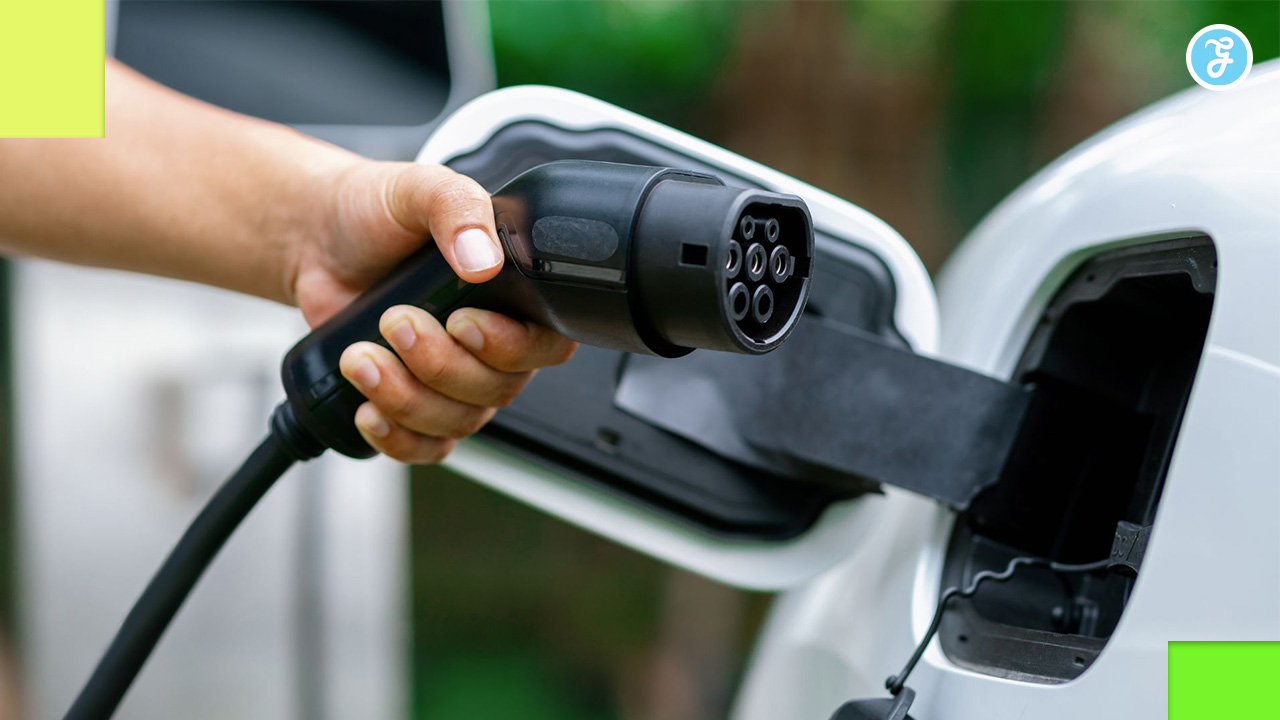
Battery electric vehicles, or BEVs, run fully on an electric motor. They store power in big batteries, and you plug them into a power supply for charging. Folks charge them at home or at public charging stations.
Over 40,000 public charging stations dot the U.S. landscape right now. These cars produce zero tailpipe emissions, which helps clean up the air we all breathe. Think of them as silent warriors against pollution, zipping along without a drop of gasoline.
As of 2023, people registered 315,000 EVs, up 18 percent from the year before. The average driving range jumped from about 100 miles in 2011 to around 250 miles in 2024. Some fancy models, like premium electric cars, now push past 400 miles on a single charge.
You get features such as regenerative braking, which captures energy during stops to boost efficiency. Fuel economy soars, and maintenance costs drop since there’s no internal combustion engine to fuss over.
Imagine ditching oil changes forever, now that’s a sweet deal for your wallet and the planet.
Definition of a Hybrid Car
A hybrid car combines an internal-combustion engine with an electric motor for better driving efficiency. Think of it like a tag-team duo, where the gas or diesel engine works alongside the battery-powered motor to save fuel and cut emissions.
Two main types exist, plug-in hybrid electric vehicles, or PHEVs, and fully hybrids, known as HEVs. PHEVs use both electricity and petrol or diesel, with a smaller battery than full EVs.
They travel up to 50 miles on battery power alone, perfect for short trips. You charge them at home or stations, much like plugging in your phone. Fully hybrids pair a combustion engine and electric motor with a small battery.
Regenerative brakes charge that battery during drives. These cars offer an electric-only range of just 1-2 miles. Hybrids can tow trailers or caravans, adding real utility for road trips.
People love hybrids for their reliability. The technology has powered cars for decades, think of the Toyota Prius leading the pack. Mild hybrids add a boost, but they don’t plug in.
Consider your needs, like access to home charging or long hauls. Tax incentives and lower road tax sweeten the deal. Resale value stays strong, per Kelley Blue Book and Consumer Reports.
Chris Hardesty from Car and Driver notes their appeal. Alternative fuel vehicles, including fuel cell electric vehicles with hydrogen, expand options. Leasing beats upfront cost for many.
Progressive car insurance often covers these rides well. Cox Automotive tracks trends in this space.
Hybrids bridge the gap between traditional cars and full electrics, offering a practical step toward lower carbon footprints, says auto expert Chris Hardesty.
Comparing Electric Vehicles and Hybrid Cars
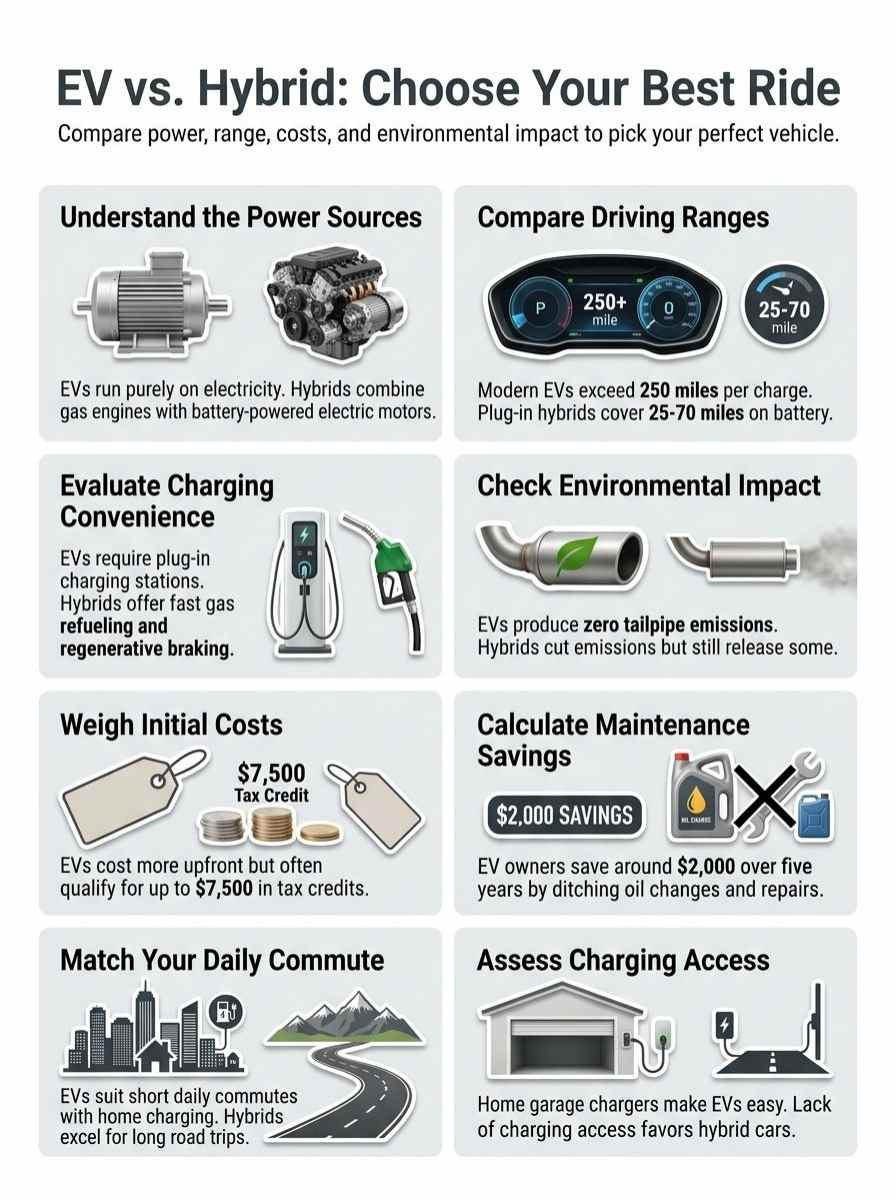
Ever wondered how a full electric car zips along on battery power alone, while a plug-in hybrid electric vehicle switches between gas and electric for that extra kick? Let’s break it down, from one-pedal driving in EVs that feels like magic, to the quick refuel stops hybrids offer, making your choice clearer than ever.
Power Source and Operation Differences
Let’s jump right into how electric vehicles and hybrid cars differ in their power sources and how they run, folks.
| Aspect | Electric Vehicles (BEVs) | Hybrid Cars |
|---|---|---|
| Power Source | They run only on electricity from batteries. You charge them externally, like plugging in your phone, but for your ride. | They mix a gasoline engine with an electric motor. Plug-in types (PHEVs) let you charge the battery too, while full hybrids (HEVs) use a small battery charged by braking. |
| Operation Basics | These cars zoom along with zero gas. Batteries power the motor directly, making rides quiet and smooth, like gliding on air. | Gas engines team up with electric motors for better efficiency. In PHEVs, you get 25-70 miles of pure electric drive before gas kicks in. HEVs recharge batteries through regenerative braking, no plug needed. |
| Efficiency Notes | They turn most stored energy into motion without waste. No heat loss from braking, since they capture it back into the battery. | Gas engines convert less than one-third of fuel energy into movement. They lose some as heat during braking, but hybrids recapture that with regenerative systems, like a clever energy recycle loop. |
Driving Range Differences
Range hits the spot when picking between electric vehicles and hybrid cars, so let’s break it down side by side.
| Aspect | Electric Vehicles (EVs) | Hybrid Cars |
|---|---|---|
| Typical Range | Most modern EVs exceed 250 miles per charge. Premium models, like the Tesla Model 3, surpass 400 miles on a single charge. | Full hybrids offer a minimal electric-only range of 1-2 miles. Plug-in hybrids (PHEVs) provide 25-70 miles on battery alone, then switch to gasoline for longer trips. |
| Daily Trip Fit | EVs cover long hauls well if you charge overnight. Imagine zipping 300 miles without a pit stop, perfect for road warriors. | PHEVs handle the average UK car trip of 8 miles on battery power alone. They act like a trusty sidekick, kicking in gas for those unexpected detours. |
| Range Anxiety Factor | Battery packs drain on highways, but apps track stations. You feel like a pioneer, planning routes around fast chargers. | Hybrids blend battery and gas, easing worries. Picture chatting with a friend: “No sweat, I’ve got backup fuel.” |
| Real-World Example | A Lucid Air hits over 500 miles, outpacing many gas cars. Drivers share stories of cross-state jaunts on one charge. | Toyota Prius PHEVs cruise 40 miles electric, then gas up like old times. Folks love them for city commutes without constant plugs. |
Charging vs. Refueling Methods
Let’s talk about how you charge electric vehicles compared to refueling hybrid cars, a key factor in your daily drive.
| Aspect | Electric Vehicles (BEVs) | Hybrid Cars |
|---|---|---|
| Primary Method | Plug in to recharge the battery. Use a dedicated charger at home or a basic 3-pin socket. Head to public charging stations for on-the-go power. | Depend on type. Plug-in hybrids (PHEVs) recharge via plug-in spots or refuel with gasoline or diesel. Full hybrids recharge small batteries only through regenerative braking; no plug-in option exists. |
| Convenience Factors | Charging takes time, often hours. It gets tricky without home access, like in apartments. Imagine waiting at a station, sipping coffee, while your car juices up. | PHEVs offer flexibility, switch between electric mode and fuel. Full hybrids skip plugs altogether, rely on braking to recapture energy. Mild hybrids need you to build a charging habit for best results, especially if you come from gas-only cars. |
| Daily Impact | Plan your routes around chargers. No quick stops like at gas pumps. Think of it as a marathon, not a sprint, for your commute. | Refuel fast at any station for hybrids with gas tanks. PHEVs blend both worlds, cut down trips if you plug in often. Full hybrids keep going without plugs, thanks to that clever braking tech. |
| Challenges | Without a garage charger, you might feel stuck. Public spots vary by location, sometimes crowded or slow. | Drivers new to mild hybrids forget to charge regularly, missing efficiency gains. PHEVs shine if you access plugs, but fall back on fuel otherwise. |
Benefits and Drawbacks of Electric Vehicles
Electric vehicles zip along with zero tailpipe emissions, saving you money on fuel while giving the planet a breather, but their high upfront costs and limited charging spots can feel like a roadblock on a long trip.
Imagine cruising silently through city streets, yet scratching your head over battery range anxiety during a cross-country adventure—curious about the full scoop?
Advantages of Electric Vehicles
EVs offer big perks that make them a smart pick for many drivers. You get zero tailpipe emissions, plus savings that add up fast over time.
- EVs shine as the top environmental choice, cutting out all tailpipe emissions to help fight climate change, and they beat hybrids in sustainability with their clean operation.
- Owners skip road tax on EVs until April 1, 2025, when it jumps to just $20 a year, a sweet deal that keeps more cash in your pocket compared to gas guzzlers.
- Folks who register new EVs after April 1, 2025, face a standard road tax of $180 per year, but that’s still a bargain against traditional cars’ ongoing fees.
- You can pocket around $2,000 in savings over five years with EVs, thanks to ditching oil changes, spark plugs, and transmission fixes that plague other vehicles.
- Many EVs qualify for federal tax credits up to $7,500, slashing the upfront cost and making that shiny new ride more affordable right from the start.
- Long-term maintenance costs drop lower for EVs than for hybrids or gasoline cars, freeing up your budget for fun road trips instead of shop visits.
- These vehicles feel future-proof, riding the wave of growing adoption and strong regulatory support that pushes tech forward.
- Check out kbb.com for real-world values, where EVs often hold their worth better due to rising demand at places like the auto test center.
- Unlike a plug-in hybrid electric vehicle (PHEV), pure EVs deliver instant torque for that zippy feel, like a rocket on wheels, without any gas engine lag.
- Tax credits make EVs even more enticing, stacking with low running costs to turn your daily commute into a money-saving adventure.
Disadvantages of Electric Vehicles
Electric vehicles promise a clean ride, but they come with real hurdles that might surprise you. Picture yourself stuck in traffic, watching your battery drain faster than expected, and you’ll see why these drawbacks matter.
- Rapid innovation in the electric vehicle industry causes quick obsolescence of models, so your shiny new EV might feel outdated in just a couple of years, pushing folks toward leasing instead of buying to keep up with constant advancements in technology.
- Official range figures, based on WLTP testing, often don’t match real-life performance, since driving style, weather conditions, and traffic can slash that distance by a big chunk, leaving you anxious on long trips.
- Many EVs lack strong towing capability, unlike hybrids that handle trailers with ease, so if you haul boats or campers, you might find yourself limited and frustrated.
- Charging proves inconvenient for people without home setups, forcing reliance on public stations that eat up time and add hassle, especially compared to the quick refuel of a hybrid car or even a plug-in hybrid (PHEV) that mixes gas and electric options.
Benefits and Drawbacks of Hybrid Cars
Hybrid cars mix gas engines with electric motors for better fuel economy, like a tag team that stretches every gallon. They cut emissions and ease range anxiety on long trips, yet face battery replacement costs down the road.
Advantages of Hybrid Cars
Hybrid cars offer a smart middle ground for drivers. They blend gas power with electric boosts, making them appealing choices.
- Sales of hybrid cars jumped 33% in the U.S. from January to July 2024 over the prior year, now hitting 11% of new car sales, which shows folks love their practical perks, like saving cash at the pump while easing into greener driving.
- Folks pick conventional hybrids for their strong track record, as they prove more reliable than fresh EVs or plug-in hybrids that sometimes face early glitches, giving you peace of mind on long trips without surprise breakdowns.
- This tech has powered rides for decades with solid results, so you get that tried-and-true feel, like an old friend who never lets you down, perfect if you want dependability without the new-kid jitters.
- You can hook up trailers or caravans to hybrids, adding real-world usefulness for weekend getaways or work hauls, unlike some EVs that struggle with heavy loads, so imagine towing your boat to the lake hassle-free.
- Regenerative braking captures energy during stops, boosting fuel savings in city jams where you brake a lot, turning those red lights into chances to stretch your gas tank further, almost like getting free miles.
- These cars fit drivers who feel uneasy about jumping straight to full electrics, acting as a gentle bridge with familiar refueling plus eco benefits, so you dip your toes in without diving headfirst.
Disadvantages of Hybrid Cars
Hybrid cars come with some downsides that might make you think twice. You face real challenges, like extra costs and handling issues, so let’s break them down.
- Extra weight from the battery pack hurts handling and comfort, especially on bumpy roads or sharp turns, making your ride feel less smooth and more like wrestling a heavy backpack.
- Full hybrids offer just 1-2 miles of electric-only driving, which cramps your zero-emission fun, leaving you stuck relying on gas most of the time, like a short sprint before the marathon kicks in.
- Mild hybrids demand new routines, you know, like plugging in that battery often to keep things efficient, or else you lose out on fuel savings, turning what should be easy into a daily chore that tests your patience.
- Road taxes add up for hybrids registered after April 1, 2021, hitting you with £0-£120 in the first year, then £170 annually after that, sure it’s £10 cheaper than gas guzzlers, but it still pinches your wallet year after year.
- Sales of new hybrid vehicles end after 2035, so imagine, your shiny ride becomes outdated fast, limiting resale value and forcing you to jump ship sooner than you’d like, as if the car’s got an expiration date stamped on it.
Environmental Impact of Electric and Hybrid Cars
Electric cars cut down on tailpipe fumes, like a breath of fresh air for city streets, while hybrids blend gas and battery power to slash carbon dioxide output. Think about this: switching to either could shrink your carbon footprint, much like planting trees without lifting a shovel, so keep reading to see how they stack up against gas guzzlers in the green race.
Emissions and Sustainability Comparison
EVs produce zero tailpipe emissions. This fact leads to better air quality in cities. Picture a bustling street without that smoky haze from car exhaust; that’s the EV advantage. Hybrids cut emissions compared to gasoline or diesel cars. Yet, they still release more pollutants than EVs. EVs win big on emissions and sustainability. Folks, imagine EVs as the eco-heroes charging ahead, future-proof and clean. Hybrids lag behind in this race.
Gasoline engines in hybrids turn less than a third of fuel energy into actual movement. Electric motors beat that efficiency hands down. Regenerative braking in hybrids captures lost energy during stops. This boosts their sustainability over old-school cars. Think of it like recycling on wheels, a smart trick that helps the planet. Hybrids improve the game, but EVs dominate with pure electric power.
Analyzing Costs of Electric and Hybrid Cars
Let’s break down the dollars and cents, folks, because picking between an EV and a hybrid often hinges on your wallet. Imagine this, you’re eyeing that shiny Tesla or a trusty Prius, but fuel savings and repair bills could tip the scales in ways you never expected, so keep reading to crunch those numbers.
Initial Purchase Costs
Electric vehicles often cost more upfront than hybrid cars. Take the Vauxhall Astra, for example. Its petrol version starts at £26,960. The plug-in hybrid electric vehicle, or PHEV, jumps to £37,935. That adds up to an £11,000 difference, like paying extra for a fancy upgrade you might not need right away. Hybrids can feel more wallet-friendly at the start. The base model Toyota Prius comes in at about $28,000. It fits budgets without breaking the bank.
Buyers get some breaks with EVs, though. Federal tax incentives reach up to $7,500 for qualifying electric vehicles. This cuts the sting of that higher sticker price, almost like finding money in an old coat pocket. Grants for home charger installation top out at £350. They help cover setup costs from the get-go. Think of it as a little nudge to go electric, easing the initial hit to your savings. Hybrids skip most of these perks, so you pay full freight upfront.
Maintenance and Operational Costs
EV owners save big on upkeep, folks. They skip oil changes, spark plugs, and transmission fixes. Projections show savings of about $2,000 over five years. Imagine, you pull into your garage and forget those pricey garage visits, like dodging a bullet. Hybrids cut costs too with regenerative braking. This tech eases brake wear and slashes fuel bills in city traffic.
Now, let’s talk taxes and trips. Hybrids registered after April 1, 2021, face £170 yearly road tax, £10 less than gas or diesel rivals. EVs get a sweet deal with no road tax until April 1, 2025, then it jumps to £20, or £180 for new ones after that date. The average UK car ride spans just 8 miles. Plug-in hybrids cover that on battery alone, ditching gas and trimming running costs, easy as pie.
How to Choose Between an Electric Vehicle and a Hybrid Car
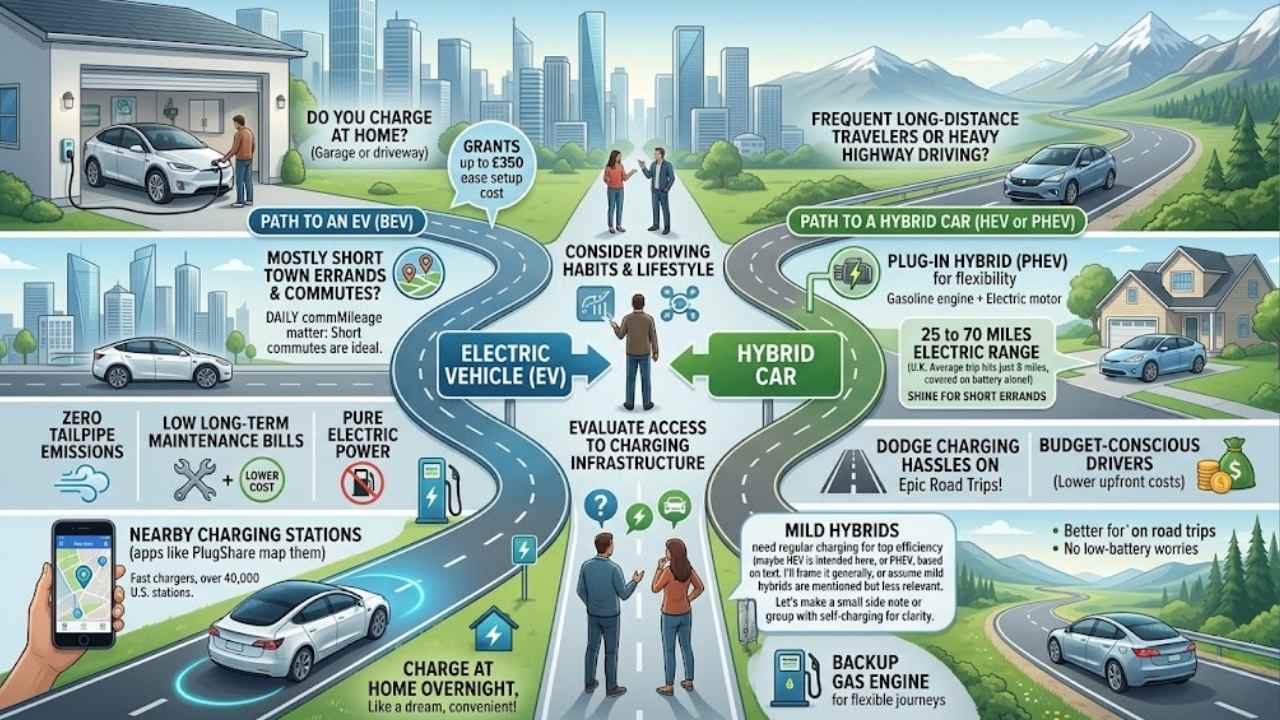
Think about your daily commute, like if you zip around town or hit the highway for long hauls, because that shapes whether a battery electric vehicle fits your groove or if a plug-in hybrid offers the backup gas engine you might crave.
Check out nearby charging stations on apps like PlugShare, yeah, to see if fast chargers line your routes, and picture yourself plugging in at home overnight—does that sound like a dream or a hassle?
Consideration of Driving Habits and Lifestyle
Your daily drives shape the best car choice, folks. Imagine this, you zip around town for short errands most days. Plug-in hybrids, or PHEVs, shine here with their 25 to 70 miles of electric range.
Add a gasoline engine for those rare long hauls, and you stay flexible. The average trip in the U.K. hits just 8 miles, a distance most PHEVs cover on battery power alone. Folks without easy home charging spots often pick hybrids like HEVs or PHEVs for that reason.
They suit frequent long-distance travelers or budget-conscious drivers who want lower upfront costs.
Electric vehicles fit like a glove if you charge at home and crave zero emissions with low long-term maintenance bills. Daily mileage matters a ton; short commutes make EVs a smart pick.
Electricity access plays a big role too, just like your total budget. Imagine chatting with a friend over coffee, “Hey, my drives are mostly local, so I went electric to cut costs and help the planet.” Hybrids step in for folks dodging charging hassles on epic road trips.
Evaluating Access to Charging Infrastructure
Think about your daily routine first. Do you have a garage or driveway for a home charger? Over 40,000 public charging stations dot the U.S., sure, but charging gets inconvenient without easy home access.
Envision this: you’re stuck hunting for a spot after a long day, like searching for the last parking space at a crowded mall. Grants for home charger installation reach up to £350 in some places, which eases the setup cost.
Battery electric vehicles, or BEVs, demand charging at home or public spots, and that setup might not work for everyone, especially apartment dwellers.
Mild hybrids need regular charging too, for top efficiency, so factor that in. Check local stations near your work or home; apps map them out like a treasure hunt. If public options feel sparse, a hybrid might suit you better, dodging the charge chase.
Imagine the freedom, no more low-battery worries on road trips. Access shapes your choice, plain and simple; match it to your life for smooth rides.
Final Thoughts
You’ve seen how electric vehicles zoom ahead with zero emissions and that growing range of up to 400 miles, while hybrids blend gas and battery power for flexible trips without constant charging worries.
These choices boil down to real-life perks, like slashing fuel costs or easing into eco-friendly driving without a full switch. Ask yourself, do your daily drives fit a quick plug-in, or do you need that hybrid’s refuel-and-go ease? Picking the right one cuts pollution and saves money over time, especially with hybrids facing a sales ban after 2035.
Check out EPA ratings or local charging maps for more tips on models like the Toyota Prius or Vauxhall Astra PHEV. Go ahead, test drive one today, and join the road to a greener future.
Frequently Asked Questions (FAQs) About Electric Vehicles vs Hybrid Cars
1. What’s the big difference between electric vehicles and hybrid cars?
Electric vehicles run only on battery power, like a silent ninja zipping through traffic without a drop of gas. Hybrids mix gas and electric, switching like a clever fox to save fuel when you need it most.
2. Which one saves more money in the long run?
Hybrids often cost less upfront, but electric vehicles cut your fuel bills to zero, imagine that. Over time, with lower maintenance, electrics might feel like finding money in your pocket. Just factor in charging costs and rebates, okay?
3. Are electric vehicles better for the planet than hybrids?
Yes, electric vehicles produce zero tailpipe emissions, acting as Earth’s best buddy against pollution.
4. Which should I pick for daily commutes, an electric or a hybrid?
For short trips, go electric; it’s like having a reliable sidekick that never guzzles gas. Hybrids shine on longer hauls, blending power sources without the worry of running dry. Think about your routine, and pick what fits like a glove.