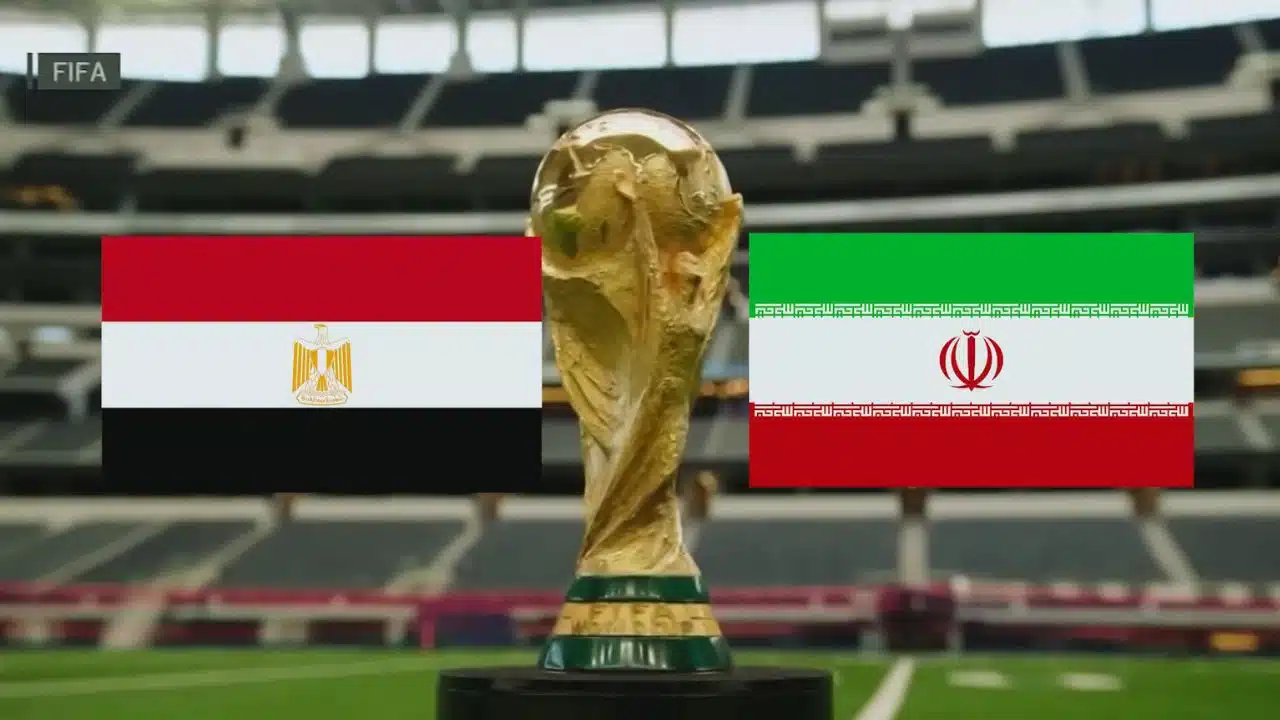
Egypt and Iran are scheduled to face each other in Seattle’s World Cup Pride Match on June 26, 2026, a group-stage game that has already triggered strong objections from both countries over planned LGBTQ-focused celebrations around the event. Local organizers say they still intend to use the match, part of the 2026 FIFA Men’s World Cup, to highlight Pride weekend and promote inclusion in the host city.
Lead and key facts
Egypt and Iran will meet in a 2026 FIFA Men’s World Cup group-stage match in Seattle that local organizers branded the tournament’s official Pride Match long before teams were drawn. The game is scheduled for June 26, 2026, at Lumen Field, coinciding with Seattle’s annual Pride weekend and a wider program of LGBTQ-themed community events around the city.
Officials in Cairo and Tehran have formally protested to FIFA, arguing that linking their national teams to Pride celebrations clashes with their countries’ religious and cultural values. Seattle’s local World Cup committee, however, stresses that Pride programming will take place outside the stadium and remains under city, not FIFA, control.
Match and event snapshot
| Item | Detail |
| Match | Egypt vs Iran, 2026 FIFA Men’s World Cup group stage (Group G) |
| Date | 26 June 2026 (local time) |
| Venue | Lumen Field (Seattle Stadium in FIFA materials), Seattle, Washington |
| Branded theme | Host city’s official Pride Match linked to Seattle Pride weekend |
| Other Group G game that day | Belgium vs New Zealand in Vancouver, Canada |
| Host city role | SeattleFWC26 committee runs fan events and Pride programming outside the stadium |
How Seattle’s Pride Match was planned
Seattle’s World Cup organizers decided months ago to highlight one match during Pride weekend as a focal point for LGBTQ visibility, fan festivals, and cultural events across the city. The branding of a Pride Match was tied to Seattle’s pre-existing June Pride parade and festival, which every year draws large crowds to downtown and Seattle Center.
At the time of that decision, organizers did not know which teams would be assigned to the fixture because FIFA had not yet conducted the World Cup draw. Once the draw in Washington placed Egypt and Iran together in Group G, FIFA’s scheduling later confirmed that their encounter would take place in Seattle on June 26, aligning the match with Pride weekend almost by chance.
Local planners say the Pride theme will be expressed through citywide programming, fan zones, and visual campaigns rather than any specific in-stadium ceremony controlled by FIFA. The SeattleFWC26 organizing committee has also promoted a design contest and other initiatives framed around the Pride Match concept as part of a wider effort to educate, inspire, and uplift LGBTQ communities during the tournament.
Why Egypt and Iran object
Both Egypt and Iran criminalize same-sex relations and have long been criticized by human rights groups for harsh treatment of LGBTQ people. Advocacy organizations note that consensual same-sex activity in Iran can carry punishments up to the death penalty, while in Egypt people have been prosecuted under morality and public order laws that effectively target LGBTQ communities.
After learning their teams would contest Seattle’s Pride Match, the football federations of both countries issued statements rejecting any association with Pride events built around the fixture. Officials argued that Pride-focused branding offends the cultural and religious values of their societies and said they had sent formal complaints to FIFA demanding that the governing body intervene.
Iranian football and government representatives said publicly that they had raised the issue directly with FIFA and would challenge any attempt to use the match to support a specific group. Egypt’s football association similarly announced that it opposed any activities at or around the game that would be seen as promoting homosexuality and asked FIFA to prevent Pride-related elements connected to the fixture.
Legal context on LGBTQ rights
| Country | Legal status of same-sex relations (summary) | Reported penalties (summary) |
| Iran | Same-sex intimacy is criminalized under the penal code. | Human rights groups report possible death penalty and severe punishments. |
| Egypt | No explicit statute on homosexuality, but morality and public decency laws are used to prosecute LGBTQ people. | Reported prison sentences, fines, and police harassment or raids. |
| United States (Seattle) | Same-sex relations are legal nationwide, and Washington State protects LGBTQ rights in law. | No criminal penalties; the city promotes inclusion in major civic events. |
Seattle’s stance and FIFA’s silence
Seattle’s World Cup organizing committee responded to the backlash by confirming that Pride-themed community events linked to the match will proceed as planned outside Lumen Field. The committee has emphasized that it does not control what happens during the game itself, which falls under FIFA’s jurisdiction, but does oversee fan festivals and city-led programming in public spaces.
Spokespeople for SeattleFWC26 say the Pacific Northwest is home to significant Iranian and Egyptian diasporas as well as a large LGBTQ community, and that organizers want all visitors to feel respect and dignity during the tournament. The city projects that hundreds of thousands of visitors could come through Seattle for World Cup matches and related events, making the Pride weekend game a major showcase for its values of inclusion and diversity.
FIFA has so far not announced any change to the match schedule or the allocation of teams in Group G despite the complaints from Egypt and Iran. Public statements from the governing body have been limited, leaving host-city organizers to manage tensions between local priorities for LGBTQ visibility and the sensitivities of participating nations.
Symbolism, risks, and what comes next
The dispute over Seattle’s Pride Match highlights a wider fault line running through international football, where FIFA’s formal commitments to human rights and anti-discrimination often collide with the policies of member countries that criminalize LGBTQ identities. Past tournaments have seen controversy over rainbow symbols, political messaging, and the treatment of fans and players who publicly support LGBTQ rights, and Seattle’s game now appears set to become a new test case.
For local LGBTQ advocates and many Seattle officials, the match offers a high-profile platform to promote equality and signal that everyone is welcome, especially with Pride and World Cup audiences converging on the city at the same time. For Egypt and Iran, the game risks being read at home as an endorsement of values their governments formally reject, creating internal political pressure and prompting calls to avoid any symbolic connection to Pride.
As of now, the Egypt–Iran fixture remains on the calendar in Seattle with the Pride Match label still in use by local organizers for their external events. FIFA has not indicated that it will reassign teams, move the game, or ask the host city to scale back its Pride programming, although officials from both countries say they intend to keep pressing their case. Unless FIFA intervenes, the match is likely to go ahead as scheduled, turning a group-stage meeting between Egypt and Iran into a global focal point for debates over LGBTQ rights, cultural norms, and the politics of mega-sporting events.