Old homes come with personality. They also come with drafts, uneven temperatures, and higher operating costs. If you own an older house, you have probably felt it. Winter heating runs longer than it should. Summer cooling struggles upstairs. One room is always cold. Another is always hot. And the monthly bills can feel out of sync with the comfort you get.
Green retrofitting is a practical way to modernize an older home without losing its character. It means upgrading the building to reduce energy waste, improve comfort, and often lower long-term costs. The “green” part is not only about reducing emissions. It is also about better economics.
This article explains the economics of green retrofitting old homes in a clear, step-by-step way. You will learn how to estimate ROI, which energy efficiency upgrades tend to pay back fastest, how incentives can reduce upfront costs, and how to avoid common mistakes that reduce payback. You will also see real-world style examples and actionable steps you can apply immediately.
If your goal is to make smart upgrades that improve your home and your finances, this guide is built for you.
What Is Green Retrofitting And Why It Matters
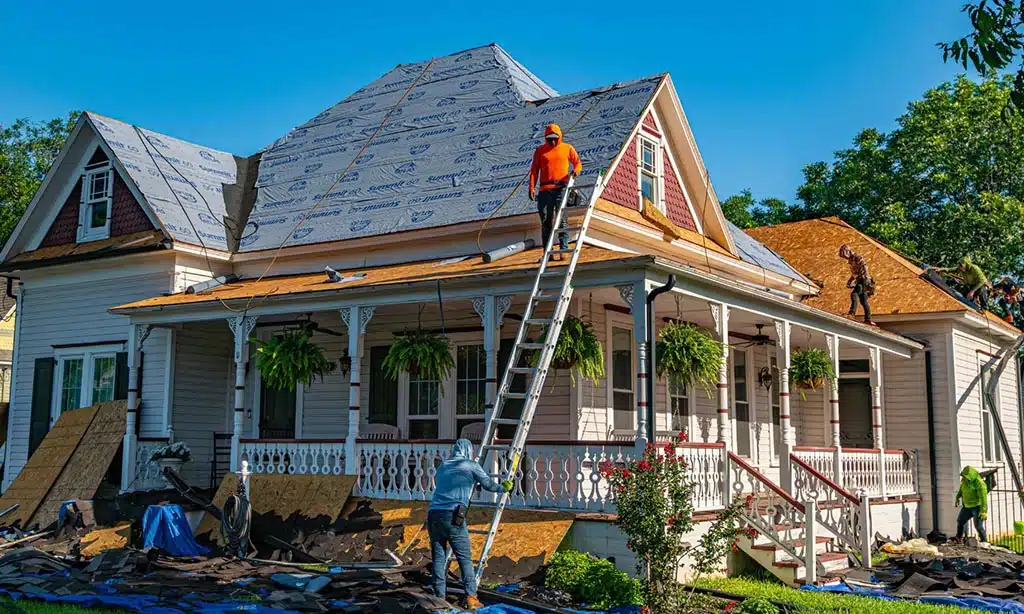
Green retrofitting is the process of improving an existing home so it uses less energy, wastes fewer resources, and creates a healthier indoor environment. In practical terms, it means you upgrade the “performance” of the house, not just the look.
Old homes are often excellent candidates because their baseline efficiency is usually low. That gives you more room to improve, and it can make the ROI of green retrofits stronger than many homeowners expect.
Definition Of Green Retrofitting
Green retrofitting includes upgrades that reduce energy and water use while improving comfort and durability. Common examples include:
- Air sealing to stop uncontrolled leaks
- Insulation upgrades in the attic, walls, and floors
- Efficient heating and cooling systems, including heat pumps
- Better windows, storm windows, or air-tight window repairs
- Efficient water heating, including heat pump water heaters
- LED lighting and efficient appliances
- Better ventilation and filtration for indoor air quality
- Solar panels or other renewable energy systems
A green retrofit is different from a standard renovation because it targets measurable outcomes such as:
- Lower energy bills
- More consistent indoor temperatures
- Reduced moisture issues
- Better indoor air quality
- Lower total cost of ownership
This focus is why many people talk about the economics of green retrofitting. You are not just spending money. You are investing in lower operating costs and a better home.
Why Older Homes Offer Higher Retrofit Potential
Older homes often waste energy in predictable ways. If you understand those patterns, you can target upgrades that deliver strong returns.
Common performance problems in older homes include:
- Air leakage: Gaps and cracks in attics, basements, around doors, and around plumbing and wiring penetrations.
- Low insulation levels: Many older homes have thin insulation, uneven insulation, or missing insulation.
- Outdated mechanical systems: Older furnaces, boilers, and air conditioners can operate far below modern efficiency levels.
- Drafty windows and doors: Single-pane windows, worn weatherstripping, and loose frames cause comfort issues and energy loss.
- Moisture and ventilation problems: Some homes are too leaky. Others became tighter after renovations but without proper ventilation.
The key advantage is simple. When a house is inefficient, even basic energy efficiency upgrades can produce meaningful savings. That is why green retrofitting old homes is often worth evaluating carefully.
Understanding ROI In Green Retrofitting
ROI stands for return on investment. In home retrofits, ROI can be measured in more than one way, and that is important to understand.
Some homeowners focus on strict payback. Others care about cash flow, comfort, and resale value. The best approach usually combines these views.
How ROI Is Calculated For Home Retrofits
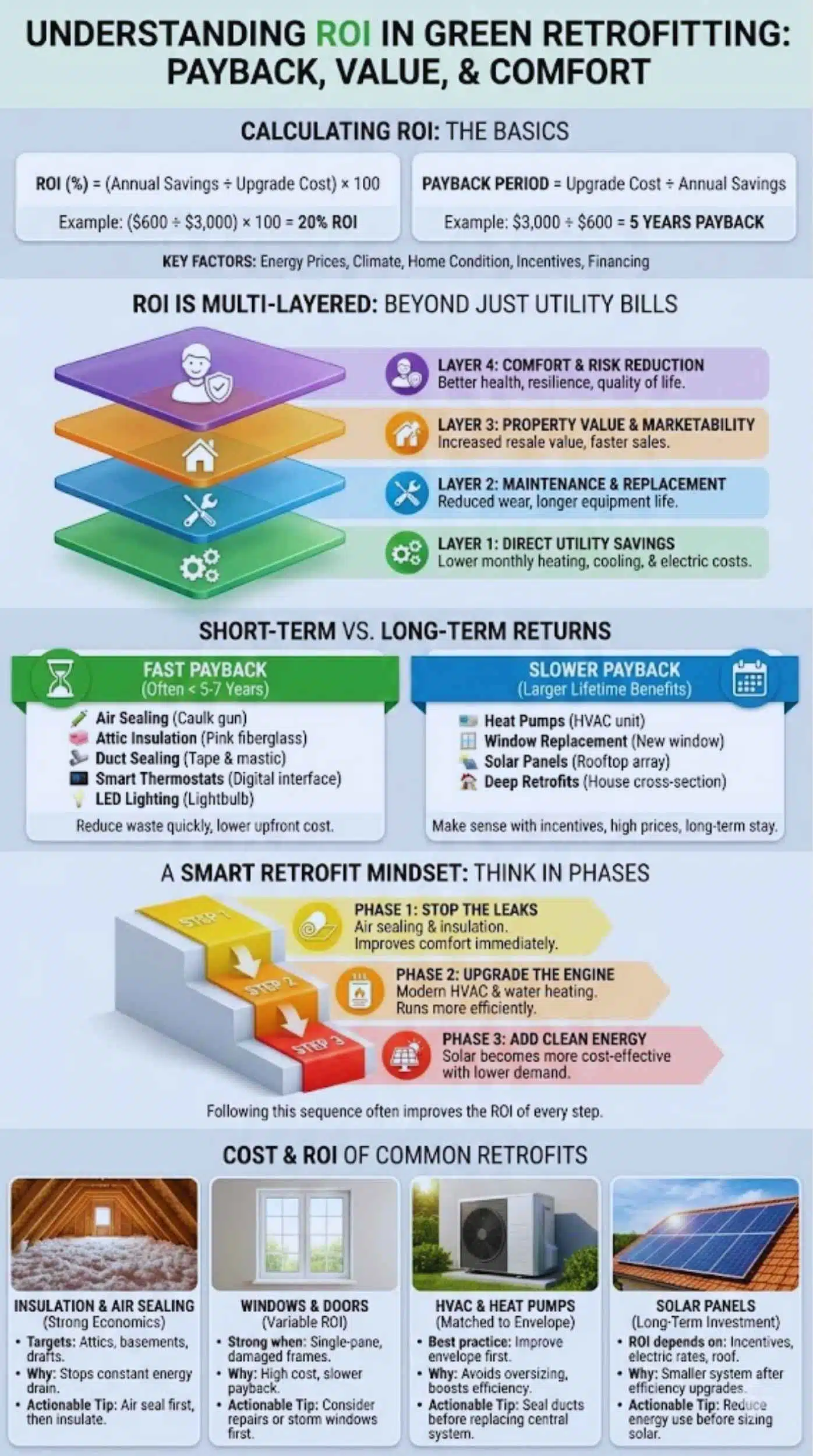
The simplest ROI formula is:
ROI (%) = (Annual Savings ÷ Upgrade Cost) × 100
But most homeowners find the payback period easier to understand:
Payback Period (Years) = Upgrade Cost ÷ Annual Savings
Here is a simple example:
- Attic air sealing and insulation cost: $3,000
- Estimated annual heating and cooling savings: $600
- Payback period: $3,000 ÷ $600 = 5 years
That is a strong result for many households. But real retrofit economics includes more variables.
Key factors that affect retrofit ROI:
- Energy prices in your area
- Climate and heating or cooling demand
- Home size and current condition
- Installation quality
- Available rebates, tax credits, and incentives
- Financing terms if you borrow to pay for the upgrade
- How long you plan to stay in the home
A practical way to analyze ROI is to calculate it in layers.
- Layer 1: Direct utility savings: This is the most obvious part. If you spend less on heating, cooling, and electricity, you save money every month.
- Layer 2: Maintenance and replacement savings: Some upgrades reduce wear on systems. A better insulated and sealed home can reduce HVAC runtime, which may extend equipment life.
- Layer 3: Property value and marketability: Some upgrades increase resale value or reduce time on market, especially if you can show lower utility bills and upgraded systems.
- Layer 4: Comfort and risk reduction: Comfort, health, and resilience are real benefits. They can be harder to price, but they influence quality of life and long-term housing decisions.
Short-Term Vs Long-Term Financial Returns
Not all green home upgrades behave the same way. Some deliver fast payback. Others deliver slower payback but larger lifetime benefits.
Typical fast payback upgrades:
- Air sealing
- Attic insulation
- Duct sealing and balancing
- Smart thermostat controls
- LED lighting and basic electrical efficiency improvements
These upgrades reduce waste quickly and usually cost less than major system replacements.
Typical longer payback upgrades:
- Heat pump HVAC systems
- Window replacement in some cases
- Solar panels and battery systems
- Deep retrofits that combine many major upgrades
These can still make financial sense when:
- Incentives reduce upfront cost
- Energy prices are high
- You plan to stay in the home for years
- Comfort problems are severe
- You want to protect against future energy price increases
A useful retrofit mindset is to think in phases.
- Phase 1: Stop the leaks: Air sealing and insulation reduce energy loss. This often improves comfort immediately.
- Phase 2: Upgrade the engine: Modern heating, cooling, and water heating systems run more efficiently in a better envelope.
- Phase 3: Add clean energy: Solar becomes more cost-effective when your overall energy demand is lower.
This sequence often improves the ROI of every step.
Cost Breakdown Of Common Green Retrofits
Costs vary by location, labor rates, home size, and existing conditions. Old homes also sometimes have surprises behind walls and under floors. For that reason, it helps to think in cost ranges and focus on outcomes.
The most important lesson is this. The best upgrade is the one that matches your home’s biggest energy losses.
Below are the most common retrofit categories and how they typically affect ROI.
Insulation And Air Sealing
For many older homes, insulation and air sealing offer some of the strongest economics. They reduce wasted heating and cooling and improve comfort quickly.
What air sealing usually targets:
- Attic penetrations around lights, plumbing, and wiring
- Top plates and attic hatches
- Basement and crawlspace rim joists
- Gaps around ducts, vents, and flues
- Weatherstripping around doors
- Window and door trim gaps
What insulation upgrades often include:
- Adding attic insulation to recommended levels
- Insulating rim joists and basement ceilings where appropriate
- Wall insulation in certain retrofit situations
- Floor insulation above crawlspaces in some homes
Why ROI is often strong:
- Air leakage is a constant energy drain
- Insulation reduces heat transfer in every season
- Comfort improvements can be immediate
A simple example that mirrors real results
A 1960s house has high heating bills and cold bedrooms. The owners plan to replace the furnace. An energy assessment shows major attic leakage and low insulation. They first spend on attic air sealing and insulation. The home becomes warmer and more stable. The furnace cycles less. When they later replace the furnace, they can often choose a smaller unit, which reduces upfront cost and improves operating efficiency.
Actionable steps to improve ROI here:
- Fix moisture and roof leaks before adding insulation
- Air seal first, then insulate
- Treat attic and basement as priority zones
- Consider a blower-door test if available, since it can guide targeting
Quick ROI checklist
- If your home feels drafty, air sealing is often high ROI
- If attic insulation is thin or uneven, attic insulation is often high ROI
- If you have ice dams, poor insulation and air leaks may be part of the cause
Energy-Efficient Windows And Doors
Windows are one of the most misunderstood retrofit items. Many homeowners assume new windows always pay back fast. In reality, ROI can vary widely.
When window upgrades can be financially strong:
- Existing windows are single-pane and in poor condition
- Frames are damaged or rotting
- Comfort issues near windows are severe
- The retrofit plan includes whole-house air sealing and ventilation upgrades
- Noise reduction and comfort are part of your value calculation
Lower-cost options that can improve economics:
- Repairing and tightening existing frames
- Adding storm windows
- Replacing weatherstripping
- Installing cellular shades or thermal curtains
- Caulking exterior gaps properly
Why replacement ROI can be slower:
- High replacement costs
- Savings often smaller than expected if the bigger issue is air leakage elsewhere
- Payback depends on climate and energy prices
Practical guidance
If you are purely chasing energy savings, you often get better ROI from air sealing and insulation first. If your goal includes comfort, noise reduction, aesthetics, and durability, window replacement can still be worth it, even with a slower payback.
HVAC And Heat Pump Systems
Heating and cooling can be one of the largest energy expenses in older homes. Upgrading HVAC can deliver strong savings, but only when matched to the home’s envelope.
Common HVAC retrofit paths:
- High-efficiency furnace upgrade
- Boiler upgrade where applicable
- Air-source heat pump installation
- Ductless mini-split heat pump systems
- Ground-source heat pump systems in certain cases
- Duct sealing, duct insulation, and airflow balancing
- Smart thermostats and zoning improvements
Why ROI varies so much:
- If the home is leaky and under-insulated, new HVAC works harder than it should
- Oversized systems can short-cycle, reducing efficiency and comfort
- Duct problems can waste a large share of delivered heating and cooling
The best ROI approach
A common best practice is to improve the building envelope first, then size and install HVAC based on the improved conditions.
That creates two ROI boosts:
- Lower energy demand means your system runs less
- You may be able to install a smaller system, lowering purchase cost
Actionable HVAC tips for older homes:
- Seal ducts before replacing a central system
- Fix airflow issues and room balancing
- Avoid oversizing. Bigger systems can waste energy and reduce comfort
- If switching to heat pumps, address insulation and air leakage first
Solar Panels And Renewable Add-Ons
Solar can be a strong investment, especially for homeowners who plan to stay in the home long enough to benefit from long-term electricity savings.
What determines solar ROI:
- Installed system cost after incentives
- Local electricity prices and rate structure
- Roof orientation and shading
- Net metering or export compensation rules
- Your household electricity use patterns
Why solar ROI improves after efficiency upgrades
If you reduce your home’s energy use first, you can often install a smaller solar system for the same percentage coverage. Smaller systems usually cost less, which can shorten the payback period.
Practical solar planning steps:
- Improve insulation and air sealing first
- Upgrade HVAC efficiency and controls if needed
- Review your past electricity bills for usage patterns
- Evaluate roof condition. Replacing a roof soon after installing solar can be costly
Financial Incentives, Rebates, And Tax Credits
Incentives can change the economics dramatically. A retrofit with a slow payback can become a smart investment once rebates and tax credits reduce the upfront cost.
Even if your motivation is cost savings, it is smart to plan around incentives. Many households miss out simply because they did not check eligibility early enough.
Government Incentives And Tax Benefits
Depending on your country and region, incentives may include:
- Tax credits for solar and renewable energy
- Rebates for heat pumps, efficient water heaters, and insulation
- Support for energy audits
- Low-interest loans or on-bill financing options
- Programs designed specifically for older housing stock
Actionable steps to capture incentives:
- Check incentive requirements before signing contracts
- Confirm whether you need pre-approval
- Save invoices and documentation carefully
- Ask contractors whether they handle rebate paperwork
Tip that improves your results
Build an “incentive plan” before you build a retrofit plan. If a heat pump rebate is large, it can change your equipment decision. If insulation rebates exist, it can change your sequencing.
Utility Company Rebates
Utilities often offer rebates because efficiency reduces peak demand and lowers the cost of maintaining the energy grid.
Common utility programs include:
- Home energy audits at reduced cost
- Rebates for smart thermostats
- Rebates for insulation and air sealing
- Heat pump incentives
- Demand response payments for allowing small temperature adjustments during peak times
Actionable steps
- Check utility program rules before work begins
- Ask whether an audit is required to qualify
- Compare rebates across multiple upgrade types to find the best bundle
Non-Monetary Returns That Impact ROI
Strict payback calculations can miss the full value of green retrofitting. Old homes can be uncomfortable and unhealthy without obvious damage. A retrofit can improve daily life in ways that matter, even if you cannot measure every benefit in dollars.
These non-monetary benefits also influence resale value and market appeal.
Increased Property Value And Market Appeal
Green upgrades can increase property value, especially in markets where energy costs are high or buyers are sensitive to monthly expenses.
Efficiency improvements can increase appeal because they can signal:
- A well-maintained home
- Lower operating costs
- Modern systems and reduced risk of surprise replacements
- Better comfort and livability
How to make value gains more real
Documentation helps. Keep a folder that includes:
- Energy audit results
- Contractor invoices
- Product specifications and warranties
- Before-and-after utility bills
- Photos of major upgrades
If you sell later, this evidence supports your pricing story and builds trust with buyers.
Health, Comfort, And Energy Security
Older homes often have comfort problems that affect daily life:
- Cold floors
- Drafty hallways
- Hot upstairs rooms in summer
- Condensation on windows
- Musty smells in basements
- Dust and allergy triggers
Green retrofitting can improve:
- Temperature stability
- Humidity control
- Fresh air and indoor air quality
- Reduced mold risk when moisture is managed
- Noise reduction in some upgrades
Energy security is another benefit. When your home needs less energy to stay comfortable, you become less exposed to energy price changes and supply disruptions. That resilience has value, even if it is not shown on a bill.
Case Studies And Real-World ROI Examples
Real homes are messy. But simple examples can help you see how retrofit economics works in practice. The goal is not to copy numbers exactly. The goal is to understand the structure of savings and decision-making.
Single-Family Old Home Retrofit Example
Home profile
- Built in the 1960s
- Drafty bedrooms and cold floors in winter
- High heating bills
- Aging furnace
Retrofit approach
- Energy assessment identifies major attic leaks and low insulation
- Air sealing and attic insulation are completed
- Duct sealing improves airflow
- Smart thermostat improves control and scheduling
- Furnace replacement is delayed until the home is better sealed
Why this often improves ROI
- Air sealing and insulation reduce heating demand right away
- Comfort improves fast, which increases satisfaction and perceived value
- When the furnace is replaced later, it can often be right-sized
Actionable takeaway
If you can only do one thing first, fix the envelope. Many energy efficiency upgrades deliver a better return when the building shell is improved.
Mini checklist for homeowners
- Is your attic insulated properly
- Do you feel drafts near ceilings or attic access points
- Do some rooms heat unevenly
- Does your furnace run frequently without stable comfort
If you answered yes, start with air sealing and insulation planning.
Rental Property Or Multi-Unit Example
Building profile
- Small multi-unit building built in the 1940s
- Tenants complain about uneven heat and high bills
- Maintenance calls are frequent in winter
- Landlord wants better retention and lower costs
Retrofit approach
- Improve insulation in accessible areas
- Seal common leakage points in basements and attics
- Upgrade controls and balance heating delivery
- Install efficient lighting in shared spaces
- Consider heat pump upgrades over time
Where the ROI comes from
- Lower operating costs in common areas
- Reduced tenant complaints and fewer emergency calls
- Improved tenant retention, which reduces turnover costs
- Better market appeal and potentially higher rent in some markets
Actionable takeaway
For rental properties, ROI includes cash flow stability. Fewer vacancies and fewer maintenance calls can be as valuable as energy savings.
When Green Retrofitting May Not Be Worth It
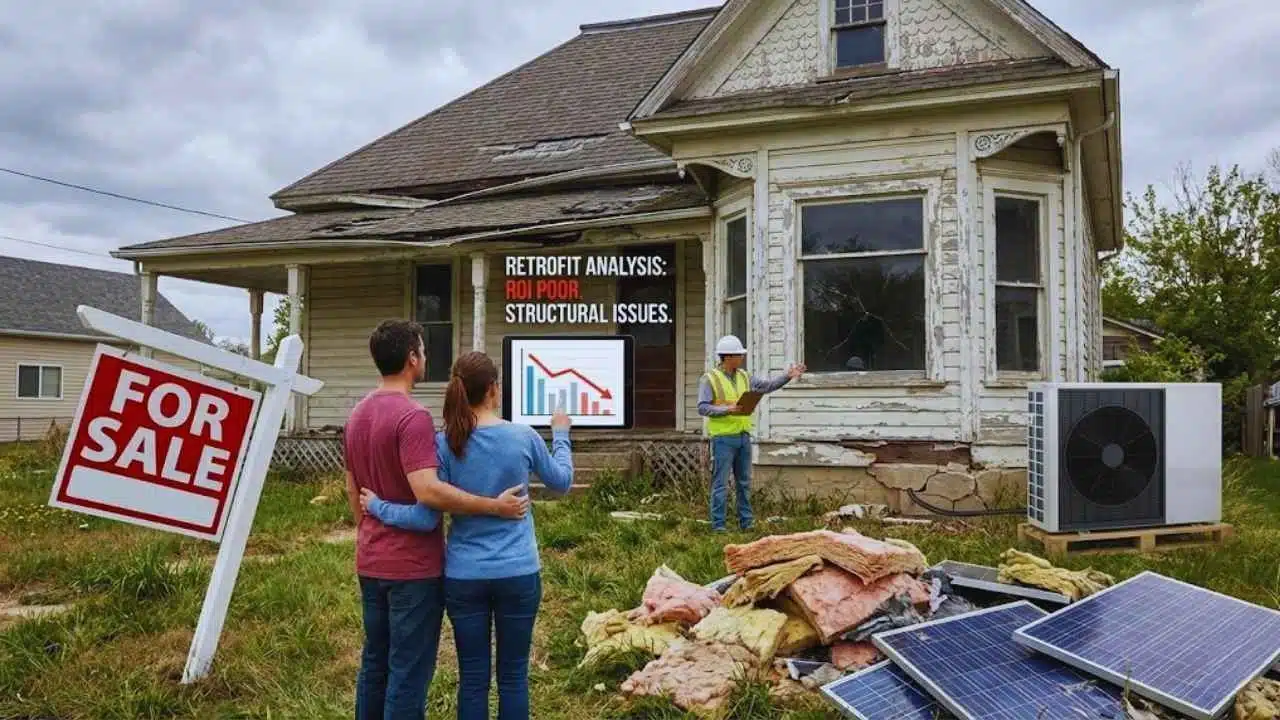
Green retrofitting is often worthwhile, but not always. It can be a poor investment if the timeline is short or the building has major issues that require expensive repairs first.
Situations that can weaken ROI:
- You plan to sell soon and buyers in your market do not value efficiency
- The home has serious structural issues that must be fixed first
- The project requires costly customization due to historic features
- Financing costs are high and savings are uncertain
- The climate is mild and energy bills are already low
That said, some upgrades are low-risk and still useful even with a short timeline.
Low-risk options that often still make sense:
- Air sealing at major leakage points
- Attic insulation in accessible attics
- LED lighting
- Smart thermostat controls
- Basic duct sealing where visible and accessible
These can improve comfort and reduce bills without committing to a deep retrofit.
Is Green Retrofitting A Smart Investment For Old Homes?
For many homeowners, the economics can be strong. The best ROI usually comes from choosing the right upgrades in the right order, based on what your home needs.
Green retrofitting tends to be a smart investment when:
- Your home has high heating and cooling costs
- Comfort issues are obvious
- You plan to stay several years
- Incentives reduce the upfront cost
- You prioritize high-ROI energy efficiency upgrades first
To help you make decisions, use this simple three-part framework.
Step 1: Identify your biggest losses
- Drafts and air leakage
- Poor insulation
- Inefficient heating and cooling
- Duct problems
- High electricity use from old equipment
Step 2: Choose upgrades that solve those losses
- Seal and insulate first in many older homes
- Fix airflow and duct issues
- Then upgrade HVAC
- Then evaluate solar and renewables
Step 3: Measure and document
- Track utility bills before and after
- Save all invoices and warranties
- If possible, compare energy use, not only cost, since energy prices can change
Cost And ROI Comparison Table (Quick Reference)
| Upgrade Type | Typical ROI Strength | Why It Helps | Best For Old Homes That Have |
| Air Sealing | High | Stops constant energy loss | Drafts, high heating or cooling runtime |
| Attic Insulation | High | Reduces heat transfer | Low or uneven attic insulation |
| Basement Or Crawlspace Sealing | Medium to High | Reduces leakage and moisture risk | Cold floors, damp basements |
| Duct Sealing And Balancing | Medium to High | Improves delivery efficiency | Uneven rooms, leaky ductwork |
| Heat Pump HVAC | Medium | Efficient heating and cooling | After envelope upgrades, high energy use |
| Efficient Water Heating | Medium | Cuts water heating costs | Old tank heaters, high hot water use |
| Window Repair Or Storm Windows | Medium | Improves comfort at lower cost | Drafty windows, historic windows |
| Full Window Replacement | Medium to Low Often | Comfort and durability benefits | Severe window failure, major comfort issues |
| Solar Panels | Medium to High | Produces electricity long-term | Good sun exposure, favorable incentives |
This table is a starting point, not a rule. In some homes, windows may be urgent. In others, HVAC replacement may be unavoidable due to failure. The best plan matches the home’s true problems.
Practical Tips To Maximize ROI
The difference between a strong ROI retrofit and a disappointing one often comes down to planning and sequencing. Use these tips to protect your investment.
Start With A Simple Retrofit Roadmap
A clear roadmap can prevent overspending.
A common high-ROI order looks like this:
- Basic energy assessment or audit
- Air sealing in attic and basement zones
- Insulation upgrades where they matter most
- Duct sealing and airflow balancing
- HVAC upgrade with proper sizing
- Water heating efficiency improvements
- Solar after reducing energy demand
This sequence often improves both comfort and payback.
Use Cash Flow Thinking, Not Only Payback
Payback is useful, but cash flow can be more practical.
Ask:
- How much will this upgrade reduce my monthly bills
- If financed, is the monthly payment lower than the savings
If savings exceed payments, you can be “ahead” right away, even if the strict payback period is longer.
Avoid The Biggest ROI Killers
Common mistakes that reduce ROI:
- Replacing HVAC before sealing and insulating
- Oversizing heating and cooling equipment
- Ignoring duct leakage and airflow problems
- Choosing upgrades based on trend rather than measured need
- Missing rebates due to late planning
- Low-quality installation that fails to deliver expected savings
Make Your Results Visible
If you want the value to show up at resale, you need proof.
Keep:
- Utility bills and energy use records
- Equipment specs and warranties
- Contractor scope of work documents
- Photos of insulation and air sealing work
- Any test results such as blower-door performance data, if available
Buyers trust evidence. It also helps you understand which upgrades delivered the best return.
Choose Contractors With Performance Experience
Older homes require skill. A contractor who understands building science can prevent problems such as trapped moisture, poor ventilation, or unintended comfort issues.
A good contractor should be able to explain:
- Why your house is losing energy
- How the upgrade will address that loss
- What changes are needed to maintain good indoor air quality
- How they will verify performance after the work
A Simple ROI Worksheet You Can Use
If you want a quick, practical way to estimate ROI, use this basic worksheet for each upgrade.
Inputs
- Upgrade cost: ______
- Expected rebate or incentive: ______
- Net cost after incentives: ______
- Estimated annual savings: ______
- Estimated payback years: Net cost ÷ annual savings = ______
- Comfort benefit score (1 to 5): ______
- Resale value impact score (1 to 5): ______
- Priority score: combine payback and benefits = ______
This helps you compare upgrades that have different kinds of value. An upgrade with a slightly slower payback may still be a better choice if it solves major comfort problems and protects the home.
Final Takeaway
The economics of green retrofitting comes down to one idea. You are investing in lower operating costs and a better-performing home.
In old homes, the best ROI often comes from the basics:
- Air sealing
- Insulation
- Duct performance
- Right-sized, efficient HVAC
Once the home wastes less energy, larger upgrades like heat pumps and solar tend to look better financially.
If you want to maximize ROI on old homes, focus on measured needs, follow a smart sequence, capture incentives, and document results. That is how green retrofitting becomes both a sustainability move and a strong financial decision.