Eating healthy is important for overall wellbeing, but it’s not always easy to do when working with a tight grocery budget.
However, with some planning, creativity, and smart shopping, it is possible to follow a nutritious diet without breaking the bank. This comprehensive guide covers tips, strategies, meal ideas, and key learnings for eating well while on a budget.
The cost of healthy foods like fresh produce, nuts, fish, and lean protein has risen sharply in recent years, making it challenging for many households to afford nutritious ingredients. However, research shows that following a healthy diet plays a major role in preventing disease and promoting longevity. So how can you make wholesome, budget-friendly choices at the grocery store? This guide offers practical solutions – from meal planning, shopping sales, and using coupons wisely to cooking techniques, bulk prep, and even growing your own produce. With a mix of planning, savvy shopping, batch cooking, and other clever tricks, you can eat nutritious and delicious meals while sticking to your grocery budget.
Meal Plan Around Weekly Sales
Grocery ads come out every week showing what’s on sale or “loss leaders” – items discounted to get you in the store. Building meal ideas around what’s on special that week helps you save significantly. You can find ads online or in newspaper inserts. Jot down 3-4 dinner ideas based on the biggest sales – perhaps chicken breast is $2/lb one week or salmon fillets are buy one, get one free. letting the sales guide your meal planning is one of the most useful ways to eat healthy while sticking to a food budget.
Opt for Store Brands to Save
Opting for store brand items can save up to 25% over national brands. Store brands have improved in quality, often with similar nutritional value. The savings from store brands allow you to reallocate funds towards produce and lean proteins. Buy basics like canned beans, tomatoes, olive oil, grains, nuts, and spices as store brands. Taste and compare a few to find ones you like. Private label organics can also cost less than premium organic brands.
Buy Staple Items in Bulk
Buying certain shelf-stable items in bulk sizes offers a lower per-ounce price point. Stock up on grains like brown rice, oats, and quinoa, along with beans, lentils, and other healthy pantry staples. Buying extra allows you to batch prep things like whole grains and bean soups for quick, healthy meals later on. Stores like Costco offer bulk sizes of pricier items like olive oil, nuts, nut butters, and dried fruit for less per ounce. Taking advantage of bulk prices on healthy staples stretches your budget.
Use Coupons Wisely
While unhealthy processed foods often provide coupons to encourage sales, you can still find coupons for pricier healthy items. Seek out coupons for items like fresh fish, organic milk, Greek yogurt, nuts, and whole grain gluten-free items. You can find printable online coupons and also take advantage of digital grocery coupons linked to your loyalty card. Resist coupons encouraging processed foods and sweets instead. Spending coupon savings on nutritious foods helps afford good-for-you choices.
Cook Smart – Get Creative in the Kitchen
Cooking and preparing meals at home means you control exactly what goes into it. Getting creative in the kitchen helps you cook healthy on a budget:
- Choose cheaper cuts of meat: Opt for bone-in, skin-on chicken thighs instead of breasts. Chuck roast and pork shoulder offer cheaper lean meat. Prepare with slow moist cooking methods.
- Embrace beans and lentils: Beans offer very inexpensive vegetarian lean protein and fiber. Hearty lentil dishes also save.
- Stretch ground meats: Use a mix of half ground turkey or beef with half mushooms or beans to make burgers, meatballs, or taco filling. Adds nutrition and cuts costs.
- Whip up vegetarian meals: Center meals around greens, eggs, beans, lentils, tofu, or all veggies to save.
- Flavor smartly: Use small amounts of pricier ingredients like nuts, cheese, and avocados as garnishes rather than main ingredients. Allows you to buy less.
A bit of creativity in the kitchen goes a long way when preparing healthy meals on a budget!
Grow Your Own Produce
Another way to score free healthy foods is to grow your own! Planting a small backyard garden, container garden on a balcony, or even an indoor herb garden can supplement grocery purchases with homegrown fruits, veggies, and herbs at no cost outside soil and seeds. Prioritize the pricier produce you love to eat most. Salad greens, tomatoes, peas, beans, cucumbers, carrots, peppers, and leafy herbs all grow well in small spaces and offer a free way to add fresh produce to your meals!
Healthy, Budget-Friendly Meals and Recipes
Now let’s explore some specific meal ideas and recipes that allow you to eat nourishing foods while saving money and sticking to a budget:
Breakfast Ideas
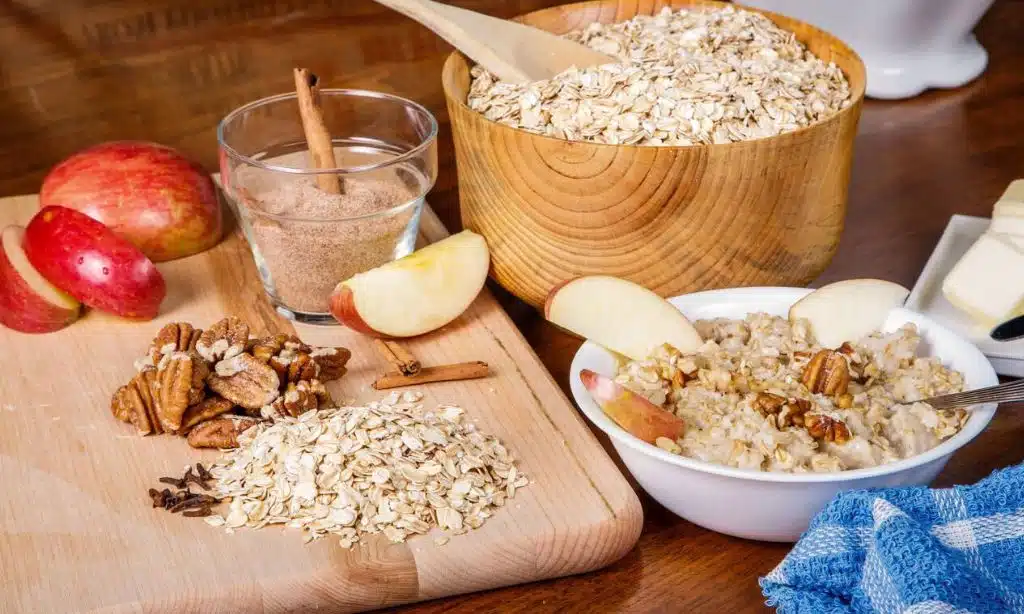
- Oatmeal: Cook a batch of oats using rolled oats and dried fruit. Portion into mason jars for grab and go breakfasts. Top with milk, nuts, banana.
- Yogurt bowls: Buy plain Greek yogurt in bulk when on sale. Make parfaits with fresh or frozen fruit, nuts, seeds, coconut.
- Veggie egg muffins: Whip up egg cups with veggies like spinach, tomato, onions, peppers. Bake ahead for quick breakfasts.
- Bean breakfast tacos: Cook onions, peppers, chili beans. Wrap in corn tortillas with salsa and avocado.
Lunch and Dinner Recipes
- Loaded sweet potatoes: Bake sweet potatoes, score, and top with beans, salsa, avocado, even shredded chicken.
- Vegetarian chili: Sauté onion, carrot, peppers, garlic. Add tomatoes, beans, seasonings. Top with cheddar or Greek yogurt.
- Shakshuka: Poach eggs in tomato onion sauce. Serve over crusty bread. Very budget friendly.
- Crockpot chicken: Cook bone-in chicken breast with onions, chili beans, salsa in a slow cooker. Shred for tacos, bowls, etc.
- Salmon sheet pan: Roast salmon fillets with potatoes and broccoli tossed in olive oil and spices. Easy one-pan meal.
- Burrito bowls: Cook grain like rice or quinoa. Layer over greens, black beans, salsa, Greek yogurt. Top with egg for protein.
The possibilities are truly endless for stretched, budget-optimized healthy meals! Get creative with grains, eggs, beans and lentils as the base along with in-season produce.
Key Takeaways for Eating Healthy on a Budget
Here are the big picture tips to remember:
- Meal plan recipes around weekly sales and deals at the grocery store
- Opt for store brands over national brands when possible
- Stock up on shelf-stable healthy staples when priced low in bulk packages
- Use coupons, but for items like produce, fish, nuts – not processed items
- Get creative prepping meals at home like using cheaper cuts of meat and stretching proteins
- Grow produce like greens, tomatoes, and herbs at home if space allows
Despite rising food costs, you can absolutely still follow a nutritious diet while on a strict grocery budget. A mix of planning, clever shopping, resourceful cooking, and gardening enables you to put healthy and affordable meals on the table while spending less. Use these budget-friendly eating strategies to nourish your body well without draining your wallet.
Frequently Asked Questions about Eating Healthy on a Budget
Still have questions about how to afford eating nutritiously? Here are answers to some commonly asked questions:
Which foods offer the best nutritional value for the price?
Some of the top budget-friendly options providing great nutrition include:
- Beans and lentils – Excellent inexpensive vegetarian protein and fiber
- Eggs – Versatile lean protein source, nutritious and low cost
- Bananas, apples, citrus – Budget-priced fruits full of nutrients
- Dark leafy greens – Packed with vitamins and minerals; choose fresh or frozen bags
- Sweet potatoes – Rich in vitamins A and C, fiber, great source of carbohydrate dollars
- Canned fish – Budget tuna, salmon, sardines provide omega-3s and protein
- Oats – Very affordable whole grain providing fiber, B vitamins, protein
These are all inexpensive, everyday healthy foods to build meals around.
Is it less expensive to be vegetarian when trying to save money on food?
Often times, yes. Building meals around beans, lentils, tofu, eggs, and veggies instead of meat cuts food costs – especially if you are buying organic, sustainable meat which comes at a premium price. Sticking to a strictly plant-based vegetarian diet rich in affordable whole foods slashes grocery bills. Getting protein from budget beans rather than expensive cuts of beef or salmon saves considerably.
Should I buy fresh or frozen fruits and vegetables to save money?
Frozen produce is just as nutritious as fresh, often less expensive, and keeps far longer. Buying frozen fruits like berries allows you to buy bags on sale and enjoy long term without spoilage. Frozen broccoli, peas, cauliflower and more offer an inexpensive way to keep a variety of veggies on hand. Evaluate sales and determines what offers the best prices when choosing between fresh and frozen for things like greens and carrots.
Which is more economical – buying in bulk or purchasing smaller packages when on sale?
In most cases, bulk sizes are almost always cheaper per ounce. However, if you happen to see a stellar sale on a smaller sized item, compare prices and go for the best deal. Bulk bins still offer the deepest discounts per pound on grains, flour, trail mixes. But aTwo-for-One sale on Greek yogurt or mustard can beat out larger tubs. Just be sure to compare unit prices when a promotion seems too good to pass up.
Leveraging a mix of strategies enables you to continue eating nourishing, plant-based meals that not only meet daily nutritional needs, but also respect your monthly food budget. Use these tips and healthy, budget-friendly recipes to start saving today!