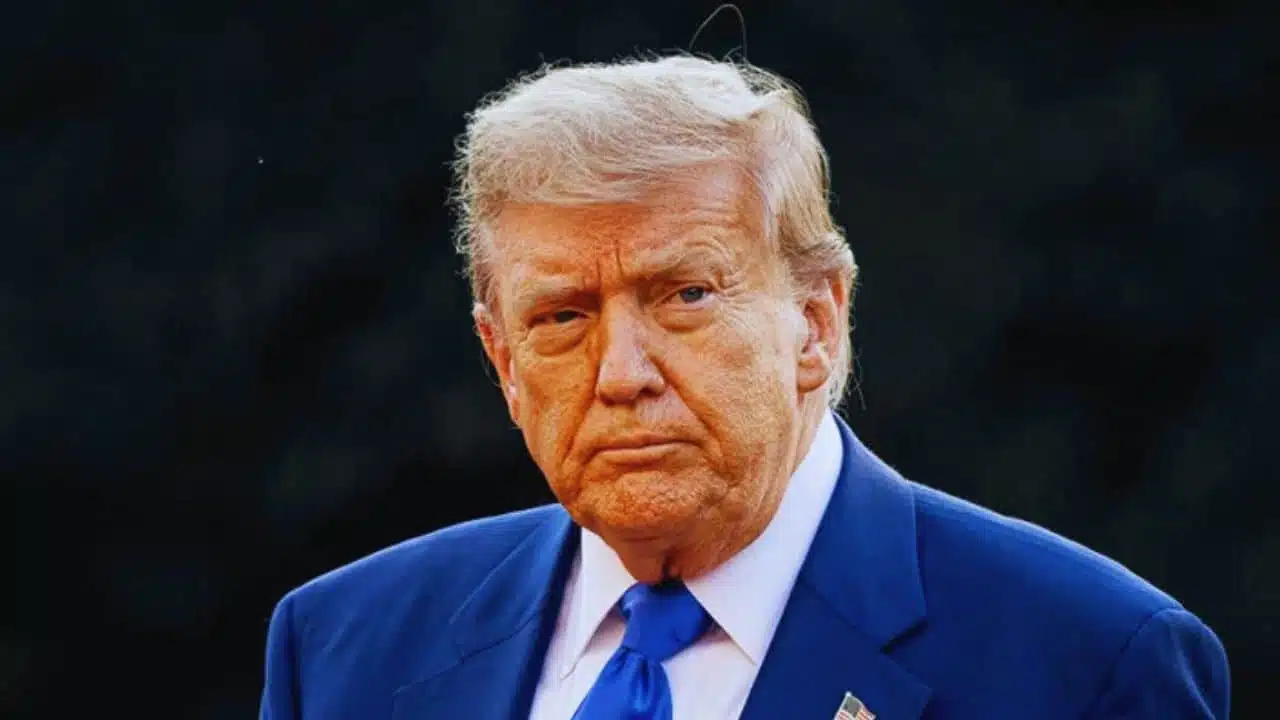
U.S. President Donald Trump has escalated pressure on NATO allies by tying new U.S. sanctions on Russia to coordinated action from member states. He has demanded that all NATO countries immediately end purchases of Russian oil, arguing that energy revenues continue to fuel Moscow’s war against Ukraine. In addition, he has urged NATO to adopt a unified policy of imposing very high tariffs on Chinese imports—some reports indicating rates between 50 and 100 percent—until Beijing withdraws its support for Moscow. Trump’s approach is being presented as a two-front strategy: choking off Russia’s energy revenues while targeting China’s role in keeping the Russian economy afloat.
Russia’s Oil Revenues and NATO’s Dependency
Russia remains one of the world’s largest oil exporters. Despite Western sanctions introduced after the 2022 invasion of Ukraine, Moscow has continued to secure significant income by selling oil to countries outside the Western alliance. Within NATO, only a few member states—such as Turkey, Hungary, and Slovakia—still rely heavily on Russian crude, largely due to geographical proximity and long-term pipeline contracts. Turkey, in particular, has become one of the top buyers of Russian oil since the war began. Trump’s call for a complete halt would therefore require these countries to drastically reorient their energy supplies, potentially at higher cost, while managing infrastructure and refinery adjustments.
Linking Sanctions on Russia to Tariffs on China
What makes Trump’s latest demand unusual is his insistence that NATO countries join the U.S. in applying heavy tariffs on Chinese imports. The logic behind this is that Beijing has become Moscow’s lifeline by purchasing Russian oil, supplying critical goods, and ensuring that Western restrictions are blunted. Trump has suggested that punishing tariffs on China, imposed collectively by NATO members, would force Beijing to rethink its support. He has also indicated that such tariffs could be lifted once the war in Ukraine ends. This approach effectively merges Washington’s trade war with China into the security strategy against Russia, putting NATO in an unprecedented position of using economic warfare on two fronts simultaneously.
European Union’s Balancing Act
The European Union has already pledged to phase out Russian fossil fuel imports. Earlier deadlines had been set for 2028, but under pressure from the U.S. and internal momentum, Brussels is now preparing proposals to accelerate the timeline. European Commission President Ursula von der Leyen has confirmed discussions to bring forward the cutoff, with additional focus on oil and gas. If passed, this would mark a significant tightening of Europe’s energy policy. However, the reality remains complex: countries such as Hungary and Slovakia argue that their economies and refineries are still dependent on Russian oil and need longer transition periods.
China Pushes Back Against U.S. Demands
Beijing has strongly opposed Trump’s proposal. Chinese officials have labeled the plan as unilateral economic coercion, warning that they will adopt countermeasures if NATO allies proceed with such tariffs. China has emphasized that it has no intention of ending energy cooperation with Russia and considers the trade to be part of its sovereign rights. This stance underscores the difficulty of aligning NATO’s European members, many of which maintain significant trade relations with China, with Trump’s hardline approach. The risk of retaliatory tariffs or restrictions on European exports to China makes NATO governments wary of fully embracing the plan.
Analysts Doubt Implementation
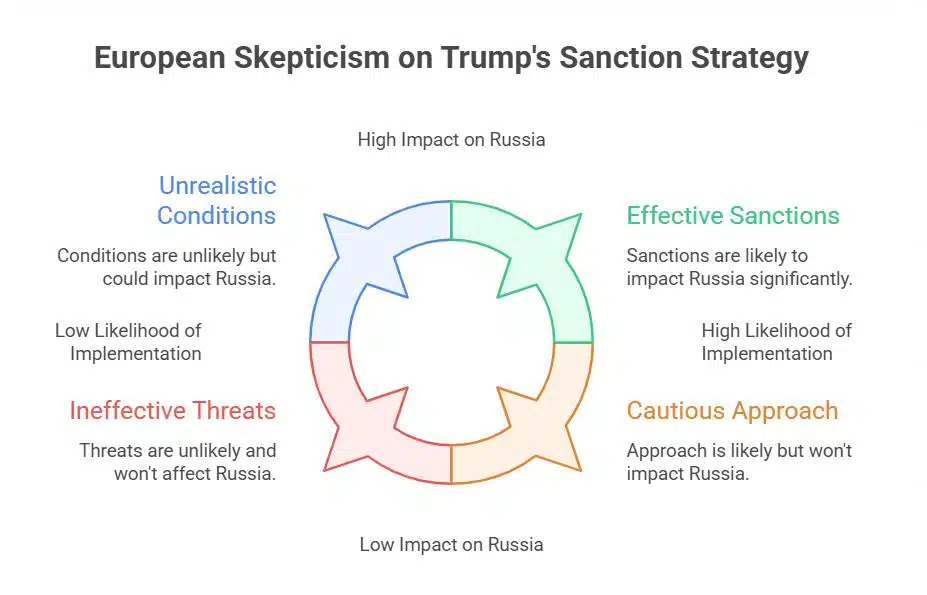
Political observers across Europe have voiced skepticism. Analysts in Poland noted that Trump has previously issued sweeping threats of tariffs and sanctions that were not followed through, raising doubts about whether this latest plan will gain traction. In Ukraine, commentators have argued that Trump is effectively holding back U.S. sanctions unless Europe accepts his trade war with China, which many see as unrealistic. Critics point out that even if the European Union agreed to such terms, China is unlikely to make concessions, meaning Russia would not feel significant pressure.
In the Czech Republic, editorialists stressed that Trump’s cautious approach reflects a misunderstanding of Putin’s long-term strategy. Instead of weakening Moscow, the absence of decisive sanctions has emboldened Russian demands and encouraged further escalation, including attacks on NATO territory such as the recent drone strike in Poland.
NATO’s Unity Under Strain
Concerns are growing within NATO that Trump’s approach could weaken the alliance’s cohesion. Portugal’s leading newspapers have described the U.S. President as a liability to NATO, arguing that his worldview does not prioritize permanent alliances or the collective defense principles enshrined in Article 5. While NATO remains the most powerful military alliance in the world, uncertainty over Washington’s commitment under Trump is viewed as its biggest vulnerability.
Europe’s Own Contradictions
At the same time, European commentators acknowledge that Trump has identified a real problem. Despite frequent declarations about the existential threat posed by Russia, European countries continue to import billions of euros worth of Russian oil, gas, and other commodities every year, effectively funding the Kremlin’s war machine. Sanctions on China have also been weak, despite Beijing’s open support for Moscow’s war economy. This mismatch between rhetoric and action is precisely what Trump is pointing to, even if his own methods are divisive and politically risky.
What happens next will depend on both European and NATO responses. The EU may accelerate its energy phase-out from Russia and increase pressure on member states still dependent on Russian supplies. Trump may proceed with unilateral U.S. tariffs on China and push NATO partners to follow, but widespread adoption seems unlikely. China’s promise of retaliation adds another layer of uncertainty.
For Ukraine, the situation remains delicate. Without coordinated sanctions and stronger restrictions on Russian oil revenues, Moscow’s ability to fund the war will continue. For NATO, the broader challenge is maintaining unity at a time when the U.S. President’s policies are both assertive and polarizing.