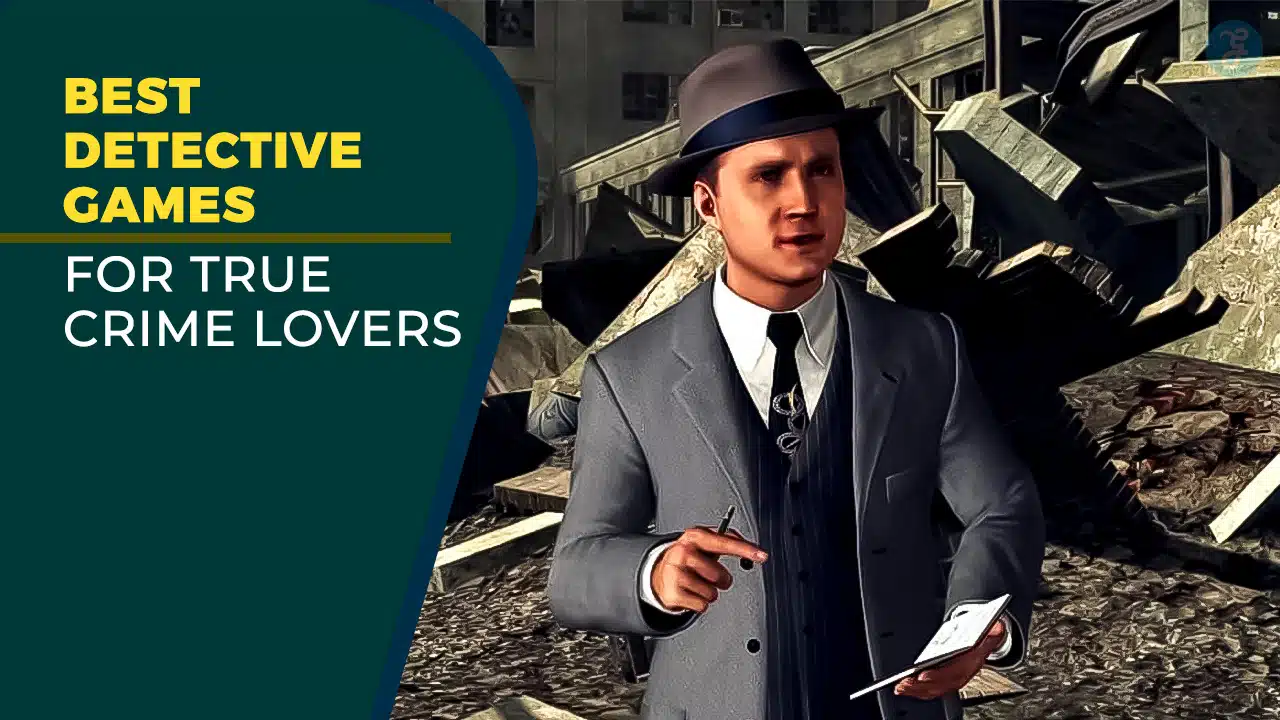
You love true crime tales, but few games give real clue hunts. Many titles tease mystery but serve only simple puzzles. You face thin plots and no real investigation. That kills the suspense fast.
A 2017 video by Mark Brown pointed out a hole in the market. He found few games that mix clue hunts with forensics. I picked five of the top best detective games for true crime lovers.
Each game will make you feel like a real sleuth. Your next case awaits.
Key Takeaways
- L.A. Noire (Rockstar, May 17, 2011) casts you as LAPD Detective Cole Phelps (voiced by Aaron Stanton) in 1947 Los Angeles. The game took seven years to build, spans 40 street crimes on three discs, and uses a truth-doubt-lie interrogation system plus facial motion capture to spot lies.
- Return of the Obra Dinn (Lucas Pope) drops you on a 19th-century merchant ship. You use a magic timepiece to view frozen death scenes, log details for all 60 crew members, and cross-reference accents, outfits, wounds, and items to solve each fate.
- Disco Elysium (ZA/UM) makes you a detective with amnesia in a restless port city. You solve a grisly murder via dialogue choices, dice rolls, and inner voice checks. Every choice shapes your skills, ideals, and the branching story, so no two playthroughs feel the same.
- Shadows of Doubt (ColePowered Games) tests you in a full sandbox city with procedurally generated crimes. You scour scenes with a loupe and camera, lift fingerprints, bag evidence, interview witnesses, mark sites on a city map, and build timelines to crack each case.
- Unheard (Survey Break) plays out in audio only. You tag voices, note pauses and tone shifts, and map conversations on a timeline. By replaying scenes and testing theories, you link motives, roles, and events to reconstruct crimes without any visuals.
What makes L. A. Noire one of the best detective games?
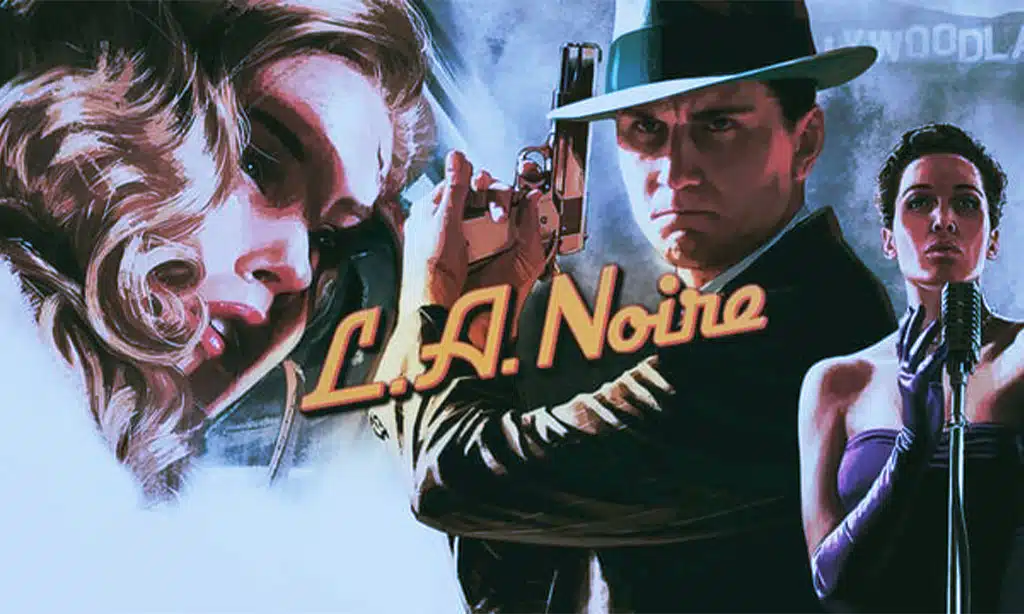
Rockstar released L.A. Noire on May 17, 2011 after seven years of work. It paints 1947 Los Angeles with precise streets, cars, and costumes. LAPD Detective Cole Phelps, voiced by Aaron Stanton, leads the drama as a former Marine Lieutenant.
Players patrol, then tackle Traffic, Homicide, Vice, and Arson desks alongside partners like Ralph Dunn and Stefan Bekowsky. The game uses a truth, doubt, lie interrogation system and facial motion capture system to reveal hidden reactions, like a poker pro calling your bluff.
Intense narrative moments feel straight out of a crime thriller.
Forty street crimes and police calls fill three discs with tense cases. Gameplay pushes players to read body language and spot subtle facial tics. A scene might hinge on a raised eyebrow or twitch.
Crime scenes host challenging puzzles and forensic analysis tools. Custom game engine graphics shine, and cinematic lighting sets the mood. Despite a linear track, the storyline and acting earned raves for depth and realism, making L. A. Noire one of the best detective games.
How do you solve mysteries in Return of the Obra Dinn?
Lucas Pope built a dense mystery on a 19th-century merchant ship. Players use a magic timepiece to view each death freeze frame.
- Study each freeze-frame scene with the timepiece tool. Note the final words, accent, outfit, location, and carried objects to gather clues.
- Record findings in the logbook, filling in details for all sixty crew members. Match names, roles, and causes of death as you go.
- Cross-reference evidence like accents and carried items to link identities to incidents. Apply deduction and analysis to resolve each person’s story.
- Invoke forensic methods to inspect wounds and held items for final proof. Use the accumulated data to build a clear picture.
- Map outfits and locations on the ship diagram to chart movement. Track each person’s path until their final scene.
- Synthesize all clues and recorded facts to reach a resolution. Close the inquiry by solving the ship’s disappearance.
Why is Disco Elysium a unique detective experience?
This role-playing game drops you into a detective with amnesia. A coastal city bustles with political and philosophical unrest. Your investigation tackles a grisly murder. You sift through a crime scene; you sift through your fragmented mind.
Dialogue choices carry weight, and dice rolls test your resolve. A bad roll can leave you locked out of key clues. Every clue feels part of a character study, not just a case file.
Speech options shape your ideals and your fate. Conversations with suspects can feel like playing chess with yourself. Sharp mind puzzles share space with surreal hallucinations. A multi-threaded plot reacts to your choices; it never feels stale.
Each decision carries consequences that echo across the story. Players praise its depth; they hail its complex take on detective work.
What investigative methods are used in Shadows of Doubt?
Shadows of Doubt tests your detective skills in a full sandbox city. It drops new crimes via procedural generation.
- Explore crime scenes with a loupe and camera, and scour gutters and attics to catch every clue.
- Use a fingerprint kit to lift prints, bag items, and then send them off for lab analysis as evidence.
- Interrogate witnesses and suspects in dim bars or bright offices, and jot their statements in a detective notebook.
- Plot your investigation on a city map, mark crime sites, and build a clear timeline of each event.
- Immerse yourself in a sandbox simulation that uses procedural generation, and steer each step of your case.
How does the gameplay of Unheard involve solving crimes?
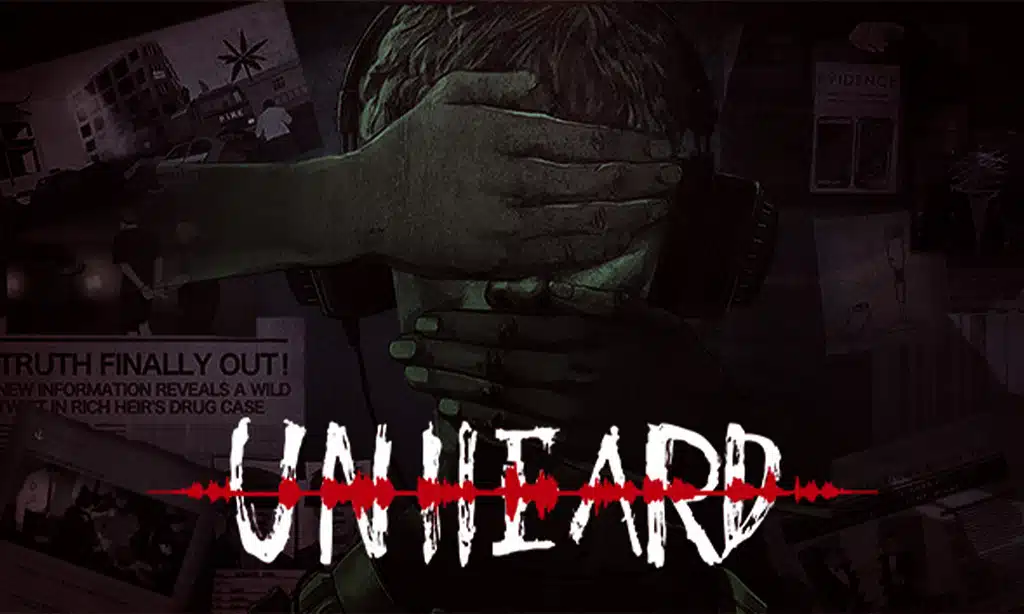
Unheard relies on audio investigation oversight. It skips all visuals.
- Players explore crime scenes through a timeline, since the game has no visuals.
- Investigators use an editor to tag voices, map conversational context, and assign roles.
- Listeners catch tone shifts, pauses, and background noise to collect sound clues.
- Sleuths piece together events, crafting a clear crime reconstruction timeline.
- Detectives employ evidence deduction to link motives, relationships, and sequences.
- Gamers replay scenes, test new theories, and tap interactive storytelling for an immersive experience.
Takeaways
Fans of mystery games gain real thrills from these picks. Each title tests your logic and delivers fresh puzzles. You gather clues on a virtual evidence board, review FMV segments, and solve whodunit plots with flair.
Sketchy leads mount tension, and forensics labs demand sharp eyes. This collection sparks real suspense and keeps you hooked.
FAQs
1. What makes top detective games so gripping for true crime lovers?
They put you in the shoes of a sleuth; you chase clues in dark alleys, and you feel like you read a real case file. Each clue feels critical.
2. Do I need special gear to play these detective games?
No, most run on a regular PC or console; a simple headset boosts the mood. You do not need a fancy rig.
A silent ship puzzle shows a deck full of odd marks; each log entry holds a tip. You scan wood and read every note; you feel proud when facts click.
4. Can I solve cases with friends in these games?
Yes, L.A. Noire lets you share notes in real time, call in a tip when you hit a wall, and crack a case together and laugh out loud.