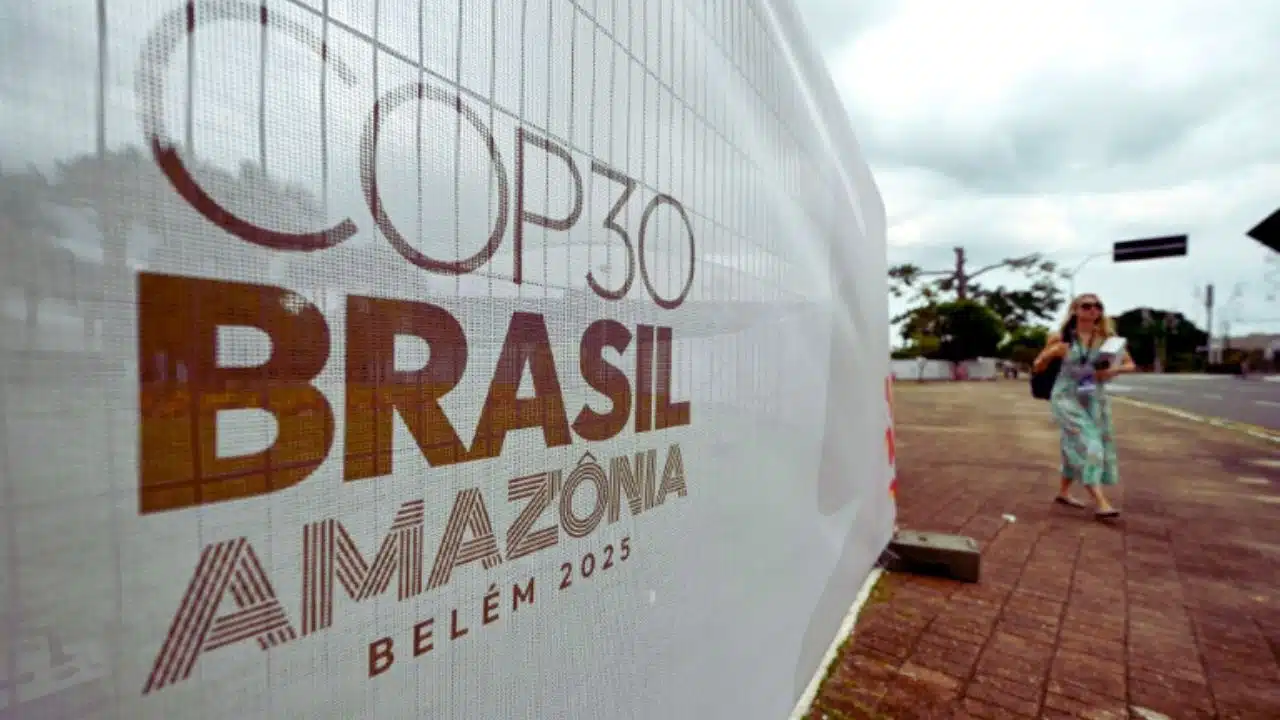
Belém, Brazil’s bustling gateway to the Amazon rainforest, has become the epicenter of global climate action as the 30th United Nations Climate Change Conference (COP30) kicks off today.
For the first time, this pivotal summit is being held in the heart of the world’s largest tropical forest, underscoring the urgent need to protect ecosystems like the Amazon amid escalating climate threats.
A Historic Venue in the Amazon’s Shadow
Nestled at the mouth of the Amazon River, Belém is home to 1.39 million people and serves as a vital hub for the region’s urban and environmental dynamics. As the capital of Pará state, the city has long balanced its rich cultural heritage with the challenges of rapid urbanization in one of Earth’s most biodiverse areas. Hosting COP30 here symbolizes a direct confrontation with deforestation and biodiversity loss, which have ravaged the Amazon—responsible for 60% of the basin’s territory in Brazil alone.
The choice of Belém, announced by President Luiz Inácio Lula da Silva at COP27 in 2022, highlights the Amazon’s role as a global climate regulator. Urban centers like this one house 72% of the region’s 50 million inhabitants, making them key battlegrounds for sustainable development. Local leaders, including Belém’s mayor, have leveraged partnerships with organizations like ICLEI to craft ambitious plans, such as the city’s 2050 vision for low-carbon growth tied to natural ecosystems.
Yet, the symbolism carries irony: Critics point to recent infrastructure projects, including a highway carved through rainforest to ease summit traffic, as undermining the event’s environmental message. Environmental groups argue that such developments highlight the very trade-offs the talks aim to resolve.
Pre-Summit Momentum Builds with Leaders’ Gathering
Just days before COP30’s official start, the Belém Climate Summit convened on November 6-7 at the city’s Parque da Cidade, drawing heads of state, ministers, and international figures. Chaired by President Lula, the event focused on fair energy transitions, forest and ocean conservation, and reflecting on a decade since the Paris Agreement. Key sessions addressed nationally determined contributions (NDCs) up to 2035 and innovative financing mechanisms.
Outcomes from the summit included the Launch Declaration of the Tropical Forests Forever Fund (TFFF), a $125 billion blended-finance initiative to reward tropical nations for conservation starting in 2026. Other pledges featured the Call to Action on Integrated Fire Management, the Belém Commitment on Sustainable Fuels, and a Declaration linking hunger, poverty, and climate action. The “Call of Belém for the Climate” urged immediate global responses to the crisis, emphasizing Brazil’s leadership in sustainable development.
World Meteorological Organization reports released during the plenary painted a stark picture, noting that two-thirds of member states now provide climate alerts—from heat warnings to agricultural forecasts—yet global temperatures continue to rise perilously. UN Secretary-General António Guterres warned that every fraction of a degree beyond 1.5°C spells more displacement and insecurity, calling inaction a “moral failure.”
Key Agenda Items: From Finance to Forests
COP30, running from November 10 to 21, builds on the “Baku to Belém Roadmap” agreed at last year’s COP29, aiming to scale climate finance for developing nations from $300 billion to $1.3 trillion annually by 2035. Delegates will negotiate enhanced NDCs, global financial reforms, adaptation strategies, and ecosystem protection, all while reviewing progress a decade after Paris.
Central to discussions is the Amazon’s plight: As the planet’s largest tropical forest, it stores vast carbon reserves but faces threats from logging, agriculture, and fires. Brazil’s COP30 presidency pushes for stronger rainforest safeguards, including sustainable supply chains and the COP30 Action Agenda for conservation. Indigenous voices, amplified through platforms like the Amazon Conservation Team, stress community-led solutions in this biodiversity hotspot.
Energy transitions take center stage too, with sessions on green industrial hubs, south-south collaboration, and decarbonizing emerging economies. The World Climate Summit, a parallel business forum, fosters public-private partnerships for net-zero goals by 2050, announcing commitments in sectors like blue economy and urban resilience.
Notable Absences and Geopolitical Tensions
The talks open under a cloud, with high-profile absences underscoring geopolitical rifts. U.S. President Donald Trump, fresh off describing climate change as a “con job,” has opted out, sending a delegation in his place—a move echoing past withdrawals and complicating global momentum. Chinese President Xi Jinping and Indian Prime Minister Narendra Modi are also skipping, though their nations will participate via representatives.
Experts like those from Chatham House warn that these gaps, amid broader U.S. retrenchment, demand reinvigorated international cooperation to meet decarbonization targets. U.S. non-attendance looms large as a “Trump-shaped hole,” potentially stalling finance pledges vital for vulnerable nations. Despite this, Brazilian hosts and allies like the EU emphasize unity, with events like the International Climate Initiative’s workshops pushing for green industry support in the global south.
Local Impacts and Long-Term Legacy
For Belém residents, COP30 promises tangible benefits beyond symbolism. The conference has spurred investments in public policies for low-carbon development, climate adaptation, and biodiversity, including a comprehensive greenhouse gas inventory and vulnerability assessments completed this year. Initiatives like the Young Climate Justice Ambassadors have educated 1,000 local youth on action.
Venues like the World Climate Impact Hub in the Blue Zone will host panels, workshops, and networking through November 21, turning pledges into plans. Belém’s temporary role as Brazil’s symbolic capital—from November 11 to 21—elevates its status, with all federal acts signed on-site.
As delegates converge on the rainforest’s edge, COP30 offers a chance to bridge rhetoric and reality. With the Amazon under siege and global effects like floods and droughts intensifying, the summit’s success hinges on bold, equitable steps toward a cooler planet. Brazil’s hosting reaffirms its environmental leadership, but only collective ambition will safeguard the forests and futures at stake.