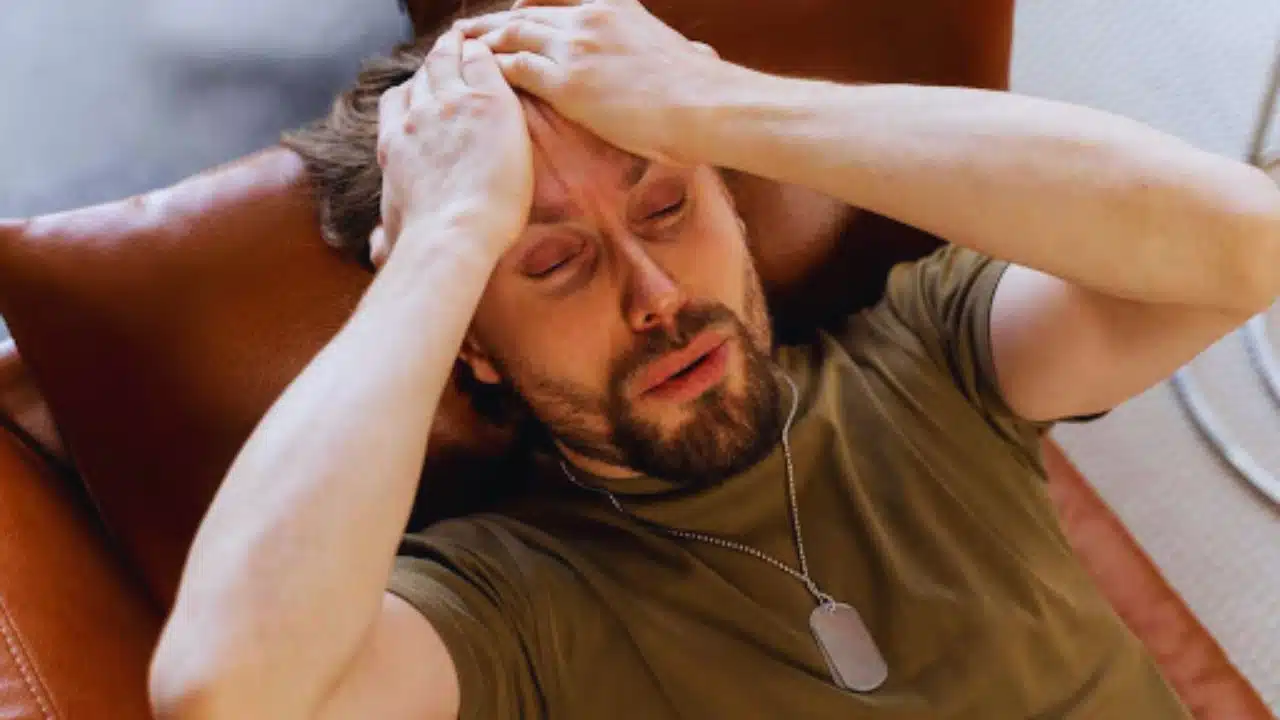
Concussion is one of the issues that athletes usually experience during their lifetime. Based on reliable data, nearly 4 million athletes annually experience this form of injury during training or matches. However, they are not the only potential victims because we can all bump our heads harder than expected for some reason.
Not every harder hit means that you have experienced a concussion. Instead of worrying whether you should visit a doctor or not, we have decided to give clear explanations on symptoms that you may experience. After that, we shared tips on how to treat a concussion. So, let’s learn something new!
Symptoms of Concussion
First and foremost, we must highlight an essential fact – the cause of the concussion is not connected with its severity. In other words, the symptoms listed in the further part of the text do not have to be drastic.
Generally speaking, top signs of concussion are brain fog, lack of focus, headache and memory difficulties. In addition to that, you may become very sensitive to light or sound, and it can also happen that you have sleep problems.
There is another thing you also need to have in mind. Some symptoms occur immediately after you bump your head, while some are delayed. For example, the mentioned ones above, plus fatigue, loss of balance, nausea, ringing ears, tired eyes, vomiting and slurred speech.
On the other hand, delayed symptoms can be blurred vision, changes in smell or taste, depression, difficulties while reading, concentrating, or trying to find certain things, short-term memory problems, etc.
Asking immediately for medical help and starting with the treatment is necessary if you are getting increasingly restless, agitated, or confused, if you have difficulty recognizing close people, or if you have one pupil larger than the other.
How to Treat a Concussion
As mentioned, visiting a doctor if the symptoms are extremely strong is mandatory. Yet, certain things directly depend on you, and it is compulsory to respect them. Please, read every tip carefully!
First Two Days: Complete Rest!
The first 48 hours after the moment you experienced any of the mentioned symptoms must be supported by complete rest. We don’t want to say that you should sit in the dark room all the time. Yet, avoid any eventual physical or mental activity.
Sit in the garden, listen to slow yet quiet music, read slowly and so on. Besides, your body knows what it can tolerate during those 2 days, so if something is causing discomfort, simply stop doing it.
Visit a Physical Therapist
Some patients may experience persistent headaches that simply don’t want to go away even after those 48 hours. No, you are not going to lift weights or run on a track; physical therapy for concussion helps in another way.
The purpose of these sessions is to retain the brain and body and sync them again. With a good analysis, the therapist will try to target the areas causing the symptoms, such as balance, vision, and blood flow. It is worth trying it because the results can be fantastic!
Don’t get back to a regular routine after that
When your brain slowly starts to function as before the injury, do not force things! You can’t immediately get back to your normal routine. Instead, do cardio for around 30 minutes a day or less if your body can’t tolerate that.
When you finish this, try to engage in cognitively demanding activities. That means you should start talking with people a bit longer, read a book for a bit more and so on. Spending a lot of time on your phone would be a huge mistake. During your free time, focus on non-screen activities.
Takeaways
The point of this article was to invite people who bumped their head or experienced a stronger hit to determine whether their body is really experiencing some form of imbalance. These symptoms may be light, but that doesn’t mean you should neglect them.
On the other hand, if the headache and other symptoms don’t want to go away, it is time to visit a doctor, book a physical therapy session, and do other stuff we suggested.