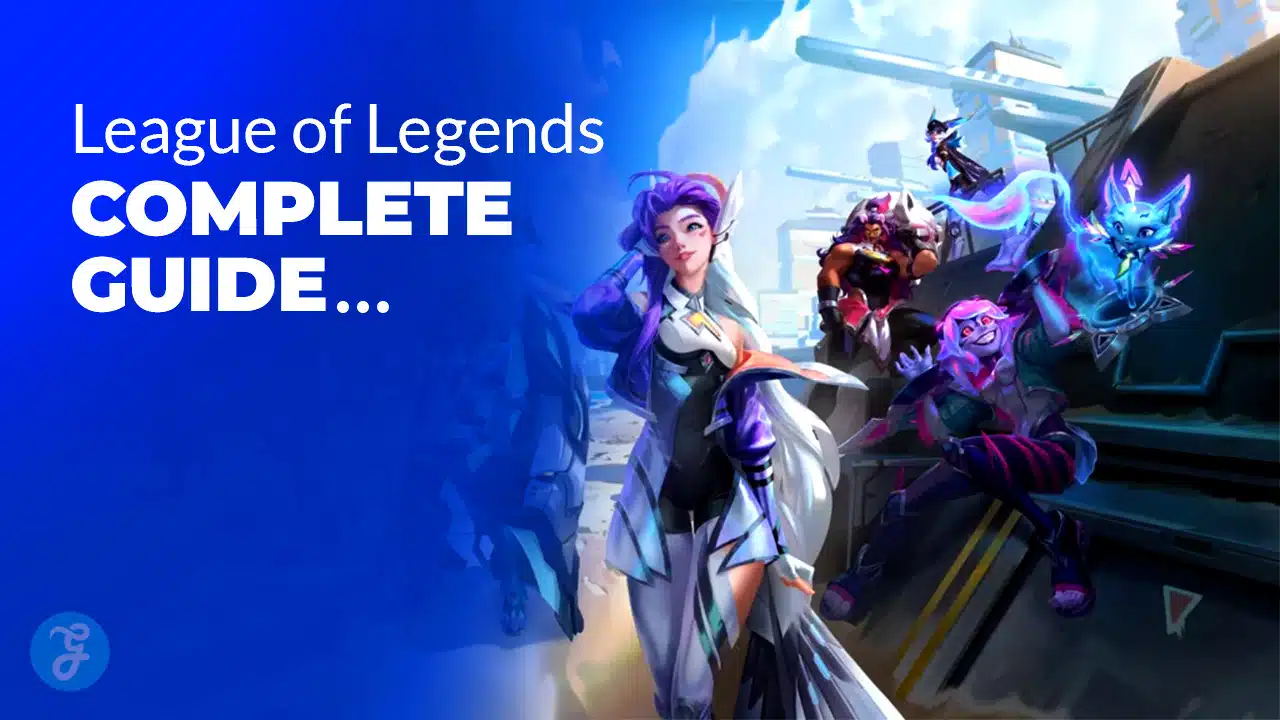
This Complete League of Legends Guide is built for players who want real improvement without drowning in random tips. League rewards fundamentals, repetition, and good decision-making more than flashy moments. If you understand the map, your role, and your next best action, you will win more games and tilt less.
You do not need perfect mechanics to climb. You need a clear plan, a small champion pool, and habits you can repeat every match. This guide walks you from the basics to ranked climbing with a simple progression you can follow all year.
Complete League Of Legends Guide Roadmap for 2026
League changes over time, but the core of winning stays consistent. You earn gold and experience, convert that advantage into objectives, and close games with clean teamfights and map control. Patch changes may adjust what is strongest, but they do not change what matters most.
Use this roadmap so your learning stays focused.
-
Learn the map, objectives, and how gold and experience work.
-
Pick one role and a small champion pool that fits your style.
-
Master laning basics: CS, trading, wave control, and recall timing.
-
Improve mid game macro: rotations, vision, side lanes, and objectives.
-
Refine teamfighting: positioning, targeting, and cooldown discipline.
-
Build a ranked routine that makes progress predictable.
If you only take one thing from this pillar, take this: play fewer concepts, but play them better.
Getting Started: Settings, Controls, and Comfort First
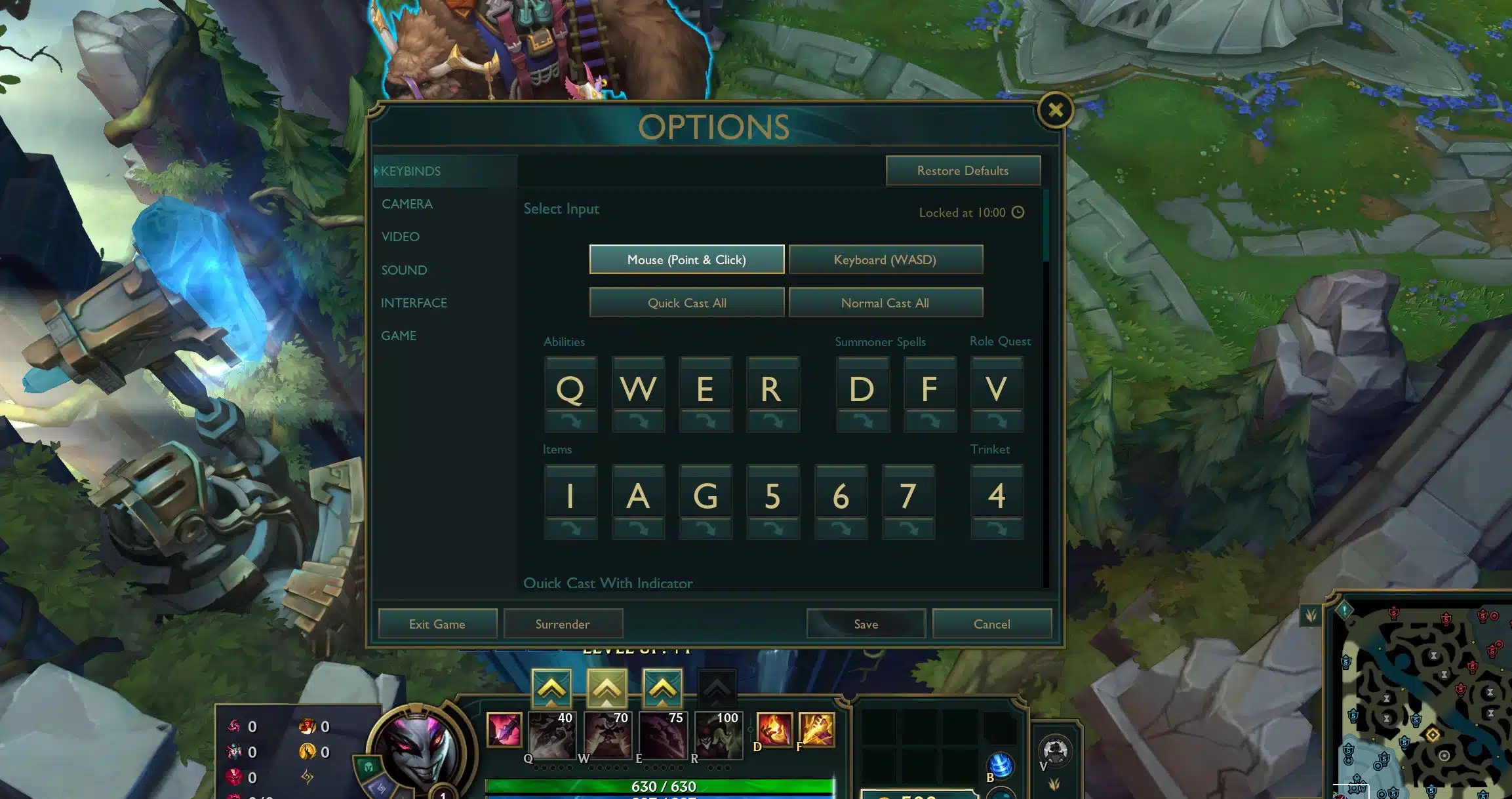
Before strategy, make the game comfortable and readable. If your screen feels cluttered, or your inputs feel awkward, you will misplay even when you know the right decision. Start simple, then adjust as you gain experience.
A strong approach is to begin with defaults so your muscle memory develops cleanly. As you play, change one thing at a time based on a real problem you notice. Over time, transition into Quick Cast when you understand ability ranges and want faster execution.
Core Settings to Prioritize
These settings improve consistency without changing how the game “feels.”
-
Stabilize your FPS so fights do not stutter.
-
Lower visual options that cause drops in teamfights.
-
Increase minimap size if you miss roams and ganks.
-
Enable clarity options that make health bars and targets easier to read.
Avoid chasing a “perfect” config on day one. The goal is stable performance and clean information.
Keybinds: Start Default, Then Earn Changes
Default keybinds work for most players. Keep them until you can use abilities without thinking. Once you feel consistent, add upgrades that fix common issues like misclicks and messy kiting.
Good upgrades to consider later are attack-move options and “target champions only.” These changes help you teamfight more reliably, especially in minion waves and under towers.
League Basics: Map, Objectives, Gold, and Experience
League is a game of tempo. The team that arrives first with better items often wins fights before they even start. Your job is to build leads through farming, smart fights, and efficient resets.
The Map and What Matters Most
Summoner’s Rift has three lanes, a jungle, and neutral objectives. You win by destroying the enemy Nexus, but the path there is usually built through towers, dragons, Herald, and Baron.
Objectives are your conversion tools. They turn a won fight into a won game.
Gold and Experience: The Two Resources You Must Respect
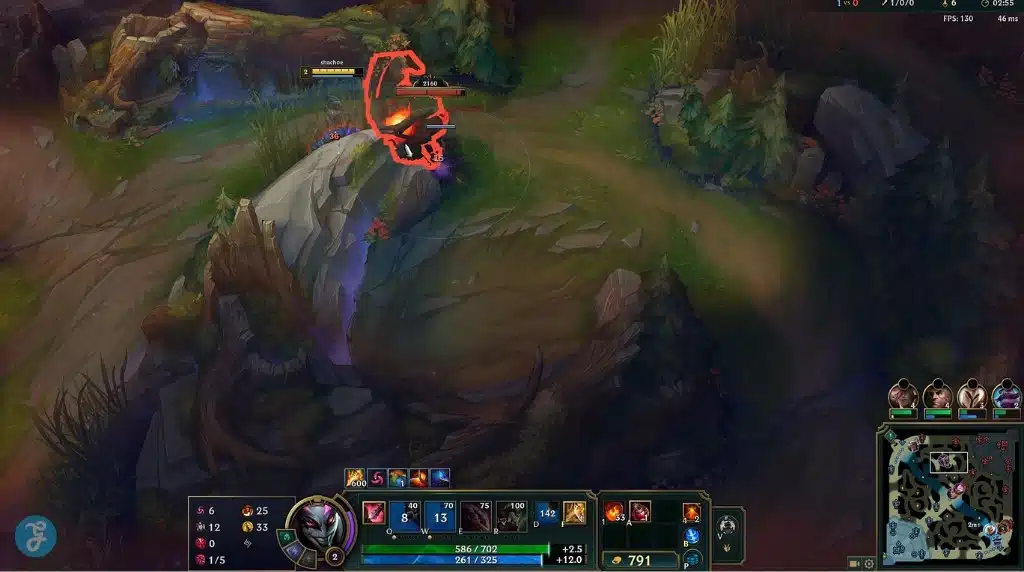
Gold buys items. Experience unlocks levels and skill points. Both matter, but experience spikes are often ignored in lower ranks.
If you miss waves, you lose gold and experience together. That is why good wave control and recall timing create consistent leads without risky fights.
Objective Priority in Simple Terms
If you are unsure what to do next, use this priority list.
-
Secure nearby towers when you have a wave and numbers.
-
Take dragons when your team has bot-side control and tempo.
-
Use Rift Herald to break the first tower and open the map.
-
Set vision and pressure before Baron becomes a real threat.
You do not need to force every objective. You need to take the ones your position and wave states make safe.
Roles Explained: What Each Role Should Do
Choosing a role is choosing a job. If you do your job consistently, you will feel useful even in hard games. This also makes learning faster because your goals stay stable.
Here is a clear breakdown you can return to whenever you feel lost.
| Role | Main Job | What to Focus On | Common Win Condition |
|---|---|---|---|
| Top | Side lane pressure, frontline or split | Waves, matchups, teleport timing | Side lane lead into towers or flank fights |
| Jungle | Tempo, ganks, objectives | Pathing, tracking, vision | Numbers advantage into dragons, Herald, Baron |
| Mid | Lane control and map access | Wave clear, roams, skirmishes | Priority into picks and objective setups |
| Bot (ADC) | Reliable damage | CS, positioning, teamfights | Scaling into late fights and tower taking |
| Support | Vision, engage, peel | Vision routes, lane control | Creating fights on your terms, protecting carries |
Pick the role that feels most natural. Then commit to it long enough that improvement becomes obvious.
Champions: Build a Small Pool That Wins Consistently
A small champion pool is the fastest path to ranked progress. When you repeat the same champions, you learn matchups, spacing, and damage limits faster. You also make fewer “execution” errors under pressure.
A strong pool is usually two or three champions in one role.
How to Choose Your Champions
Pick champions that match your temperament and reward fundamentals.
-
Choose a main champion you can blind pick.
-
Add a backup for bans or bad matchups.
-
Include a comfort pick that stays useful when behind.
If you want faster results, avoid champions that require perfect combos or constant outplays. You can play those later when your fundamentals are stable.
What Makes a Champion Good for Climbing
Climbing champions usually have at least two of these traits.
-
Reliable wave clear or farming patterns.
-
Clear win condition in lane and teamfights.
-
Safe tools to survive ganks or bad trades.
-
Useful utility even when not fed.
This is not about playing “easy.” It is about playing repeatedly
Laning Fundamentals: CS, Trading, Vision, and Recall Timing
Laning decides how hard the rest of the game feels. If you leave lane with decent CS and few deaths, you will have influence even when teammates struggle. If you leave lane down two levels, every fight becomes stressful.
CS: The Skill That Pays You Every Game
Good CS is the most reliable advantage in League. It also keeps you calm because you are not forced to gamble on kills.
Use a simple standard: improve your CS at 10 minutes and 20 minutes over time. Even a small improvement usually translates into item leads that win mid game fights.
Trading: Fight When the Wave Helps You
Minions matter early. If you trade inside a larger enemy wave, you will lose health even if your champion is “strong.” If you trade in your bigger wave, minions amplify your damage and punish the opponent.
Before trading, check the wave. If it is not favorable, last hit and wait.
Vision: Wards Are a Timing Tool
Vision is not just placing wards. It is placing wards before you become vulnerable.
If you are about to push a wave, ward first. If you are about to be pushed in, you can ward defensively and protect yourself from dives. Good ward timing reduces deaths, and fewer deaths is a direct path to higher rank.
Recall Timing: Crash, Reset, Return
Many players lose lanes by recalling at random times. A good recall usually happens after you push the wave into the enemy tower so you do not lose as much on the reset.
If you recall while the wave is pushing away from you, you often lose a full wave and return behind. Clean recalls are a quiet skill that separates ranks.
Wave Management: Freeze, Slow Push, and Crash
Wave control is a multiplier skill. It makes you safer, makes your trades better, and creates time windows for objectives and roams. You do not need to overcomplicate it. You need to know the purpose of each wave state.
Freezing
A freeze holds the wave near your tower but not under it. This forces the enemy to walk forward to farm. That creates gank angles and makes it easier to punish mistakes.
Freeze when you want safety, denial, and control.
Slow Pushing
A slow push builds a larger wave that moves toward the enemy. This wave helps you win trades and sets up strong crashes that create long roam or recall windows.
Slow push when you want to build pressure and create time.
Crashing
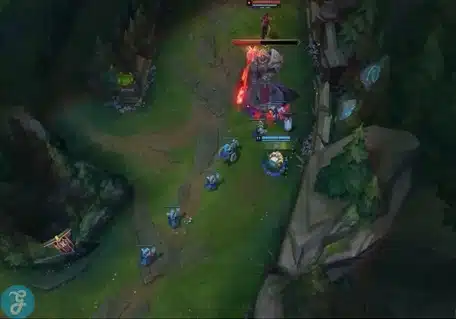
A crash is pushing the wave into the enemy tower so it dies to tower shots. This is how you secure clean recalls, open dive windows, and trigger wave bounces back toward you.
Crash when you want to reset lane state and move first.
Around this point in your learning, remind yourself why this matters. Complete League Of Legends Guide progress comes from choosing wave states on purpose, not from auto-attacking every wave.
Jungle Fundamentals: Pathing, Tracking, and Ganking
Jungle is the role of tempo. Your job is to be in the right place at the right time with the right plan. You do not need to gank constantly. You need to create advantages that lead to objectives.
If you do not jungle, you still need to understand jungle logic. It helps you avoid ganks and predict fights.
Simple Pathing for Consistency
A stable jungle plan usually includes three goals: clear efficiently, show up for safe ganks, and secure objectives with priority. If you force ganks with no setup, you fall behind and lose tempo.
Pick a clear route, then adapt based on lane states. Lanes that are pushed toward your side are easier to gank. Lanes that are pushing away are harder and riskier.
Tracking the Enemy Jungler Without Perfect Info
You do not need perfect tracking. You need basic predictions.
-
Notice which lane arrives late to lane, it can hint at leash.
-
Watch the minimap when lanes play aggressively, it can signal jungle presence.
-
Respect gank windows when you are pushed with no wards.
Good tracking is mostly avoiding obvious danger.
Ganking: Make It Easy for Yourself
The best ganks are the ones that do not require a miracle. Look for enemies who are pushed up, low on mobility, or missing summoners.
If the gank fails, do not tilt. Reset your plan, return to farming, and look for the next clean opportunity.
Objectives: The Jungle’s Real Scoreboard
Kills feel good, but objectives win games. Use ganks to create priority, then convert that priority into dragons, Herald, towers, and later Baron.
If you take an objective after a successful play, your lead becomes permanent.
Mid Game Macro: Rotations, Side Lanes, and Objective Setup
Mid game is where many games are thrown. Players group mid with no plan, fight repeatedly, and ignore side waves. If you want consistent wins, learn mid game structure.
Push Waves Before You Move
Waves are time. If you push a wave into the enemy tower, someone must catch it. That creates a window for you to rotate, ward, or start an objective.
If you move without pushing, you often lose gold and arrive late. That is how leads disappear.
Side Lanes: Pressure With a Purpose
Side laning is not AFK farming. It is controlled pressure that forces answers. Push to a safe point, then reposition before you get collapsed on.
If an objective is spawning soon, push the opposite side lane first, then rotate. This creates a choice for the enemy, answer the wave or contest the objective.
Vision Before Objectives
If you want to win objective fights, you need vision first. Vision lets you start fights on your terms and avoids face-check deaths that instantly lose games.
Arrive early, place wards, clear wards, and only then commit.
Teamfighting: Positioning, Targeting, and Cooldowns
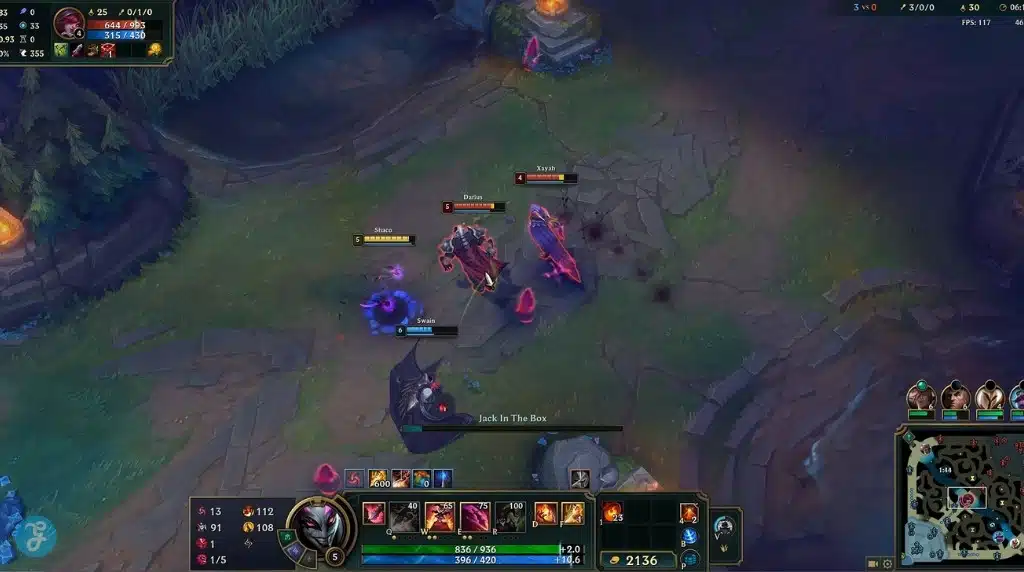
Teamfights are where small mistakes become big losses. The best teamfighters make the fight simpler. They position safely, hit consistent targets, and respect key cooldowns.
Positioning Rules That Win More Fights
If you are a damage dealer, stay alive first. Dead champions do no damage. Position behind your frontline, use terrain, and avoid walking into fog.
If you are engage or frontline, choose fights where your team can follow. A perfect engage is wasted if your team is too far away.
Targeting: Hit What You Can Safely Hit
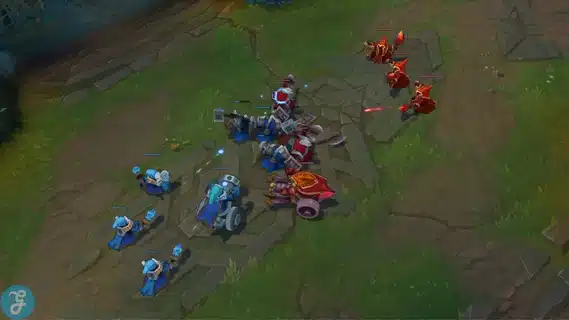
Many players lose fights by tunneling the enemy carry. Most fights are won by killing the closest safe target first. This keeps your damage consistent and reduces the chance you walk forward and die instantly.
Consistency beats hero moments in ranked.
Cooldown Discipline
Track the cooldowns that decide fights. You do not need to track everything, but you should respect major ultimates and summoners.
Fight when key enemy tools are down. Disengage when yours are down. This makes teamfights feel controlled instead of chaotic.
Ranked Climbing in 2026: A Repeatable Plan
If you want to know how to climb, focus on consistency. You climb by raising your average game, not by chasing your best game. That means fewer avoidable deaths, stronger farming, smarter recalls, and fights that lead to objectives.
This section focuses on repeatable behaviors you can use in every rank.
Play One Role and Keep a Small Pool
Ranked punishes inconsistency. If you change roles and champions constantly, you will lose to basic errors.
Commit to one role and two to three champions. Track results over weeks, not days.
Win Conditions: Decide Before the Game Starts
Every game has a win condition. Sometimes you win by scaling. Sometimes you win by snowballing. Sometimes you win by protecting one carry and playing slow.
Decide your plan in champ select and loading screen. Then make your lane and macro decisions match that plan.
Rank-by-Rank Focus
These are the most common “big wins” by rank range.
-
Iron and Bronze: Stability, fewer deaths, better CS, basic objectives.
-
Silver and Gold: Wave control, recall timing, clean conversions into plates and towers.
-
Platinum and Emerald: Vision discipline, better side lanes, fewer forced fights.
-
Diamond: Win condition play, tempo control, low error rate, cleaner setups.
Around this stage, keep the core idea in mind. Complete League Of Legends Guide climbing is about removing avoidable losses, not inventing new tricks.
A Simple Ranked Session Routine
If you want progress, treat ranked like practice with feedback.
-
Warm up with a short drill or a normal game.
-
Play ranked in focused blocks instead of endless queues.
-
Stop after two losses in a row to protect decision quality.
-
Review one moment per game where you died or lost tempo.
This routine prevents tilt and makes improvement measurable.
Practice Plan: A 30-Day Improvement Checklist
You do not need to practice everything at once. You need a plan you can actually follow. Use this 30-day checklist and adjust it to your schedule.
Week 1: Fundamentals and Comfort
-
Lock one role and two champions.
-
Practice CS in real games and track your 10-minute CS.
-
Fix one common death pattern, like pushing without vision.
Week 2: Waves and Recalls
-
Practice crashing waves before recalling.
-
Learn one wave state on purpose each game: freeze, slow push, or crash.
-
Avoid trading into large enemy waves.
Week 3: Mid Game Macro
-
Catch side waves instead of grouping mid every time.
-
Arrive early to objectives for vision and setup.
-
Convert kills into plates, towers, or objectives every time you can.
Week 4: Teamfights and Consistency
-
Position to stay alive and deal steady damage.
-
Target the closest safe enemy, not the dream target.
-
Track key cooldowns like Flash and major ultimates.
If you follow the checklist, you will feel more in control. Control is what produces rank.
Troubleshooting: Lag, FPS Drops, and Losing Streaks
Sometimes improvement is blocked by technical issues or mental spirals. Fixing those problems often gives you instant win rate gains.
If You Have Lag or FPS Drops
Start by stabilizing performance. A stable game is easier to play than a beautiful game.
-
Lower effects and shadows if teamfights stutter.
-
Cap FPS to a number your system can hold consistently.
-
Close background apps that cause spikes.
If You Are Stuck in a Losing Streak
Losing streaks often come from decision fatigue and tilt. The fix is changing how you queue, not changing everything about your play.
-
Stop queuing when you feel rushed or angry.
-
Review one mistake pattern instead of blaming teammates.
-
Reset with a break, then return with a clear goal.
If You Feel Overwhelmed by Information
League has endless content, but you do not need it all. Pick one theme per week, like CS or vision, and let the rest stay simple.
Progress happens when you repeat a few good habits, not when you collect a thousand tips.
Learning Faster by Watching Better Players
Watching strong players can teach you faster than playing, if you watch the right way. Do not only watch highlights. Watch the boring parts, wave control, recall timing, and where they stand before fights.
When you watch, ask:
-
How do they set up waves before moving?
-
When do they recall, and what do they buy?
-
How do they position before an objective spawns?
This turns watching into practice, not entertainment.
Wrap Up
League rewards players who stay consistent, learn fundamentals, and convert small advantages into objectives. Start with comfort and clarity, then master CS, wave control, and recall timing. Build mid game structure with side waves and vision, and keep teamfights simple with good positioning and safe targeting.
If you want a long-term plan that works across patches and metas, follow this Complete League Of Legends Guide system: one role, small champion pool, focused practice, and a ranked routine that protects your mental and your tempo.