
Purchasing commercial real estate is an exciting venture, whether envisioning a bustling café, a trendy retail shop, or a state-of-the-art office space. But before you pop the champagne, there’s a less glamorous — yet crucial — hurdle to cross: zoning laws. Understanding these laws is also essential to attracting potential tenants or buyers, so see how to boost your commercial real estate visibility by becoming an expert on local regulations. Zoning regulations dictate how a property can be used, and misunderstanding them can turn your dream investment into a bureaucratic nightmare. Let’s break down buyers’ most common zoning issues and how to tackle them head-on.
1. Mismatched Zoning Classifications
One of the most frequent zoning snags happens when the property’s zoning designation doesn’t match the buyer’s intended use. For instance, you may find a perfect space for a restaurant, only to discover it’s zoned for light industrial use. Suddenly, your plans for a cozy dinner service contradict local laws. Buyers should always confirm the property’s zoning classification early in the process — don’t assume a building’s past use reflects its current zoning status.
2. Non-Conforming Uses
Sometimes, a property operates under a “grandfathered” non-conforming use — meaning it was legally used for a purpose before new zoning laws took effect. While this may seem like a free pass, it can be a ticking time bomb. See how to boost your commercial real estate visibility by understanding these nuances, as potential buyers or tenants will want to know the long-term stability of the property. The non-conforming status can be revoked if the property remains vacant for a certain period or undergoes significant changes. This means you might be forced to rezone the property (a lengthy process) or abandon your business plans altogether.
3. Variance Roadblocks
If a property’s zoning doesn’t align with your vision, you might consider applying for a variance. This special exemption allows you to use the property in a way not normally permitted by the zoning laws. However, obtaining a variance isn’t a guaranteed win. It often involves public hearings, neighbor notifications, and proof that your intended use won’t negatively impact the surrounding community. The process can be time-consuming and costly, so factoring this into your timeline and budget is vital.
4. Setback and Height Restrictions
Zoning laws also regulate building dimensions — including how close structures can be to property lines (setbacks) and how tall they can be. Buyers planning expansions or new constructions can run into trouble if their designs exceed these restrictions. Imagine planning a multi-story office building, only to find out the maximum height allowance is capped at two stories. Thoroughly review local ordinances and work with an architect familiar with zoning requirements to avoid costly redesigns.
5. Parking and Traffic Requirements
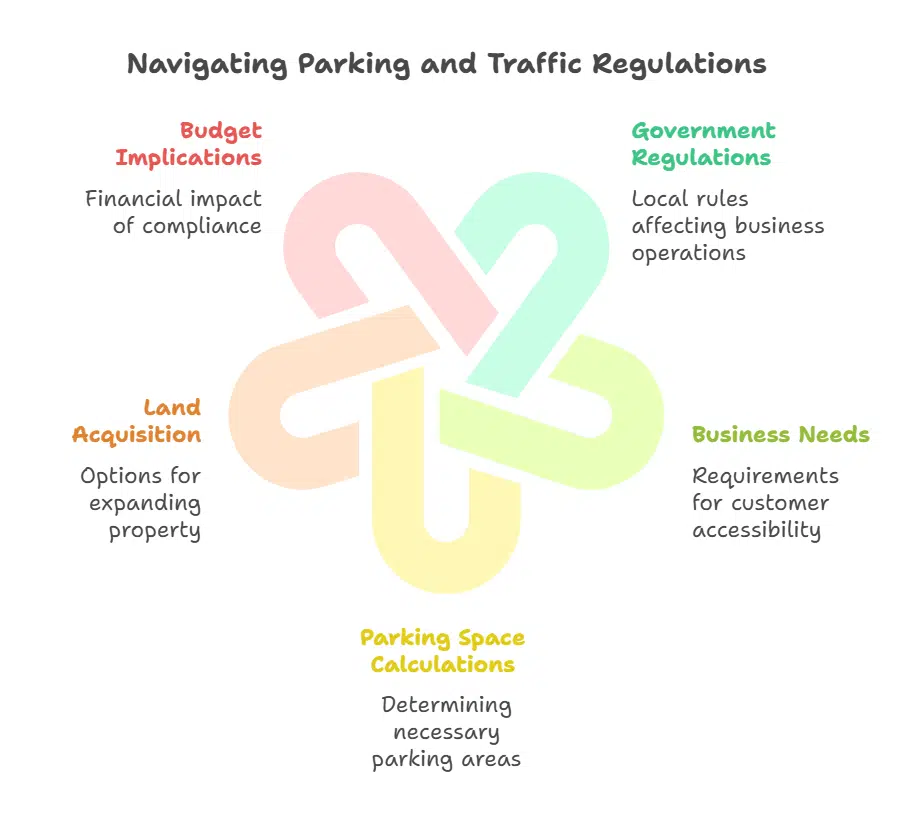
Local governments often impose parking and traffic stipulations, especially for businesses expecting high customer flow. For example, a retail store might need a minimum number of parking spaces per square footage of the shop floor. If the property can’t accommodate these requirements, you may need to purchase additional land or negotiate shared parking agreements, which can complicate your plans and inflate your budget.
6. Environmental and Special Use Restrictions
Certain properties fall under special zoning categories due to environmental concerns, such as wetlands protection or historic preservation zones. These restrictions can limit construction, renovations, or even certain business activities. Buyers should research whether their prospective property is in a special use zone and understand the added layers of regulation involved. To navigate these complexities effectively, consider partnering with a commercial real estate marketing agency with experience identifying and addressing zoning-related challenges.
7. Rezoning Challenges
In some cases, buyers try to rezone a property to fit their intended use better. While theoretically possible, rezoning is a complex, political process. It often requires demonstrating how the change benefits the community, gathering support from neighbors and local officials, and enduring a series of public hearings. It’s not a swift or sure-fire solution — so proceed with caution.
Proactive Steps for Buyers
So, how can you steer clear of these zoning pitfalls? Here are some proactive steps to take:
- Do your homework: Obtain a zoning verification letter from the local planning department.
- Consult professionals: Work with a real estate attorney and zoning consultant familiar with the area.
- Communicate early: If you foresee any zoning conflicts, address them upfront rather than hoping they’ll resolve themselves.
- Negotiate contingencies: Include zoning-related contingencies in your purchase contract to protect your investment.
Conclusion: Plan Smart, Invest Wisely
Zoning laws may not be the most thrilling part of purchasing commercial real estate, but they’re undeniably crucial. Ignoring them can jeopardize your investment, while mastering them sets the stage for a successful business venture. By staying informed, consulting with experts, and planning proactively, you can confidently navigate the zoning maze. So dream big — just make sure your plans are legally grounded first. Ready to tackle your next commercial real estate purchase? Keep zoning at the top of your checklist, and you’ll be well on your way to turning your business vision into a reality.