The͏͏ transition͏͏ from͏͏ on-premises͏͏ infrastructure͏͏ to͏͏ distributed͏͏ cloud͏͏ environments͏͏ has͏͏ fundamentally͏͏ redefined͏͏ the͏͏ enterprise͏͏ security͏͏ perimeter.͏͏ Modern͏͏ organizations͏͏ increasingly͏͏ rely͏͏ on͏͏ a͏͏ complex͏͏ ecosystem͏͏ of͏͏ cloud͏͏ services͏͏ to͏͏ maintain͏͏ operational͏͏ velocity͏͏ and͏͏ customer͏͏ engagement.͏͏ However,͏͏ this͏͏ shift͏͏ often͏͏ introduces͏͏ significant͏͏ visibility͏͏ gaps͏͏ and͏͏ management͏͏ complexity.͏͏
Many͏͏ security͏͏ teams͏͏ attempt͏͏ to͏͏ mitigate͏͏ these͏͏ risks͏͏ by͏͏ deploying͏͏ a͏͏ fragmented͏͏ array͏͏ of͏͏ point͏͏ solutions,͏͏ resulting͏͏ in͏͏ “tool͏͏ sprawl”͏͏ where͏͏ disparate͏͏ data͏͏ streams͏͏ fail͏͏ to͏͏ provide͏͏ a͏͏ cohesive͏͏ view͏͏ of͏͏ the͏͏ organizational͏͏ risk͏͏ posture.͏͏ To͏͏ achieve͏͏ operational͏͏ resilience,͏͏ enterprises͏͏ must͏͏ pivot͏͏ toward͏͏ an͏͏ integrated͏͏ cloud͏͏ security͏͏ platform͏͏ that͏͏ consolidates͏͏ telemetry͏͏ and͏͏ prioritizes͏͏ actionable͏͏ risk.
Establishing͏͏ Comprehensive͏͏ Cloud͏͏ Visibility
The͏͏ primary͏͏ requirement͏͏ for͏͏ any͏͏ enterprise-grade͏͏ cloud͏͏ security͏͏ platform͏͏ is͏͏ the͏͏ ability͏͏ to͏͏ provide͏͏ total͏͏ visibility͏͏ across͏͏ the͏͏ entire͏͏ digital͏͏ estate.͏͏ Organizations͏͏ cannot͏͏ secure͏͏ assets͏͏ that͏͏ remain͏͏ undiscovered.͏͏ It͏͏ is͏͏ common͏͏ for͏͏ decentralized͏͏ departments͏͏ to͏͏ provision͏͏ cloud͏͏ storage͏͏ or͏͏ compute͏͏ resources,͏͏ often͏͏ referred͏͏ to͏͏ as͏͏ “Shadow͏͏ IT”,͏͏ without͏͏ the͏͏ oversight͏͏ of͏͏ central͏͏ IT͏͏ or͏͏ security͏͏ governance.
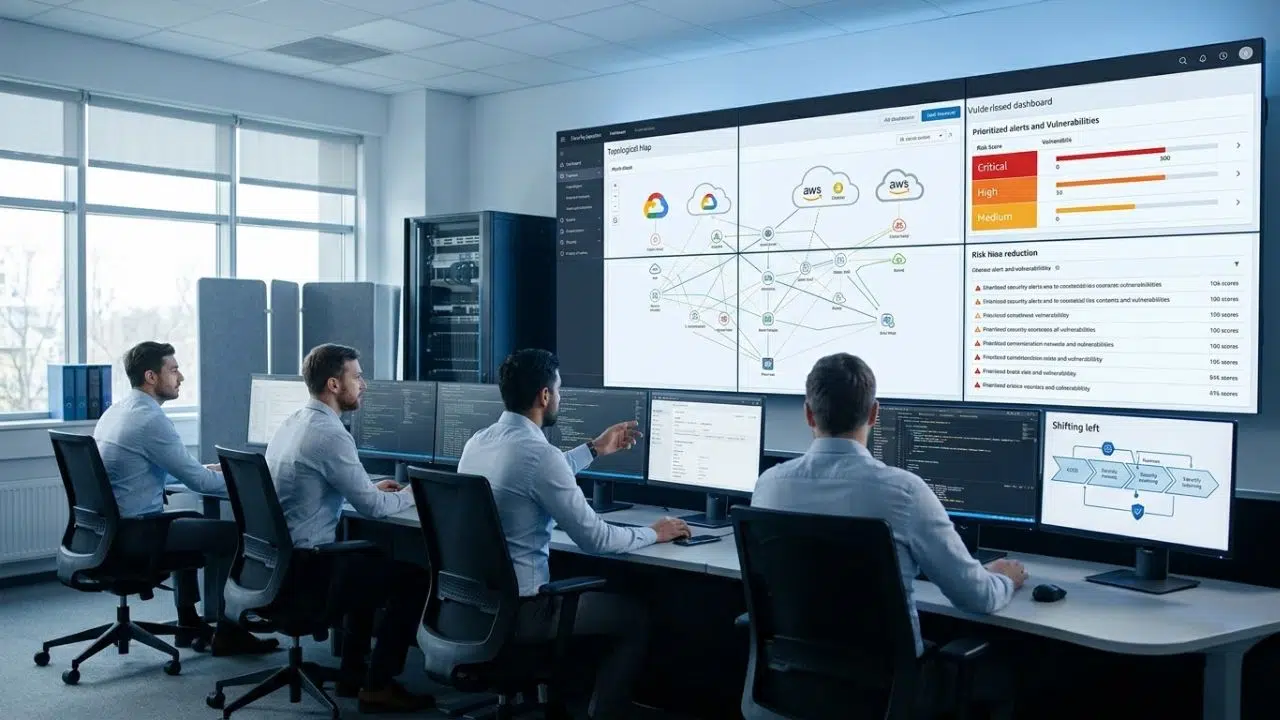
A͏͏ robust͏͏ cloud͏͏ security͏͏ platform͏͏ must͏͏ perform͏͏ continuous,͏͏ automated͏͏ discovery͏͏ of͏͏ all͏͏ cloud-native͏͏ assets,͏͏ including͏͏ containers,͏͏ serverless͏͏ functions,͏͏ and͏͏ storage͏͏ buckets.͏͏ This͏͏ automated͏͏ inventory͏͏ ensures͏͏ that͏͏ no͏͏ resource͏͏ remains͏͏ unmonitored.͏͏ By͏͏ establishing͏͏ a͏͏ single͏͏ source͏͏ of͏͏ truth,͏͏ security͏͏ leaders͏͏ can͏͏ identify͏͏ configuration͏͏ drifts͏͏ and͏͏ vulnerabilities͏͏ in͏͏ real-time,͏͏ preventing͏͏ minor͏͏ oversights͏͏ from͏͏ escalating͏͏ into͏͏ significant͏͏ security͏͏ incidents.
Risk͏͏ Prioritization͏͏ and͏͏ Noise͏͏ Reduction
When͏͏ evaluating͏͏ different͏͏ providers,͏͏ organizations͏͏ must͏͏ assess͏͏ how͏͏ a͏͏ cloud͏͏ security͏͏ platform͏͏ manages͏͏ the͏͏ high͏͏ volume͏͏ of͏͏ alerts͏͏ generated͏͏ by͏͏ complex͏͏ environments.͏͏ A͏͏ system͏͏ that͏͏ produces͏͏ thousands͏͏ of͏͏ undifferentiated͏͏ notifications͏͏ creates͏͏ “alert͏͏ fatigue,”͏͏ causing͏͏ security͏͏ analysts͏͏ to͏͏ overlook͏͏ critical͏͏ threats.
Effective͏͏ platforms͏͏ utilize͏͏ advanced͏͏ risk͏͏ scoring͏͏ to͏͏ categorize͏͏ vulnerabilities͏͏ based͏͏ on͏͏ their͏͏ exploitability͏͏ and͏͏ potential͏͏ business͏͏ impact.͏͏ By͏͏ assigning͏͏ a͏͏ quantifiable͏͏ risk͏͏ value͏͏ to͏͏ each͏͏ finding,͏͏ the͏͏ cloud͏͏ security͏͏ platform͏͏ allows͏͏ teams͏͏ to͏͏ prioritize͏͏ remediation͏͏ efforts͏͏ on͏͏ the͏͏ most͏͏ critical͏͏ exposures.͏͏ This͏͏ data-driven͏͏ approach͏͏ ensures͏͏ that͏͏ limited͏͏ engineering͏͏ resources͏͏ are͏͏ directed͏͏ toward͏͏ mitigating͏͏ risks͏͏ that͏͏ pose͏͏ the͏͏ greatest͏͏ threat͏͏ to͏͏ data͏͏ integrity͏͏ and͏͏ business͏͏ continuity,͏͏ rather͏͏ than͏͏ addressing͏͏ low-impact͏͏ telemetry.
Integrating͏͏ Security͏͏ into͏͏ the͏͏ DevOps͏͏ Lifecycle
Operational͏͏ efficiency͏͏ depends͏͏ on͏͏ the͏͏ seamless͏͏ integration͏͏ of͏͏ security͏͏ controls͏͏ into͏͏ existing͏͏ development͏͏ workflows.͏͏ If͏͏ security͏͏ measures͏͏ introduce͏͏ friction͏͏ or͏͏ delay͏͏ the͏͏ deployment͏͏ of͏͏ new͏͏ features,͏͏ they͏͏ risk͏͏ being͏͏ bypassed͏͏ by͏͏ development͏͏ teams,͏͏ which͏͏ inadvertently͏͏ increases͏͏ the͏͏ attack͏͏ surface.
A͏͏ unified͏͏ cloud͏͏ security͏͏ platform͏͏ should͏͏ facilitate͏͏ a͏͏ “Shift͏͏ Left”͏͏ strategy,͏͏ where͏͏ security͏͏ assessments͏͏ are͏͏ integrated͏͏ directly͏͏ into͏͏ the͏͏ CI/CD͏͏ pipeline.͏͏ By͏͏ scanning͏͏ code͏͏ and͏͏ infrastructure-as-code͏͏ (IaC)͏͏ templates͏͏ during͏͏ the͏͏ build͏͏ phase,͏͏ the͏͏ platform͏͏ identifies͏͏ weaknesses͏͏ before͏͏ they͏͏ are͏͏ deployed͏͏ to͏͏ production.͏͏ This͏͏ proactive͏͏ methodology͏͏ ensures͏͏ that͏͏ security͏͏ is͏͏ a͏͏ foundational͏͏ component͏͏ of͏͏ the͏͏ software͏͏ development͏͏ lifecycle,͏͏ reducing͏͏ the͏͏ need͏͏ for͏͏ costly͏͏ and͏͏ disruptive͏͏ reactive͏͏ patching.
Scalability͏͏ and͏͏ Architecture͏͏ Consistency
As͏͏ enterprises͏͏ scale,͏͏ they͏͏ often͏͏ adopt͏͏ multi-cloud͏͏ strategies͏͏ to͏͏ avoid͏͏ vendor͏͏ lock-in͏͏ and͏͏ enhance͏͏ service͏͏ availability.͏͏ However,͏͏ managing͏͏ security͏͏ across͏͏ multiple͏͏ providers͏͏ typically͏͏ leads͏͏ to͏͏ inconsistent͏͏ policies͏͏ and͏͏ fragmented͏͏ governance.͏͏ An͏͏ effective͏͏ cloud͏͏ security͏͏ platform͏͏ must͏͏ be͏͏ architected͏͏ to͏͏ support͏͏ multi-cloud͏͏ environments͏͏ natively,͏͏ providing͏͏ a͏͏ standardized͏͏ policy͏͏ framework͏͏ across͏͏ all͏͏ platforms.
A͏͏ centralized͏͏ architecture͏͏ ensures͏͏ that͏͏ security͏͏ configurations͏͏ and͏͏ compliance͏͏ mandates͏͏ remain͏͏ consistent͏͏ across͏͏ global͏͏ operations.͏͏ Whether͏͏ an͏͏ asset͏͏ is͏͏ deployed͏͏ in͏͏ a͏͏ local͏͏ or͏͏ international͏͏ region,͏͏ it͏͏ must͏͏ adhere͏͏ to͏͏ the͏͏ same͏͏ rigorous͏͏ security͏͏ standards.͏͏ Consolidating͏͏ oversight͏͏ within͏͏ a͏͏ single͏͏ cloud͏͏ security͏͏ platform͏͏ eliminates͏͏ the͏͏ “seams”͏͏ between͏͏ different͏͏ cloud͏͏ providers,͏͏ reducing͏͏ the͏͏ likelihood͏͏ of͏͏ human͏͏ error͏͏ and͏͏ ensuring͏͏ a͏͏ hardened͏͏ security͏͏ posture͏͏ across͏͏ the͏͏ entire͏͏ organization.
Final Thoughts
Selecting͏͏ the͏͏ appropriate͏͏ infrastructure͏͏ for͏͏ cloud͏͏ defense͏͏ is͏͏ a͏͏ critical͏͏ business͏͏ decision͏͏ that͏͏ impacts͏͏ long-term͏͏ stability͏͏ and͏͏ compliance.͏͏ In͏͏ the͏͏ evolving͏͏ landscape͏͏ of͏͏ 2026,͏͏ organizations͏͏ require͏͏ a͏͏ cloud͏͏ security͏͏ platform͏͏ that͏͏ is͏͏ sophisticated͏͏ enough͏͏ to͏͏ handle͏͏ dynamic͏͏ scaling͏͏ while͏͏ remaining͏͏ operationally͏͏ intuitive͏͏ for͏͏ the͏͏ teams͏͏ tasked͏͏ with͏͏ its͏͏ management.
The͏͏ objective͏͏ of͏͏ a͏͏ modern͏͏ security͏͏ strategy͏͏ is͏͏ not͏͏ the͏͏ total͏͏ elimination͏͏ of͏͏ risk,͏͏ which͏͏ is͏͏ unattainable͏͏ in͏͏ complex͏͏ digital͏͏ environments,͏͏ but͏͏ the͏͏ achievement͏͏ of͏͏ comprehensive͏͏ visibility͏͏ and͏͏ rapid͏͏ response͏͏ capabilities.͏͏ By͏͏ deploying͏͏ a͏͏ unified͏͏ cloud͏͏ security͏͏ platform,͏͏ enterprises͏͏ gain͏͏ the͏͏ technical͏͏ oversight͏͏ needed͏͏ to͏͏ identify,͏͏ prioritize,͏͏ and͏͏ remediate͏͏ vulnerabilities͏͏ before͏͏ they͏͏ can͏͏ be͏͏ exploited.͏͏ This͏͏ proactive͏͏ stance͏͏ ensures͏͏ that͏͏ cloud͏͏ infrastructure͏͏ remains͏͏ a͏͏ secure͏͏ accelerator͏͏ for͏͏ business͏͏ innovation͏͏ rather͏͏ than͏͏ a͏͏ source͏͏ of͏͏ unmanaged͏͏ liability.͏͏