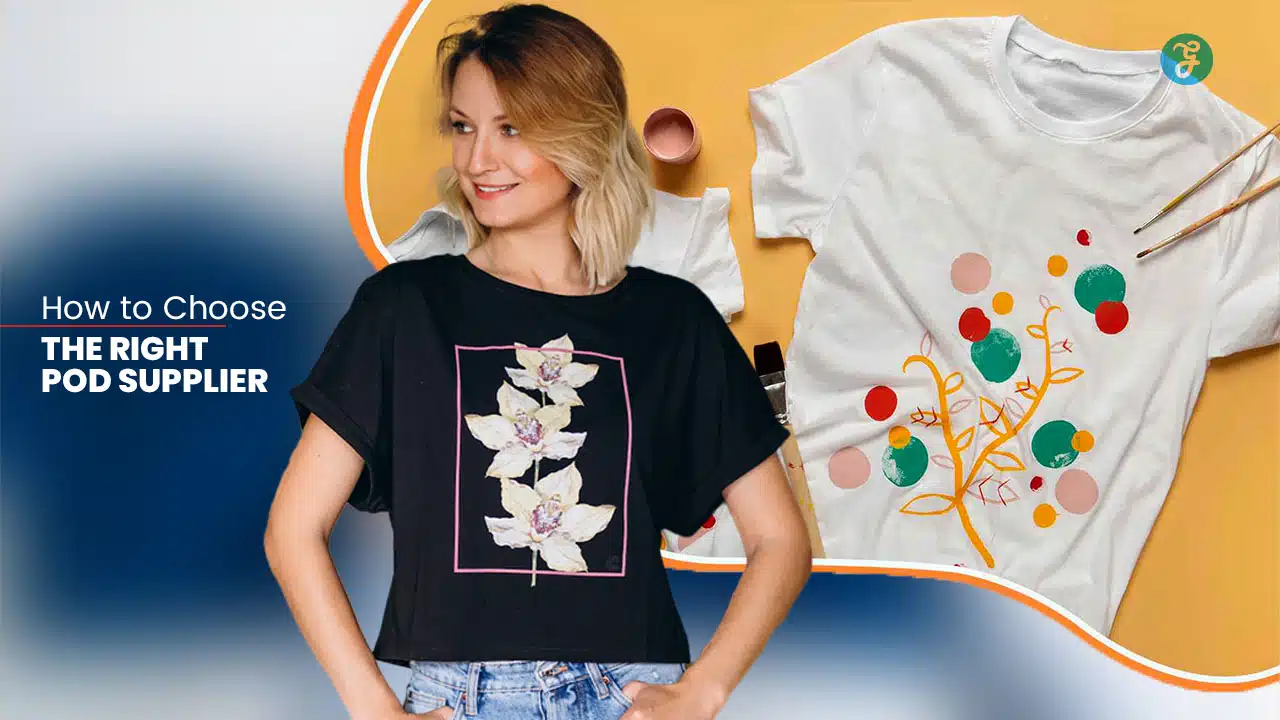
The print-on-demand (POD) business model has transformed the way entrepreneurs sell customized products. With POD, you don’t need to worry about inventory management, upfront costs, or production logistics.
However, the success of your POD business heavily depends on choosing the right supplier.
A good POD supplier ensures high-quality products, timely shipping, and seamless integration with your e-commerce platform. On the other hand, a poor choice can lead to customer dissatisfaction, negative reviews, and financial losses.
This guide explores 10 key factors to consider when choosing the right POD supplier, helping you make an informed decision that aligns with your business goals.
1. Product Quality and Variety
Product quality is the foundation of any successful print-on-demand (POD) business. Customers expect items that match their expectations in terms of material, durability, and print precision. A reliable POD supplier ensures consistent quality across all products, which builds customer trust and drives repeat business.
Additionally, offering a wide variety of products allows you to cater to different customer preferences, helping you stand out in a competitive market. From apparel and mugs to phone cases and home decor, a diverse catalog can help you attract and retain a broad customer base.
Before committing to a supplier, request samples to evaluate both the material quality and printing accuracy, ensuring they align with your brand standards.
Key Points to Consider:
- Consistency: Products should meet the same quality standards across all orders.
- Durability: Materials used should withstand regular wear and tear.
- Aesthetics: Designs should be printed with precision and vibrant colors.
| Supplier | Quality Rating (1-5) | Product Range |
| Supplier A | 4.8 | T-shirts, Mugs, Posters |
| Supplier B | 4.5 | Hoodies, Tote Bags, Phone Cases |
| Supplier C | 4.7 | Home Decor, Drinkware |
2. Printing Techniques and Customization Options
The printing technique a supplier uses can significantly influence the quality and durability of your products. Different techniques, such as direct-to-garment (DTG), sublimation, and embroidery, suit different product types and designs.
For example, DTG works well for detailed graphics on clothing, while sublimation is ideal for items like mugs and phone cases with all-over designs. Customization options, such as allowing customers to upload their designs or choose from multiple color variants, add a unique edge to your store.
A supplier offering advanced printing technologies and flexible customization ensures that your products meet a wide range of customer expectations.
Printing Techniques:
- DTG Printing: Best for apparel with intricate designs.
- Sublimation: Ideal for mugs and other hard-surface items.
- Embroidery: Suited for premium products like hats and jackets.
| Printing Method | Best For | Advantages |
| Direct-to-Garment | T-Shirts, Hoodies | High detail, no minimum order |
| Sublimation | Mugs, Phone Cases | All-over designs, vibrant colors |
| Embroidery | Caps, Jackets | Durable and premium look |
3. Pricing and Profit Margins
Pricing directly affects your profitability and competitiveness in the POD market. Suppliers set a base price for their products, which you can mark up to determine your selling price. A low base price leaves room for competitive pricing and healthy profit margins.
However, transparency is key—hidden fees like setup charges or premium shipping costs can erode profits. Additionally, bulk discounts and promotions can further improve your margins, especially during high sales seasons.
Understanding the full cost structure, including production, shipping, and potential discounts, allows you to price your products effectively while maximizing profits.
Key Considerations:
- Base Price: Evaluate the cost per item.
- Shipping Costs: Ensure they are reasonable and transparent.
- Bulk Discounts: Check if discounts are available for larger orders.
| Supplier | Base Price (T-Shirt) | Shipping Cost (USA) |
| POD Supplier A | $10.50 | $4.99 |
| POD Supplier B | $8.90 | $5.50 |
4. Shipping Speed and Costs
Shipping is one of the most critical aspects of customer satisfaction. A reliable POD supplier must offer competitive shipping rates and ensure timely deliveries. Customers often abandon orders due to high shipping costs or lengthy delivery times, so it’s essential to balance affordability with speed.
Suppliers that provide multiple shipping options, from standard to expedited, cater to different customer needs. For international businesses, global shipping capabilities and customs handling are important considerations.
Transparent pricing, real-time tracking, and reliable shipping partners enhance the overall customer experience and reduce the risk of disputes or returns.
Key Questions:
- What is the average shipping time for domestic orders?
- Do they offer expedited shipping options?
- Are tracking details provided for every order?
| Shipping Option | Delivery Time | Cost |
| Standard | 5–7 Business Days | $4.99 |
| Expedited | 2–3 Business Days | $8.99 |
5. Integration with E-Commerce Platforms
Effortless integration between your POD supplier and your e-commerce platform ensures streamlined operations and improved customer satisfaction. Suppliers that provide APIs or plugins for platforms like Shopify, WooCommerce, and Etsy enable automatic syncing of orders, inventory, and tracking updates.
This reduces manual errors, saves time, and ensures seamless order fulfillment. An easy-to-use dashboard with clear analytics can further simplify management, allowing you to focus on marketing and customer engagement. Suppliers with robust integration capabilities are a must-have for efficient and scalable POD operations, especially as your business grows.
Key Features:
- Ease of Integration: Check compatibility with your platform.
- Automation: Look for auto-syncing of orders and inventory.
- User Interface: Ensure the dashboard is intuitive and user-friendly.
| Platform | Supported by Supplier | Ease of Integration (1-5) |
| Shopify | Yes | 4.9 |
| WooCommerce | Yes | 4.7 |
6. Customer Support and Communication
Customer support is a critical factor when choosing a POD supplier. Whether you encounter an issue with an order, need help with integrations, or have questions about customization, prompt and efficient support is essential.
A supplier that offers multiple communication channels, such as email, phone, and live chat, ensures that you can reach them when needed. Additionally, having access to 24/7 support is a significant advantage, especially for businesses operating across time zones.
Dedicated account managers for high-volume sellers can further streamline communication and address complex requirements, making the supplier more reliable and user-friendly.
Questions to Ask:
- What is their average response time?
- Do they offer 24/7 support?
- Are there dedicated account managers for larger businesses?
| Support Feature | Availability | Response Time |
| Live Chat | 24/7 | 10–15 minutes |
| Email Support | 9 AM–6 PM (Weekdays) | 1–2 Business Hours |
7. Reviews and Reputation
A supplier’s reputation in the industry can give you valuable insights into their reliability and service quality. Reading customer reviews on platforms like Trustpilot, Google, or specialized e-commerce forums provides an overview of their strengths and weaknesses.
Look for consistent patterns in feedback, such as product quality, shipping speed, and customer service responsiveness. Additionally, consider joining social media groups or communities of POD sellers to gather firsthand experiences.
A supplier with a solid reputation and positive reviews is more likely to provide dependable service, helping you build a successful and sustainable business.
Sources of Reviews:
- Supplier websites (testimonials).
- Social media groups for e-commerce sellers.
- Independent review platforms like Trustpilot.
| Supplier | Average Rating | Review Count |
| POD Supplier A | 4.7/5 | 1,200 Reviews |
| POD Supplier B | 4.5/5 | 980 Reviews |
8. Return and Refund Policies
A clear and fair return and refund policy protects your business and reassures customers about their purchases. Suppliers should offer an easy process for handling defective products, incorrect orders, or damaged shipments.
Understanding who covers the return shipping costs, the time frame for initiating returns, and the conditions for refunds or replacements is crucial.
A transparent return policy builds trust with customers and minimizes disputes, ensuring a positive shopping experience. Before committing to a supplier, thoroughly review their terms to ensure they align with your business model and customer service goals.
Key Policy Points:
- Who covers return shipping?
- What is the refund timeline?
- Are replacements offered for damaged items?
| Policy Feature | Details |
| Return Window | 30 Days |
| Refund Timeline | 5–7 Business Days |
9. Sustainability and Ethical Practices
As sustainability becomes a priority for consumers, partnering with an eco-conscious POD supplier can enhance your brand’s appeal. Look for suppliers that use sustainable materials, biodegradable packaging, and energy-efficient production methods.
Certifications like Fair Trade or Organic add credibility to their practices, appealing to environmentally conscious customers. Additionally, ethical labor practices ensure that workers involved in production are treated fairly.
By aligning your brand with a supplier that prioritizes sustainability, you contribute to environmental conservation while meeting the demands of socially responsible consumers.
Sustainable Practices:
- Use of biodegradable packaging.
- Energy-efficient production processes.
- Commitment to fair labor practices.
| Supplier | Eco-Friendly Features |
| POD Supplier A | Biodegradable packaging, sustainable inks |
| POD Supplier B | Carbon-neutral shipping |
10. Scalability and Long-Term Potential
Scalability is a vital consideration for long-term success in the POD business. Your supplier should be able to handle increasing order volumes as your business grows. They should also offer options for expanding your product catalog, introducing new categories, or accommodating custom branding requests like packaging inserts.
A supplier with a proven track record of scaling with other businesses ensures that your operations remain smooth during periods of growth. Choosing a supplier that prioritizes innovation and supports scalability helps future-proof your business and paves the way for sustainable expansion.
| Growth Feature | Details |
| Order Volume Capacity | Handles 500+ orders/month |
| Custom Branding | Offers branded packaging |
Final Thoughts
Choosing the right POD supplier is a crucial decision that impacts your business’s quality, profitability, and customer satisfaction.
By considering factors such as product quality, pricing, shipping, and customer support, you can ensure a seamless partnership that supports your growth and aligns with your brand values.
Carefully research and test suppliers before committing to one, as the right choice will set the foundation for your POD business’s long-term success. Let me know if you’d like further elaboration or additional insights!