In a world where self-care is paramount, beauty products have become an essential part of our daily routines. However, as awareness about the negative effects of chemicals on skin health grows, many are turning towards more natural options.
The shift towards chemical-free alternatives to your favorite beauty products is not just a trend; it’s a conscious decision to embrace healthier, safer, and more sustainable options. If you’re ready to ditch harsh chemicals and take a step toward natural beauty, you’re in the right place.
This article will guide you through 7 chemical-free alternatives to your favorite beauty products, helping you make more informed, eco-conscious choices for your beauty regimen.
From cleansers to makeup, we’ve got you covered with safe and effective natural substitutes. So, let’s explore how to transform your beauty routine with these chemical-free options.
Introduction to Chemical-Free Beauty Products
Beauty products are designed to enhance our skin and hair, but many contain chemicals that can be harmful over time. Parabens, sulfates, artificial fragrances, and synthetic dyes are just some of the chemicals commonly found in beauty products.
While these ingredients can deliver immediate results, they can also cause skin irritation, dryness, and long-term health risks.
Switching to chemical-free alternatives to your favorite beauty products offers a solution. By choosing products made with natural ingredients, you can avoid the potential dangers of chemicals while still achieving the beauty results you desire.
These products are often gentler on the skin, better for the environment, and more sustainable in the long run.
The Benefits of Going Natural in Your Beauty Routine
There are numerous benefits to incorporating chemical-free alternatives to your favorite beauty products into your daily routine:
- Healthier skin: Natural ingredients are often packed with vitamins and antioxidants, which nourish and repair your skin without causing irritation.
- Eco-friendly: Chemical-free products are typically biodegradable and produced with sustainability in mind, reducing environmental harm.
- Long-term benefits: Natural ingredients often provide cumulative benefits, improving the health of your skin and hair over time.
- Cruelty-free: Many chemical-free brands focus on ethical practices, including not testing on animals and using responsibly sourced ingredients.
How to Transition to Chemical-Free Alternatives?
Making the switch to chemical-free alternatives to your favorite beauty products doesn’t have to be overwhelming. Start by phasing out one product at a time.
Begin with products you use daily, such as cleansers or moisturizers, and gradually replace them with their natural counterparts. Read labels carefully to ensure that the products are truly free from harmful chemicals. You can also look for certifications such as “organic,” “non-toxic,” or “cruelty-free” to help guide your choices.
1. Chemical-Free Facial Cleansers
Cleansers are an essential part of any skincare routine, but many conventional cleansers contain sulfates, parabens, and artificial fragrances, which can strip your skin of its natural oils and disrupt its protective barrier. These chemicals can also cause dryness, irritation, and breakouts. Switching to chemical-free facial cleansers ensures that you are treating your skin with gentleness and care.
Best Natural Alternatives to Popular Facial Cleansers
When it comes to chemical-free alternatives to your favorite beauty products, there are a variety of natural options available that can cleanse your skin effectively without the harmful effects of chemicals. Here are some of the top choices:
Coconut Oil as a Cleanser
Coconut oil is an excellent natural cleanser that gently removes dirt, makeup, and impurities from the skin. Rich in fatty acids, it moisturizes the skin while cleansing, making it an ideal choice for dry or sensitive skin. To use, simply massage a small amount of coconut oil into your skin and wipe away with a soft cloth.
Honey and Aloe Vera for Gentle Cleansing
Honey is naturally antibacterial and can help with acne-prone skin. Aloe vera, on the other hand, has soothing and hydrating properties. Together, these ingredients make a wonderful chemical-free cleanser that cleanses the skin without causing irritation. Simply mix honey with aloe vera gel, apply to your face, and rinse off with lukewarm water.
How to Use Natural Cleansers Effectively
To get the most out of your chemical-free facial cleansers, use them consistently and ensure that you’re choosing one suited to your skin type. For example, oily skin may benefit from a cleanser containing tea tree oil or lemon, while dry skin can benefit from coconut oil or honey-based cleansers. Always follow up with a moisturizer to lock in hydration.
2. Chemical-Free Moisturizers for Glowing Skin
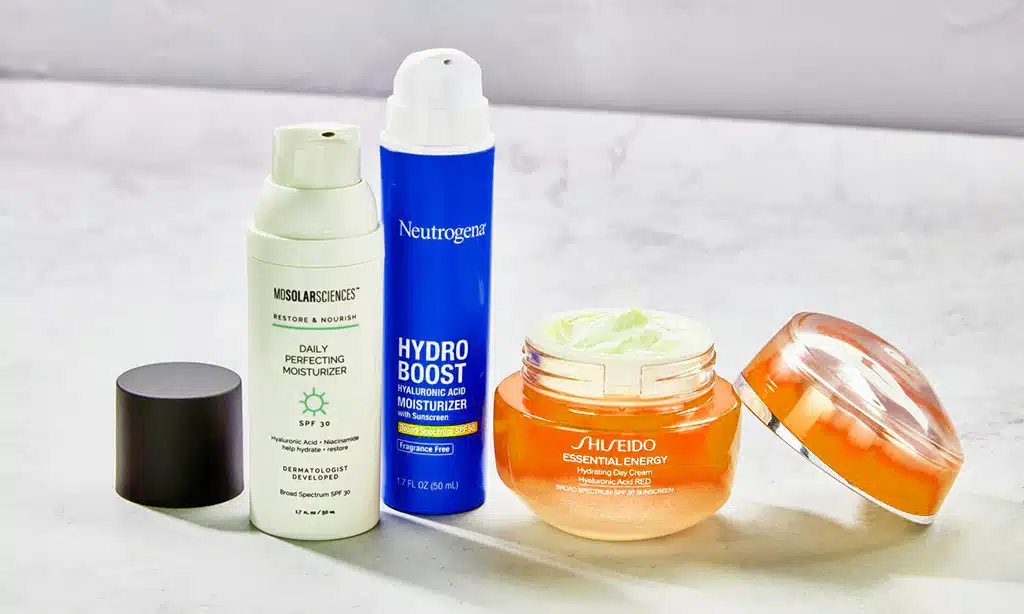
Many store-bought moisturizers contain ingredients like parabens, phthalates, and synthetic fragrances, which can disrupt your skin’s natural balance and lead to dryness or allergic reactions. By opting for chemical-free moisturizers, you can nourish your skin with safe, natural ingredients that provide long-lasting hydration.
Top Chemical-Free Moisturizer Alternatives
Switching to chemical-free alternatives to your favorite beauty products in the form of moisturizers can transform your skin. Here are some of the best natural alternatives:
Jojoba Oil for Deep Hydration
Jojoba oil is one of the most effective natural moisturizers available. Its molecular structure closely resembles that of human sebum, making it ideal for balancing oil production on the skin. Jojoba oil can be used on its own or combined with other ingredients like vitamin E oil for added benefits.
Shea Butter for Nourishing and Repairing Skin
Shea butter is a rich, emollient substance derived from the nuts of the shea tree. It’s packed with essential fatty acids and vitamins A and E, which help to nourish, hydrate, and repair the skin. This thick butter is perfect for dry or damaged skin, providing deep moisture and promoting skin regeneration.
Choosing the Right Natural Moisturizer for Your Skin Type
Different skin types require different moisturizers. Those with oily skin may want to opt for lighter, water-based moisturizers, while those with dry skin will benefit from thicker, oil-based moisturizers like shea butter. Always choose a product that suits your individual needs to ensure maximum benefits.
3. Natural Face Masks for Healthier Skin
Many store-bought face masks are packed with chemicals that can irritate the skin or lead to long-term damage. Ingredients like sodium lauryl sulfate and alcohol can dry out your skin and disrupt its natural balance. By switching to chemical-free face masks, you can enjoy the benefits of natural skincare without the harmful side effects.
Popular Chemical-Free Face Mask Alternatives
There are numerous chemical-free alternatives to your favorite beauty products when it comes to face masks. These natural alternatives can detoxify, hydrate, and nourish your skin:
Avocado and Honey Mask for Soft Skin
Avocado is loaded with healthy fats and vitamins that help hydrate and nourish the skin, while honey’s antibacterial properties can help prevent breakouts. To make this mask, simply mash half an avocado and mix it with a tablespoon of honey. Apply to the face, leave on for 10–15 minutes, and rinse off with warm water.
Clay Masks for Detoxifying the Skin
Clay masks are excellent for absorbing excess oils and impurities from the skin. Bentonite clay, for example, is known for its detoxifying properties and can help clear out clogged pores. Mix the clay with water or apple cider vinegar to form a paste, apply it to your face, and rinse off once it has dried.
How to Make Your Own DIY Chemical-Free Face Masks
Making your own chemical-free face masks is simple, and it allows you to customize the ingredients based on your skin’s needs. Experiment with different combinations of natural ingredients like yogurt, oatmeal, turmeric, and aloe vera to create the perfect mask for your skin type.
4. Chemical-Free Hair Shampoos and Conditioners
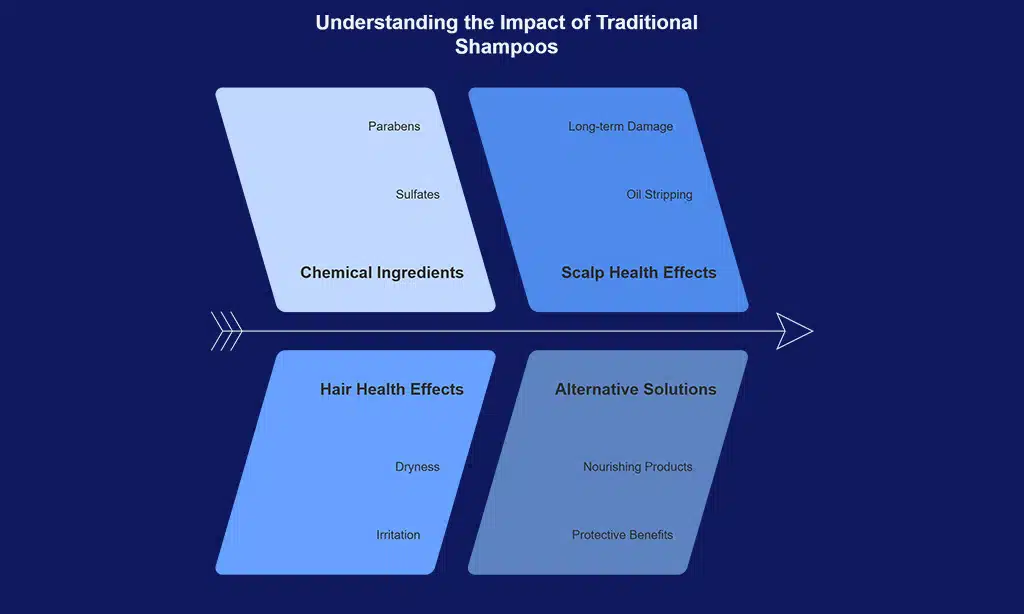
Traditional shampoos are often loaded with sulfates, parabens, and silicones, which can strip the scalp of its natural oils and lead to dryness or irritation. These chemicals can also cause long-term damage to your hair, leaving it dull and lifeless. By switching to chemical-free hair care products, you can nourish and protect your hair without the harsh chemicals.
Best Chemical-Free Shampoo and Conditioner Alternatives
For those looking for chemical-free alternatives to your favorite beauty products, here are some great natural hair care options:
Tea Tree Oil and Coconut Milk Shampoo
Tea tree oil has natural antifungal and antibacterial properties, making it perfect for maintaining a healthy scalp. When combined with coconut milk, which moisturizes the hair, it creates a soothing and hydrating shampoo. Look for products that combine these two ingredients or mix them yourself for a DIY hair care solution.
Apple Cider Vinegar Rinse for Healthy Scalp
Apple cider vinegar is a great way to balance the pH of your scalp, remove buildup, and promote shiny, healthy hair. Simply mix one part apple cider vinegar with two parts water and use it as a final rinse after shampooing. This will help restore your hair’s natural shine and remove any residue left behind by styling products.
Tips for Switching to Natural Hair Care Products
Transitioning to chemical-free hair care products may take some time. Start by replacing one product at a time and be patient as your scalp adjusts to the new routine. It may take a few weeks for your hair to feel its best, but the long-term benefits will be worth it.
5. Natural Deodorants for Odor Control
Many antiperspirants contain aluminum compounds that block sweat glands and prevent perspiration. However, these ingredients have been linked to health concerns, including skin irritation and even breast cancer. By switching to chemical-free deodorants, you can keep your underarms fresh without the harmful side effects.
Top Chemical-Free Deodorant Alternatives
Here are some great natural alternatives to chemical-free deodorants that will keep you feeling fresh all day:
Baking Soda and Arrowroot Powder Deodorant
Baking soda helps neutralize odor, while arrowroot powder absorbs moisture. This combination makes an effective and natural deodorant that keeps you dry and smelling fresh. You can create your own by mixing these ingredients with coconut oil or shea butter for added moisture.
Essential Oils for Freshness
Essential oils like lavender, eucalyptus, and tea tree oil have antibacterial properties that can help reduce body odor. Combine a few drops with a carrier oil like coconut or jojoba oil and apply it to your underarms for a refreshing and natural alternative to conventional deodorants.
How to Apply Natural Deodorants Effectively
When using chemical-free deodorants, be sure to apply them to clean, dry skin. You may need to reapply throughout the day, especially during hot weather or after intense exercise.
6. Chemical-Free Sunscreens for Skin Protection
Traditional sunscreens often contain harmful chemicals like oxybenzone, avobenzone, and octinoxate, which have been linked to skin irritation, hormone disruption, and environmental harm, particularly to marine life. These chemicals can absorb into your skin and enter your bloodstream, potentially causing long-term health risks. Additionally, many sunscreens contain nanoparticles that can be harmful when inhaled or absorbed into the skin.
Switching to chemical-free sunscreens helps avoid these risks and provides effective sun protection using natural ingredients that are safer for both your skin and the environment. Chemical-free sunscreens are typically mineral-based, using ingredients like zinc oxide and titanium dioxide, which act as physical barriers to UV rays, offering broad-spectrum protection without toxic side effects.
Natural Sunscreen Alternatives for Safe Sun Exposure
If you’re looking to protect your skin without the chemicals, here are some chemical-free alternatives to your favorite beauty products when it comes to sunscreen:
Zinc Oxide Sunscreen
Zinc oxide is one of the best natural sunblocks available. It works by sitting on top of the skin and physically blocking harmful UV rays, rather than absorbing them like chemical sunscreens. Zinc oxide is gentle, non-irritating, and provides long-lasting protection from both UVA and UVB rays. It’s especially beneficial for sensitive skin and for people who are prone to sunburns.
Aloe Vera for Sunburn Relief
Aloe vera is a natural ingredient that soothes and hydrates the skin, making it an excellent after-sun treatment. If you happen to get a sunburn, applying pure aloe vera gel will help reduce redness and discomfort. It also speeds up the healing process by cooling the skin and reducing inflammation.
Tips for Choosing the Right Natural Sunscreen
When selecting a chemical-free sunscreen, always look for broad-spectrum protection (UVA and UVB) and choose products that use natural mineral-based ingredients like zinc oxide or titanium dioxide. Avoid sunscreens that contain added fragrances or alcohol, which can irritate the skin. You should also check for certifications like “reef-safe,” indicating that the product is safe for the environment.
If you’re concerned about the white cast left by zinc oxide sunscreens, look for formulations that use micronized zinc oxide, which can provide a more invisible finish. It’s also worth noting that mineral sunscreens may need to be reapplied more often than chemical sunscreens, so be sure to top up your protection during prolonged sun exposure.
7. Chemical-Free Makeup for a Healthier Glow
Traditional makeup products often contain synthetic ingredients like parabens, phthalates, and synthetic dyes, which can be harmful to your skin and may contribute to long-term health problems. Additionally, many makeup products are tested on animals, which is not aligned with ethical beauty practices.
Switching to chemical-free makeup ensures that you’re using products that are not only better for your skin but are often cruelty-free and eco-friendly as well.
Natural makeup products are made with organic, non-toxic ingredients such as mineral pigments, plant oils, and natural waxes. These ingredients are gentler on the skin, allowing it to breathe while providing a radiant, healthy glow.
Best Natural Makeup Alternatives
When it comes to makeup, there are plenty of chemical-free alternatives to your favorite beauty products that allow you to create a flawless look without the harmful chemicals. Here are some top recommendations:
Mineral Foundation for a Light Finish
Mineral foundation is a great alternative to traditional liquid or powder foundations. Made from natural minerals such as zinc oxide, titanium dioxide, and mica, mineral foundations are gentle on the skin while providing buildable coverage. They are often free from parabens, fragrances, and synthetic fillers, making them ideal for sensitive skin. They also have natural sun protection properties, offering some level of SPF.
Natural Lipsticks Free from Harmful Ingredients
Conventional lipsticks often contain toxic chemicals like lead, parabens, and synthetic fragrances. Instead, you can opt for natural lipsticks made from organic plant-based ingredients, such as shea butter, beeswax, and natural pigments. These lipsticks provide vibrant color without compromising your health. They also offer moisturizing benefits, keeping your lips soft and hydrated throughout the day.
Natural Eyeshadows and Blushes
Many traditional eyeshadows and blushes contain talc, synthetic dyes, and preservatives that can irritate your skin. However, chemical-free makeup alternatives use mineral-based pigments that are safe for the delicate skin around your eyes and cheeks. Natural eyeshadows made from ingredients like mica, iron oxide, and titanium dioxide provide long-lasting color without the risk of skin irritation. Similarly, natural blushes made from plant-based ingredients will give you a natural flush of color without harmful chemicals.
How to Create a Full Makeup Look with Chemical-Free Products
Creating a complete makeup look with chemical-free alternatives to your favorite beauty products is not only possible but easy with the right tools. Start with a mineral foundation for even coverage, then enhance your eyes with natural eyeshadows and liners. Finish off the look with a natural blush and lipstick to add a pop of color.
If you’re not sure where to start, look for makeup brands that offer full product lines of clean, natural makeup. Many eco-conscious beauty brands now provide chemical-free makeup options that are as high-quality as their conventional counterparts, ensuring you don’t have to compromise on performance.
Wrap Up: Embracing Chemical-Free Beauty Alternatives
Transitioning to chemical-free alternatives to your favorite beauty products is more than just a trend — it’s a lifestyle choice that benefits both your health and the environment. By opting for natural, non-toxic beauty products, you can nourish your skin, protect your body from harmful chemicals, and support ethical, cruelty-free brands that align with your values.
Whether you’re looking to replace your facial cleansers, moisturizers, sunscreens, or makeup products, there are countless natural alternatives that can provide superior results without the use of harsh chemicals. These chemical-free products are gentler on your skin, often offer better long-term results, and contribute to a more sustainable and eco-friendly world.
As you make the switch to natural beauty products, remember that patience is key. Your skin may take time to adjust to new routines, but over time, you’ll notice healthier, more radiant skin and a stronger sense of well-being. So, embrace the power of natural beauty and enjoy the long-lasting benefits of chemical-free alternatives to your favorite beauty products.
By choosing natural, safe alternatives, you’re not only doing your skin a favor but also taking part in a larger movement towards more conscious, sustainable beauty practices. Happy, healthy beauty is just a product swap away!