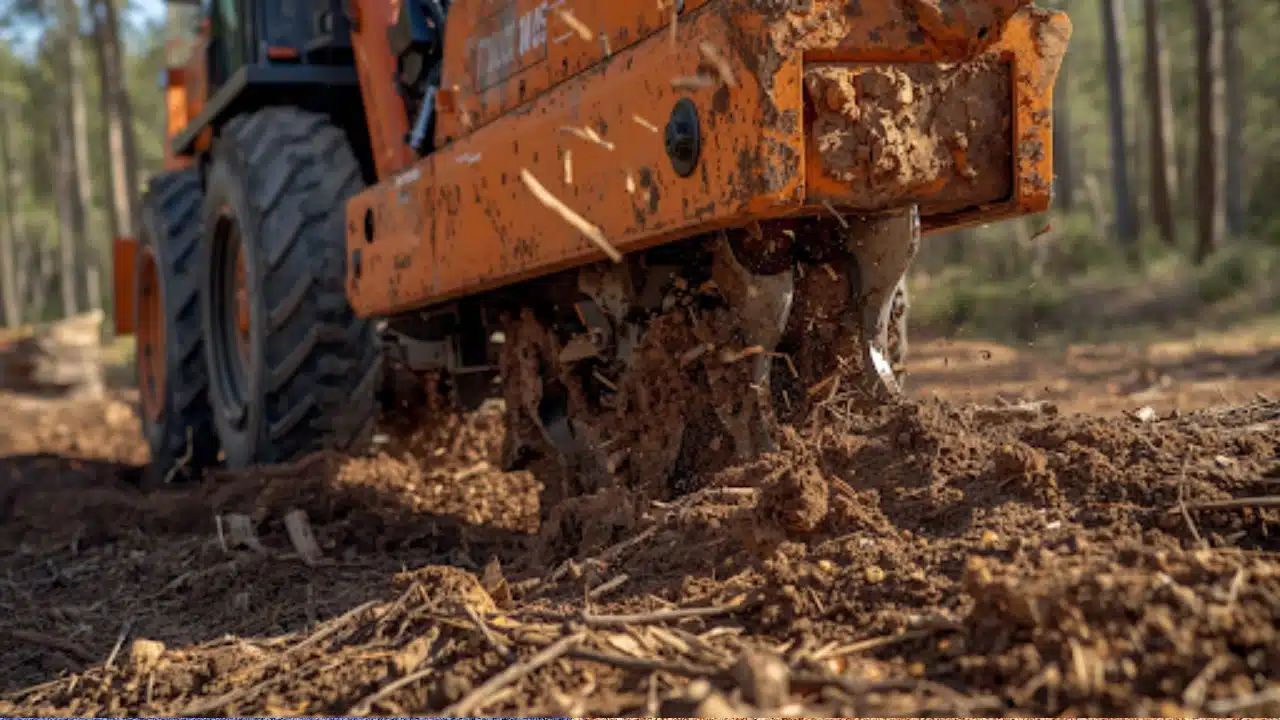
Clearing land is hard work. It is tough to complete a job with rigid stumps, roots, and tough soil that make every job slower and messier than anyone wants. You will spend more time swapping parts and less time getting the job done if the teeth on your grinder aren’t up to the task.
This is where carbide stump grinder teeth come into the picture. These tools can change the way you work on every site. small but mighty. They last longer, cut cleaner, and save time, fuel, and effort.
The Problem with Standard Teeth
Most stump grinder teeth wear out fast. Steel teeth are okay, but give them tough soil or thick roots, and they dull quickly. That means frequent stops to replace them, which kills your momentum.
Slow work doesn’t just frustrate operators. It adds up in costs. Machines burn fuel while waiting. Labor hours pile up. Deadlines slip. And even if the machine is fine, inefficient teeth make the project take longer.
It’s not just about speed either. Dull teeth can damage the machine or create uneven cuts. Soil gets churned, and the site may need extra work later.
Why Carbide Makes a Difference
Carbide is hard. Really hard. It keeps its edge far longer than steel and handles heat better. That means it can grind roots and stumps without slowing down.
Operators notice the difference immediately. Fewer stops for maintenance, cleaner cuts, and less stress on the machine. Even rocky soil or heavy stumps don’t slow down work as much. The teeth stay sharp, and the grinder keeps moving.
These teeth aren’t magic, but they feel close. Work that would take hours with worn-out steel teeth suddenly goes faster and smoother. Projects finish quicker, and the team gets more done each day.
Real Impact on the Job
Think about a typical clearing site. Stumps everywhere, different sizes, all stubborn. Regular teeth might need multiple passes to get the job done. Carbide teeth get through tougher material in fewer passes.
Less time spent grinding stumps means operators can focus on other parts of the job. Less downtime means machines run longer without breaks for repairs or part changes.
And it’s not just speed. Smooth, even cuts make follow-up work easier. Mulch stays where it should, soil isn’t torn up, and the site stays in better condition. That’s efficiency you can see and feel.
Saving Resources Without Thinking About It
Long-lasting teeth save more than time. Fewer replacements mean less waste and less demand for new materials. Fuel use drops because machines don’t need to idle or redo work as much.
It’s simple. Durable tools = less material, less fuel, less stress on the environment. A small change in parts makes a big difference for the project and the planet.
Choosing the Right Teeth
Not every carbide tooth fits every grinder. Operators think about soil type, stump size, and how the machine handles attachments. Matching the right teeth to the job keeps performance high.
Maintenance is simple but important. Check teeth regularly, install them correctly, and avoid forcing them sideways. Sharp teeth last longer, work better, and make the operator’s day easier.
Looking Ahead
Technology keeps changing even in the simple parts of forestry equipment. Carbide teeth might not look impressive, but they carry a lot of weight in how the work gets done.
Better material, better performance, and smarter designs mean that small tools can make huge improvements. Faster projects, less fuel, less downtime, better results. All thanks to teeth that do their job without complaining.
Land clearing isn’t just about machines or brute force. It’s about using the right tools in the right way. Carbide stump grinder teeth show that a small, well-made component can transform a job from slow and frustrating to efficient and manageable.
The machines you use are important. The teeth on those machines might be even more important. Pick them wisely, treat them well, and the work gets done faster, cleaner, and with less hassle for everyone.