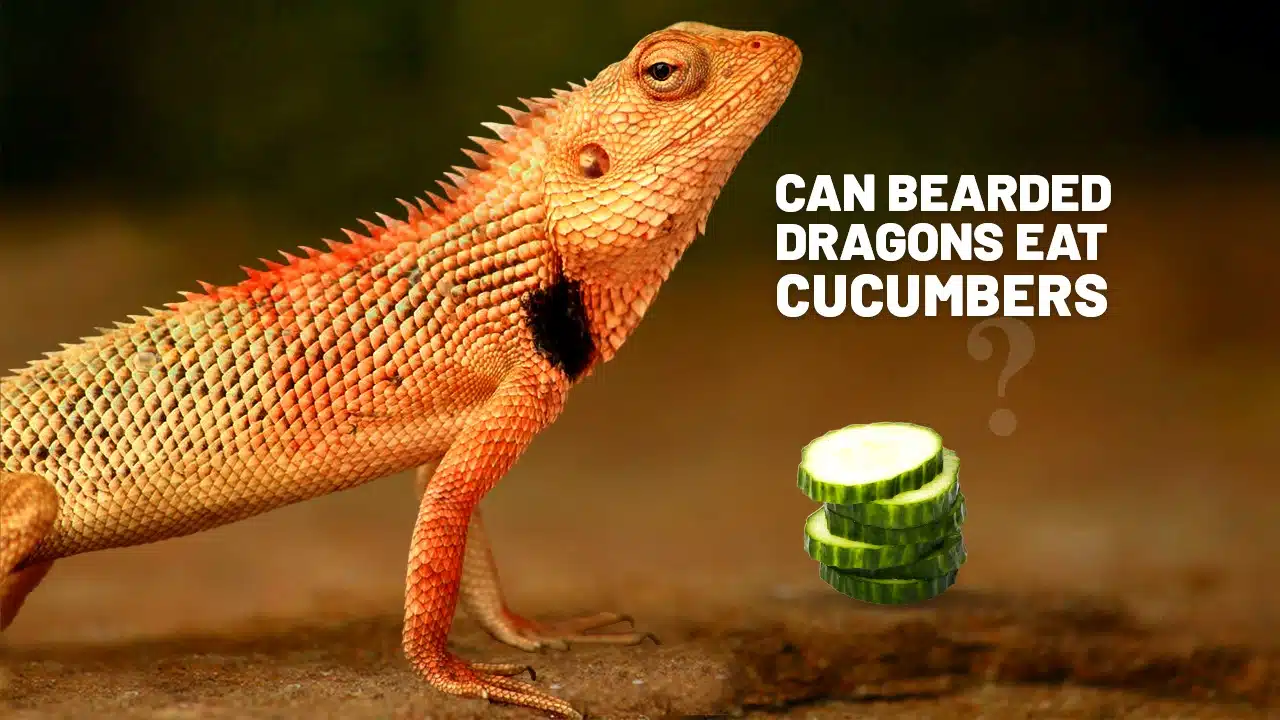
Bearded dragon owners often wonder about the best foods for their scaly friends. Cucumbers are a common household vegetable, but are they safe for these reptiles? Many pet parents are unsure about adding cucumbers to their bearded dragon’s diet and worry about potential health risks.
Can bearded dragons eat cucumbers? Cucumbers contain fiber, vitamin C, and vitamin K, which can be beneficial for bearded dragons. This article will explore the pros and cons of feeding cucumbers to your pet lizard.
We’ll cover how often they can eat cucumbers, how to prepare them safely, and what other foods should be part of a balanced diet. Read on to learn if cucumbers are a good choice for your bearded dragon.
Nutritional Benefits of Cucumbers for Bearded Dragons
Can bearded dragons eat cucumbers? Cucumbers offer several nutritional benefits for bearded dragons. These refreshing vegetables contain essential vitamins and minerals that support reptile health. Fiber in cucumbers aids digestion, while Vitamin K promotes blood clotting and bone strength.
Vitamin C boosts the immune system, and potassium helps maintain proper muscle and nerve function. Manganese and magnesium contribute to overall growth and development.
Bearded dragons can benefit from the low-acid nature of cucumbers, which may help with stomach issues. The high water content in cucumbers also assists with hydration, especially important for these desert-dwelling reptiles.
While cucumbers shouldn’t be a main food source, they can be a nutritious addition to a varied diet that includes leafy greens, insects, and other vegetables.
Can Bearded Dragons Eat Cucumbers: How Often Can Bearded Dragons Eat Cucumbers?
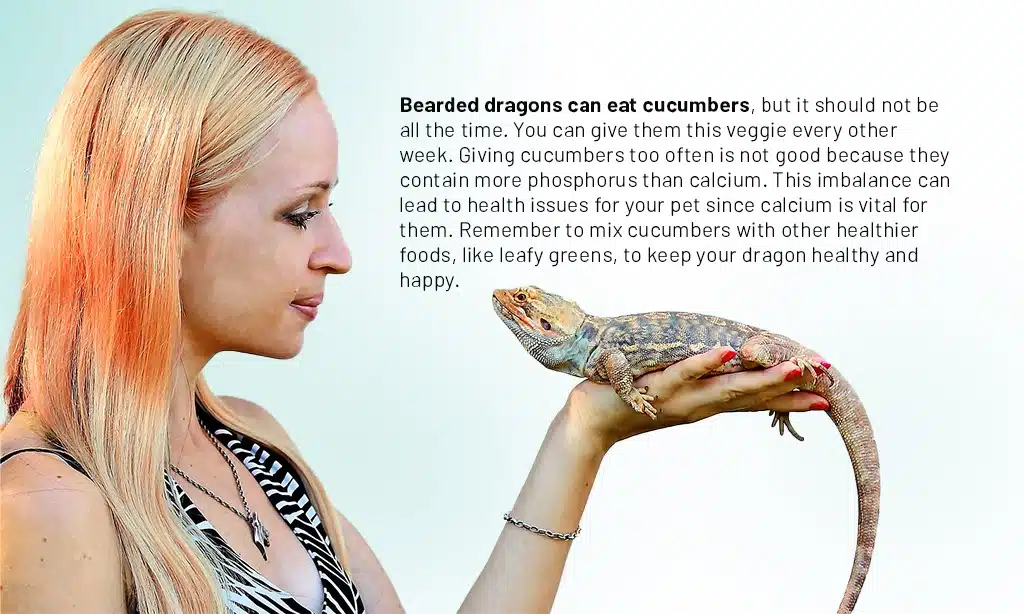
Can bearded dragons eat cucumbers? Bearded dragons can enjoy cucumbers as an occasional treat, not as a daily food item. Experts recommend offering these reptiles cucumbers every other week. This frequency helps maintain a balanced diet without overloading on low-nutrient foods.
Cucumbers consist mainly of water, so they don’t provide much nutritional value compared to other vegetables like collard greens or kale.
Feeding cucumbers too often may lead to health issues in bearded dragons. Excess cucumber consumption can cause diarrhea due to high water content. It may also disrupt the calcium to phosphorus ratio in their diet, potentially leading to metabolic bone disease.
To keep your pet healthy, mix cucumbers with nutrient-rich veggies and protein sources like feeder insects. Always prioritize a well-balanced diet that meets all the essential nutritional needs of your bearded dragon.
Preparing Cucumbers for Bearded Dragons
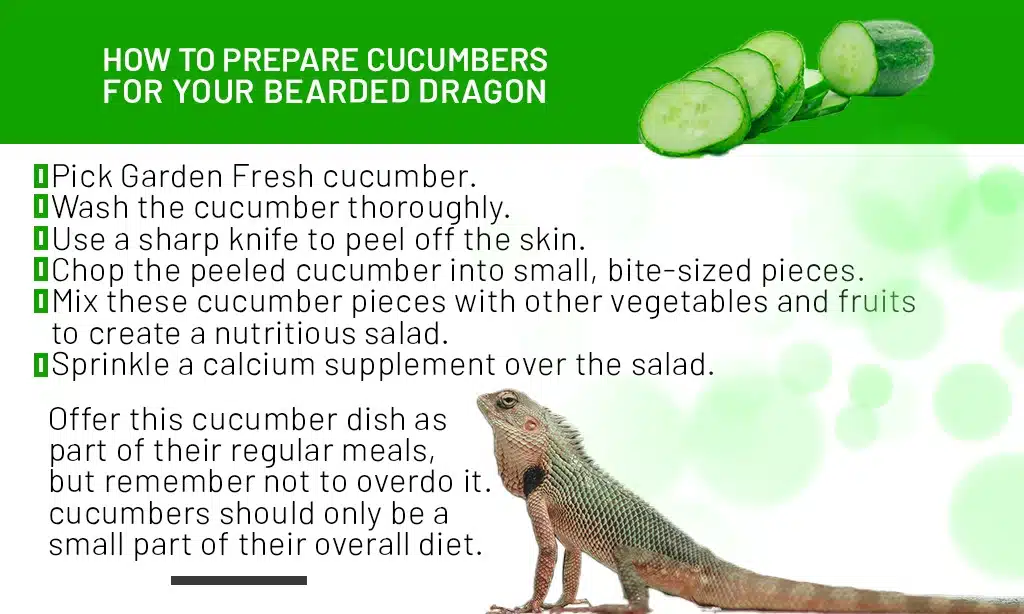
Preparing cucumbers for bearded dragons requires careful attention to detail. Follow these steps to ensure safe and healthy cucumber consumption for your reptilian friend:
- Choose fresh, organic cucumbers to avoid pesticides and chemicals
- Wash the cucumber thoroughly under cool running water
- Peel the cucumber skin completely to remove any potential contaminants
- Cut the cucumber lengthwise and scoop out all seeds
- Slice the cucumber into thin, bite-sized pieces appropriate for your dragon’s size
- Remove any remaining stems or tough parts
- Serve the cucumber pieces raw, never cooked or seasoned
- Offer small amounts as part of a varied diet, not as a staple food
- Monitor your dragon’s reaction to cucumbers and adjust serving size if needed
- Store unused cucumber pieces in an airtight container in the refrigerator for up to 2 days
Potential Risks of Feeding Cucumbers to Bearded Dragons
Can bearded dragons eat cucumbers? Feeding cucumbers to bearded dragons carries potential risks that owners should consider. Excessive cucumber consumption can lead to dehydration in these reptiles, despite the vegetable’s high water content.
This paradoxical effect occurs because cucumbers contain compounds that act as diuretics, increasing urine production and potentially causing fluid loss. Diarrhea is another concern associated with overfeeding cucumbers to bearded dragons.
The vegetable’s high water and fiber content can upset their digestive systems, resulting in loose stools and potential nutrient loss.
Nutritional imbalance presents another risk when including too many cucumbers in a bearded dragon’s diet. These vegetables lack essential nutrients and have a poor calcium-to-phosphorus ratio, which is crucial for reptile health.
Relying heavily on cucumbers can lead to malnutrition and weaken the dragon’s bones over time. To maintain a healthy diet for bearded dragons, owners should offer cucumbers as an occasional treat rather than a staple food, and focus on providing a variety of nutrient-rich vegetables, insects, and appropriate supplements.
Calcium/Phosphorus Balance in Cucumbers
Calcium and phosphorus play vital roles in a bearded dragon’s health. These minerals work together to support bone development and other bodily functions. Understanding their balance in cucumbers is crucial for proper nutrition.
| Nutrient | Amount per 100g | Importance for Bearded Dragons |
|---|---|---|
| Calcium | 16 mg | Essential for bone health and muscle function |
| Phosphorus | 24 mg | Necessary for energy production and cell repair |
| Calcium to Phosphorus Ratio | 1:1.5 | Ideally should be 2:1 for optimal absorption |
Cucumbers lack the ideal calcium to phosphorus ratio for bearded dragons. This imbalance can lead to health issues if fed too often. Bearded dragons need a diet with more calcium than phosphorus for proper bone growth.
Reptile owners should not rely on cucumbers as a primary calcium source. Instead, they should offer foods with better calcium content. Dark leafy greens like collard greens or mustard greens are excellent choices. These vegetables provide a more suitable calcium to phosphorus ratio.
Cucumber feeding should be limited to occasional treats. This approach helps maintain a balanced diet without risking nutritional deficiencies. Owners can supplement their pet’s diet with calcium powder to ensure adequate intake.
Regular veterinary check-ups can help monitor a bearded dragon’s calcium levels. Blood tests and physical exams can detect early signs of calcium deficiency. This proactive approach supports long-term health and well-being.
Recommended Diet for Bearded Dragons
Can bearded dragons eat cucumbers? Bearded dragons thrive on a balanced diet that mimics their natural eating habits. These reptiles need a mix of plant-based foods and animal proteins. Adult bearded dragons should consume about 50% vegetables, 40% insects, and 10% fruits.
Leafy greens like collard greens, mustard greens, and dandelion greens form the backbone of their vegetable intake. For protein, offer crickets, roaches, and worms. Fruits should be given sparingly as treats.
Proper nutrition is vital for a bearded dragon’s health. Young beardies need more protein, while adults require more vegetables. Dust food items with calcium powder to prevent metabolic bone disease.
Offer a variety of foods to ensure a wide range of nutrients. Avoid high-oxalate vegetables like spinach and kale as staples. Always provide fresh, clean water. Consult a reptile vet for personalized dietary advice based on your beardie’s age, size, and health status.
Foods to Avoid for Bearded Dragons
Bearded dragons have specific dietary needs that must be met for optimal health. Certain foods can be harmful or even toxic to these reptiles, so it’s crucial to know what to avoid.
List of foods to avoid feeding bearded dragons:
- Fireflies: These insects contain lucibufagins, which are highly toxic to bearded dragons and can be fatal if ingested.
- Avocado: This fruit contains persin, a substance that can cause severe digestive issues and heart problems in reptiles.
- Rhubarb: The oxalic acid in rhubarb can interfere with calcium absorption and lead to metabolic bone disease.
- Eggplant: This vegetable contains solanine, which can be toxic to bearded dragons in large amounts.
- Lettuce: While not toxic, lettuce has poor nutritional value and can cause diarrhea if fed in large quantities.
- Spinach and Swiss chard: These greens contain high levels of oxalates, which can bind calcium and lead to deficiencies.
- Citrus fruits: Oranges and other citrus fruits are too acidic for bearded dragons and can cause digestive upset.
- Dairy products: Bearded dragons lack the enzymes to digest milk and other dairy foods properly.
- Wild-caught insects: These may carry parasites or have been exposed to pesticides, posing health risks to your pet.
- Mice and frogs: While bearded dragons are omnivores, these prey items are too high in fat and can lead to obesity.
Importance of Dietary Variety for Bearded Dragons
Bearded dragons need a mix of foods to stay healthy. A varied diet gives them all the nutrients they need to grow and thrive. Offering different fruits, vegetables, and insects helps prevent boredom and ensures they get a range of vitamins and minerals.
This variety also mimics their natural eating habits in the wild.
Switching up foods can help avoid nutrient imbalances. Too much of one food, like spinach or beet greens, can lead to health issues. A balanced diet for bearded dragons includes leafy greens, vegetables, and protein sources like insects.
Owners should offer a rotation of safe foods, including occasional treats like cucumbers or pumpkins. This approach supports good digestion and keeps their lizards interested in mealtime.
Can Bearded Dragons Eat Cucumbers: Supplementary FAQs
The Supplementary FAQs section answers common questions about feeding cucumbers to bearded dragons. This part covers concerns like dehydration risks, proper serving methods, and whether cucumbers should be a main food item.
Read on to learn more about these important aspects of bearded dragon care.
Can cucumbers cause dehydration in bearded dragons?
Cucumbers can indeed cause dehydration in bearded dragons if fed excessively. These reptiles naturally obtain most of their water from their food, and cucumbers have a high water content.
Paradoxically, this can lead to loose stools, causing fluid loss. Bearded dragons may also urinate more frequently after eating cucumbers, further contributing to dehydration.
To prevent this issue, limit cucumber consumption to every other week. This feeding schedule helps maintain proper hydration levels while still allowing bearded dragons to enjoy this treat.
Always offer fresh water alongside cucumbers and monitor your pet’s bathroom habits for any changes. Balance cucumber intake with other nutrient-rich foods to ensure a well-rounded diet for your scaly friend.
Should cucumbers be a staple food?
Cucumbers should not be a staple food for bearded dragons. These reptiles need a diet rich in leafy greens and vegetables high in nutrients. While cucumbers are safe for occasional treats, they lack the essential vitamins and minerals bearded dragons require for optimal health.
Bearded dragons thrive on a varied diet of collard greens, mustard greens, and other nutrient-dense vegetables.
Experts recommend limiting cucumber intake to once or twice a week as part of a balanced diet. The high water content in cucumbers can fill up a bearded dragon’s stomach without providing much nutritional value.
Instead, focus on offering a mix of vegetables, insects, and small amounts of fruit to meet their dietary needs. This approach ensures your pet gets the right balance of nutrients for growth and long-term health.
How to properly serve cucumbers to bearded dragons?
Can bearded dragons eat cucumbers? Bearded dragons can enjoy cucumbers as a healthy treat. Proper preparation ensures your pet gets the most benefit from this tasty vegetable.
- Wash the cucumber thoroughly to remove any dirt or pesticides.
- Peel the cucumber skin, as it can be tough for bearded dragons to digest.
- Cut the cucumber in half lengthwise and scoop out all seeds.
- Slice the cucumber into small, bite-sized pieces suitable for your dragon’s size.
- Offer fresh cucumber pieces in a shallow dish or on a feeding platform.
- Limit cucumber servings to once or twice a week as part of a varied diet.
- Remove any uneaten cucumber after 15-20 minutes to prevent spoilage.
- Mix cucumber with other vegetables like baby spinach to create nutritious salads.
- Avoid serving pickled cucumbers, as they contain harmful additives.
- Use garden cucumbers instead of greenhouse varieties for better nutrition.
- Check the nutrition label of store-bought cucumbers for any added preservatives.
- Pair cucumber with protein sources like insects to balance the meal.
- Never serve cucumber as a replacement for proper reptile nutrition supplements.
- Monitor your dragon’s reaction to cucumber and adjust serving size if needed.
- Introduce cucumber gradually if it’s a new food in your pet’s diet.
Takeaways
Can bearded dragons eat cucumbers? Cucumbers can be a safe and nutritious treat for bearded dragons when offered in moderation. These reptiles benefit from a varied diet that includes both plant and animal-based foods.
While cucumbers provide hydration and some vitamins, they shouldn’t replace essential greens and insects. Proper preparation and serving size are crucial to prevent digestive issues.
Remember to balance cucumber treats with calcium-rich foods and supplements to maintain your bearded dragon’s health. Always consult a veterinarian for personalized dietary advice for your scaly friend.