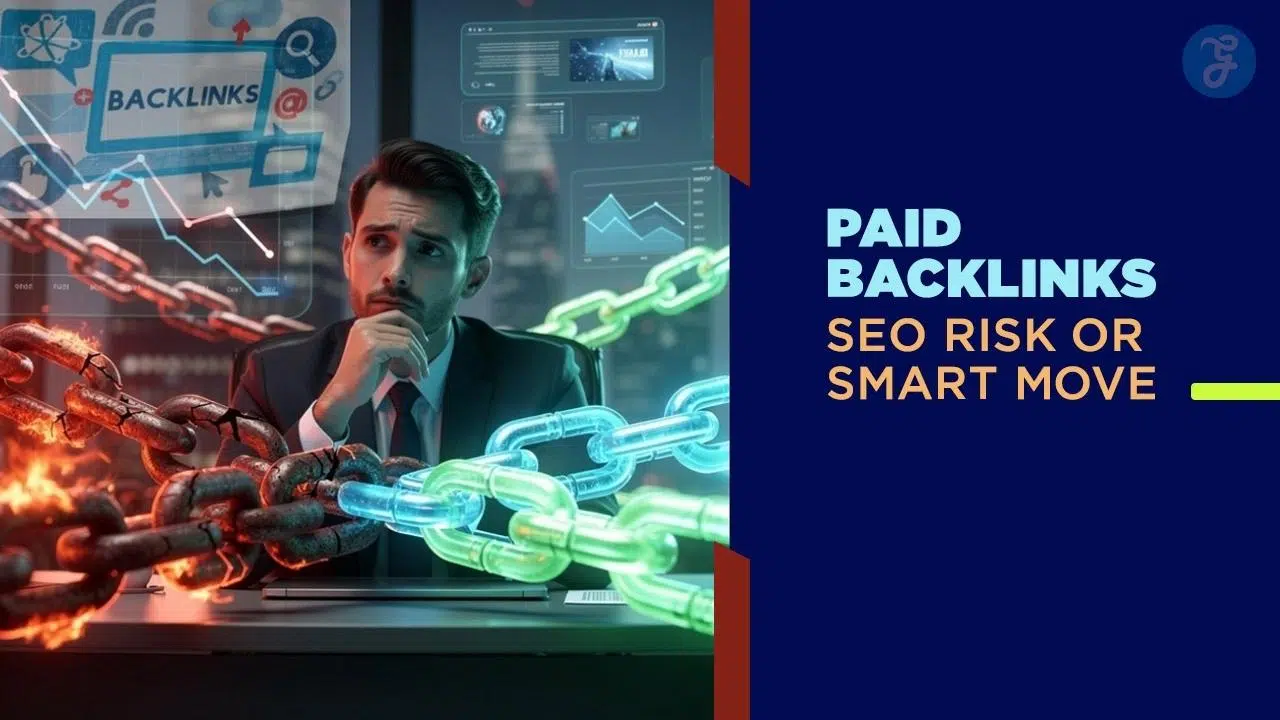
Are you struggling to get your website noticed in 2026? Many people find that no matter how great their content is, it’s hard to climb search rankings. You might be stuck on page two or three of Google, wondering why your SEO efforts fall flat. Here is a simple fact: backlinks can still make or break your Search Engine Optimization strategy this year. Top-ranking pages have 3.8 times more backlinks than those sitting in positions two through ten, according to 2025 data from Backlinko.
But with rules changing, buying them feels risky and confusing. This guide will break down the good, the bad, and the ugly sides of Buying Backlinks In 2026. I’m going to walk you through exactly what works, what doesn’t, and how to keep your site safe. Find out if it makes sense for you or if you should run for the hills!
Do Backlinks Still Matter in 2026?
Yes, backlinks still pull their weight in search engine optimization. Their impact keeps growing as new tech and updates hit the scene.
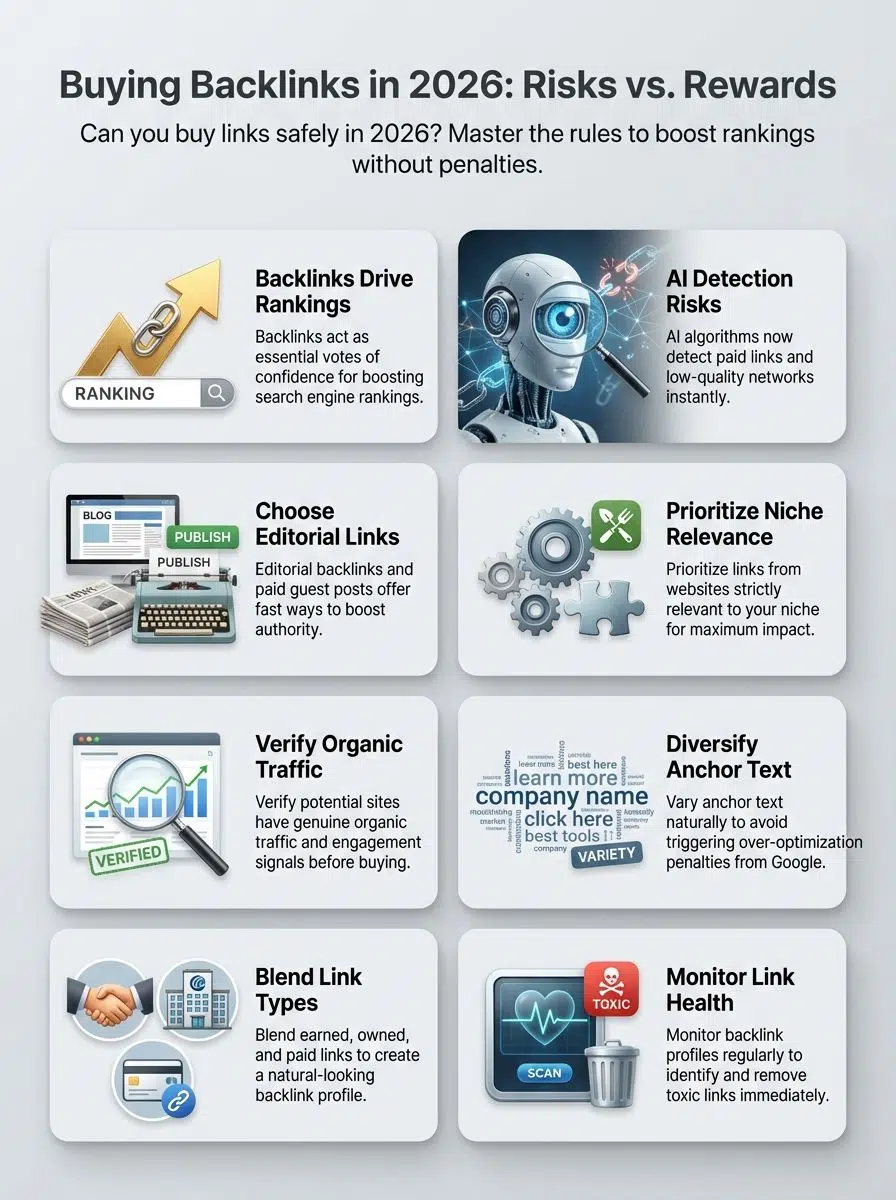
The Role of Backlinks in Modern SEO
Backlinks act like votes of confidence for your website. Sites with many high-quality backlinks often climb higher in search engine rankings. Recent data from Ahrefs shows that 95% of all web pages have zero backlinks. This means getting even a few solid links puts you ahead of the vast majority of the internet.
Top brands such as Nike and Forbes use backlinking to boost authority and gain organic traffic fast. Good links from trusted websites help build site credibility and lift domain authority.
They send referral traffic straight to your pages, making search engines see you as a useful source.
“Links are arguably the most important ranking factor,” notes Ahrefs in their 2025 ranking factors study. Without strong backlinking, standing out in digital marketing can feel like shouting into the void.
Impact of AI and Search Engine Updates
AI now watches backlinks like a hawk. Google uses smart systems to scan for fake or low-quality links each day. The “SpamBrain” AI system, which got a massive boost during the August 2025 Spam Update, is specifically trained to catch link schemes. Sites using shady link-building tricks may get flagged in minutes, not months.
New search engine updates can spot paid links with machine learning power and big data crunching. In 2026, even small networks of toxic links stand out like sore thumbs under these sharp digital eyes.
Major search engines change ranking rules often, forcing webmasters to adapt quickly or risk their online visibility. Paid guest posts packed with exact-match anchor text look suspicious in AI-powered audits.
Link velocity, site authority signals, and content patterns all get tracked by automated bots trained on millions of websites. Relying too much on bought backlinks puts your domain authority and search ranking at risk of penalties as algorithms update faster than you can blink.
Google’s Stance on Buying Backlinks
Google has a sharp eye, and paid links are no secret to them. Step out of line, and you might land yourself right in hot water with search penalties.
What Google Penalizes in 2026
Search engines keep getting smarter, and so do their rules. Some actions can hurt your website’s search ranking fast.
- Buying from “Write for Us” lists: Google’s SpamBrain easily identifies sites that publicly advertise they sell links.
- Using the same anchor text over and over: Repetition in keywords looks unnatural to search algorithms.
- Links from Private Blog Networks (PBNs): Many of these networks are easy for automated systems to spot now due to shared hosting footprints.
- Sudden spikes in link velocity: Getting 500 new backlinks in a week when you usually get five raises suspicions of manipulative link building.
- Links placed on AI-generated pages: Spammy directories full of AI content are easy targets for detection tools.
- Exchanging links with other websites: Excessive reciprocal linking schemes break search engine guidelines and risk site credibility.
- Hiding paid links: Adding paid guest posts without labeling them as ads or using the rel=”sponsored” tag is now risky.
- Linking from hacked sites: This carries heavy penalty risks, including removal from search results completely.
- Bad neighborhoods: Having lots of links next to gambling, adult, or pill-related content destroys trust signals fast.
- Comment spam: Posting comments loaded with links across hundreds of blogs shows obvious black hat techniques and will cause penalties every time.
Safe Practices for Link Acquisition
To stay safe, after learning what Google penalizes in 2026, you need smart link building. Careful actions lower risks and help your SEO work last.
- Audit the traffic first: Always check sites before getting a backlink. Make sure the site gets real organic traffic (at least 1,000 visitors/month) and is not full of spam.
- Relevance is king: Pick links from websites that fit your niche or business topic. Relevance matters to boost website authority and Search Engine Optimization.
- Pace your growth: Space out your link buys over weeks or months. Sudden spikes in links can look suspicious to search engines.
- Keep anchors natural: Use branded anchors (like “YourBrand”) for 80% of your links. Using keywords too often can trigger penalty risks tied to over-optimized anchor text.
- Avoid cheap networks: Avoid buying links from low-quality networks or AI-generated sites. These often lead to toxic links, which hurt site credibility.
- Seek editorial placement: Ask for editorial backlinks that sit inside useful content, not stuffed in footers or random pages.
- Check outbound links: Choose sites with steady domain authority and clean outbound link profiles for safer online visibility.
- Monitor your profile: Track all new backlinks with simple tools like Google Search Console to spot problems early.
- Diversify your sources: Blend paid links with earned media, guest posts, and digital PR for a more balanced link-building approach.
- Disavow if needed: Cut risky links fast if you notice odd referral traffic patterns or sudden drops in search rankings from possible penalties.
Smart actions now keep your website growing strong while sticking to search engine guidelines in 2026’s digital marketing scene!
Types of Backlinks You Can Buy in 2026
Some links you can buy, act fast, while others take a bit of patience and care. Each kind brings its own set of perks and trouble, so choosing wisely is half the battle.
Editorial Backlinks
Editorial backlinks can pack a punch for your SEO Search Engine Optimization. These links come from real sites because someone finds your content valuable.
Big news outlets like Forbes or niche blogs might link to you in an article, not in ads. Google often sees these as trustworthy signals, boosting website authority and search ranking at lightning speed.
Many site owners buy editorial backlinks by paying publishers or working with digital marketing agencies. In 2026, Google’s smart algorithms keep a sharp eye out for fake or unnatural links.
If paid links are hidden well within top content, they pass more value and avoid penalty risks. Want stronger online visibility? Paid guest posts are the next big thing to watch out for.
Paid Guest Posts
Editorial backlinks can lift your site, but many turn to paid guest posts for faster results. Paid guest posts let you place your links in articles on other websites through payment.
This method is common now, and some digital marketing agencies even have rate cards. According to a January 2025 report by BuzzStream, the average cost of a guest post is $365. However, for a high-quality site with real authority, you should expect to pay around $930.
Websites offering these placements often promise organic traffic and SEO value. Some sites use AI tools like GPT-4 to create content fast and at scale, so always check if the source gets real engagement.
If Google’s algorithms spot patterns such as keyword-stuffed anchor text or too many outbound links on one page, it may flag your link as toxic.
Paid guest posts bring referral traffic and help with online visibility; still, balancing them with natural link building keeps risks lower in modern Search Engine Optimization strategies.
Niche Edits
Niche edits add your link to old blog posts on sites related to your niche. Site owners update the content and include a reference to your website, often using anchor text that fits the topic.
This type of backlink looks natural and can boost your SEO search engine optimization efforts because it blends into existing, relevant content.
It is also generally cheaper. BuzzStream data suggests the average price for a link insertion (niche edit) is around $141.
Buying backlinks through niche edits sounds simple, but it comes with risks. Some sellers use hacked websites (known as SAPE links) or low-quality link networks that may harm your online reputation and domain authority if caught by Google’s algorithm updates in 2026.
Always choose reputable partners with real organic traffic for better site credibility and long-term gains in search engine rankings.
Digital PR and Thought Leadership Links
After niche edits, many marketers turn to digital PR and thought leadership links for stronger Search Engine Optimization results. These backlinks come from news sites, industry blogs, or respected platforms in your field.
Digital marketing teams work hard to get experts quoted in trending stories or data reports. This helps boost site credibility and online reputation at the same time.
While this is the most expensive option, often costing between $1,250 and $1,500 per link, it is also the safest. 67% of marketers now consider Digital PR their most effective tactic. Top websites like Forbes or TechCrunch rarely accept paid placements directly, but crafty agencies may buy space on smaller news outlets for a fee.
Google’s search engine guidelines say every paid link must use rel=”sponsored” tags, so there is less risk of breaking rules if you stay honest.

Good digital PR increases website authority and also drives referral traffic from real readers who trust those sources. Focus on building relationships with journalists instead of just seeking quick ranking gains through questionable methods.
Risks of Buying Backlinks
Buying backlinks can be like playing with fire, so keep reading to see what could go wrong and how to stay in one piece.
Paid Link Detection Improvements
Google uses smarter AI in 2026. These new tools spot paid backlinks faster than ever before. Search engines can now read patterns, spot shady link networks, and pick out odd anchor text in a flash.
They catch fake authority links by checking traffic numbers, edits, and website owner details. Even big link sellers get found out due to AI tracking things like sudden jumps in domain authority or strange links from low-quality sites.
If your SEO strategy relies on sneaky backlink deals, you face bigger penalty risks as Google keeps tightening its rules using these digital watchdogs.
Low-Quality Link Networks and AI-Generated Sites
Low-quality link networks pop up like weeds. These networks stuff sites with toxic links and fake referrals just to trick search engines. AI-generated sites make the mess worse by pumping out pages that look real but have zero value, no real users, and sloppy digital marketing tactics. Search Engine Optimization tools in 2026 spot these tricks fast.
Search engine algorithms now flag link building from spammy sources even quicker than before. Large backlink packages often come from these black hat techniques.
Buying backlinks from such sites can put your website’s authority at risk and harm your online reputation overnight. Even one bad batch of anchor text or links from an AI farm can drop your search ranking fast after an algorithm update catches on.
Once a site gets labeled for using low-grade SEO Search Engine Optimization tricks, crawling back to clean status feels like climbing a greased pole, slow and messy every inch of the way.
Over-Optimized Anchor Text
Google’s bots are sharp, sharper than a hound on the scent. If they spot the same anchor text like “buy backlinks cheap” over and over, trouble follows fast.
A site can get hit with penalty risks that tank its SEO search engine optimization efforts. In 2026, smarter algorithms flag these patterns in a snap.
Sites often use exact match keywords as anchors to boost search ranking or domain authority. This trick might have worked years ago in digital marketing circles, but AI now sees right through it.
Mixing up words is not just smart, it looks natural too. Think branded links, generic phrases like “check this site”, or even plain URLs sprinkled throughout your link-building strategy.
Overdoing keyword-rich links feels fake to modern algorithms and kills your shot at organic traffic or online visibility before you can blink twice.
Link Velocity and Footprint Issues
Link velocity means how fast you get new backlinks. A big spike in link building can catch search engines’ eyes. Lots of fresh links overnight look fishy, not organic. Search engine algorithms in 2026 track these patterns closely to spot Black Hat Techniques and shady SEO tactics.
Rapid growth from paid guest posts or low-quality networks creates a clear footprint. This leaves clues that point back to buying backlinks and breaking search engine guidelines.
Natural websites earn links over time with steady traffic, good content, and engagement signals. Sudden bursts may risk penalties for your digital marketing plan, drag down site credibility, or harm online visibility instead of helping it grow.
The Advantages of Buying Backlinks
Sometimes, building site authority feels like watching paint dry. Buying backlinks can speed things up. If you want to outpace your competition in search results, paid links might give you that little shove forward.
Buying backlinks can speed up your website’s authority growth. Instead of waiting for links to come in on their own, you pay to get high-authority links fast.
This shortcut helps some sites climb search engine rankings quickly, especially where competition is tough, and everyone fights for the top spot. Websites with strong backlink profiles often see a boost in SEO Search Engine Optimization results.
More quality backlinks mean better online reputation and higher domain authority. Big brands and popular blogs sometimes use this tactic to keep an edge over others. Fast-tracking authority like this can drive organic traffic faster, but it always comes with risks if done carelessly.
Enhancing rankings in competitive niches
Sites in packed online spaces scramble for the top spots. Some pay money for quality links to outpace rivals. This move often gives a swift nudge up search engine rankings, especially where every click counts and organic traffic is gold. To gain an edge, many brands seek links from respected sites with high domain authority.
One strong link can increase website authority faster than dozens of weak ones. Digital marketing teams look at their rivals’ backlink profiles daily using tools like Ahrefs and SEMrush.
A single editorial link secured through outreach or digital PR might tip the scales overnight, boosting SEO right as competitors are catching up.
With Google’s algorithm changes happening all year long in 2026, strategies need quick action and sharp eyes for penalty risks. Next comes checking if that pricey link has real value or just looks good on paper.
How to Evaluate Backlink Quality in 2026
Spotting a good backlink feels like fishing for gold in a lake full of tin cans. Sharp eyes help. Strong links shine bright, signaling real value that search engines love.
Real Organic Traffic and Engagement Signals
Sites with real organic traffic often have visitors coming from Google, not just from paid ads or social shares. In 2026, search engines use smart AI to spot fake signals.
A good backlink comes from a website that people actually visit and interact with, like reading articles or clicking links. Google checks if a site has genuine user activity, such as comments, shares, or time spent on the page.
If you see bots driving all the clicks, it’s usually obvious and risky for SEO (Search Engine Optimization). You can use tools like SimilarWeb to check this.
Watch out for sites where numbers look too perfect; steady but natural spikes in traffic matter more than huge jumps overnight. Real engagement keeps your link profile strong and helps boost online visibility without attracting toxic links or penalty risks.
Relevance to Your Niche
Strong organic traffic and engagement mean little if the backlinks you buy come from websites way off-topic. A link about digital marketing on a dog-training blog just looks fishy to Google’s 2026 SEO (Search Engine Optimization) algorithms. Your backlinking efforts must match your niche for real search ranking power, or you risk penalties and wasted money.
Landing niche-relevant links shows search engines that your website belongs in its category. For example, a fitness gear site linked by high-authority running blogs gains both referral traffic and higher site credibility.
This approach improves online visibility while keeping your link building clean and effective under strict search engine guidelines.
Outbound Link Quality and Placement
Outbound links can make or break your SEO (Search Engine Optimization) efforts. Links to trusted websites help boost site credibility and online visibility.
Yet, links going to toxic sites can harm your search ranking and raise penalty risks with Google’s algorithm updates in 2026. Placing outbound links high up on a page adds more weight, but don’t crowd them together like sardines in a tin.
A good link should fit the context of your content and relate to website authority within digital marketing or your niche. Place links where they give value for users, not just for bots chasing anchor text tricks from black hat techniques.
Watch out for too many paid outbound backlinks; this sets off alarm bells on search engine guidelines faster than you can say “toxic links.”
One smart move? Check if the target site gets real organic traffic before linking out, as zero-traffic pages may get flagged by AI tools scanning for quality issues in 2026.
Best Practices for Backlink Acquisition
Smart link building needs balance, patience, and a sharp eye. Stick around to see how you can do it safely in 2026.
Combining Earned, Owned, and Paid Links
Mixing earned, owned, and paid links can make your website stronger. Earned links come from people who see value in your content and share it on their own.
Owned links live within things you control, like your blog or social media pages. Paid links can give a quick boost but need careful use to avoid Google penalties for breaking search engine guidelines.
Google likes to see a natural spread of different backlink types pointing at your site. Too many paid backlinks can look fake to search engines, making them flag your SEO efforts as risky business.
A healthy mix raises authority fast while keeping organic traffic flowing safely over time, much like adding both vegetables and treats into one balanced meal for steady growth in domain authority and online visibility.
Monitoring and Maintaining Link Health
Mixing earned, owned, and paid links can help SEO Search Engine Optimization efforts feel more natural to search engines. With this mix in place, you need to keep your backlink profile clean.
Broken links can hurt online visibility and kill referral traffic. Regular checks for toxic links lower penalty risks from Google’s algorithm updates.
Tools like the Semrush Backlink Audit are essential here; they assign a “Toxic Score” to every link so you know which ones to cut. Remove spammy sites linking to you or request removal right away.
Good link building means acting quickly if anchor text looks over-optimized or low-quality pages creep in. Stay sharp with monthly reports so your digital marketing stays strong and site credibility remains high.
Should You Buy Backlinks or Build Them Naturally?
Do you chase quick wins with links, or play the long game and build them slowly? Let’s find out which path brings better results.
Benefits and Drawbacks of Each Approach
Buying backlinks and building them naturally both offer distinct pros and cons worth weighing. Here is a handy comparison, side by side, for a quick scan.
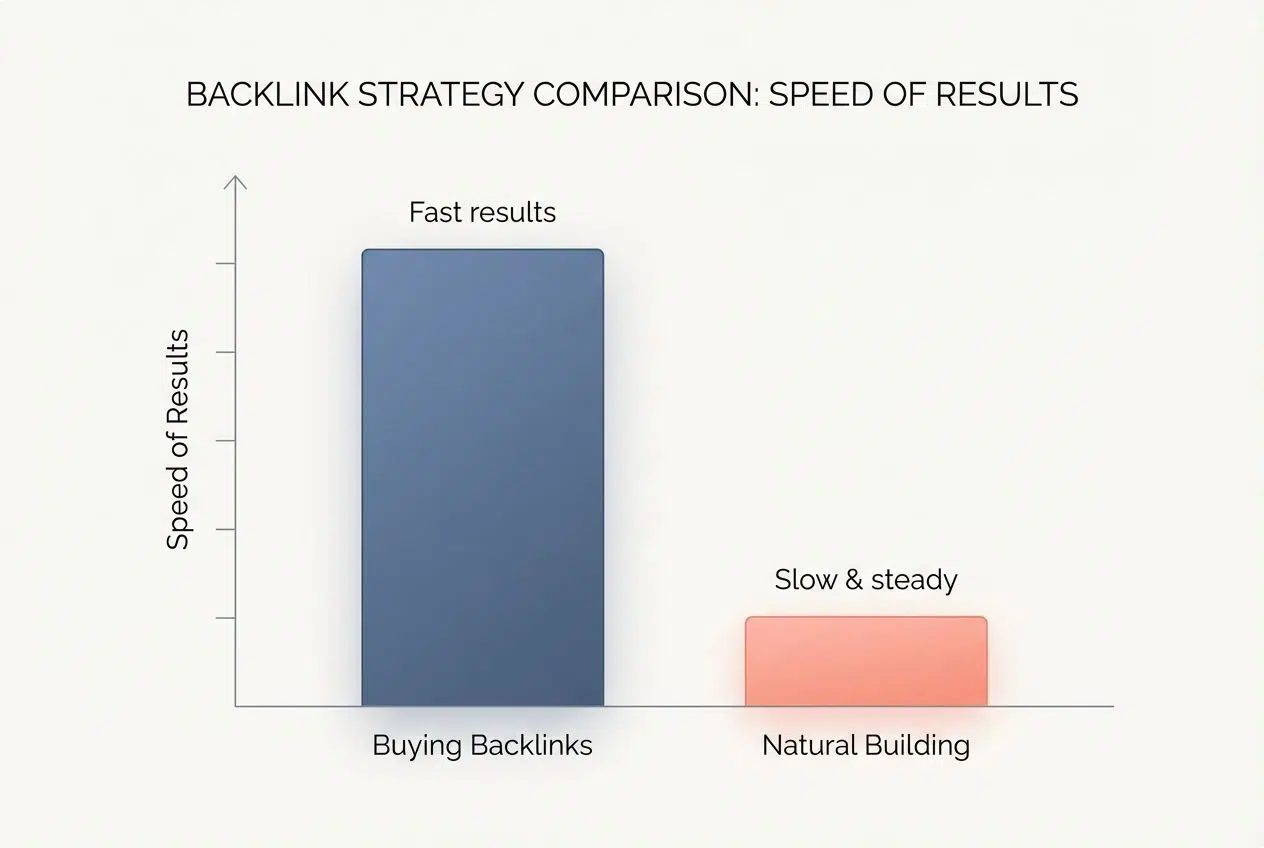
| Approach | Benefits | Drawbacks |
|---|---|---|
| Buying Backlinks |
|
|
| Building Backlinks Naturally |
|
|
Creating a Balanced Link Strategy
Moving from the benefits and drawbacks of each approach, a smart plan needs both paid and natural links.
Mix link-building methods like digital marketing outreach, guest posts, and organic backlinking to keep your website’s authority high. Search engine guidelines reward sites that show steady growth with healthy anchor text and real organic traffic.
Using only one type of link can throw up red flags. Spread out your efforts across search ranking tactics, so you avoid penalty risks linked to toxic links or over-optimized profiles.
Sites with balanced strategies see better referral traffic, rank higher in SEO Search Engine Optimization results, and build stronger online visibility over time. Think of it like balancing a diet; too much of anything tips the scale the wrong way!
Final Words
Buying backlinks in 2026 is still risky, but it can boost your website’s authority if you do it wisely. Following search engine guidelines and picking quality links makes the process smoother and more effective than ever before.
A smart mix of earned, owned, and paid links helps keep your SEO strong without stepping on Google’s toes. For those hungry for even deeper info, plenty of SEO guides or trusted forums offer more tips to steer you right.
Building a healthy link profile feels a lot like planting seeds; give them care and patience, watch results bloom over time, and your website will thank you down the road!