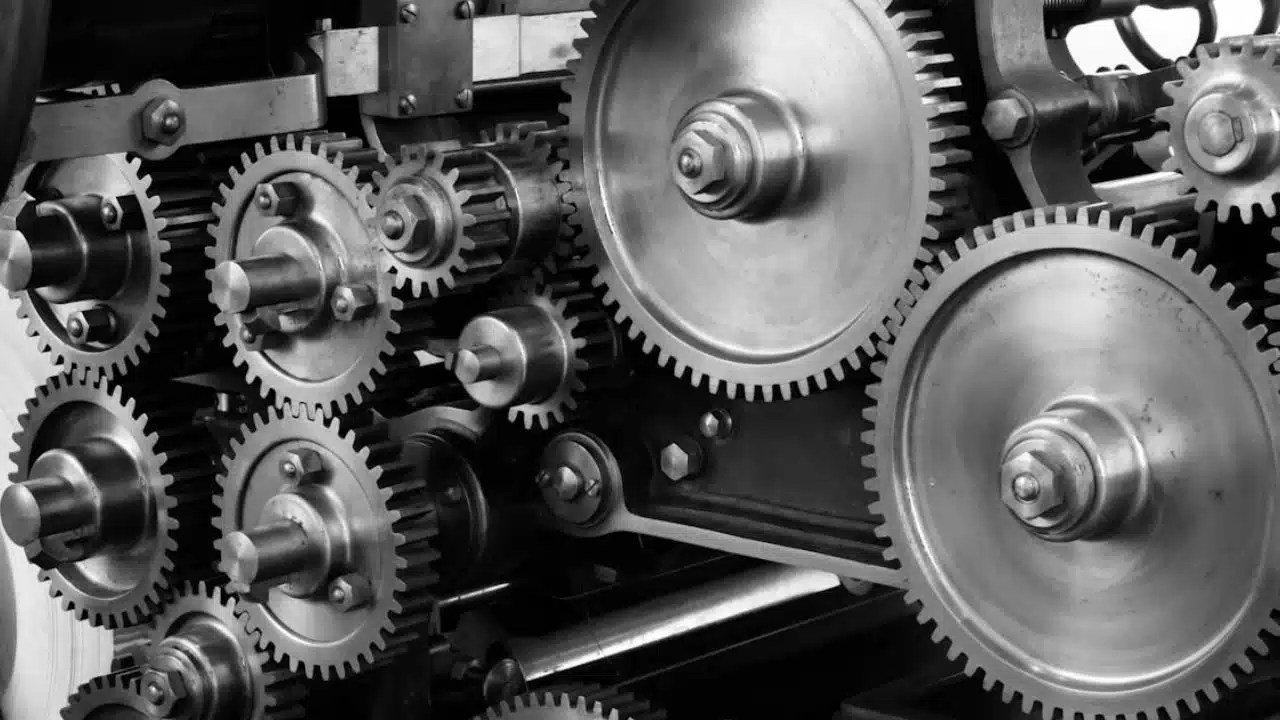
Your business machinery can help your business optimize productivity and product quality, but only if it’s working correctly. If your all-important machinery has an issue, then work might grind to a halt — and every minute that the machine is offline will be costing your business money.
You can’t always prevent industrial equipment from having issues, and it’s not realistic that your machinery will have 100% uptime. You can, however, reduce the likelihood of issues and maximize the time that your equipment is fully functional. In this post, we’ll run through a few tried and tested strategies that should ensure your company’s machinery is always working as well as it should.
Invest in Maintenance
It’s not always appealing to voluntarily invest in your machine’s maintenance. It’s also one of those things that’s pretty easy to overlook — when you have so many other things on your plate, it’s understandable if you forget to maintain your equipment.
But it’s important that you do so. Your machine will be much, much less likely to experience a problem if you follow the manufacturer’s recommended maintenance schedule. Plus, this option won’t just increase uptime, but is also a lot more cost-effective — it’s much cheaper to prevent a problem than to treat it!
Understand — and Buy — Critical Parts
As we said above, it’s not always possible to prevent a piece of equipment from experiencing issues. While there are instances when you’ll need to send the entire machine to be repaired, most issues are usually pretty minor. Just because your equipment isn’t working, that doesn’t mean the whole thing is damaged. Normally, it’s just a single part that needs replacing. If you have an understanding of your machinery’s critical parts and replacement pieces in stock, then you’ll be able to get back up and running as quickly as possible. It’s relatively easy to find Caterpillar, Allison, or Cummins engine parts online, so make a note of which parts of your machinery are most likely to experience damage and buy replacement pieces. You’ll find that it significantly speeds up the process of repairing your machine.
Train Your Staff
There are two primary reasons why equipment experiences failure. The first is general wear-and-tear to the internal parts. The other is incorrect use. Businesses can significantly reduce the risk of damage to their machines by ensuring that employees have been trained on how to use the equipment correctly. It’s also recommended to train staff on how to safely shut down the machine if they experience a problem, since this can help prevent further damage.
Be Aware Of Any Changes
Finally, be alert to changes to the functionality of the equipment. It’s normally possible to prevent more serious damage just by paying attention if the machine is making strange noises, running a little differently, or just “feels” different. Those things will be an early warning sign that the equipment has at least a minor issue; taking action early will ensure that it does not become a more serious problem that’s more expensive to fix.