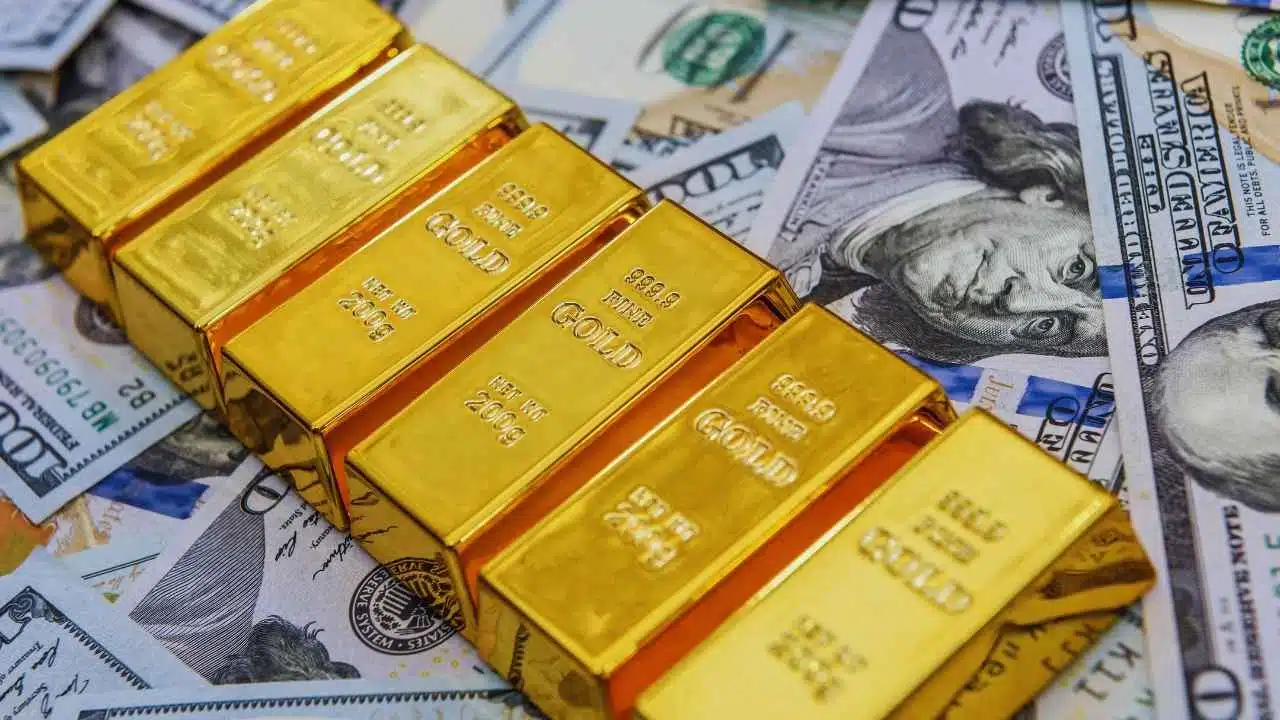
Central banks from BRICS nations snapped up a massive 663 metric tons of gold—equivalent to about $91 billion—in the first nine months of 2025 alone, according to the World Gold Council. This buying frenzy didn’t slow down even when gold prices soared to all-time highs, highlighting a clear strategy among these emerging powerhouses to shift away from heavy reliance on U.S. dollar-denominated reserves. For everyday readers, think of it this way: that’s like BRICS central banks filling vaults with enough gold to build over 200 statues the size of the Statue of Liberty, all while prices were climbing.
The BRICS group—originally Brazil, Russia, India, China, and South Africa, now expanded to include Egypt, Ethiopia, Iran, and the UAE—has built a formidable gold stockpile of 6,026 tons as of the third quarter of 2025. Russia dominates with 2,336 tons, a figure boosted by years of steady accumulation amid international pressures. China sits right behind at 2,298 tons, quietly adding bars through state channels. India holds 880 tons, reflecting its long-standing cultural affinity for gold alongside economic diversification needs. Brazil trails at 145.1 tons but has ramped up purchases lately. To put this in perspective, the U.S. still holds the global crown with 8,133 tons, mostly untouched since the 1970s, but BRICS is closing the gap faster than ever.
Gold’s price action has been nothing short of spectacular. It smashed through its previous record, peaking at $4,381 per ounce on October 17, 2025, before pulling back to hover between $4,200 and $4,300 in early December. Year-to-date, the metal has rocketed about 60%, delivering one of its most explosive annual gains since 1979. This surge isn’t just speculative hype; it’s rooted in real demand from central banks treating gold as a timeless store of value, especially when traditional currencies feel shaky.
Diverging Reserve Strategies Highlight Global Divide
Over the past five years, BRICS nations have dramatically boosted gold’s role in their overall reserves, increasing its share by a whopping 102% from 6.4% in the third quarter of 2020 to 12.9% by the third quarter of 2025. This isn’t random—it’s a calculated response to geopolitical storms, economic volatility, and the desire for assets that no single country can freeze or seize. Central banks in these countries have been on a buying tear, snapping up physical gold month after month, even as prices climbed, which shows their commitment runs deep.
In sharp contrast, Western economies have taken a more passive approach. Their gold share in reserves edged up just 12% over the same period, from 62.7% to 70.2%, driven mostly by the metal’s price appreciation rather than fresh purchases. The U.S. has barely budged its 8,133-ton hoard, while Germany, Italy, and France reported minimal or zero additions to their physical holdings. This hands-off strategy reflects confidence in the dollar’s dominance and a preference for yield-bearing assets like bonds, but it leaves them exposed if that dominance wanes.
Experts like Nicky Shiels, head of metals strategy at MKS Pamp, describe gold as a “pure USA hedge” in 2025, prized for its anti-dollar qualities amid rising tensions. The World Gold Council’s annual central bank survey backs this up: 73% of global central bankers predict the U.S. dollar’s share of worldwide reserves will shrink over the next five years. For BRICS, gold offers neutrality—it’s a global asset not tied to any one nation’s policies, making it ideal for countries wary of sanctions or currency weaponization.
Geopolitical Pressures and Bold Price Forecasts Fuel the Trend
The gold rush truly accelerated after Western sanctions slammed Russia following its 2022 invasion of Ukraine. Those measures froze billions in Russian dollar assets, serving as a wake-up call for other developing nations. Suddenly, BRICS summits buzzed with de-dollarization talks, from creating alternative payment systems to boosting trade in local currencies. This shift isn’t just rhetoric; it’s translating into action, with central banks diversifying into gold, euros, yuan, and even cryptocurrencies as hedges.
U.S. President Donald Trump has pushed back hard, threatening BRICS members with tariffs from 10% to as high as 100% for challenging the dollar. In a July 2025 social media post, he warned: “Any Country aligning themselves with the Anti-American policies of BRICS, will be charged an ADDITIONAL 10% Tariff.” Despite the saber-rattling, momentum continues. The dollar’s portion of global foreign exchange reserves dipped to 56.32% in the second quarter of 2025—its lowest in at least three decades, plummeting from over 70% in the early 2000s. Central banks kept the pressure on, adding a net 53 tons in October alone, for a year-to-date total of 254 tons through that month.
Looking ahead, the outlook remains wildly bullish. Goldman Sachs has bumped its December 2026 gold price target to $4,900 per ounce, citing unrelenting central bank demand and looser U.S. monetary policy. JPMorgan goes even further, forecasting $5,000 to $5,200 by 2026, as Federal Reserve interest rate cuts lower the appeal of interest-paying alternatives like Treasury bonds. For non-yielding gold, cheaper borrowing makes it a smarter hold. These projections factor in ongoing BRICS buying, potential escalations in trade wars, and broader uncertainty from elections, conflicts, and inflation—setting the stage for gold to keep shining as the ultimate safe haven.