
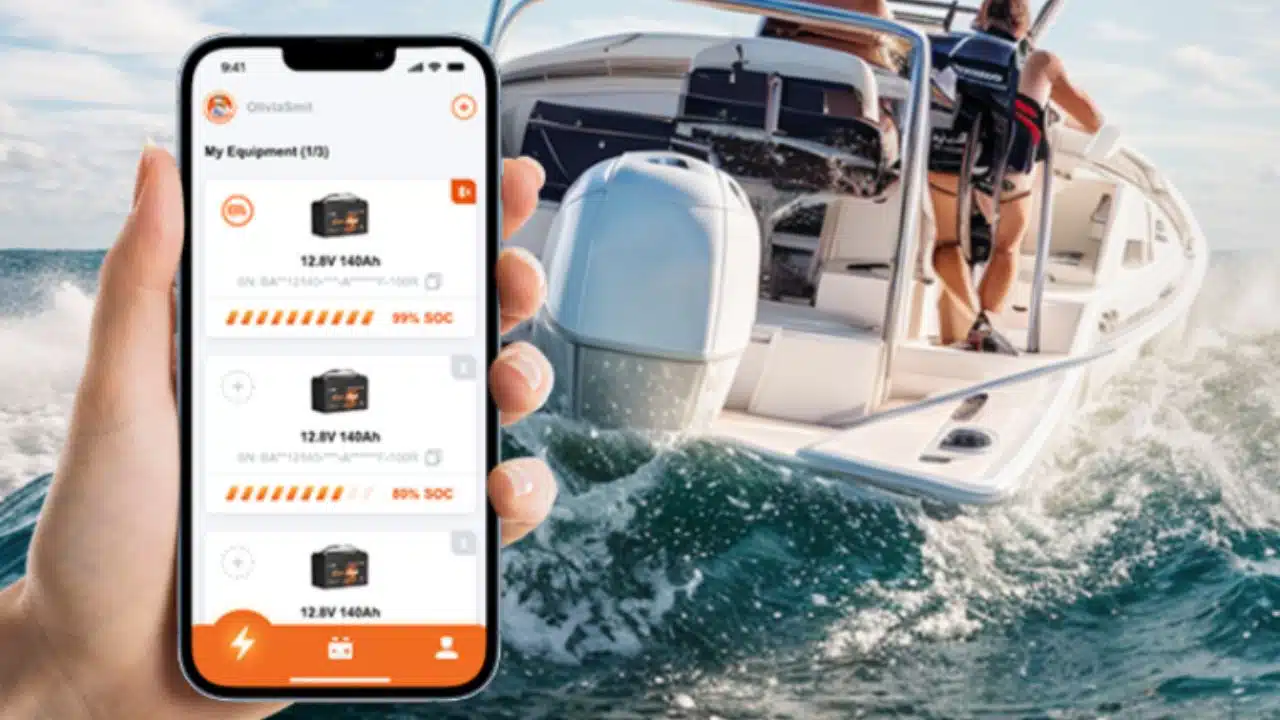
When it comes to starting your boat’s engine, the battery you choose isn’t just another component—it’s the spark that gets everything moving. That’s why selecting the right lithium marine starting battery is more important than you might think. With so many options available, it’s easy to feel overwhelmed. But once you understand the key factors—like capacity, weight, durability, and charging efficiency—you’re in a much better position to make a confident decision.
Let’s start with capacity: for most marine setups, a 100Ah lithium marine starting battery strikes a solid balance between power and practicality. Lithium batteries also have a big edge when it comes to weight—they’re significantly lighter than traditional lead-acid options, which can improve your boat’s handling and fuel efficiency. Durability is another critical factor. In a harsh marine environment, you’ll want a battery with a rugged casing that can stand up to vibration, moisture, and salt. Charging efficiency matters too; some lithium models reach up to 90%, meaning less engine run time and quicker recovery. And don’t overlook the warranty—high-quality batteries often come with 5 to 10 years of coverage, a strong indicator of long-term reliability. The bottom line? Once you understand what your engine and electrical system truly need, finding the right battery becomes a whole lot easier.
How to Choose the Right Lithium Starting Battery for Your Marine Engine
Choosing a lithium marine starting battery isn’t just about grabbing the latest high-tech gear off the shelf. There’s a little art and a bit of science behind finding one that actually suits your boat.
- Capacity: Look at the amp-hour rating (Ah). A 100Ah lithium battery will power most engines just fine, but always double-check your engine’s specs.
- Weight: One of lithium’s biggest wins is its weight—or lack thereof. Shedding 30% or more compared to lead-acid helps your boat run more efficiently.
- Durability: Your battery’s going to take a beating. Between the moisture, vibration, and temperature swings, it needs to be tough. Rugged casings are non-negotiable.
- Charging Efficiency: Many lithium batteries charge faster and more efficiently—some hit 90%. That means you’ll spend less time running your engine just to juice the battery.
- Warranty: A longer warranty (think 5–10 years) doesn’t just offer peace of mind—it’s usually a sign the manufacturer trusts their product.
It all comes down to what your specific marine engine demands. That’s your guiding star for choosing the best fit.
Understanding Marine Starting Batteries
Marine starting batteries are built for one thing above all else: delivering a powerful jolt to fire up your engine. They’re not designed to run electronics all day—that’s a different kind of battery. Their job is to provide short, high-current bursts to get your motor going reliably, every single time.
Purpose of Starting Batteries
When you hit the ignition, your starting battery needs to release a flood of energy—fast. These batteries are built to discharge large amounts of current over a short period. It’s not about endurance here; it’s about power and response time.
Lithium vs. Lead-Acid Starting Batteries
Let’s do a quick comparison:
| Feature | Lithium Battery | Lead-Acid Battery |
| Weight | Up to 70% lighter | Heavier |
| Efficiency | Up to 90% charge | Around 70–80% |
| Lifespan | 5–10 years | Typically 3–5 years |
| Discharge Rate | Fast, high current | Slower discharge |
Lithium wins on weight, lifespan, and charging speed. That said, it does come at a higher price upfront. So you’ll need to decide—are the performance gains and longer life worth the investment for your boating style?
Key Specifications to Consider
Getting into the nitty-gritty, here are the numbers and ratings that actually matter when choosing a lithium marine starting battery.
Cold Cranking Amps (CCA)
CCA tells you how well the battery can start your engine in cold conditions. If you’re out early on a chilly morning, this number counts. Most marine engines are happy with at least 800 CCA, but if you’re boating in colder waters, you might want more just to be safe.
Marine Cranking Amps (MCA)
MCA is similar to CCA, but it’s measured at 32°F instead of 0°F. For those cruising in warmer climates, MCA is a more relevant measure of how reliably your battery will start the engine. A 1000 MCA rating is a solid target.
Amp-Hour (Ah) Rating
Ah tells you how much energy the battery can store. A 100Ah lithium battery is a common choice, offering multiple engine starts and enough power to run basic electronics. Just make sure your battery’s capacity lines up with the demands of your engine and gear.
Battery Chemistry and Technology
Understanding the chemistry behind your lithium marine starting LiTime battery can help you make a smarter, longer-lasting choice.
Lithium Iron Phosphate (LiFePO₄)
This is the go-to chemistry for marine lithium batteries. LiFePO₄ batteries are stable, safe, and have a very long cycle life—usually over 2,000 full charge-discharge cycles. They maintain a steady voltage throughout the discharge, which means consistent, dependable power.
Perfect for starting engines and running accessories without unpredictable dips in performance.
Battery Management System (BMS)
If LiFePO₄ is the heart, then the BMS is the brain. A quality BMS protects the battery from overcharging, undercharging, and overheating. It also helps balance the cells, extending the battery’s life. Some even come with smart features like Bluetooth monitoring or state-of-charge readouts. Make sure the lithium marine starting battery you choose includes a solid BMS—your engine (and wallet) will thank you.
Physical and Environmental Considerations
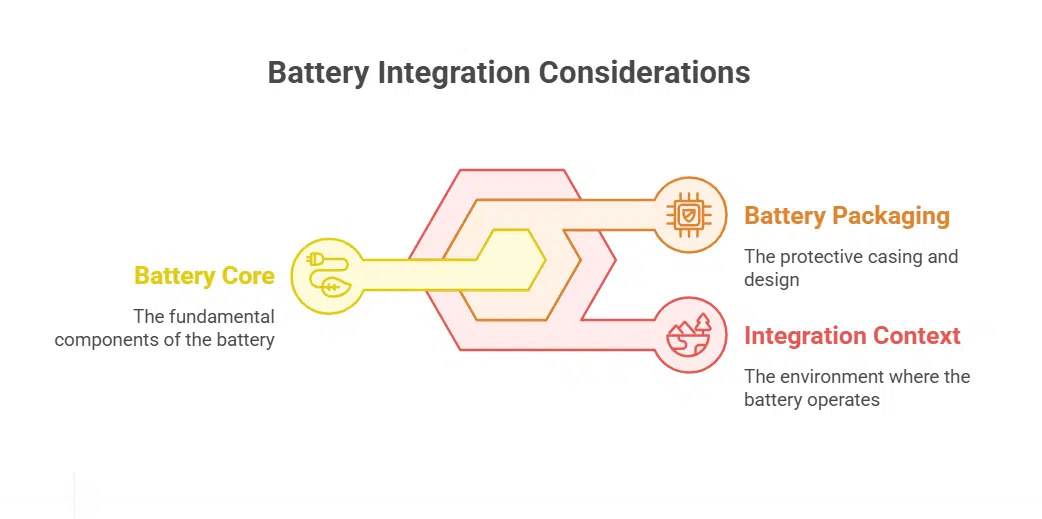
It’s not just about what’s inside the battery—where and how it fits matter too.
Battery Size and Weight
Lithium batteries are famously lighter, often 30 to 40 pounds for a standard unit. That’s great news for anyone who’s ever hauled a battery out of a cramped compartment. Just make sure your new battery fits the space—it’s easy to overlook until installation time.
Vibration and Shock Resistance
Marine environments are brutal—constant vibration, slamming waves, and unpredictable movement. That’s why shock resistance is a big deal. Look for models with reinforced housings and vibration-dampening features. Some can even handle up to 20 Gs of vibration—pretty impressive, and a huge relief if you’re out in rough water.
Temperature Tolerance
From icy dawns to sweltering summer afternoons, your battery needs to hold up. Most lithium marine starting batteries operate from around -4°F to 140°F, though some top-tier models handle even higher temps. If you’re boating in extreme climates, this spec could make or break your setup.
Compatibility and Installation
Even the best battery won’t do much if it doesn’t play nice with your system.
Voltage Compatibility
Most marine engines use a 12V system, so that’s what your battery should match. Double-check to be sure—installing a battery with the wrong voltage can fry your equipment or leave you dead in the water.
Charging System Requirements
Lithium batteries often need a lithium-compatible charger. If you use a traditional lead-acid charger, you risk shortening your battery’s lifespan—or worse. Always verify that your onboard charger is suited to lithium chemistry.
Integration with Existing Systems
From terminal type to casing dimensions, your new battery should slide into your current setup with minimal fuss. And if your boat has sensitive electronics, make sure the battery’s specs match those needs. Seamless integration means fewer headaches and better performance overall.
| Specification | Recommendation |
| Voltage | 12V |
| Charger Type | Lithium-compatible |
| Dimensions (LxWxH) | Measure your battery box |
| Terminal Configuration | Match your current setup |
Cost and Value Analysis
Let’s talk money. Lithium marine starting batteries aren’t cheap—but the long-term math often makes them a smart investment.
Initial Investment vs. Long-Term Savings
A solid lithium battery might cost between $800 and $2,000. That’s no small chunk of change. But when you consider that it can last up to 10–12 years—compared to maybe 3–5 for a lead-acid battery—the price starts looking a lot more reasonable.
It’s not just lifespan, either. Lithium batteries charge faster, hold power longer, and require far less maintenance. Less time fiddling, more time cruising.
Warranty and Support
A good warranty says a lot. Most reputable brands offer 5 to 10 years of coverage. Bonus points if they provide helpful customer service and responsive tech support. I always check reviews before I buy—sometimes, it’s the little things (like hassle-free replacements) that really make a difference.
Environmental Impact
If you care about the planet (and let’s be honest, boaters usually do), then lithium batteries bring some real advantages.
Eco-Friendly Advantages
Lithium batteries are cleaner to produce and contain fewer toxic materials than lead-acid ones. They last longer, so fewer batteries end up in landfills. And because they’re lighter and more efficient, they can help cut down on fuel usage by reducing your boat’s weight.
Disposal and Recycling
When it’s finally time to retire your battery, don’t toss it in the trash. Many manufacturers now offer take-back programs, and local recycling centers can handle lithium batteries properly. It’s worth doing a bit of research to find the best disposal option in your area.
Conclusion
Finding the right lithium marine starting battery takes a little research, but it’s worth every minute. Start by looking at capacity—100Ah is a solid standard. Consider the weight advantage, the rugged construction for marine conditions, and the all-important CCA and MCA ratings (800+ and 1000, respectively, are solid targets).
Add in faster charging (up to 90% efficiency), a long lifespan, and minimal maintenance, and it’s easy to see why more boaters are making the switch. Top it off with a 5–10 year warranty and solid environmental perks, and you’ve got yourself a power solution that’s built for both performance and peace of mind. Now the only question is—where are you headed next?