We have all been there. You are at dinner with friends, and someone pulls out their phone to pay, beaming with a strange sense of pride. “Don’t worry,” they say, “I’ve got this round. I have so many points stacked up, it’s basically free.” That moment right there is the holy grail of marketing. It is when a transactional relationship transforms into genuine advocacy. As we look toward the commercial landscape of 2026, the best customer loyalty programs are no longer just about punch cards or accumulation; they are about status, identity, and experiences so valuable that customers can’t help but brag about them.
In this deep dive, we are exploring the top 20 programs in the USA that have mastered this art. Whether you are a brand manager looking for inspiration or a savvy shopper looking to maximize your returns, this guide breaks down exactly why these programs are winning hearts and wallets.
Key Takeaways
-
Identity Matters: The most “brag-worthy” programs reinforce how the customer sees themselves (e.g., an adventurer, a VIP, a savvy shopper).
-
Experience Over Points: While points are the currency, the real reward is often the experience—skipping a line, early access, or free services.
-
Simplicity Wins: If a customer needs a calculator to figure out their rewards, they won’t use the program. Ulta and Target prove that straightforward value propositions dominate.
-
Community is Key: Programs like REI and Sephora foster a sense of community, making it harder for members to leave for a competitor.
The Psychology of ” The Brag”: Why We Love Loyalty
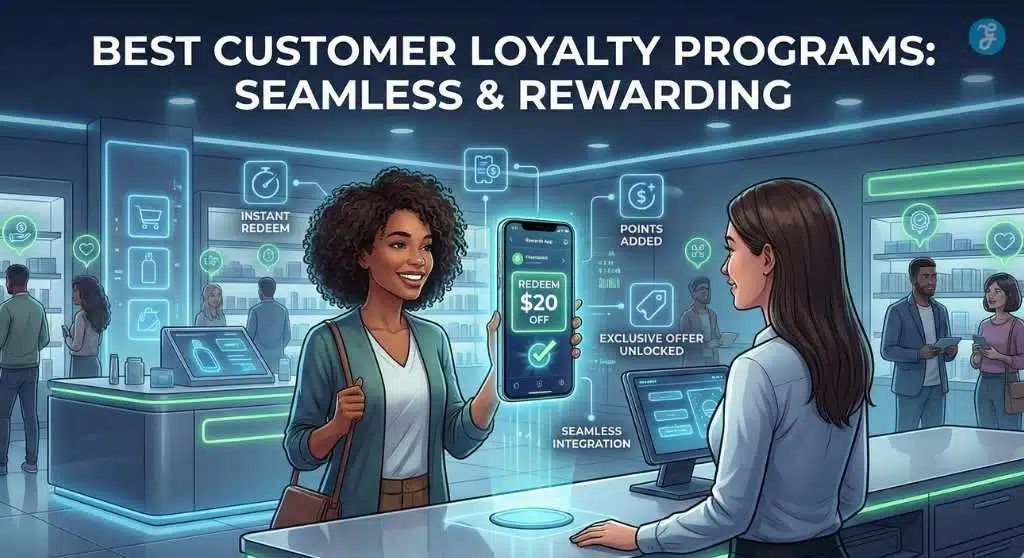
Before we list the heavy hitters, it is crucial to understand why these specific programs work. Why do we brag about saving $5 at Target but stay silent about a generic grocery store coupon?
The answer lies in perceived value and gamification. The most successful loyalty strategies trigger a dopamine release. When a consumer reaches a “VIP” tier or unlocks an “exclusive” reward, it feels like an achievement, not just a transaction. The best customer loyalty programs of 2026 are those that successfully blend three elements:
-
Frictionless Earning: It happens automatically (Target, Uber).
-
Aspirational Status: It signals you are an “insider” (Sephora, Delta).
-
Tangible Rewards: The payout is clear and substantial (Southwest, Ulta).
The New Standards of Loyalty: How We Categorized the Elite
Understanding the psychology behind the “brag” is one thing, but seeing how it applies across different industries is another. As we analyzed the best customer loyalty programs for 2026, it became clear that a “one-size-fits-all” punch card approach is extinct. The programs that successfully drive brand advocacy today are those that tailor their rewards to the specific rhythm of a customer’s life.
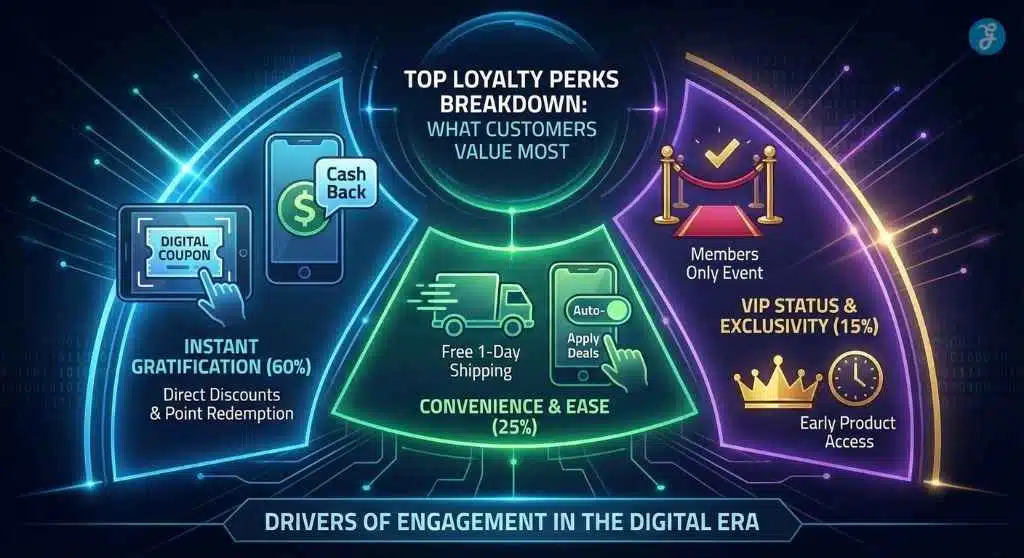
To provide the most accurate snapshot of the current landscape, we have divided the top 20 list into four distinct pillars, each representing a different style of engagement:
-
Status & Exclusivity: Predominant in Retail, where the goal is to make the customer feel like a VIP or an insider.
-
Speed & Convenience: Essential for Dining & Grocery, where the focus is on friction-free transactions and instant gratification.
-
Aspiration & Luxury: The hallmark of Travel, where customers play the long game for high-value payouts like free vacations.
-
Values & Innovation: Found in Niche markets, where brands build loyalty through shared ethics or unique, creative perks.
Leading the pack in terms of pure visibility and cultural impact are the retail giants. These are the brands that have successfully turned shopping into a sport and membership into a badge of honor.
The Cult Classics: Retail Programs That Define Status
Retail is the fiercest battleground for loyalty. The winners here don’t just offer discounts; they offer a lifestyle.
1. Sephora Beauty Insider
Sephora has arguably built the blueprint for modern tiered loyalty. It’s not just about buying makeup; it’s about climbing the social ladder from Insider to VIB to the coveted Rouge.
-
The Brag: “I have early access to the sale because I’m Rouge.”
-
Why It Works: Sephora creates a “velvet rope” effect. The rewards aren’t just monetary; they are experiential. The “Rewards Bazaar” drops limited-edition merchandise (like a designer bag or a brand trip) that requires points, creating a frenzy every Tuesday and Thursday.
2. REI Co-op Membership
REI takes a radically different approach. Instead of a free, points-heavy system, they charge a one-time $30 fee for a lifetime membership.
-
The Brag: “I just got my annual dividend check.”
-
Why It Works: It creates a sense of ownership. Calling it a “dividend” rather than a “reward” makes members feel like shareholders. Access to “Garage Sales” (returns sold at massive discounts) is a massive draw for outdoor enthusiasts.
3. Ulta Beauty Ultamate Rewards
While Sephora wins on status, Ulta wins on pure mathematics.
-
The Brag: “I bought a Dyson Airwrap entirely with points.”
-
Why It Works: The points currency is incredibly strong. 2,000 points equals $125 off anything. Because points can be used on salon services and prestige brands alike, the “earn and burn” cycle is highly addictive.
4. Nike Membership
Nike has moved beyond a simple transaction to become a digital ecosystem.
-
The Brag: “I got exclusive access to these Jordans on the SNKRS app.”
-
Why It Works: They leverage scarcity. By giving members “exclusive access” to high-heat sneaker drops, they turn membership into a lottery ticket for cool products.
5. Lululemon Membership
Lululemon’s program focuses on removing friction from the ownership experience.
-
The Brag: “They hemmed these leggings for free, even though I bought them online.”
-
Why It Works: The “Essential” membership is free and offers tangible service perks like hemming and early access to “We Made Too Much” sales. It solves pain points (ill-fitting clothes) rather than just offering points.
Comparison: Retail Loyalty Structures
| Program | Cost | Key Benefit | Currency Style |
| Sephora | Free | Status & Samples | Points for Products |
| REI | $30 (One-time) | Annual Dividend (Cash back) | % Back on Purchase |
| Ulta | Free | Cash off purchase | Points = Cash |
| Nike | Free | Exclusive Access | Access over Discounts |
| Lululemon | Free | Services (Hemming) | Service Perks |
Everyday Essentials: Dining & Grocery Champions
These are the programs we use daily. The “brag” here isn’t about luxury; it’s about “hacking” the system to get free lunch.
6. Starbucks Rewards
The gold standard of mobile app integration. In 2026, Starbucks continues to dominate by turning coffee buying into a video game.
-
The Brag: “I used 25 stars to customize my drink with extra shots for free.”
-
Why It Works: The “Star” economy allows for micro-redemptions. You don’t have to wait months for a reward; you can get a free customization after just a few visits. “Double Star Days” drive massive traffic.
7. Chick-fil-A One
Chick-fil-A has mastered “Surprise and Delight.”
-
The Brag: “They just loaded a free sandwich into my app for no reason.”
-
Why It Works: While they have a structured tier system (Member, Silver, Red, Signature), they are famous for random acts of kindness. Local operators can push free rewards to app users in their geo-fence, creating a local community feel.
8. Target Circle
Target revamped its program to be even more user-friendly.
-
The Brag: “I saved $20 instantly at checkout just by typing my number.”
-
Why It Works: It is passive. You don’t need to clip coupons; the app (“Circle”) applies deals automatically. The 1% earnings on every purchase add up silently until you have a nice surprise discount waiting for you.
9. Domino’s Rewards
Domino’s consistently uses technology to make loyalty fun.
-
The Brag: “I got a free ‘Emergency Pizza’ when I was broke.”
-
Why It Works: Their “Emergency Pizza” campaign was a masterclass in emotional marketing—giving customers a free product “when they need it most.” It builds trust and a safety net vibe around the brand.
10. Costco Membership
A paid membership that acts as a loyalty gatekeeper.
-
The Brag: “I saved the cost of my membership on just one trip.”
-
Why It Works: The “Treasure Hunt.” Costco rotates inventory so frequently that going to the store is an experience. The cheap food court ($1.50 hot dog) is a loyalty loss leader that keeps members bragging about value.
The Travel Hackers: Flights & Hotels
This is where the “Best Customer Loyalty Programs” conversation gets serious. Travel rewards are a high-stakes game where the savvy traveler can extract thousands of dollars in value.
11. Southwest Rapid Rewards
Often voted the most customer-friendly airline program.
-
The Brag: “My wife flies for free with me everywhere we go.”
-
Why It Works: The Companion Pass. If you earn 135,000 points in a year, a designated companion flies free (plus taxes) with you an unlimited number of times. It is arguably the single most valuable travel perk in existence.
12. Delta SkyMiles
Delta focuses on the premium experience.
-
The Brag: “I’m Platinum Medallion, so I skipped the line and went straight to the SkyClub.”
-
Why It Works: Delta has positioned itself as the premium US carrier. The loyalty status is a massive flex, offering tangible comfort (better seats, lounge access) that makes the grueling experience of modern travel bearable.
13. Alaska Airlines Mileage Plan
A favorite among enthusiasts for its old-school generosity.
-
The Brag: “I still earn miles based on how far I fly, not just how much I spent.”
-
Why It Works: While most airlines switched to revenue-based earning (spend more to get more), Alaska kept distance-based earning for longer, endearing them to budget travelers who fly long distances.
14. Marriott Bonvoy
The behemoth of hotel loyalty.
-
The Brag: “I booked 5 nights at the Ritz-Carlton for the price of 4.”
-
Why It Works: Scale. With 30+ brands, you can earn points on a business trip at a Courtyard and spend them on a honeymoon at a St. Regis. The “5th Night Free” on award bookings is a massive incentive to save up points.
15. World of Hyatt
Often considered to have the best top-tier status.
-
The Brag: “As a Globalist, they waived my resort fees and gave me free breakfast for my whole family.”
-
Why It Works: Hyatt’s footprint is smaller than Marriott’s, so they have to try harder. Their “Globalist” status offers guaranteed suite upgrades and waives resort fees on award stays—perks that save hundreds of dollars per stay.
Travel Loyalty Tier Breakdown
| Program | The “Holy Grail” Perk | Difficulty in earning | Best For… |
| Southwest | Companion Pass | High (135k points) | Couples/Families |
| Delta | Lounge Access | High (Spend-based) | Business Travelers |
| Marriott | 5th Night Free | Moderate | Global Travelers |
| Hyatt | Waived Resort Fees | Moderate | Luxury Seekers |
The Niche Innovators: Unique & Values-Based Programs
These programs prove you don’t need to be a giant corporation to build a cult following.
16. DSW VIP
DSW turned a boring shoe store transaction into a philanthropic act.
-
The Brag: “I got 50 points for donating my old shoes.”
-
Why It Works: It taps into sustainability. Customers feel good about donating used shoes (which DSW sends to charity), and they get rewarded for it. It brings foot traffic into the store without requiring a purchase.
17. Bath & Body Works Rewards
This program fuels the “haul” culture seen on TikTok.
-
The Brag: “I got a free $16.95 candle just for stocking up on soap.”
-
Why It Works: Simplicity. Spend money, fill the meter, get a free product. The reward cap is high enough to get a “real” product (like a full-size lotion or candle), not just a sample.
18. The North Face XPLR Pass
Targeting the adventurer.
-
The Brag: “I’m field-testing this jacket before it’s released to the public.”
-
Why It Works: Exclusivity and validation. By letting top-tier members test gear, The North Face validates their customers’ identity as “serious explorers.”
19. Barnes & Noble Premium Membership
A revitalized program for the reading renaissance.
-
The Brag: “I get 10% off everything in the store and free shipping.”
-
Why It Works: For $40 a year, the math is easy. If you spend $400 on books a year, it pays for itself. The immediate discount at the register is psychologically satisfying every time.
20. Amazon Prime
The ultimate subscription loyalty model.
-
The Brag: “I ordered it this morning and it’s already here.”
-
Why It Works: It has ceased to be a “program” and has become a utility. The loyalty is locked in because the inconvenience of not having Prime feels like a downgrade in quality of life.
Strategy Analysis: What Makes a Program “Best” in 2026?
As we analyze these top contenders, several semantic themes emerge that define the future of loyalty:
1. The Shift from Transactional to Emotional
The best customer loyalty programs are moving away from simple “spend-and-get” models. They are building emotional loyalty. REI and DSW do this by aligning with customer values (outdoors, charity). Sephora and Nike do this by aligning with customer identity (beauty guru, athlete).
2. Integration of Partnerships
You will notice a trend of ecosystems merging. Delta and Starbucks have linked accounts. Marriott and Uber have linked accounts. In 2026, the best programs allow you to earn points across your entire lifestyle, not just in one store.
3. Immediate Gratification
The patience of the modern consumer is thinning. Programs like Target Circle and Starbucks Rewards succeed because the feedback loop is tight. You see the savings or the stars immediately. Programs that require years of saving for a toaster are dying out.
5 Insider Hacks to Maximize Your Rewards
Knowing the best customer loyalty programs is only half the battle. To truly earn “bragging rights”—like free flights or huge cash-back checks—you need to play the game like a pro. Here are five strategies to supercharge your earnings in 2026:
1. The “Double-Dip” Strategy
Never settle for earning points in just one place. You can often earn three times on a single transaction by stacking:
-
Layer 1: Use a rewards credit card (e.g., Chase Sapphire or Amex Gold).
-
Layer 2: Click through a shopping portal (like Rakuten or an airline portal).
-
Layer 3: Scan the brand’s specific loyalty app (e.g., Target Circle or Ulta).
-
Result: You earn credit card points, cash back, and loyalty points on the exact same $50 purchase.
2. Don’t Hoard Your Points (Earn and Burn)
A common rookie mistake is saving points for “someday.” In the loyalty world, points rarely gain value; they usually lose it due to inflation or program devaluations.
-
The Rule: If you have enough points for a good reward today, use them. Airline miles and hotel points are notoriously subject to unannounced devaluation.
3. Look for “Status Matches”
If you have a high status with one brand, you might get it for free with another.
-
How it works: If you are a Delta Medallion member, other airlines (like Alaska or JetBlue) may offer you equivalent status for 90 days to try to win your business. This is the fastest way to get VIP perks without flying the miles first.
4. Birthday Arbitrage
Almost every program on our top 20 list offers a birthday freebie.
-
The Hack: Create a dedicated “Rewards Email” address. Sign up for all the major dining and retail programs (Starbucks, Sephora, Krispy Kreme) and set your birthday. When that month rolls around, your inbox will be flooded with free food and gift cards—no purchase necessary.
5. Abandon Your Cart
This is a classic digital trick that still works in 2026.
-
The Hack: Log in to your account, fill your cart with items, and then close the tab. Many retailers (like Wayfair, DSW, or Old Navy) have automated systems that will email you a “We miss you” coupon for 10% or 20% off within 24 hours to nudge you to finish the purchase.
Frequently Asked Questions (FAQ)
1. What is the single best customer loyalty program for cash back?
For pure cash-like value in retail, Ulta Beauty and Target Circle are top contenders. Ulta’s points translate directly to dollars off with no brand exclusions, while Target offers consistent 1% earnings and frequent direct discounts.
2. Are paid loyalty memberships like REI or Barnes & Noble worth it?
Yes, if you are a frequent shopper. Paid programs typically offer higher immediate returns (like 10% off or free shipping) that offset the annual fee quickly. For example, if you spend over $300 a year at REI, the membership pays for itself in dividend returns and perks.
3. Do loyalty points expire?
In most programs, yes. A common rule is that points expire after 12–24 months of inactivity. However, programs like Delta SkyMiles and United MileagePlus have policies where miles never expire, which is a significant advantage for infrequent travelers.
Some programs allow this. Southwest allows you to designate a companion. Hilton and Marriott allow points pooling between family members. However, elite status (like getting a suite upgrade) is usually non-transferable and applies only when the member is present.
5. How do loyalty programs make money for the company?
They increase “Share of Wallet.” Members of loyalty programs typically spend 12-18% more than non-members. Additionally, companies collect valuable data on shopping habits, allowing them to target marketing more effectively, which reduces their overall advertising costs.
The Bottom Line: Earning Your “Bragging Rights”
Ultimately, the best customer loyalty programs in 2026 have evolved beyond simple point collection. They create genuine emotional connections by offering rewards that feel personal, exclusive, and attainable. Whether it is the unbeatable value of the Southwest Companion Pass or the status symbol of a Sephora membership, these programs turn everyday spending into a rewarding game where you always win.
Don’t clutter your phone with every app available. Instead, focus on the few high-impact programs that align with your actual lifestyle and values. When a brand invests in your happiness with seamless perks and VIP treatment, that is when the relationship transforms—and that is a reward truly worth bragging about.