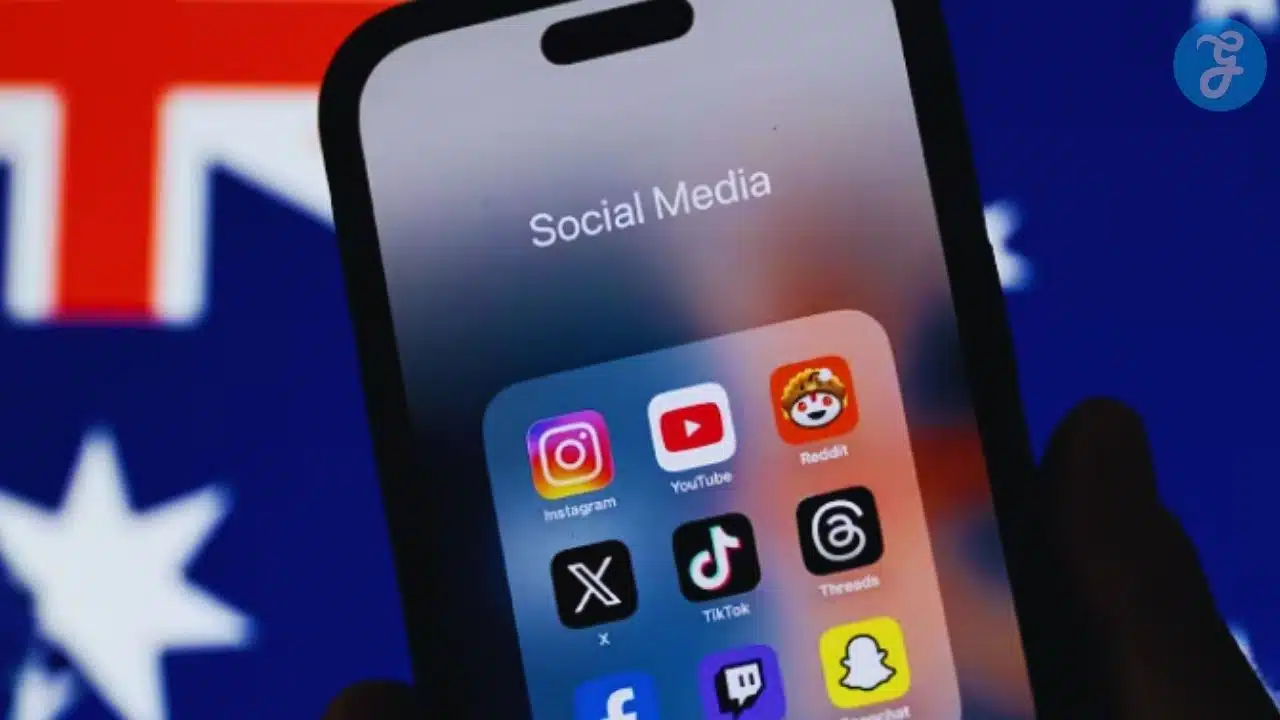
Australia implemented its groundbreaking social media ban for children under 16 on December 10, 2025, at midnight local time, immediately affecting over 1 million young users across major platforms such as Instagram, TikTok, YouTube, Snapchat, and others designated by the eSafety Commissioner. This legislation, passed earlier in the year after intense parliamentary debate, mandates that social media services employ “reasonable steps” to prevent anyone under 16 from holding an account in Australia, with non-compliance penalties reaching up to AUD 49.5 million for the most serious breaches or 30 million for lesser violations, depending on the company’s global revenue.
Prime Minister Anthony Albanese has framed the ban as a direct response to “predatory algorithms” that exploit young minds, exposing them to cyberbullying, harmful content, body image issues, and mental health risks documented in extensive government-backed research. The eSafety office, responsible for enforcement, has already issued guidance on age assurance technologies like behavioral analysis, device screening, and geolocation checks, though critics note that workarounds like VPNs remain a challenge in the early rollout phase.
Global Momentum Accelerates with Copycat Policies
The Australian model is rapidly inspiring action across continents, positioning the country as a trailblazer in child online safety. Malaysia’s government, led by Communications Minister Fahmi Fadzil, confirmed in November 2025 plans for a comprehensive under-16 social media ban effective from 2026 under amendments to its Online Safety Act, incorporating mandatory electronic age verification through national identity cards, passports, or biometric scans to mirror Australia’s technical framework. In Denmark, the government advanced legislation in November 2025 to prohibit social media access for children under 15, introducing a parental opt-in exemption starting at age 13 that requires verified consent and platform-level controls, aiming for implementation by mid-2026 amid broad cross-party support. Norway, building on its proactive digital policy stance, proposed elevating the minimum consent age from 13 to 15 in June 2025 and is now drafting binding laws for an absolute 15-year-old threshold on social platforms, coupled with stricter data privacy rules under GDPR alignments to shield minors from targeted advertising.
Europe’s response has gained significant traction following a non-binding but influential European Parliament resolution in late November 2025, urging member states to adopt a uniform minimum age of 16 for social media, gaming sites, and AI-driven content services, while permitting parental authorization for 13- to 16-year-olds after robust age checks. European Commission President Ursula von der Leyen explicitly hailed Australia’s ban during UN General Assembly remarks as “plain common sense” and a “bold step forward,” stating she is actively drawing inspiration to accelerate EU-wide harmonization efforts, potentially integrating it into the Digital Services Act updates.
France pioneered similar measures with a 2023 law demanding parental consent and age verification for under-15s on platforms, though rollout has faced technical and privacy hurdles; recent statements indicate renewed enforcement pushes. Meanwhile, Greece is advancing a proposed ban for under-15s with restrictions on addictive features, Romania is consulting on minimum age hikes, and New Zealand’s government signaled exploratory work on age-gated access following Australia’s precedent, reflecting a domino effect in policy diffusion.
Rising Diplomatic and Industry Tensions with US Tech Giants
The ban has ignited sharp diplomatic friction, particularly with American technology powerhouses headquartered in Silicon Valley. The Computer & Communications Industry Association (CCIA), a powerful lobby for Meta, Alphabet (Google’s parent), Apple, Amazon, and others, lodged formal complaints with the US Trade Representative, decrying the fines as “disproportionate penalties unfairly targeting US firms” and raising alarms over potential chills on freedom of expression and innovation. These grievances echo broader transatlantic trade disputes, with Australian National University senior lecturer Charles Miller analyzing the backlash as symptomatic of escalating tensions between pro-deregulation tech advocates and governments prioritizing content moderation, noting parallels in the Trump administration’s criticisms of European digital regulations that could soon pivot toward Australia.
Australian Communications Minister Anika Wells responded defiantly in BBC and domestic media interviews, asserting she is “fully prepared for any pushback from Washington” and that the nation “will not be intimidated by big tech’s lobbying muscle,” emphasizing sovereignty in protecting citizens over corporate interests. eSafety Commissioner Julie Inman Grant reinforced this by dismissing calls for US tech “exceptionalism,” highlighting surveys showing strong support from American parents for comparable safeguards and underscoring shared goals despite compliance hurdles. Platforms have signaled intentions to adapt—Meta plans account deactivations via age prompts and biometrics, while TikTok and YouTube eye similar blocks—but executives warn of enforcement “messiness” and risks of children migrating to unregulated apps or the dark web.
Expert Perspectives and Long-Term Implications
Academic voices offer nuanced takes on the ban’s ripple effects. Northeastern University’s John Wihbey positions Australia as the “first domino” toppling entrenched global norms on platform accountability, predicting accelerated international standards that could reshape tech governance within years. Conversely, fellow Northeastern professor Rachel Rodgers cautions that while well-intentioned, the measure sidesteps core issues like algorithmically fueled addiction and may inadvertently funnel teens toward less monitored online enclaves, underground forums, or VPN-circumvented access without holistic solutions.
Implementation details reveal pragmatism platforms get a 12-month grace period for full compliance, with ongoing refinements expected via AI-driven detection and international cooperation, though privacy advocates urge balancing safety with data protection rights. As reactions pour in from teens worldwide—many viewing it as overly paternalistic yet acknowledging mental health upsides—the policy underscores a pivotal shift toward proactive state intervention in the digital realm.