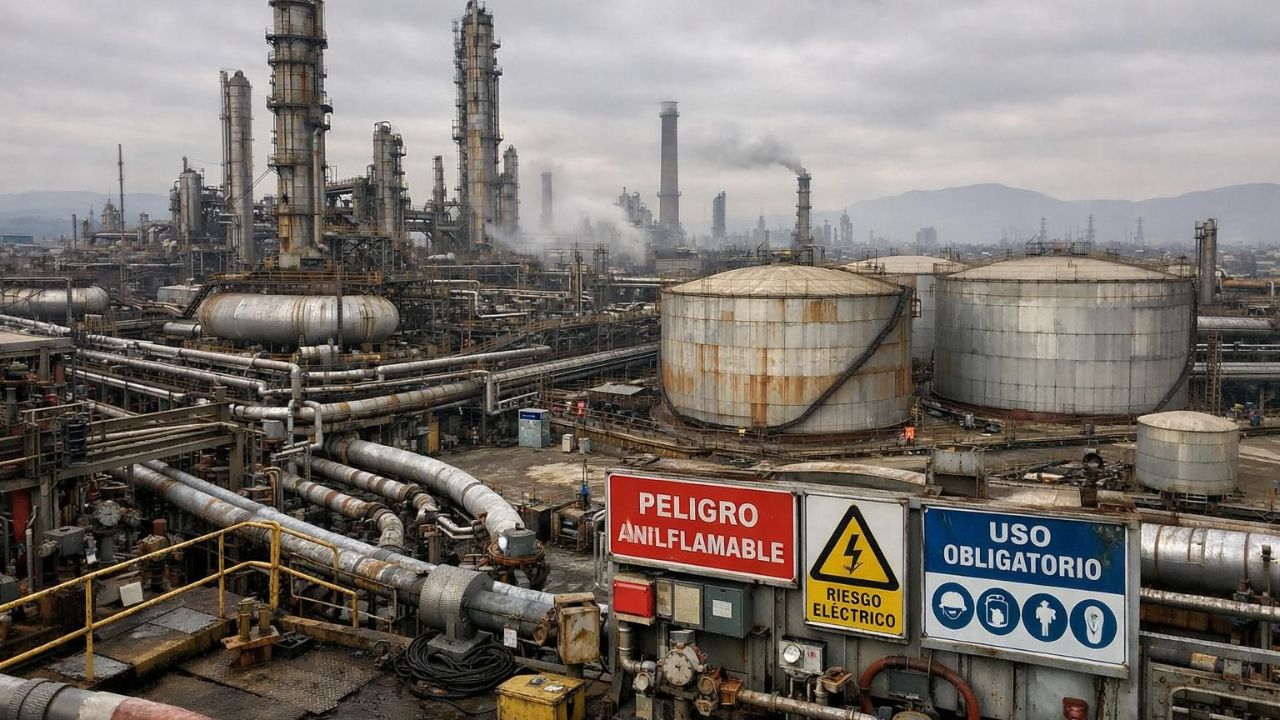
Managing hazardous waste is a critical responsibility for many companies, ensuring compliance with environmental regulations while promoting safety and sustainability. Conducting regular waste audits is a proactive approach that not only helps businesses comply with legal requirements but also optimizes waste management processes to minimize environmental impact and operational costs. What occurs when a company decides to audit waste? Keep reading to learn more.
What is a Waste Audit?
A waste audit involves a systematic review and assessment of the types and quantities of waste generated by a company, particularly focusing on hazardous materials. This process identifies sources of waste, evaluates current disposal practices, and assesses opportunities for improvement. By categorizing waste streams and analyzing disposal methods, companies can prioritize reduction, recycling, and proper disposal efforts.
A waste audit is not just about compliance; it’s a proactive approach to understanding and improving a company’s environmental footprint. It provides valuable insights into consumption patterns, waste generation hotspots, and opportunities for waste reduction and recycling. By systematically analyzing waste data, businesses can identify inefficiencies in resource use, implement targeted interventions to minimize waste, and ultimately contribute to a more sustainable future. This holistic approach not only benefits the environment but also enhances operational efficiency and supports long-term business resilience in a world increasingly focused on environmental sustainability.
Importance of Waste Audits
For companies handling hazardous waste, conducting regular audits is crucial for several reasons. Firstly, it ensures compliance with stringent environmental regulations that govern the handling and disposal of hazardous materials. Secondly, it promotes efficiency by identifying opportunities to reduce waste generation and improve recycling efforts, thereby lowering operational costs and enhancing sustainability credentials.
Conducting a Comprehensive Audit
A comprehensive waste audit typically involves several key steps. Initially, companies gather data on waste streams, including types, quantities, and disposal methods. Next, they categorize waste based on regulatory classifications and assess potential environmental impacts. Utilizing this data, businesses can then develop strategies to minimize waste production, enhance recycling efforts, and ensure compliance with legal requirements.
Benefits of Effective Waste Management
Implementing effective waste management strategies following a thorough audit offers numerous benefits. It reduces the risk of environmental contamination and associated liabilities, enhances workplace safety by properly managing hazardous materials, and improves corporate reputation through demonstrated commitment to environmental stewardship. Moreover, efficient waste management can lead to cost savings by optimizing resource use and minimizing waste disposal fees.
Challenges in Waste Audits
Despite the benefits, conducting waste audits for hazardous materials poses several challenges. One of the primary difficulties is accurately categorizing and quantifying various types of hazardous waste, which often requires specialized knowledge and expertise. Additionally, navigating complex regulatory frameworks can be daunting, as regulations vary by region and industry, requiring businesses to stay informed and adaptable. Furthermore, integrating audit findings into actionable waste management strategies requires collaboration across departments and possibly with external consultants to ensure comprehensive and effective solutions.
Best Practices for Successful Waste Audits
To overcome these challenges and maximize the effectiveness of waste audits, companies can adopt best practices. This includes investing in training for staff involved in waste management to ensure they understand regulatory requirements and best practices for handling hazardous materials. Establishing clear communication channels and protocols for reporting and responding to audit findings also enhances transparency and accountability within the organization. Furthermore, leveraging technology such as waste tracking systems and data analytics can streamline audit processes and facilitate continuous improvement in waste management practices.
Future Trends in Waste Management
Looking ahead, advancements in waste management technology and sustainability practices are shaping the future of waste audits. Innovations such as AI-driven predictive analytics for waste generation and blockchain-based traceability of waste disposal are likely to revolutionize how companies manage hazardous materials. Moreover, increasing stakeholder awareness and regulatory pressures are driving businesses to adopt more proactive and transparent approaches to waste management, emphasizing the importance of sustainability in corporate strategies.
These developments underscore the evolving landscape of waste audits and highlight the importance of ongoing adaptation and innovation in meeting environmental goals and regulatory compliance for companies handling hazardous waste.
Final Thoughts
Waste audits are indispensable tools for companies handling hazardous waste, ensuring compliance with stringent regulations while promoting efficiency and sustainability. By systematically assessing waste streams, categorizing materials, and implementing strategic waste management practices, businesses can mitigate environmental risks, reduce operational costs, and enhance their corporate reputation. Embracing best practices and leveraging emerging technologies will be key in navigating the complexities of waste management and fostering a culture of environmental responsibility and stewardship in the corporate sector.