Apple has confirmed the departures of four senior leaders within days, just as pressure intensifies over delays and missteps in its artificial intelligence strategy. The exits touch core areas from AI and design to legal and policy, raising fresh questions about how the company will compete in the next wave of AI-powered products.
Executive departures in quick succession
In the space of a few days, Apple announced that AI chief John Giannandrea will step down, general counsel Katherine (Kate) Adams and environment and policy head Lisa Jackson will retire, and longtime design leader Alan Dye has decided to leave for Meta. The announcements cluster around the first week of December 2025, signaling a concentrated reshuffle of Apple’s top ranks rather than isolated moves.
Giannandrea, senior vice president for Machine Learning and AI Strategy, will remain as an adviser before retiring in spring 2026, while a new vice president of AI takes over day‑to‑day leadership. Adams and Jackson are set to retire in 2026, but Apple disclosed their exits together, and reports say Dye informed the company of his decision to leave in the same week. Industry analysts view the cluster of departures as part of a broader transition in how Apple is managed in the AI era.
Key timeline of departures
| Date (announcement) | Executive | Role | Change announced | Notes |
| 1 Dec 2025 | John Giannandrea | SVP, Machine Learning & AI Strategy | Stepping down; retiring spring 2026 | Will serve as adviser during transition |
| 1 Dec 2025 | Amar Subramanya | New VP of AI | Appointed to lead AI organisation | Reports to Craig Federighi |
| 3–4 Dec 2025 | Katherine (Kate) Adams | SVP & General Counsel | Retirement in late 2026 | Joined Apple in 2017 from Honeywell |
| 3–4 Dec 2025 | Lisa Jackson | VP, Environment, Policy & Social Initiatives | Retirement in Jan 2026 | Former EPA chief under Barack Obama |
| Early Dec 2025 | Alan Dye | Head of human interface design | Leaving Apple, joining Meta | Longtime design leader after Jony Ive |
AI struggles and delayed products
These leadership changes come as Apple faces mounting criticism for falling behind rivals in generative AI and cloud infrastructure. Analysts and industry reports say the company has been slow to invest in the large data centers and training resources that underpin advanced AI models used by competitors such as Microsoft and Google.
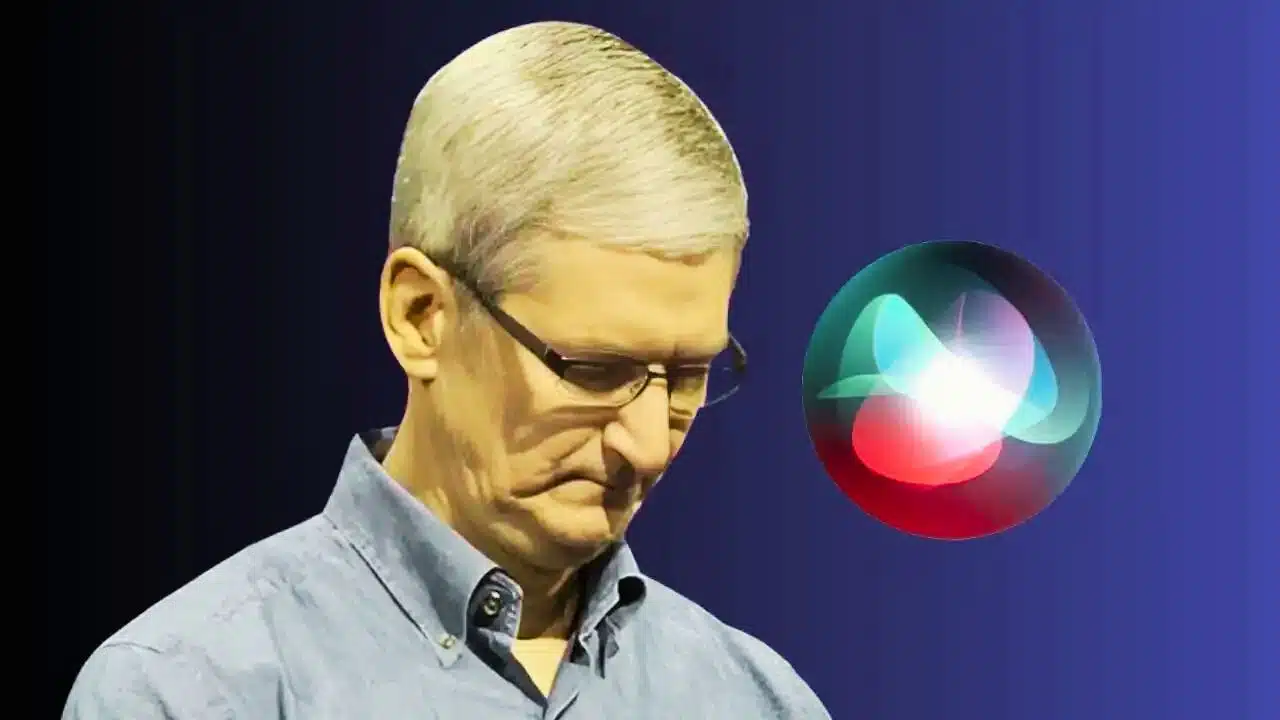
Apple’s Apple Intelligence features, unveiled to catch up with services like ChatGPT, received mixed reviews, and a major revamp of Siri has been pushed back to 2026. Investigations earlier in 2025 described internal dysfunction in the AI division, including weak coordination with marketing teams and allegations that optimistic internal claims about AI progress forced delays to new iPhone launches.
Recent AI setbacks at Apple
| Period | Issue or development | Reported impact |
| 2024–2025 | Rollout of Apple Intelligence suite | Lukewarm reception vs AI rivals |
| 2025 | Siri overhaul pushed to 2026 | Flagged as sign Apple lags in voice AI |
| May 2025 | Reports of AI–marketing misalignment | Claimed to delay iPhone launches |
| 2025 | Court claims over Siri’s capabilities | Accusations Apple overstated AI features |
Earlier in 2025, Apple also saw a wave of senior AI researchers leave its foundation models team for Meta, OpenAI and Anthropic, underlining the company’s difficulty retaining top machine‑learning talent. One of Apple’s most important AI models executives, Ruoming Pang, departed for Meta on a compensation package reportedly worth hundreds of millions of dollars, and several other team members followed.
Who the four departing executives are
John Giannandrea joined Apple in 2018 from Google and was tasked with building the company’s modern AI and machine‑learning strategy, including its core foundation models and AI infrastructure. During his tenure, Apple expanded AI across products, but critics say the company still failed to match the speed of innovation shown by AI‑first competitors.
Kate Adams, who became general counsel in 2017, oversaw Apple’s legal response to global antitrust scrutiny, including high‑profile App Store cases in the United States. Lisa Jackson, a former head of the U.S. Environmental Protection Agency, led Apple’s climate commitments, diversity initiatives and much of its government relations since 2013, making her one of the company’s most visible public‑policy voices. Alan Dye rose to prominence after Jony Ive’s exit in 2019 and shaped the look and feel of recent Apple software and hardware before deciding to join Meta.
Profiles of key departing leaders
| Executive | Joined Apple | Main responsibilities | Background highlights |
| John Giannandrea | 2018 | Led machine learning, foundation models and AI strategy | Previously senior AI leader at Google |
| Kate Adams | 2017 | General counsel; litigation, security and privacy oversight | Former Honeywell general counsel |
| Lisa Jackson | 2013 | Environment, policy, social initiatives and government affairs | Ex‑EPA administrator in Obama era |
| Alan Dye | c. 2006–2007 (designer, later lead) | Human interface design for hardware and software | Longtime member of post‑Jony Ive design leadership |
How Apple is trying to steady its AI and leadership
To manage the AI transition, Apple has appointed Amar Subramanya as vice president of AI, reporting to software chief Craig Federighi. Subramanya previously held senior AI roles at Microsoft and spent more than a decade and a half at Google, where he helped oversee engineering for the Gemini Assistant. His remit covers foundation models, machine‑learning research, and AI safety and evaluation, while other AI‑related groups are being moved under operations chief Sabih Khan and services head Eddy Cue.
Apple’s latest leadership announcement also named former Meta chief legal officer Jennifer Newstead as the company’s next general counsel from March 2026, consolidating legal and government‑affairs functions under her once Adams retires. The environment and social initiatives teams that Jackson led will report to Sabih Khan, strengthening the link between Apple’s sustainability goals and its global supply‑chain operations. Analysts say these moves show Apple pulling in outside expertise from AI‑heavy competitors while tightening control of policy, legal and environmental issues at the operations level.
New leadership structure highlights
| Area | Incoming leader | Reports to | Strategic focus |
| Core AI & ML | Amar Subramanya | Craig Federighi | Foundation models, research, AI safety |
| Legal & government affairs (from 2026) | Jennifer Newstead | CEO Tim Cook | Global litigation, regulation, policy |
| Environment & social initiatives | Sabih Khan | Operations leadership | Sustainability and supply‑chain integration |
This shake‑up comes as some analysts interpret Giannandrea’s exit as a tacit acknowledgement that Apple misjudged the scale and speed of the AI race. Others argue that replacing him with a leader steeped in both Microsoft and Google’s AI cultures suggests Apple is now more willing to borrow strategy and talent from rivals to close the gap. For customers and investors, the central question is whether this new team can deliver delayed Siri upgrades and more visible AI features fast enough to restore confidence.