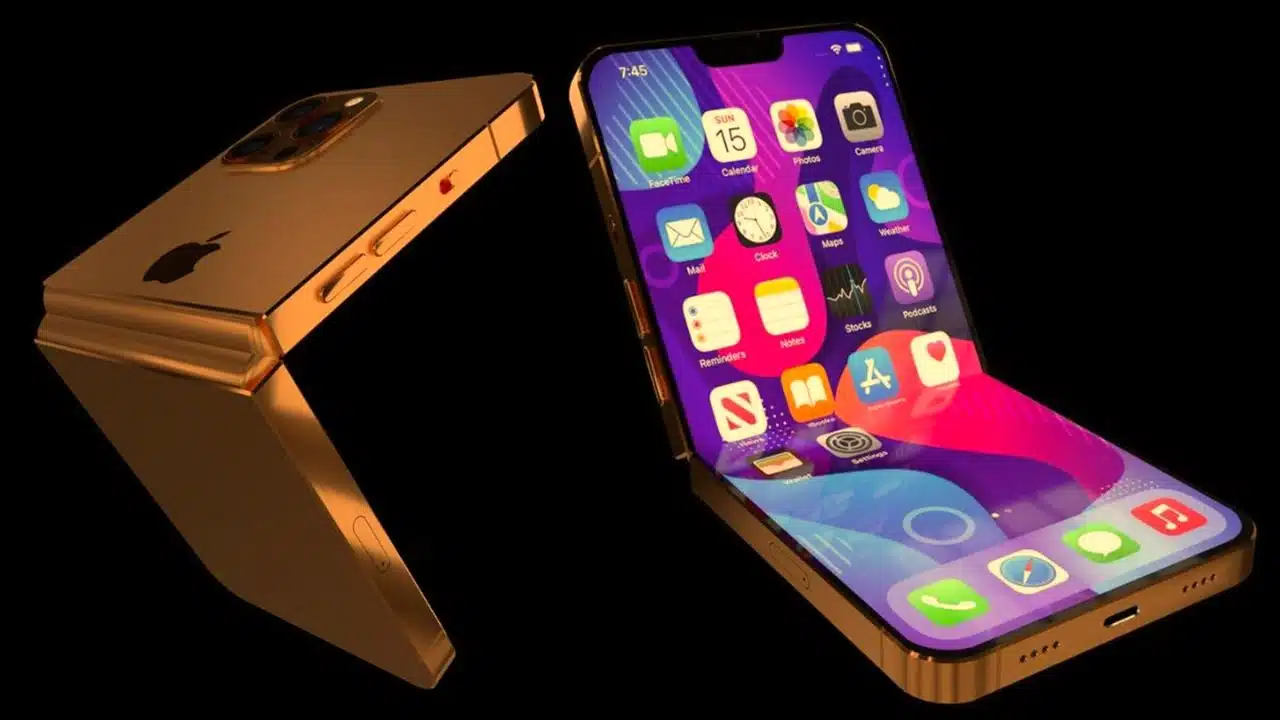
Apple ‘s highly anticipated foldable iPhone is expected to debut with a premium price tag of $2,399, according to a recent forecast from Fubon Research analyst Arthur Liao. This pricing would position the device well above every model in Apple’s current lineup, effectively doubling the cost of the flagship iPhone 17 Pro Max, which starts at $1,199.
Premium Materials Drive Pricing Strategy
The steep price point reflects rising materials costs and specialized components required for foldable technology, particularly the advanced hinge mechanism. Liao’s analysis indicates that Apple needs to hit the $2,399 mark to cover materials expenses while maintaining the company’s characteristic profit margins. This estimate falls on the higher end of industry speculation, which has ranged from $1,800 to $2,500 since rumors of the device first surfaced.
Launch Timeline and Market Positioning
Apple is targeting a late 2026 release for its foldable iPhone, likely as part of the iPhone 18 lineup scheduled for September. The company has been developing this technology for several years, following its traditional strategy of arriving late to emerging categories but delivering refined products. Fubon Research projects Apple will sell approximately 5 million units of the foldable device, positioning it as a niche product aimed at early adopters and luxury consumers rather than mass-market audiences.
Breakthrough Display Technology
The device is rumored to feature Apple’s first truly crease-free foldable display, which would address the most persistent complaint about existing foldable smartphones. Specifications suggest a 7.76-inch LTPO OLED screen when unfolded with a 120Hz refresh rate, coupled with a 5.49-inch cover display. The phone is expected to include the Apple A19 Pro chipset, 12GB of RAM, and storage options up to 1TB, along with a robust 5,500-6,000 mAh battery.
Industry Implications
Apple’s entry into the foldable market comes at a strategic time, as foldables represent one of the few smartphone segments still showing growth amid broader market declines. The company’s decision to enter at this premium price point could validate foldables as the next evolution in smartphone design rather than a niche experiment, particularly if Apple can deliver on its promise of superior technology. The pricing effectively puts the foldable iPhone in competition with high-end laptops, testing whether consumers will accept smartphones at this elevated price tier.