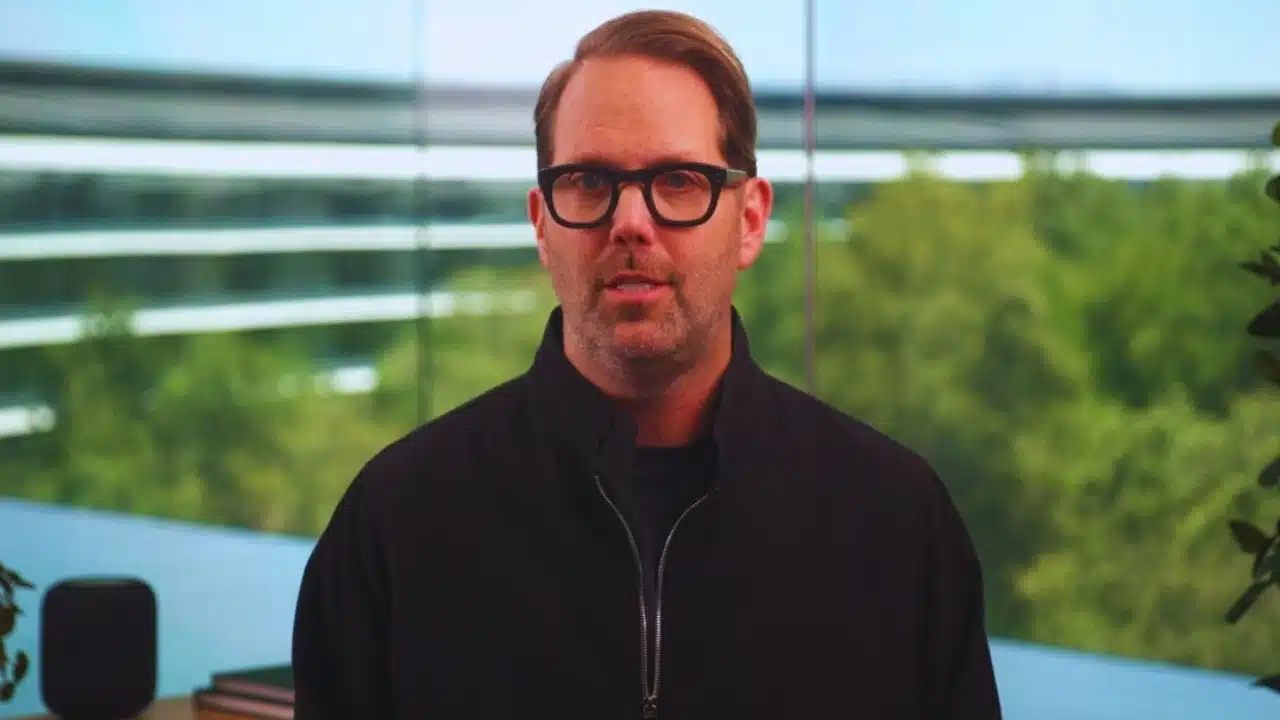
Meta is making one of its most significant design hires to date by bringing in Alan Dye, the longtime head of Apple’s user interface design team. Dye, who has spent nearly two decades at Apple and led the Human Interface group for the last ten years, is leaving the company to join Meta as the leader of a newly formed creative studio inside Reality Labs. His move marks a major shift in the competitive landscape as major tech companies intensify their focus on AI-driven consumer hardware, next-generation interfaces, and immersive experiences.
Dye’s hiring comes at a critical moment for Meta, which is aggressively pushing deeper into devices such as smart glasses, mixed-reality headsets, and other AI-first hardware products. At Meta, Dye will concentrate on elevating the design language of these devices, refining their user experience, and integrating advanced AI features into everyday interactions. He will report directly to Meta CTO Andrew Bosworth, signaling just how central design has become to Meta’s product strategy. Bosworth has repeatedly emphasized that Meta wants to create devices that feel effortless, intuitive, and emotionally resonant — and Dye’s background aligns with that vision.
During his long tenure at Apple, Dye played a key role in shaping nearly every major interface the company introduced. His contributions spanned iOS, macOS, watchOS, visionOS, and several hardware launches. Under his leadership, Apple’s UI design language evolved toward cleaner, more fluid, and more immersive experiences, most recently showcased in the company’s new “Liquid Glass” interface update. His deep understanding of how software and hardware must merge seamlessly is one of the primary reasons Meta pursued him so assertively.
Apple confirmed Dye’s departure and simultaneously announced his successor: Steve Lemay, another veteran designer who has worked on Apple’s interfaces since 1999. Apple CEO Tim Cook described Lemay as an essential member of the design organization and expressed confidence that he would preserve Apple’s legacy of craftsmanship and innovation. However, Dye’s exit still marks another turning point for Apple’s design culture, which has seen several key leaders move on since the era of Jony Ive.
Shortly after news of Dye’s move became public, Meta CEO Mark Zuckerberg introduced the new creative studio that Dye will lead. The studio combines Meta’s industrial design team, interface design groups, fashion-focused designers, metaverse art teams, and hardware experience specialists. It will also include leaders such as Billy Sorrentino and Joshua To, who have both overseen interface design within Reality Labs, along with Pete Bristol and Jason Rubin, who guide industrial design and metaverse aesthetics, respectively. Meta describes this cross-disciplinary team as essential to shaping its next wave of products.
Zuckerberg said the studio’s mission is to “bring together design, fashion, and technology” and to treat intelligence — meaning AI — as a new creative material. His goal is to rethink how users interact with devices when AI becomes abundant, highly capable, and deeply integrated. The studio is expected to explore how products should look, feel, and behave when intelligence becomes a core part of the user experience.
Dye’s move also reflects a broader trend: top-tier talent shifting between companies as the race for AI leadership accelerates. Meta has been actively recruiting engineers, designers, and researchers from competitors, including OpenAI and Apple. As AI becomes central to future hardware ecosystems, companies are competing not only on raw technological capability but also on how thoughtfully that technology is presented to users. Meta’s decision to build a world-class design studio — and place Dye at the center of it — signals that user experience will be one of its most important differentiators in the years ahead.