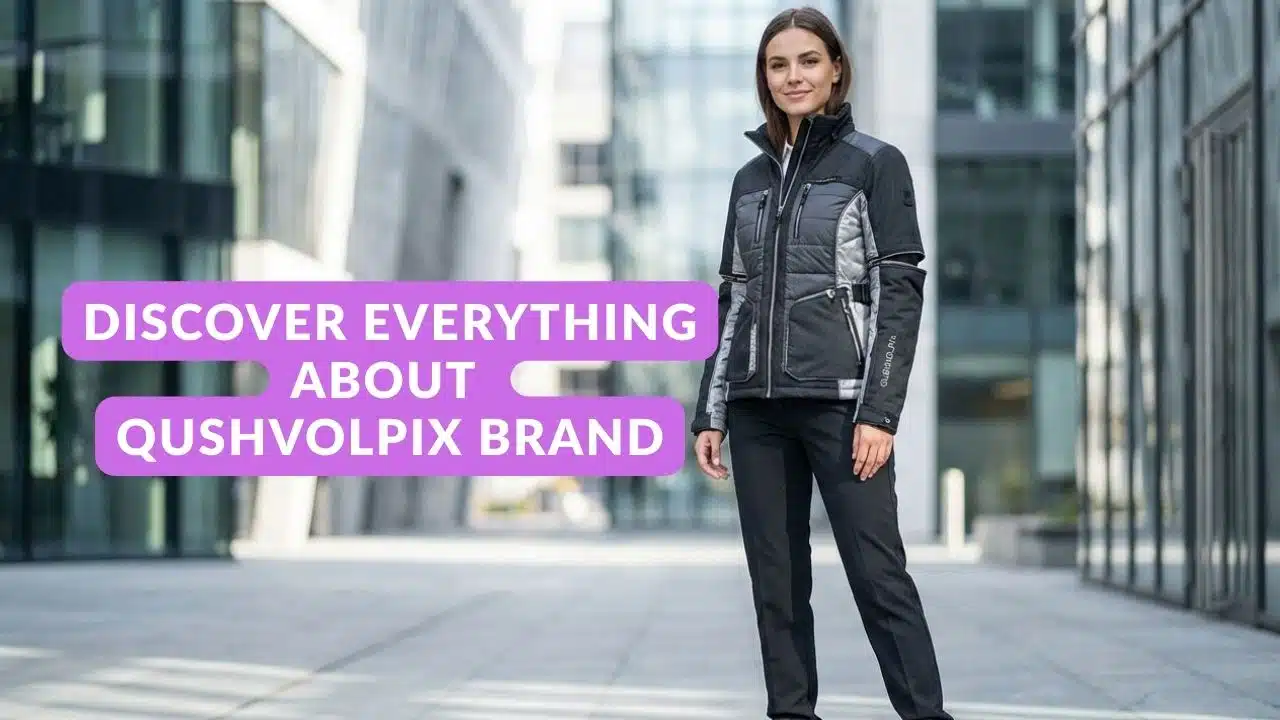
You know how hard it is to find gear that feels current, holds up for years, and still lines up with your sustainability goals. That is the promise the Qushvolpix brand is trying to make real, with modular design and a heavy focus on digital product development.
This page is a practical guide to how the brand story is positioned, what the tech terms actually mean, and what you should verify before you buy.
I will walk you through the brand philosophy, the modular product ideas, the sustainability claims, and the technology stack (AI, 3D, AR, and blockchain), with extra context for shoppers in Malaysia.
Key Takeaways
- Brand positioning: Qushvolpix is presented online as a fashion-tech and lifestyle label built around modular, upgradeable products that can adapt to modern living needs.
- Read sustainability claims like a checklist: If you see numbers like “60% sustainable materials” or “80% less plastic,” treat them as brand-stated metrics until you can confirm the material standards, supplier scope, and what was measured.
- Malaysia-specific reality check: If a product includes body scanning or biometric-style fit tech, Malaysia’s PDPA rules and 2025 updates make consent and data handling a real decision point, not a footnote.
- Modular power and travel: If your kit includes a power bank module, check airline battery limits and look for credible safety markings, because cheap, uncertified power banks have been a public safety concern in Malaysia in 2025.

Exploring the Qushvolpix Brand
Explore the Qushvolpix product story and brand philosophy. Qushvolpix is described as using blockchain transparency, AI-driven customization, and 3D modeling to reshape a tech-driven lifestyle.
Embracing the Mission and Design Philosophy
Across the Qushvolpix brand write-ups circulating online, the consistent theme is this: make “upgradeable” products that stay relevant instead of being replaced. Some sources describe origins and early development tied to Los Angeles and a 2018 launch, while others frame it as a more global collective, so it is smart to treat the exact origin story as part of the brand narrative until you can verify it through official channels.
What matters for you is the operating idea. If Qushvolpix truly builds around modular design, you should be able to keep the core item and swap parts instead of rebuying the whole product line.
- Innovation you can feel: modular parts you can replace, upgrade, or repair without specialized tools.
- Transparency you can check: a traceability flow (QR code, batch info, supplier names) that gives more than marketing copy.
- Sustainability with boundaries: clear material standards, not vague “eco-tech” language.
- Customer experience first: fit tools, size guidance, and support that reduce returns and frustration.
If you are evaluating “AI-powered” claims, focus on where AI actually helps you. In practice, the most useful applications are personalization (better product matching), forecasting (fewer wasteful overproduced runs), and sizing guidance (fewer returns).
Prioritizing Sustainability
The original Qushvolpix story often includes specific sustainability claims, such as “60% sustainable materials,” “80% less plastic packaging,” waterless dyeing, and an emissions reduction since 2020. Those figures can be meaningful, but only if they come with definitions (what counts as “sustainable”), boundaries (which products and suppliers are included), and timeframes.
For Malaysia-based buyers, a simple shortcut is to look for recognized verification signals, not just brand language. One local example is the MyHIJAU Mark, which is described by MGTC as Malaysia’s official green recognition mark for certified green products and services.

Quick buyer rule: If a brand talks about “transparency,” you should be able to trace at least one real thing, a supplier, a facility, a material standard, or a batch-level record that matches the item in your hands.
Packaging is another place where the details matter. Malaysia has a national “Roadmap towards Zero Single-Use Plastics, 2018-2030,” so it is reasonable to expect brands selling into Malaysia to be specific about what they eliminated (film wrap, foam, sachets) and what they replaced it with (recyclable paper, reusable mailers).
If Qushvolpix claims a net-zero 2030 goal, ask for the operational plan behind it: renewable electricity sourcing, lower-impact materials, and end-of-life handling are the pieces that typically move the needle.
Innovative Features of Qushvolpix Products
Qushvolpix positions its Qushvolpix product line around modular tech and plug-and-play electronics. The pitch is simple: you start with a base item and add modules (power, sensors, storage, connectivity) as your needs change.
Focus on Modularity and Scalability
Modularity only pays off when the ecosystem is stable. Before you commit, look for signs the modules will still work a year from now: consistent connectors, a published compatibility promise, and replacement parts that are easy to get.

| Module idea | What to check before you buy (Malaysia) | Why it matters in real-world use |
|---|---|---|
| Power bank or battery module | Visible capacity labeling and credible safety markings; avoid “too cheap to be true” units | Power modules are the most common failure point and the biggest safety risk if quality is poor |
| Wearable sensor module | Clear data controls, opt-in consent, and how data is stored or shared | Wearables can shift from “convenient” to “creepy” if privacy is unclear |
| Smart home hub add-on | Offline mode, local control options, and update policy | Local control reduces disruption when internet access drops or apps change |
Travel is a practical stress test for modular gear. Malaysia Airlines baggage guidance lists lithium battery limits, including that spare batteries must be carried in the cabin and sets watt-hour thresholds (including limits up to 160Wh per battery in certain configurations and up to 300Wh in others), so it is worth matching your module specs to airline rules before you fly.
Enhance with AI-Powered Customization
“AI-driven” customization sounds big, but you should judge it by two outcomes: fewer wrong purchases and fewer returns. If the brand offers AR fitting rooms or body scanning, your best move is to test it with one item first, then compare fit and comfort to your usual sizing.
Also, watch for a common pitfall: fit tools that do not explain what they measured. A good experience tells you what inputs were used (height, body measurements, garment cut), and it gives you an easy way to override the recommendation when you already know your preference.
- Start with one category: test the sizing tool on one product type (like outerwear) before trusting it for everything.
- Save your baseline: keep a note of what size you chose and how it fit, then use that as your personal reference for future modules.
- Check return logic: if modules are sold separately, confirm whether returns apply to each module or only to the base item.
- Ask what “personalization” means: style suggestions are fine, but anything tied to body data deserves tighter controls.
Advanced Technology in Qushvolpix
Qushvolpix describes a stack that includes blockchain, encrypted computer data storage, 3D modeling, virtual prototyping, and data analytics. For you, the question is not whether the words sound advanced; it is whether the system reduces waste, improves customer experience, and protects your data.
Implement Blockchain for Enhanced Transparency
Blockchain transparency can be useful, but only when it is connected to verifiable supply chain events. The most credible implementations look less like “crypto” and more like a structured product record, for example, material type, supplier, processing steps, batch dates, and audit notes you can actually read.
If Qushvolpix uses QR codes for traceability, scan them and look for completeness. If the record stops at vague claims (“ethically sourced”), treat it as marketing until you see specifics.
Utilize 3D Modeling and Virtual Prototyping
3D modeling and virtual prototyping can reduce physical sampling, which is where brands often burn time, money, and fabric. Even without seeing Qushvolpix’s internal process, you can still look for external signals that the workflow is real, such as consistent sizing across releases, fewer “version changes” mid-season, and clear material specs that stay stable from launch to restock.
If the brand mentions an AI-forecasted collection or fast sell-through, treat those as performance claims. Ask what changed operationally, such as shorter production runs or made-to-order drops, because those are the levers that reduce waste in a real-world supply chain.
Data Privacy, Biometrics, and What Malaysian Buyers Should Ask
If Qushvolpix uses AR body scanning or collects biometric-like fit data, you should treat that as sensitive. The Personal Data Protection Department’s FAQ notes PDPA rights such as access, correction, and withdrawing consent, and it also states that a Data Protection Officer appointment takes effect on June 1, 2025, under specific thresholds.
Separate from that, legal updates summarized by major firms note that biometric data is treated more strictly under Malaysia’s amended PDPA, with higher maximum penalties. That makes privacy controls part of the product decision, not an afterthought.
- Ask what is stored: raw scans, derived measurements, or only a size recommendation.
- Ask where it is stored: on-device, on a company server, or with a third party.
- Ask how to delete it: look for a real deletion path, not just “we value privacy.”
- Limit what you share: if a feature works without a scan, use the lower-data option.
End-of-life Handling for Modular Electronics
Modular gear can reduce waste only if parts get reused or recycled properly. The Department of Environment notes that the public can send household e-waste to registered collection centers, which is a practical option when a module reaches end-of-life.
A clean habit is to separate your textile parts from your electronics parts early so you can recycle the electronics correctly without tossing the whole item.
FAQs on About Qushvolpix Brand
What is the Qushvolpix brand, in plain English?
The Qushvolpix brand is positioned as a fashion-tech label that merges wearable technology, modular design, and sustainability storytelling. Think of it as a “build your own kit” approach, where one base product can evolve through add-ons.
What should I check first if I want sustainable, modular gear?
Start with the parts you can verify quickly: material standards, packaging details, and whether replacement modules are available. In Malaysia, looking for credible green recognition (such as MyHIJAU Mark listings for relevant categories) can also help you separate real sustainability from vague claims.
Is blockchain transparency actually helpful for consumers?
It can be, but only if it shows specific supply chain data you can read and understand. If you cannot identify materials, suppliers, or batch-level records from the scan, the “blockchain” label does not help you make a better decision.
Are modular power banks safe to travel with?
They can be if they are high quality and clearly labeled. For flights, confirm watt-hour ratings and pack spares in carry-on as required, because airline battery limits and safety handling rules are strict for a reason.
Takeaways
The Qushvolpix brand is built around a clear idea: modular, upgradeable products that merge fashion-tech with modern living. That idea can deliver real value, especially if the ecosystem stays compatible and the sustainability claims are defined and verifiable.
For shoppers in Malaysia, the smartest checks are practical ones: privacy controls for AR and wearable features, credible safety signals for power modules, and clear end-of-life options for e-waste.
Use this deep dive to compare the brand identity to what the product line actually delivers, then decide if Qushvolpix fits your tech-driven lifestyle and sustainability goals.