In today’s hyper-connected world, complexity has quietly become standard. Websites are full of pop-ups, apps are packed with features that most users never touch, and digital platforms are constantly competing for attention. In the midst of all this noise, a new concept is gaining relevance: simpsiri.
Simpsiri represents a modern shift towards clarity, ease of use and intentional design. While the term itself may seem new, the philosophy behind it addresses a growing demand in the digital age – making systems easier to understand, faster to use and more enjoyable to experience. As businesses compete in crowded online spaces, Simplicity emerges as a strategic advantage rather than just a design priority.
Understanding Simpsiri is essential for anyone involved in digital products, branding, marketing or content creation. It reflects not only aesthetic simplicity but also functional clarity that enhances the way users interact with technology.
What Is Simpciry?
Simpsiri can be described as the evolution of simplicity in the digital age. It’s not just about removing visual elements or reducing design components. Instead, it focuses on eliminating unnecessary complexity while preserving value and performance.
At its core, Simplicity combines simplicity with clarity. It emphasizes designing systems and experiences that feel intuitive without sacrificing efficiency. A platform built on Simplicity principles allows users to achieve their goals quickly, without confusion or friction.
Unlike minimalism, which often prioritizes reducing visual elements, simplicity goes deeper. It examines the user journey, communication style, system architecture and functional structure to ensure everything serves a clear purpose.
Why Simpciry Matters in the Digital Age
The significance of simpciry turns into clearer when we bear in mind how users behave on-line nowadays. People have restrained time and attention. They assume fast results and seamless studies. When confronted with overly complicated interfaces, they frequently abandon the interplay absolutely.
Digital fatigue is increasing. Endless notifications, complex dashboards, and function-heavy tools can overwhelm customers. Simpciry addresses this by way of that specialize in intellectual ease. When a product feels sincere, customers revel in less pressure and extra self assurance of their selections.
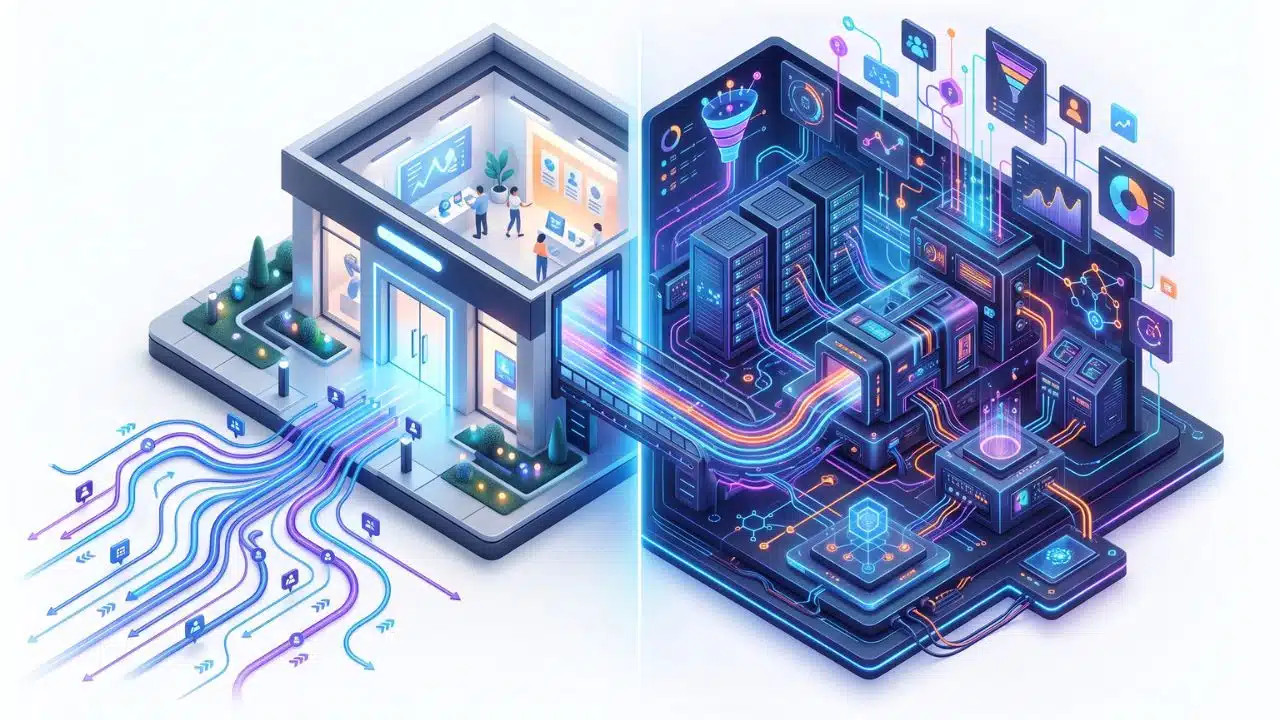
From a business perspective, complexity regularly reduces overall performance. Confusing checkout tactics cause abandoned carts. Overloaded touchdown pages decrease conversion charges. Long and uncertain instructions increase assist tickets. Simpciry facilitates lessen those obstacles via making interactions smoother and greater predictable.
Trust also performs a position. Clear verbal exchange and structured design sign professionalism. When users can easily apprehend what a brand offers and the way it works, they are much more likely to interact and return.
Simpciry in User Experience (UX)
User experience design is one of Simpsiri’s strongest applications. Modern UX strategies increasingly focus on reducing cognitive load. Cognitive load refers to the amount of mental effort required to use a product. When that effort is too much, frustration increases.
Simsiri in UX includes creating logical information hierarchies, intuitive navigation and clear calls to action. Instead of overwhelming users with options, designers prioritize what really matters at each step of the journey. This makes the conversation feel natural rather than forced.
Another key element is the ability to learn. Products built with simple principles often require little explanation. Users can navigate them without guides because the structure is aligned with natural behavior patterns. This increases the adoption rate and reduces friction on board.
Simplicity also benefits accessibility. When interfaces are clean and structured, they become easier to use for different devices and people with different abilities. Clear contrast, readable typography and simple layouts enhance inclusiveness.
Simpciry in Web Design
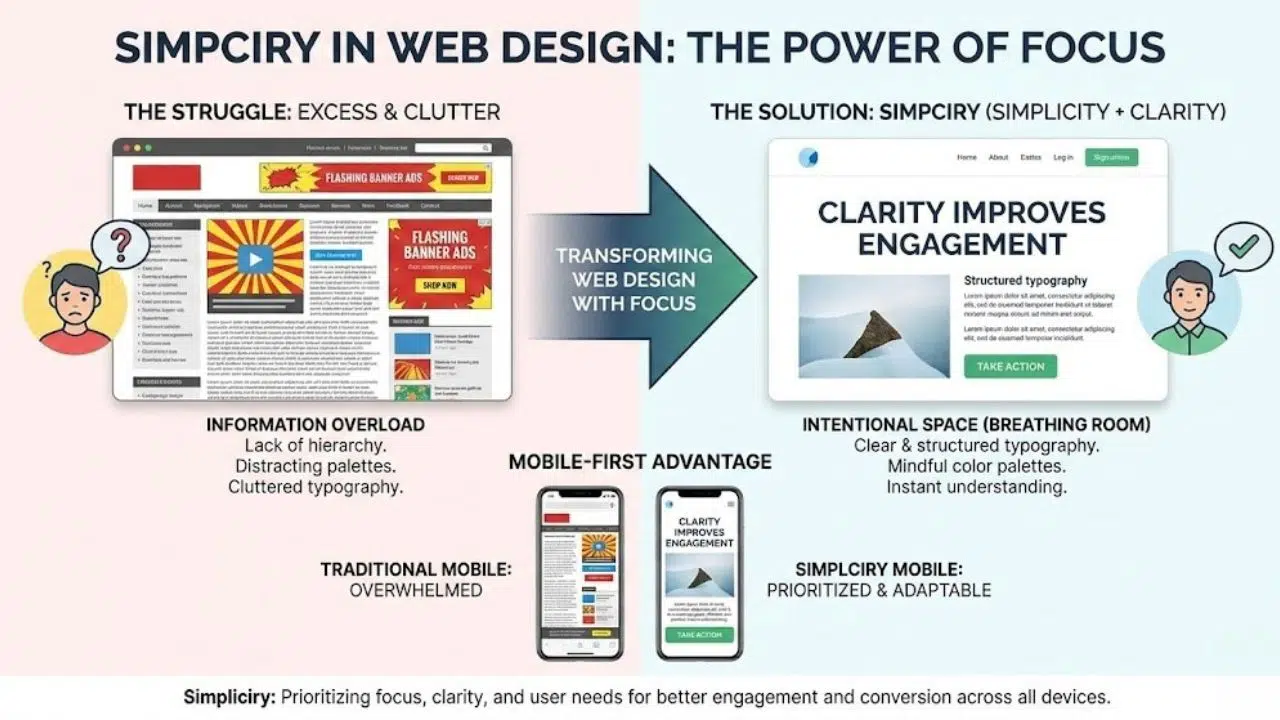
Web design often struggles with excess. Many websites attempt to display too much information at once. Simpciry challenges this approach by encouraging focus.
A simpciry-driven website uses space intentionally. White space is not empty; it creates breathing room that improves readability. Typography is clear and structured to guide attention logically. Color palettes are chosen carefully to avoid distraction while maintaining visual identity.
When users land on such a site, they instantly understand where to look and what action to take. This clarity improves engagement and increases the likelihood of conversion.
Mobile design further reinforces the importance of simpciry. Smaller screens demand focus. Elements must be prioritized because space is limited. Brands that adopt simpciry principles adapt more effectively to mobile-first environments.
Simpciry in Branding
Branding has evolved significantly in the digital era. Audiences no longer respond well to overly complex messaging. They prefer clarity, authenticity, and consistency.
Simpciry influences branding by encouraging concise communication. Instead of long, complicated brand statements, companies focus on clear value propositions. Visual identity systems become more refined and less cluttered. Logos are cleaner. Typography is more intentional.
This clarity improves memorability. When a brand message is straightforward, it sticks. When visuals are simple yet distinctive, recognition increases.
Simpciry also helps brands appear modern and premium. Clean design and focused messaging often convey confidence. It signals that a company understands its audience and respects their time.
Simpciry in Product Development
In product development, complexity often grows gradually. As features are added over time, systems become harder to navigate. Simpciry requires intentional discipline.
Rather than adding endless functionalities, developers must prioritize core value. A product should solve a problem effectively before expanding its capabilities. When every feature serves a clear purpose, the overall experience remains manageable.
Simplified workflows also improve retention. Users are more likely to continue using tools that feel easy. If a platform requires constant re-learning or adjustment, users may seek alternatives.
Simpciry does not mean limiting innovation. Instead, it means delivering innovation in a digestible form. Advanced capabilities can exist behind intuitive interfaces.
Simpciry and Productivity
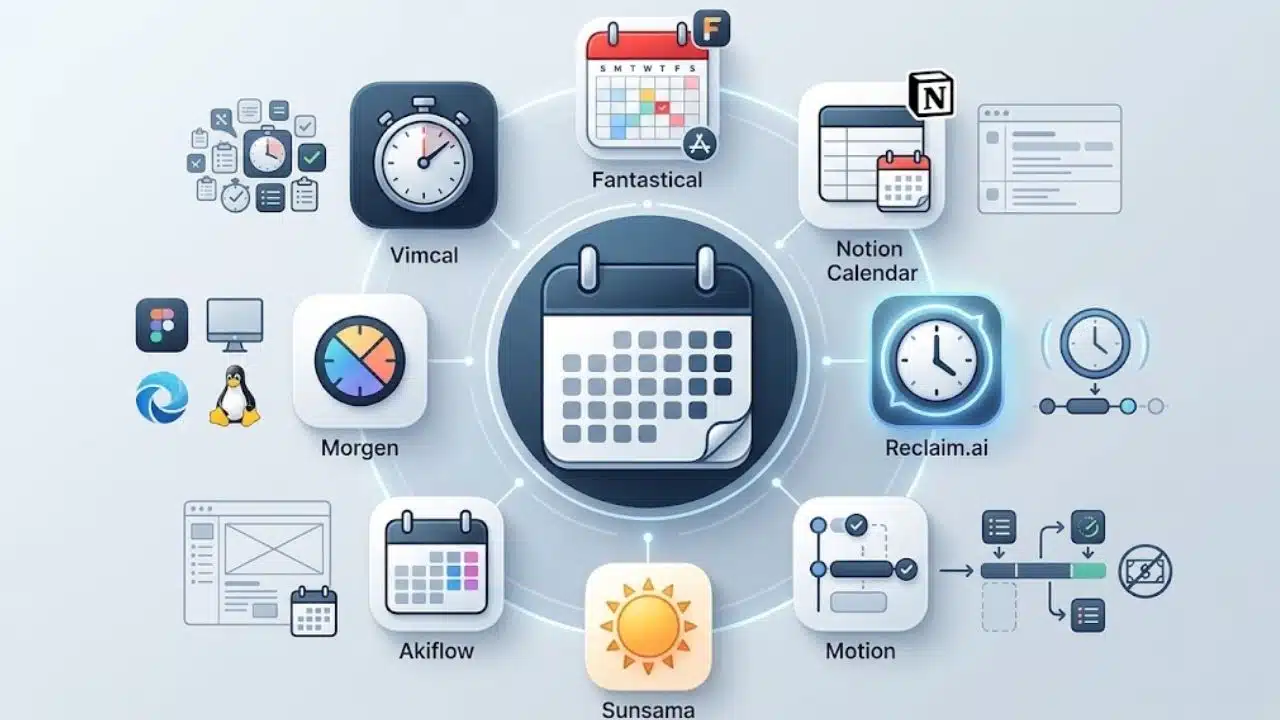
Productivity tools often promise efficiency but deliver complexity. Dashboards filled with widgets, notifications, and multi-layered menus can slow users down instead of helping them.
Simpciry-based productivity solutions emphasize clarity in task management. Workflows are structured logically. Distractions are minimized. Interfaces guide focus rather than fragmenting attention.
When decisions are easier to make, productivity increases. Users spend less time navigating systems and more time executing meaningful tasks. This alignment between intention and action reflects the true value of simpciry.
Simpciry in Content Strategy
Content strategy also benefits from simpciry. Overly technical language, dense paragraphs, and unclear messaging can discourage readers. Simpciry encourages clarity in writing.
Structured formatting, logical flow, and direct language improve comprehension. Readers feel guided rather than overwhelmed. This not only enhances user experience but also supports search engine optimization.
Search engines favor content that is easy to understand and well-structured. Clear headings, coherent paragraphs, and focused topics improve visibility. Simpciry therefore contributes both to readability and SEO performance.
The Psychological Foundation of Simpciry
Human psychology naturally favors simplicity. When information is presented clearly, the brain processes it more efficiently. This concept, often referred to as cognitive ease, influences trust and decision-making.
When users encounter straightforward designs and messages, they experience less mental strain. Reduced strain leads to positive emotional responses. In contrast, confusion often triggers frustration and avoidance.
Simpciry leverages this psychological preference. By aligning digital experiences with natural cognitive patterns, it enhances satisfaction and loyalty.
The Future of Simpciry
As artificial intelligence, automation, and digital ecosystems grow more complex, simpciry will likely become even more essential. Users will not tolerate unnecessary difficulty in interacting with advanced systems.
Future platforms may rely heavily on simpciry to balance technological sophistication with usability. AI-powered interfaces will need to remain intuitive. No-code tools will prioritize clarity for non-technical users. Businesses will compete not just on features, but on ease of use.
In this landscape, simpciry may evolve from a conceptual term into a core strategic principle guiding digital transformation.
Final thought on Simpciry
Simpciry represents more than just a trend. It reflects a broader cultural shift toward clarity, usability, and intentional design in a world saturated with complexity. By reducing friction and prioritizing meaningful interactions, simpciry enhances user experience, strengthens branding, improves productivity, and supports sustainable growth.
In an environment where attention is scarce and competition is intense, simplicity becomes powerful. Simpciry offers a framework for achieving that simplicity without sacrificing depth or innovation.
As digital spaces continue to expand, the brands and platforms that embrace simpciry will likely stand out—not because they are louder, but because they are clearer.