Have you ever run a browser check, seen thejavasea.me leaks AIO-416 result and wonders if you are looking at a real leak or a scare tactic? That reaction makes sense. Labels like this are meant to sound urgent, and they often appear next to copied breach data, fake download pages, or bait files that can put your personal computer and online accounts at risk.
This article walks you through what AIO leaks usually contain, why these pages feel so risky, and what to do next if a link, file, or account looks compromised.
What Is Included in Thejavasea.me Leaks AIO-416 Leak Bundle?
AIO usually means all-in-one. In plain English, that means one archive can bundle many unrelated files together, and the number 416 is usually just a label, not proof of a date, size, or source.
In real-world leak collections, you may see credential lists, browser check logs, screenshots, invoices, database exports, source code, and random support files mixed into the same package. Security researchers treat these bundles as claims, not proof, because old records, duplicate entries, and fabricated data often get repackaged together.
The Identity Theft Resource Center logged 3,158 U.S. data compromises in 2024, and the FTC received more than 1.1 million identity theft reports that year. That is why even one exposed email address, phone number, or account token deserves attention.
| Common file type | Why it matters | Best next step |
|---|---|---|
| Credential lists | They can contain email and password pairs used for credential theft and account takeover. | Reset the password on a clean device and turn on two-factor authentication. |
| Browser or diagnostic logs | They may reveal device details, browsing data, saved-session traces, or extension information. | Sign out of active sessions, review saved passwords, and check for unknown extensions. |
| Documents, invoices, or warranty files | These are often used as decoys to make a risky download look ordinary. | Do not open macros, installers, or files that ask for extra permissions. |
| Source code, backups, or configuration files | They can expose API keys, admin paths, company information, and personal identifiable information. | Rotate keys, notify the affected company, and treat the system as potentially compromised. |
If you spot your company name, a browser check export, or a database inside one of these files, do not assume the whole archive is real. Verify your own account status directly from a trusted device instead of trusting the leak file.
Common Platforms for Sharing Leak Collections
AIO-416 bundles move quickly because attackers use whatever gets clicks, public file hosts, invite-only forums, social channels, mirror pages, and dark web listings. The goal is speed, not accuracy.
A file that claims to fix a motherboard issue, update a graphics card tool, restore a PCI Express setting, or handle an iBUYPOWER computer warranty can still be bait. Attackers also borrow familiar names such as Corsair Gaming, Newegg, Arctic, cooler utilities, pump controls, and support paperwork to make a risky download feel normal.
Why labels and filenames fool people
If you see names like AIO or AIO-TLP, treat them as labels, not proof of authenticity. The real Traffic Light Protocol, maintained by FIRST and used by CISA, uses labels such as RED, AMBER, GREEN, and CLEAR to control how sensitive cybersecurity information is shared.
That means a leak post using TLP in a filename is borrowing security language, not proving the file came from an official report. It may still be copied data, misleading information, or an outright fake.
Red flags on pages that push leak downloads
In a May 2026 write-up, Microsoft described poisoned search results that pushed cryptojacking and remote-access malware through fake utility downloads, especially at people with stronger GPU setups. That matters here because leak pages often impersonate useful tools, repair files, or premium software to make the download feel worth the risk.
If a page tries to rush you, scare you, or make you disable your security tools, treat it like a trap.
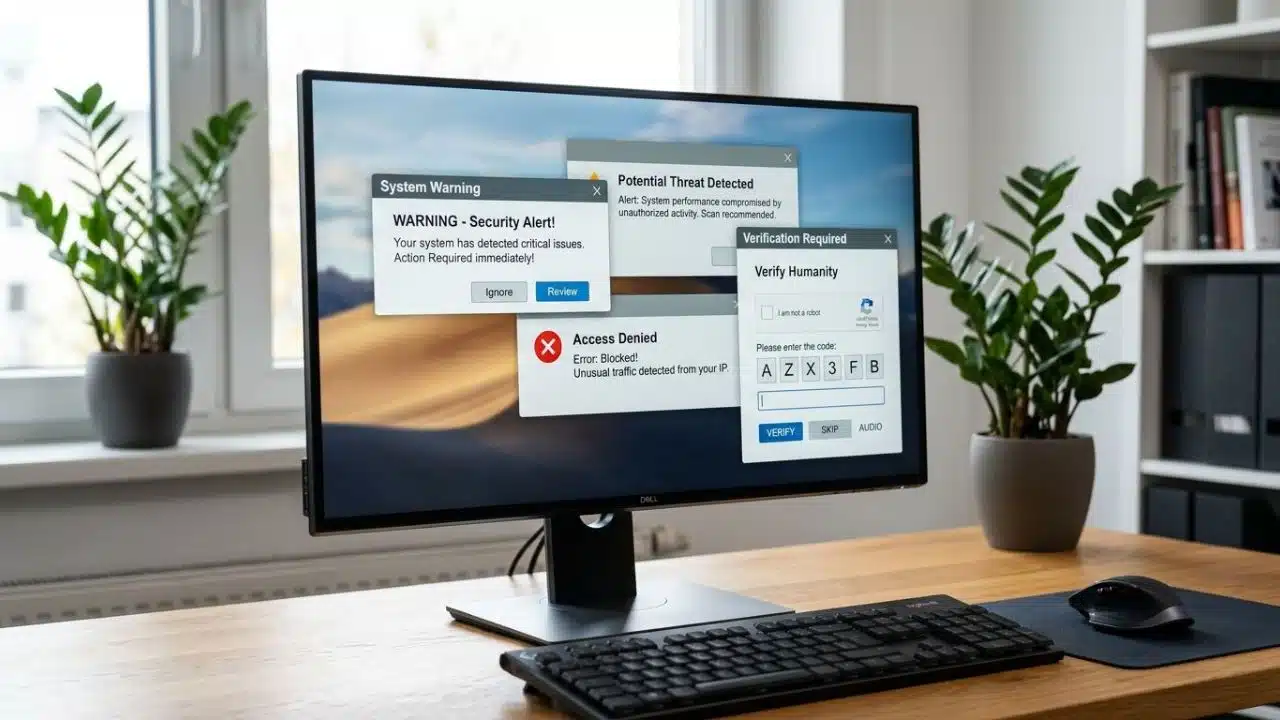
- A fake CAPTCHA or “prove you are human” screen that leads to a script, paste command, or automatic download.
- A pop-up that tells you your computer has a virus and gives you a phone number to call.
- An archive that is “password locked” and asks for payment, crypto, or a separate unlock file.
- A page that asks you to disable antivirus, SmartScreen, or browser protections before opening the file.
- Repeated redirects, forced notification prompts, or a page that pretends to be tech support.
Beyond computer security, grabbing stolen data can also create legal and workplace issues if the file contains confidential customer records, licensed software, or someone else’s account credentials. If a page pushes urgency and secrecy at the same time, close it.
What are the Dangers of Downloading Thejavasea.me Leaks AIO-416 Files
Downloading AIO-416 files can expose you to malware, ransomware, credential theft, and phishing attacks. The first damage usually hits your files, privacy, and accounts, but a bad download can also abuse your central processing unit, graphics card, and random-access memory through cryptomining or other background activity.
Microsoft says its security software finds malware on more than half of PCs with keygens installed. That is a useful reality check, because many leak bundles are packaged to look like premium software, cracked tools, or harmless repair files.
| Threat | What it often looks like | What you should do |
|---|---|---|
| Ransomware or trojan malware | A fake PDF, ISO, installer, or “support fix” that runs code when opened | Disconnect the computer from the internet and run a full security scan |
| Credential theft | A login form, paid unlock screen, or fake verification page | Change passwords from a clean device and sign out of active sessions |
| Cryptomining or potentially unwanted apps | Fans spin hard, CPU or GPU usage stays high, and the system slows down | Remove the app, run another scan, and review startup items and browser extensions |
| Account takeover | Password reuse across email, banking, shopping, and social accounts | Prioritize your email account first, then secure financial and work accounts |
Credential theft is often the bigger issue than the file itself. The FBI’s Internet Crime Complaint Center said that since January 2025, it had received more than 5,100 account takeover complaints tied to financial-institution impersonation, with losses above $262 million.
What to do if you already clicked or opened a file
- Disconnect the affected computer from Wi-Fi or unplug the network cable.
- Run a full antivirus scan, then an offline scan if your security tool offers one.
- Change passwords from a different, clean device, starting with email and financial accounts.
- Review bank, shopping, and social account activity for signs of compromise.
- If work data or a company system is involved, notify the IT or security team right away.
Deleting the file is not enough if it already ran. Once malware launches, it can keep working in the background, return at startup, or reuse stolen information later.
How to Protect Your Personal Cybersecurity With a Browser Check Routine
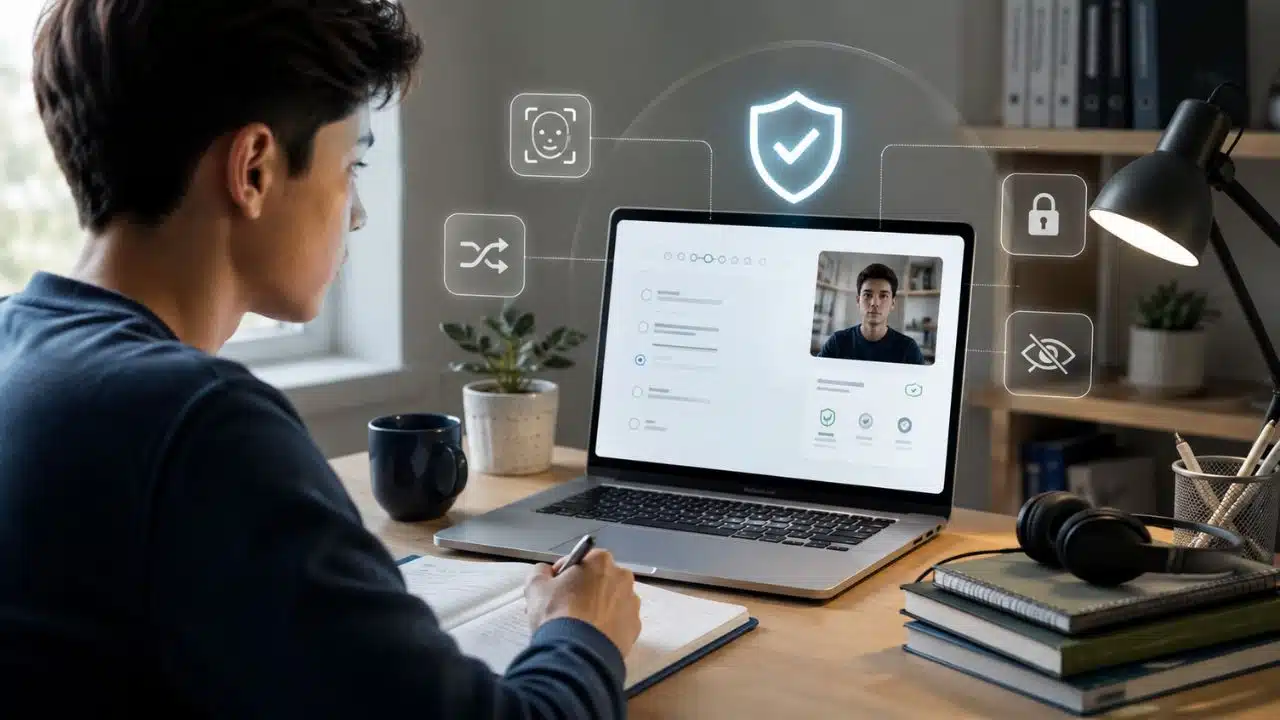
You do not need lab tools to make safer choices. You need a repeatable browser check routine, strong passwords, and a rule that unknown leak files never touch your everyday computer.
What is a safe browser check workflow?
- Open suspicious links only in a separate browser profile, disposable virtual machine, or isolated test account.
- Do not sign in, save a password, or allow browser notifications on that page.
- Use built-in protections such as Chrome Safety Check, Microsoft Defender SmartScreen, and secure DNS settings in your browser.
- If anything downloads, scan it before opening it, and treat password-protected archives as high risk.
- If the page asks for payment, remote access, or security changes, close it and clear the download.
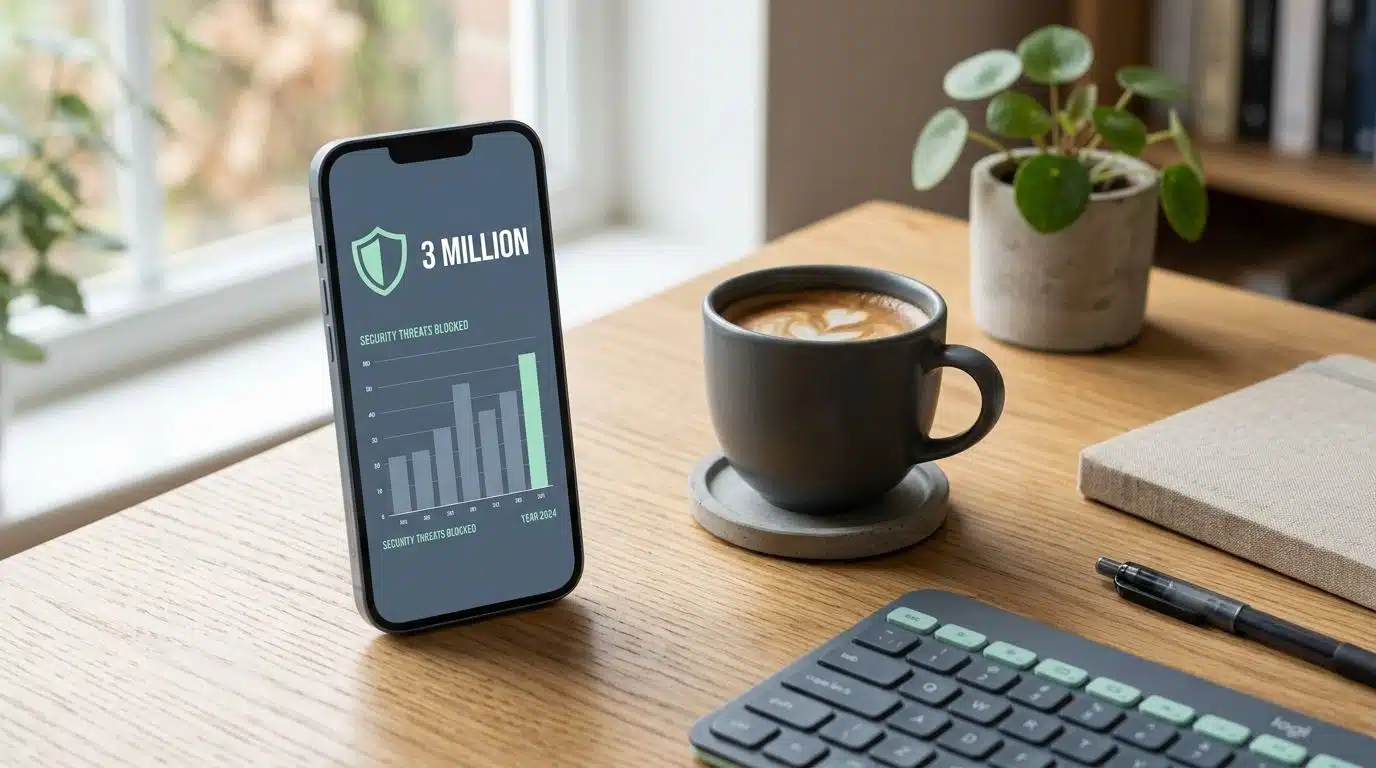
Google says Chrome blocks more than 3 million malware, phishing, and scam attempts every day. That is a good reminder that browser warnings are there to help, not to slow you down.
Why should you use unique passwords?
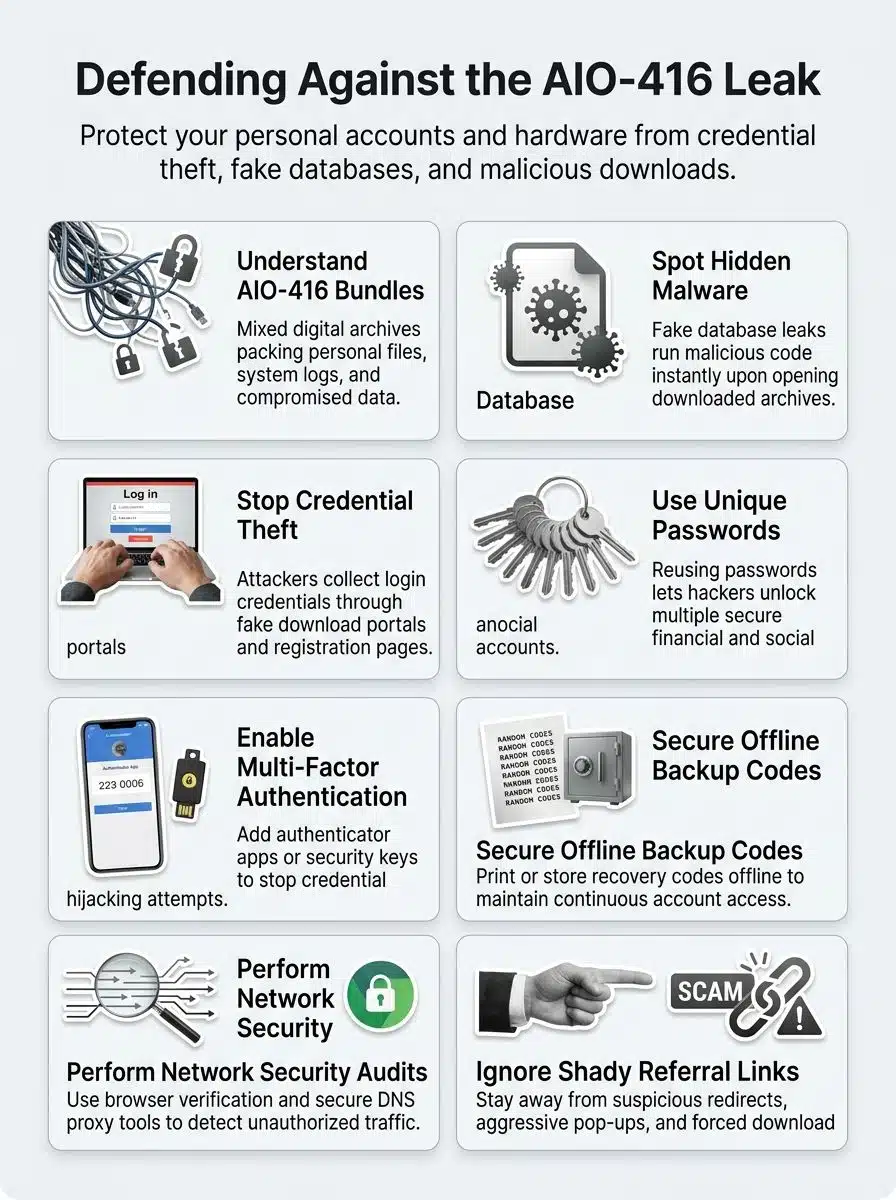
Reusing the same password across sites turns one leak into many compromises. Start with your email account, because it is usually the reset key for banking, shopping, cloud storage, and work systems.
- Use a password manager to create a different password for every account.
- Change passwords first on email, banking, cloud storage, social media, and shopping accounts.
- Review the passwords saved in your browser and delete old or duplicate entries.
- Watch for breach alerts from your email provider, bank, and major online services.
NIST recommends password managers and stronger authentication because password reuse keeps turning data breaches into follow-on attacks. In practical terms, unique passwords stop one bad file or one old leak from unlocking your whole online life.
How to enable multi-factor authentication?
If an account offers two-factor authentication, turn it on. For your most important accounts, choose the strongest option available: passkeys or a hardware security key first, an authenticator app second, and text codes only if nothing better is offered.
| Method | Why it helps | Best use |
|---|---|---|
| Passkeys | They are unique to each account and resist phishing much better than passwords alone. | Email, banking, shopping, and any major account that supports them |
| Hardware security key | It gives strong phishing-resistant authentication and works well for high-value accounts. | Primary email, work accounts, and admin access |
| Authenticator app | It is stronger than password-only sign-in and avoids many text-message weaknesses. | Most consumer accounts and social platforms |
| SMS code | It is better than nothing, but weaker than the options above. | Backup choice when stronger methods are unavailable |
NIST notes that passkeys are unique to each login and cannot be easily stolen through phishing. That makes them a smart upgrade after any suspected leak, especially for your main email and financial accounts.
Store backup codes offline, then review active sessions on your most important accounts. One careful cleanup session can stop weeks of follow-up phishing attacks and account abuse.
Final Words
Treat AIO-416 and similar AIO leaks as unverified, risky files, not proof that you should rush to download anything. A quick browser check, unique passwords, and stronger authentication will protect you far better than opening a mystery archive.
If you think your information was exposed, secure the affected account from a clean device, scan your personal computer, and follow official alerts from the service or company involved.
Frequently Asked Questions (FAQs) on Thejavasea.me Leaks AIO-416
1. What is Thejavasea.me Leaks AIO-416?
AIO-416 is a leak package posted on the site. It includes Browser Check data, DNSProxy.org records, and other AIO leaks.
2. Does AIO-416 put my browser at risk?
Yes, Browser Check entries can expose browser fingerprints and proxy traces.
3. What is DNSProxy.org in this leak?
DNSProxy.org names a DNS proxy site in the dump. A DNS proxy handles domain lookups, and it can show which sites a user resolved or hide real IPs, depending on the setup.
4. What should I do if I find my info in AIO Leaks?
If you find your data in AIO Leaks, act fast; don’t sleep on it. Change passwords, revoke exposed keys, and reset logins. Check browser, DNS and proxy settings; report the leak to affected services; and watch accounts for strange activity.