In what is being described as the largest leak in music streaming history, Spotify’s entire music catalog has been exposed online by a pirate activist group, sending shockwaves through the global music industry and raising urgent questions about digital security, copyright law, and the future of streaming platforms. The breach, which occurred in late 2025, has made 86 million audio files and 256 million rows of track metadata publicly available via peer-to-peer (P2P) networks, amounting to roughly 300 terabytes of music data. This unprecedented leak has not only compromised the integrity of Spotify’s business model but has also sparked a fierce debate about music preservation, piracy, and the legal and financial ramifications for artists, labels, and consumers.
How the Leak Happened
According to reports, the breach was orchestrated by a group calling itself an “activist collective” with a stated mission of music preservation. The group claimed to have discovered a way to scrape Spotify’s public metadata at scale and then used illicit tactics to circumvent the platform’s digital rights management (DRM) protections to access and download the actual audio files. While the exact technical methods used to bypass Spotify’s DRM remain undisclosed, experts suggest that such breaches typically involve a combination of automated scraping tools, real-time decryption hooks, and sophisticated anti-debugging techniques to extract audio content as it streams.
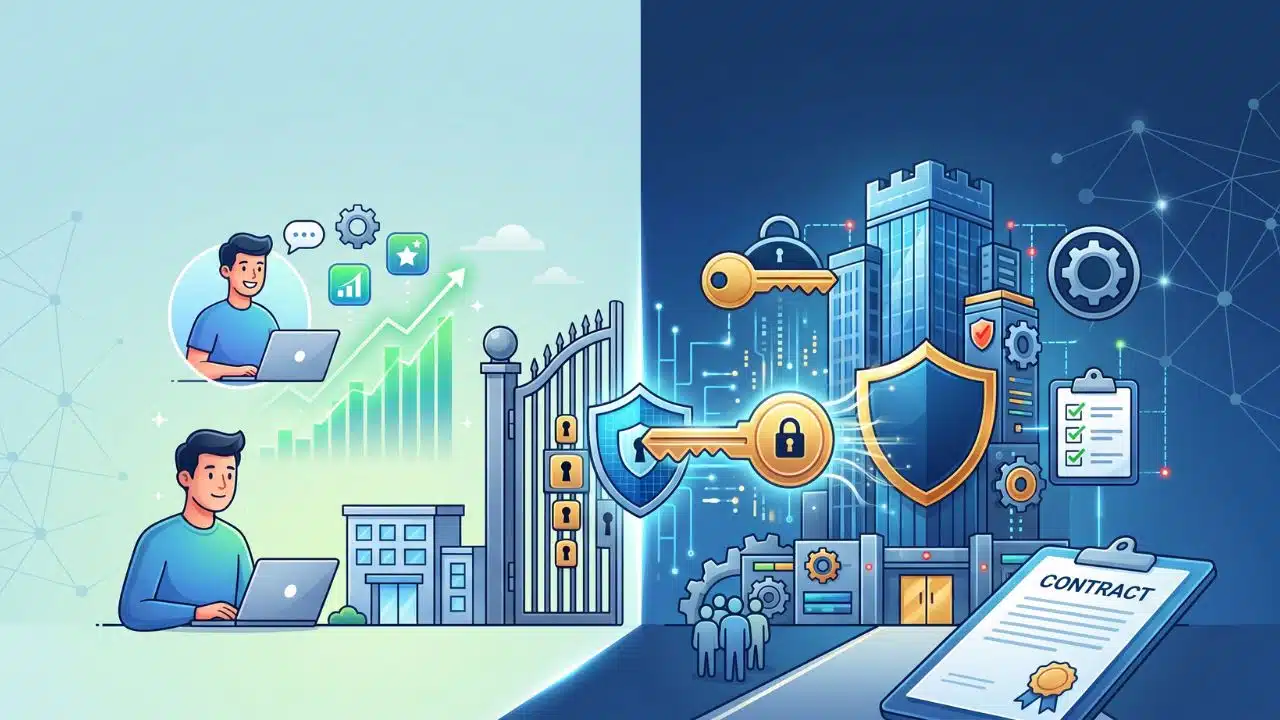
Spotify responded by confirming that an investigation into unauthorized access was underway and that the company was actively working to mitigate the incident. The company’s statement emphasized that the breach did not involve direct access to its internal servers but rather the exploitation of public-facing APIs and loopholes in its DRM system. Despite these efforts, the damage was already done, as the leaked data quickly spread across torrent networks and other P2P platforms, making it nearly impossible to contain.
The Scope and Impact of the Leak
The leaked data includes virtually every song available on Spotify up to 2025, encompassing a vast array of genres, languages, and regions. This means that users can now download and listen to the entire Spotify catalog offline, potentially creating their own personal streaming servers using tools like Plex or Jellyfin. The leak is estimated to be 37 times larger than the previous largest open-source music archive, MusicBrainz, which contained around five million unique tracks.
For music fans, the leak represents an unprecedented opportunity to access a near-complete archive of contemporary music. However, for artists and labels, the implications are dire. The unauthorized distribution of copyrighted material means that millions of artists could see a dramatic reduction in streaming royalties, as listeners opt for free downloads instead of paying for subscriptions or purchasing music. Additionally, the leak could undermine the value of exclusive releases and new album drops, which rely on controlled distribution to maximize impact and revenue.
Legal and Financial Consequences
The leak has triggered a wave of legal action and regulatory scrutiny. Copyright holders, including major record labels and independent artists, are already exploring options for litigation against both the activist group responsible for the leak and any individuals or platforms that facilitate the distribution of the stolen content. Under laws such as the Digital Millennium Copyright Act (DMCA) in the United States and similar legislation in other countries, distributing or downloading copyrighted music without a license is illegal and can result in fines or civil claims.
For Spotify, the breach could lead to significant financial losses, reputational damage, and increased compliance risks. The company may face lawsuits from artists and labels for failing to adequately protect their content, as well as regulatory penalties for security lapses. Additionally, the incident could erode consumer trust in the platform, leading to a decline in subscriptions and a shift toward alternative streaming services.
Artist and Label Perspectives
The leak has been met with widespread concern among artists and labels. Many see the breach as a direct threat to their livelihoods, as streaming royalties are a crucial source of income for musicians in the digital age. The unauthorized distribution of their music not only deprives them of revenue but also undermines the value of their creative work.
Independent artists, in particular, are vulnerable to the effects of the leak. Unlike major labels, which have the resources to pursue legal action and negotiate favorable licensing deals, independent musicians often rely on streaming platforms to reach audiences and generate income. The leak could make it even more difficult for these artists to gain visibility and compete in an already crowded market.
Some artists have called for stronger protections and more robust enforcement of copyright laws, while others have expressed frustration with the current state of digital security in the music industry. The incident has also reignited debates about the role of streaming platforms in safeguarding artists’ rights and ensuring fair compensation for their work.
Consumer Reactions and Ethical Considerations
For consumers, the leak presents a complex ethical dilemma. On one hand, the availability of a vast music archive offers unprecedented access to cultural content, potentially democratizing music and enabling new forms of discovery and creativity. On the other hand, the unauthorized distribution of copyrighted material raises serious ethical and legal questions about the value of intellectual property and the rights of creators.
Many fans have expressed mixed feelings about the leak. Some view it as a form of digital activism that challenges the monopolistic practices of streaming platforms and record labels, while others recognize the harm it could cause to artists and the music industry as a whole. The incident has also sparked discussions about the need for more transparent and equitable models of music distribution and compensation.
Broader Implications for the Music Industry
The Spotify leak is a stark reminder of the vulnerabilities inherent in digital platforms and the challenges of protecting intellectual property in the age of the internet. The incident highlights the need for stronger security measures, more robust enforcement of copyright laws, and greater transparency in the relationship between streaming platforms, artists, and consumers.
It also underscores the importance of music preservation and the role of archives in safeguarding cultural heritage. While the activist group behind the leak claims to be motivated by a desire to preserve music for future generations, the unauthorized distribution of copyrighted material raises important questions about the balance between preservation and piracy.
What’s Next for Spotify and the Music Industry
In the aftermath of the breach, Spotify is likely to face increased pressure to strengthen its security protocols and improve its protections for artists and labels. The company may also need to reassess its business model and explore new ways to monetize its content in a post-leak world. This could include the development of more sophisticated DRM technologies, the implementation of stricter access controls, and the introduction of new revenue streams such as exclusive releases and premium content.
For the music industry as a whole, the leak is a wake-up call to address the challenges of digital security and copyright enforcement. Artists, labels, and streaming platforms will need to work together to find solutions that protect intellectual property while also ensuring fair access to music for consumers.
Final Words
The massive leak of Spotify’s music catalog is a watershed moment for the music industry, with far-reaching implications for artists, labels, consumers, and streaming platforms. While the breach presents unprecedented challenges, it also offers an opportunity to rethink the way music is distributed, protected, and valued in the digital age. As the industry grapples with the fallout from the leak, the lessons learned will shape the future of music streaming and copyright protection for years to come.