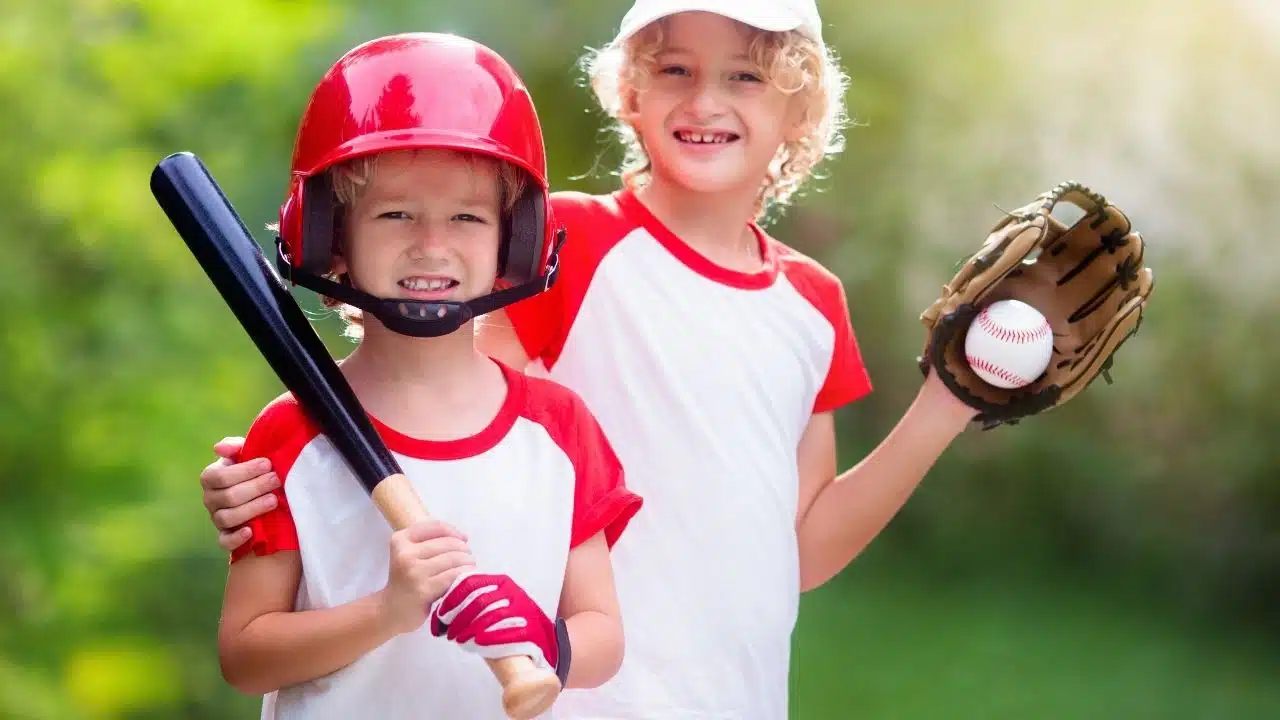
The first time a kid picks up a bat, laces their sneakers, or ties on a pair of shin guards, something more than muscle memory starts to form. Sure, they’re learning how to throw, kick, or run, but beneath that is a kind of growth that doesn’t show up on a scoreboard. Youth sports are where a lot of kids first learn what it means to work hard for something, to depend on others, and to handle losing without falling apart. It’s where character starts to take shape in a way that sticks.
The Building Blocks of Confidence
A good coach doesn’t just teach how to swing or dribble. They teach how to keep trying after missing a shot, and how to celebrate effort even when the scoreboard says otherwise. For many kids, that’s the first taste of genuine confidence — the kind that comes from persistence, not praise.
When a child realizes that practice actually leads to progress, they start believing in themselves differently. It’s a form of cause and effect that translates far beyond the field. Kids who play sports often carry that sense of ownership into school and friendships. They understand that showing up, even when it’s not fun or easy, changes things.
Confidence built in youth sports isn’t the puffed-up kind. It’s quieter. It comes from repetition, failure, and little wins stacked on top of each other. It’s also deeply social. There’s something about being part of a team — feeling needed and relied on — that makes kids see their worth in a broader way.
The Community Connection
One of the underrated parts of youth sports is how much it connects families and communities. Saturday morning games aren’t just for the players; they’re for the parents on the sidelines, the siblings chasing soccer balls behind the bleachers, and the coaches who volunteer their time because they believe in something bigger.
Local programs, especially those that focus on youth baseball training in Virginia, Kentucky, wherever you live, often become the heartbeat of small towns. Those dusty fields and school gyms turn into gathering places that keep people grounded. They remind us that life doesn’t have to move at full speed all the time. Sometimes, it’s enough to watch a bunch of kids learn how to work together for one shared goal — even if that goal is as simple as making contact with the ball.
These shared moments create a rhythm for families. Practices, games, and team dinners become part of a child’s sense of belonging. That sense of belonging can do more for a growing mind than any trophy ever could.
How Sports Teach Resilience
Resilience doesn’t come from pep talks. It’s born from trying, failing, and trying again. Sports offer a safe place to fall short without the stakes feeling too high. Missing a goal or striking out can sting, but it’s not catastrophic. That’s what makes it such good training for life.
When kids experience loss, disappointment, or even conflict on a team, they learn how to adjust emotionally. They begin to understand that frustration doesn’t last forever and that mistakes don’t define them. These lessons start small but stick for years.
The process of adjusting to life changes — moving schools, losing friends, growing up — often feels less intimidating for kids who’ve had a taste of challenge through sports. They already know that adaptation takes time and that consistency wins out over panic. Sports, at their best, teach the art of emotional recovery.
Balance and Perspective
Not every child is going to be a star athlete, and that’s perfectly fine. The goal of youth sports isn’t to churn out college scholarships. It’s to help kids understand effort and humility in equal measure. Parents sometimes forget that. When adults take competition too seriously, the focus shifts from growth to pressure, and that’s when the fun disappears.
The healthiest sports environments are the ones that keep perspective intact. They value teamwork over ego, effort over talent, and learning over winning. When kids are encouraged to enjoy the process, to find joy in their progress instead of obsessing over outcomes, the benefits multiply.
Coaches and parents who get that balance right are doing more than teaching games. They’re building life skills that will show up years later in boardrooms, classrooms, and relationships. Because knowing how to handle success gracefully and failure with composure will always matter more than how many points someone scored in middle school.
Mind, Body, and Belonging
The physical side of sports gets most of the attention, but the mental benefits are just as strong. Regular movement stabilizes mood and improves focus, two things kids need more than ever. In an era where screens dominate downtime, sports give kids a real reason to put their phones away and connect face-to-face.
Playing with others teaches compromise, patience, and how to read social cues — all things that technology tends to strip away. Team settings also expose kids to diversity in a natural, unforced way. They meet peers from different backgrounds and learn that ability and attitude matter more than appearances or income.
When you combine that social learning with the endorphin boost that comes from movement, it’s no wonder kids who play sports often feel more grounded. The structure and routine provide a reliable outlet for stress, and the relationships formed on teams can last well into adulthood.
A Wider Perspective
What makes youth sports so powerful isn’t just the lessons kids learn, but how those lessons evolve as they grow. A ten-year-old who learns to handle losing today might be the adult who handles workplace setbacks with composure later. A child who cheers for a teammate’s win might grow into someone who lifts up others without needing credit.
Sports create small-scale versions of real-life challenges — competition, collaboration, emotion, and patience — and allow kids to rehearse how to deal with them. Every season, win or lose, becomes another building block in how they see themselves and the world.
It’s easy to think youth sports are about chasing wins, but the real victory is quieter. It’s in the grit that builds over time, the laughter on the ride home, and the unspoken pride when a kid who used to be nervous finally steps up with confidence. The scoreboard fades, but the self-belief doesn’t.