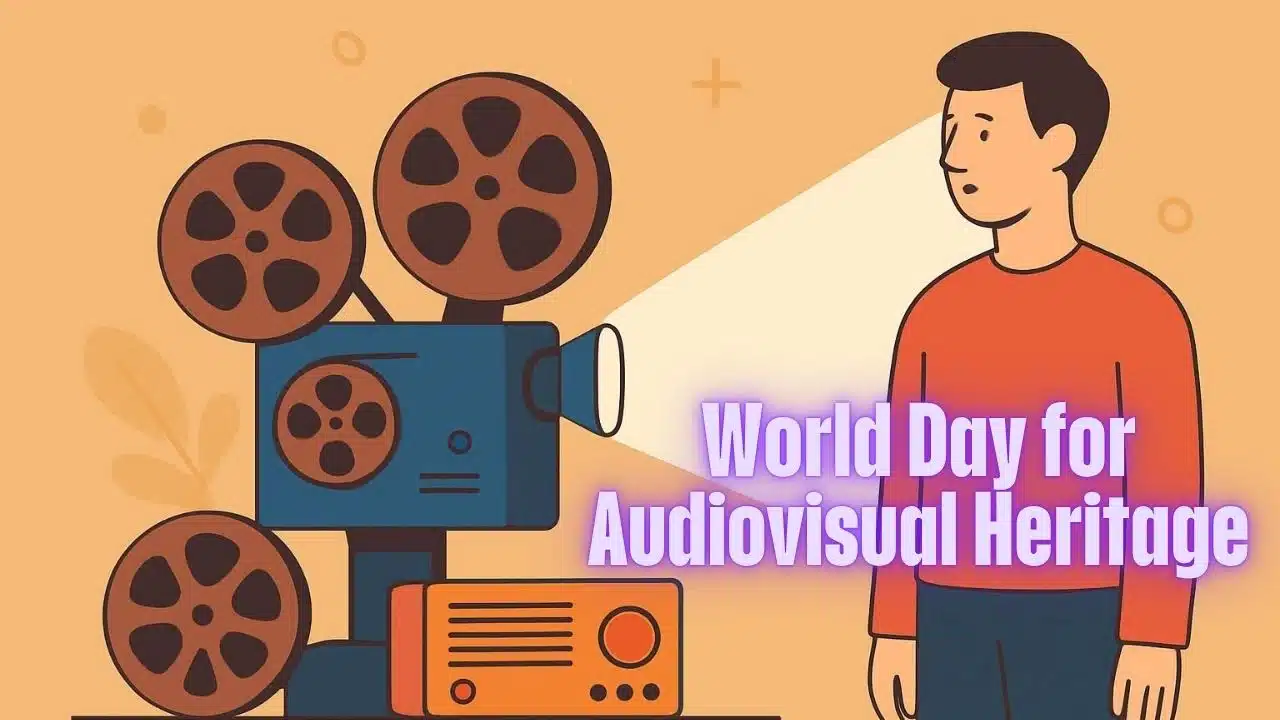
Many people don’t know that precious films, radio shows, and sound recordings from the past are disappearing forever. World Day for Audiovisual Heritage takes place every October 27 to remind us about this urgent problem.
This guide will show you why these audiovisual archives matter so much and how we can protect our collective memory for future generations. Ready to discover why your favorite old movies and family recordings need our help?
Key Takeaways
- World Day for Audiovisual Heritage occurs every October 27 to raise awareness about preserving films, radio shows, and sound recordings.
- UNESCO proclaimed October 27 as this special day in 2008, honoring the 1980 Recommendation for Safeguarding Moving Images.
- The 2025 theme “Our Audiovisual Heritage: A Window to the World” celebrates how recordings connect diverse cultures globally.
- Physical deterioration and technological obsolescence threaten audiovisual materials, making old formats unplayable and causing permanent damage.
- Public awareness and community support provide essential funding and advocacy needed for sustainable audiovisual heritage preservation efforts.
The Purpose of World Day for Audiovisual Heritage

World Day for Audiovisual Heritage serves as a global wake-up call, reminding us that our recorded memories face serious threats every single day. This special day pushes governments, archives, and communities to take action before countless hours of sound recordings, video recordings, and moving images disappear forever.
Why is raising awareness about audiovisual preservation important?
Audiovisual heritage faces constant threats that put our collective memory at risk. Sound recordings, video recordings, and moving images deteriorate over time. Technology changes fast, making old formats hard to access.
Without public support, memory institutions struggle to save these precious materials. People need to understand why audiovisual preservation matters for future generations.
Public awareness creates a bridge between archives and communities. Most people don’t know how fragile audiovisual materials really are. Film reels crack, tapes break down, and digital files become corrupted.
Cultural diversity lives in these recordings, capturing stories from different communities. Social diversity and linguistic diversity shine through old radio programmes and television programmes.
Raising awareness helps secure funding and support for preservation efforts that protect our documentary heritage.
What makes audiovisual archives significant?
Archives hold moving images and sound recordings that capture human stories across cultures and time periods. These collections preserve radio programmes, television programmes, and documentary heritage that might disappear without proper care.
Film archives and sound recordings create a living record of how people spoke, lived, and expressed themselves throughout history. Cultural diversity comes alive through these materials, showing linguistic diversity and social diversity from communities around the world.
Collections reinforce collective memory and help societies remember their past. Video recordings and audiovisual materials serve as windows into different eras, allowing future generations to experience moments they never lived through.
Archives represent an invaluable heritage that connects us to our roots and helps us understand how we got here. These depositories safeguard audiovisual documents that tell stories of ordinary people and major events alike, creating a deeper understanding of history and society that books alone cannot provide.
The History Behind the Day

UNESCO made October 27 the World Day for Audiovisual Heritage in 2005. The Coordinating Council of Audiovisual Archives Association pushed for this special day to protect our shared memories stored in films and recordings.
When and why did UNESCO proclaim October 27 as this day?
The United Nations Educational Scientific and Cultural Organisation picked October 27 for a special reason. This date marks when the 1980 Recommendation for the Safeguarding and Preservation of Moving Images was adopted.
The 21st General Conference made this important decision back then.
The organization waited many years before making it official. In 2008, they proclaimed October 27 as World Day for Audiovisual Heritage. This choice honors the original recommendation that started it all.
The date connects today’s celebrations to that groundbreaking moment in audiovisual preservation history.
What role does the Coordinating Council of Audiovisual Archives Association (CCAAA) play?
The CCAAA serves as the backbone for global audiovisual heritage efforts. This council brings together major organizations like the International Association of Sound and Audiovisual Archives (IASA) and the International Council on Archives.
The CCAAA plays a significant role in promoting awareness and activities related to audiovisual heritage. Their work spans across continents, connecting archives from Paris, France to the Asian Film Archive.
CCAAA coordinates global efforts in heritage preservation events and outreach programs. The council supports the implementation of preservation recommendations for sound recordings, video recordings, and moving images.
They help organize community workshops, film screenings, and digital campaigns that protect our collective memory. The council also works with institutions like the Bophana Center and various film archives to safeguard documentary heritage for future generations.
Audiovisual Heritage: A Living Memory

Audiovisual heritage captures the heartbeat of human experience through sound recordings and moving images that tell our shared stories. These precious audiovisual materials hold the voices of our ancestors, the laughter of children, and the moments that shaped our collective memory across cultures and generations.
What kinds of stories are captured in audiovisual media?
Audiovisual documents record stories of people’s lives and cultures around the world. These sound recordings and video recordings capture everything from family celebrations to major historical events.
Radio programmes preserve the voices of past generations, while television programmes document how societies have changed over time. Moving images show us how people lived, worked, and played decades ago.
These archives contain narratives reflecting various traditions and societal changes. Film preservation efforts have saved countless stories that might have been lost forever. Cultural heritage lives on through these recordings, showing us different ways of life across the globe.
Documentary heritage includes everything from children’s laughter to political speeches, from local festivals to world-changing moments. Each recording tells a story that helps us understand our collective memory and the rich tapestry of human experience.
Why are audiovisual recordings culturally and historically significant?
Sound recordings and video recordings serve as living proof of our collective memory. These materials capture the voices, faces, and stories that shape our world. Films document social movements, radio programmes preserve forgotten languages, and television programmes show how people lived decades ago.
Each recording becomes a window into different times and places. Cultural diversity shines through these archives, showing us traditions from every corner of the globe.
Moving images and sound archives provide evidence of past events that changed society forever. They help researchers study how communities evolved over time. Social diversity comes alive through these recordings, letting future generations hear their ancestors speak.
Linguistic diversity gets preserved when we save old broadcasts and interviews. These audiovisual materials become treasure chests of human experience, storing memories that might otherwise disappear forever.
The 2025 Theme for World Day for Audiovisual Heritage

The 2025 theme celebrates “Our Audiovisual Heritage: A Window to the World,” spotlighting how sound recordings and video recordings connect diverse cultures across the globe. This year’s focus puts cultural diversity and social diversity at the center, showing how audiovisual materials serve as bridges between communities and preserve our collective memory for future generations.
What is the focus of the 2025 celebrations?
The 2025 World Day for Audiovisual Heritage celebrations center on showcasing audiovisual records as a “window to the world.” This year’s focus emphasizes how sound recordings, video recordings, and moving images connect us across cultures and time periods.
UNESCO Archives takes the lead in highlighting how these materials preserve our collective memory for future generations. The celebration recognizes audiovisual heritage as a bridge that spans social diversity, cultural diversity, and linguistic diversity around the globe.
Paris, France will host the main event on October 23 at the UNESCO Cinema, bringing together experts from organizations like IASA (International Association of Sound and Audiovisual Archives) and ICA (International Council on Archives).
The festivities spotlight how radio programmes, television programmes, and audiovisual documents capture stories that might otherwise disappear forever. This year’s theme pushes for stronger digital preservation efforts to protect documentary heritage from preservation risks.
The celebration also promotes the Memory of the World Programme’s mission to safeguard audiovisual materials that tell humanity’s most important stories.
What global message and initiatives are promoted this year?
The 2025 theme centers on accessibility and shared value of audiovisual heritage. This year’s global message highlights how sound recordings, video recordings, and moving images belong to all people.
Communities worldwide can access these precious materials that capture our collective memory. The theme stresses that audiovisual documents serve everyone, not just experts or institutions.
UNESCO promotes several key initiatives to spread this message across the globe. The organization encourages people to share events on the WDAH website, creating a digital hub for worldwide participation.
Social media campaigns connect archives, museums, and cultural groups from different countries. These initiatives aim to engage communities directly, showing them why audiovisual preservation matters for future generations.
Local workshops, film screenings, and online forums bring the message home to ordinary people who might never visit an archive.
Key Activities and Events in 2025

Communities across the globe organize hands-on workshops where people learn to preserve old film reels, radio programmes, and television programmes. Film festivals showcase restored documentaries, while digital campaigns on social media help spread awareness about protecting our collective memory for future generations.
What community workshops will be held?
Archives and institutions organize workshops to engage communities in preservation. These hands-on sessions focus on the importance of safeguarding audiovisual documents. Local libraries host training events where people learn basic preservation techniques.
Museums offer specialized programs about caring for sound recordings and video recordings. Film societies teach community members how to handle moving images properly.
Participants discover practical skills during these interactive sessions. They learn to identify preservation risks that threaten audiovisual materials. Workshop leaders demonstrate proper storage methods for radio programmes and television programmes.
Attendees practice digitizing old family films and audio tapes. These community gatherings build awareness about our collective memory and help preserve cultural diversity for future generations.
What film screenings and exhibitions are planned?
Heritage institutions hold film screenings and exhibitions to showcase preserved materials. These events bring communities together to experience rare footage and historic recordings.
Local museums display collections that span decades of cultural history. Film archives organize special viewings of restored documentaries and classic movies. Libraries host exhibitions featuring photographs, sound recordings, and moving images from their collections.
Events highlight the stories and diversity captured in audiovisual archives. Visitors can explore radio programmes from different eras and watch television programmes that shaped society.
Cultural centers present displays of audiovisual materials that tell stories of social diversity and linguistic diversity. These exhibitions help people connect with their collective memory through preserved documentary heritage.
What digital campaigns and online forums will take place?
Digital campaigns spread across social media platforms, bringing audiovisual heritage to millions of people worldwide. Organizations share rare sound recordings, moving images, and documentary heritage through Instagram, Facebook, and Twitter.
These campaigns showcase collections from the International Association of Sound and Audiovisual Archives (IASA) and the International Council on Archives (ICA). Museums post behind-the-scenes videos of preservation work.
Libraries highlight radio programmes and television programmes from their archives.
Online forums create spaces where experts discuss preservation challenges and solutions. The International Federation of Film Archives hosts virtual panels about digitally restored films.
Ethnomusicologists share research about cultural diversity in sound collections. Archive professionals exchange ideas about metadata standards and digital preservation techniques. These platforms promote sharing of best practices and challenges in preservation, connecting people from Paris, France to rural communities.
Forums also feature discussions about collective memory and how audiovisual materials preserve social diversity and linguistic diversity for future generations.
Risks to Audiovisual Heritage
Our precious audiovisual materials face serious threats that could wipe them out forever. Old film reels crumble to dust, magnetic tapes lose their sound, and yesterday’s cutting-edge formats become tomorrow’s forgotten relics.
How does physical deterioration threaten audiovisual materials?
Physical deterioration acts like a silent enemy attacking audiovisual materials from all sides. Magnetic tapes lose their coating over time, causing sound recordings and video recordings to fade or disappear completely.
Film reels become brittle and crack, while their colors shift and distort the original moving images. Vinyl records develop scratches that create permanent noise in radio programmes and musical recordings.
Environmental factors speed up this destruction process dramatically. Heat makes plastic components warp and melt. Cold temperatures cause materials to become fragile and break easily.
Humidity creates mold that eats through film stock and damages audiovisual documents. Storage conditions play a huge role in how fast these precious audiovisual materials fall apart.
Poor ventilation, bright lights, and dust particles all contribute to the steady loss of our collective memory stored in these fragile formats.
What is technological obsolescence and how does it impact preservation?
Technological obsolescence puts audiovisual materials at risk as formats become outdated. Old video recordings on Betamax tapes sit useless without working players. Sound recordings on wax cylinders need special equipment that barely exists today.
Television programmes recorded on magnetic tape face similar problems. Radio programmes stored on obsolete formats become silent memories. Moving images captured on film stock require projectors that companies no longer make.
Preservation efforts require adapting to new technologies to maintain accessibility. Archives must transfer audiovisual documents to current formats before old equipment breaks down completely.
Digital preservation offers hope, but even digital files face format changes. Audiovisual archives spend millions converting materials from dying formats. The race against time never stops.
Each passing year makes recovery harder for forgotten formats.
UNESCO’s Role in Preserving Audiovisual Heritage
UNESCO leads the global fight to save our audiovisual heritage through digital preservation programs and international partnerships. The organization brings together archives, governments, and cultural institutions from around the world to protect moving images and sound recordings for future generations.
How does UNESCO support digital preservation efforts?
The organization leads initiatives to preserve documentary heritage in digital form. UNESCO’s digitization project aids in conserving and providing access to audiovisual heritage. This work helps save sound recordings, video recordings, and moving images for future generations.
Digital preservation protects these materials from physical deterioration and technological obsolescence.
UNESCO creates global standards for audiovisual preservation. The organization works with archives and institutions worldwide to build better preservation systems. They provide training programs for archivists and technical experts.
These efforts help countries develop their own digital preservation capabilities. UNESCO also supports the creation of web portals that make audiovisual materials accessible to researchers and the public.
What advocacy does UNESCO provide for global collaboration?
UNESCO advocates for international cooperation in heritage preservation. The agency encourages sharing of resources and knowledge among member states. This means countries work together to save audiovisual heritage for future generations.
Member states share their best practices for preserving sound recordings and video recordings. UNESCO helps nations learn from each other’s successes and challenges. Countries exchange technical knowledge about digital preservation methods.
They also share funding strategies that work well in different regions. This collaboration makes audiovisual archives stronger worldwide, protecting our collective memory across borders.
How Organizations Participate
Archives and institutions act as the backbone of World Day for Audiovisual Heritage, opening their doors to share treasures from their collections. Museums host special exhibitions featuring rare sound recordings and moving images, while libraries organize community screenings of historic television programmes and radio programmes that shaped our collective memory.
How do archives and institutions contribute to the day?
Archives and institutions serve as the backbone of World Day for Audiovisual Heritage celebrations. These organizations host workshops that teach people about audiovisual preservation.
Film screenings showcase rare movies and documentaries from their collections. Exhibitions display old cameras, recording equipment, and historical audiovisual materials. Libraries open their doors to show visitors how they store sound recordings and video recordings.
Museums create special displays about moving images and their cultural importance.
Institutions participate in campaigns to highlight preservation challenges and successes throughout the year. The International Association of Sound and Audiovisual Archives (IASA) leads many global efforts.
The International Council on Archives (ICA) supports member organizations worldwide. These groups share stories about saving old radio programmes and television programmes. They demonstrate how digital preservation works.
Staff members explain why audiovisual documents matter for future generations. Many organizations use social media to spread awareness about documentary heritage and its value to collective memory.
What public engagement initiatives are involved?
Museums and cultural centers organize hands-on workshops where families can learn about preserving old family films and sound recordings. These interactive activities help people understand why audiovisual heritage matters for future generations.
Institutions foster community involvement through interactive activities that make preservation feel personal and important. Public outreach includes educational programs and sharing of event information online, reaching wider audiences across different communities.
Schools partner with audiovisual archives to create special programs where students explore historical radio programmes and television programmes from their local areas. Community groups host film screenings that showcase moving images from decades past, bringing collective memory to life.
Social media campaigns encourage people to share their own family videos and photos, creating digital collections that celebrate cultural diversity and social diversity in neighborhoods everywhere.
The Importance of Public Awareness
Public awareness acts as the backbone of audiovisual heritage preservation efforts, turning ordinary citizens into champions for our collective memory. Educational programs spark curiosity about sound recordings and video recordings, while community outreach transforms passive observers into active participants who understand why preserving radio programmes and television programmes matters for future generations.
How do educational programs and outreach support preservation?
Educational programs teach the public about vulnerabilities and preservation techniques that protect our audiovisual heritage. These programs show people why old film reels crumble, how magnetic tapes lose their sound, and what happens when technology becomes outdated.
Students learn hands-on methods to handle fragile materials safely. They discover how temperature and humidity affect sound recordings and video recordings. Many programs partner with local archives to give real-world experience with audiovisual materials.
Outreach initiatives engage audiences in the value of audiovisual heritage through creative activities. Museums host film screenings of restored movies from their collections. Libraries organize workshops where families can digitize home videos before they deteriorate.
Community centers invite experts to demonstrate how moving images capture our collective memory. Social media campaigns share stories about rescued radio programmes and television programmes.
These efforts build public support for funding preservation projects. People who understand the risks become advocates for protecting documentary heritage for future generations.
Why is public support crucial for preservation efforts?
Public backing provides necessary resources and advocacy for sustainable preservation. Audiovisual archives need steady funding to maintain their collections. Sound recordings and video recordings require special storage conditions.
These conditions cost money to create and maintain. Moving images deteriorate without proper care. Television programmes and radio programmes face similar risks.
Community involvement helps memory institutions fulfill their mission. Citizens can donate materials to archives. They can volunteer their time and skills. Public support creates political pressure for preservation funding.
Collective memory belongs to everyone, not just experts. Documentary heritage survives when people care about it. Future generations depend on today’s preservation efforts.
Future of Audiovisual Heritage Preservation
New technologies are changing how we save audiovisual heritage for future generations. Artificial intelligence helps sort through millions of hours of sound recordings and video recordings, while cloud storage keeps our collective memory safe from physical damage.
What innovative technologies are shaping digital archiving?
Artificial intelligence transforms how archives handle audiovisual materials today. Machine learning algorithms can automatically tag and categorize thousands of sound recordings and video recordings in minutes.
Cloud storage systems protect moving images from physical deterioration while making them accessible worldwide. Blockchain technology creates permanent records of audiovisual documents, preventing tampering or loss.
The “Digitizing our Shared UNESCO History” project shows how these digital tools preserve our collective memory for future generations.
3D scanning captures fragile film reels without touching them, while quantum storage promises to hold massive amounts of data for centuries. Voice recognition software transcribes radio programmes and television programmes automatically, making them searchable.
Virtual reality lets people experience historical events through archived footage in Paris, France and beyond. These technologies work together to safeguard our documentary heritage, protecting the stories that define our cultural diversity and social diversity for tomorrow’s world.
How can sustainable preservation systems be built?
Building sustainable preservation systems requires long-term planning and smart resource management. Archives need steady funding streams, not just one-time grants. Staff training programs keep preservation skills alive across generations.
Digital preservation demands regular technology updates and format migrations. Storage systems must protect audiovisual materials from heat, humidity, and physical damage.
Continued collaboration and sharing of best practices are essential for sustainability. International partnerships help smaller archives access expensive preservation tools. Organizations like IASA and ICA create networks where institutions share knowledge and resources.
Sustainable systems depend on ongoing advocacy and investment from governments and private donors. Community support builds public awareness about the value of audiovisual heritage.
Multiple backup copies stored in different locations protect against disasters. Regular maintenance schedules prevent small problems from becoming major crises.
Takeaways
World Day for Audiovisual Heritage stands as a powerful reminder that our collective memory lives in sound recordings and moving images. Every old film reel, radio programme, and video recording tells a story worth saving.
These audiovisual materials connect us to our past while building bridges to future generations. Archives and institutions worldwide work together to protect this documentary heritage from preservation risks and technological threats.
October 27 gives us all a chance to celebrate the voices, faces, and moments that shaped our world.
FAQs
1. What is World Day for Audiovisual Heritage?
World Day for Audiovisual Heritage celebrates our collective memory stored in sound recordings, video recordings, and moving images. This special day helps people understand how audiovisual materials shape our cultural diversity and social diversity.
2. Why do we need to preserve audiovisual archives?
Audiovisual documents face serious preservation risks from time and technology changes. Without proper audiovisual preservation, future generations will lose radio programmes, television programmes, and documentary heritage forever.
3. Who supports audiovisual heritage protection?
IASA (International Association of Sound and Audiovisual Archives) and ICA (International Council on Archives) lead global efforts. Organizations like The National Film and Sound Archive work hard to save our audiovisual heritage.
4. What types of materials need protection?
Everything from old radio shows to ethnomusicological recordings needs care. Film archives protect works by directors like Luis García Berlanga and Fernando Fernán Gomez, while sound archives save linguistic diversity through various recordings.
5. How does digital preservation help audiovisual materials?
Digital preservation gives old recordings new life in modern formats. This process helps audiovisual archives reach more people while protecting original materials from damage.
6. Where can people learn more about heritage preservation?
Many countries have national programs, like those supported by the National Commission for Culture and the Arts. Local archives, museums, and cultural centers often host events during World Day for Audiovisual Heritage to teach communities about preservation work.