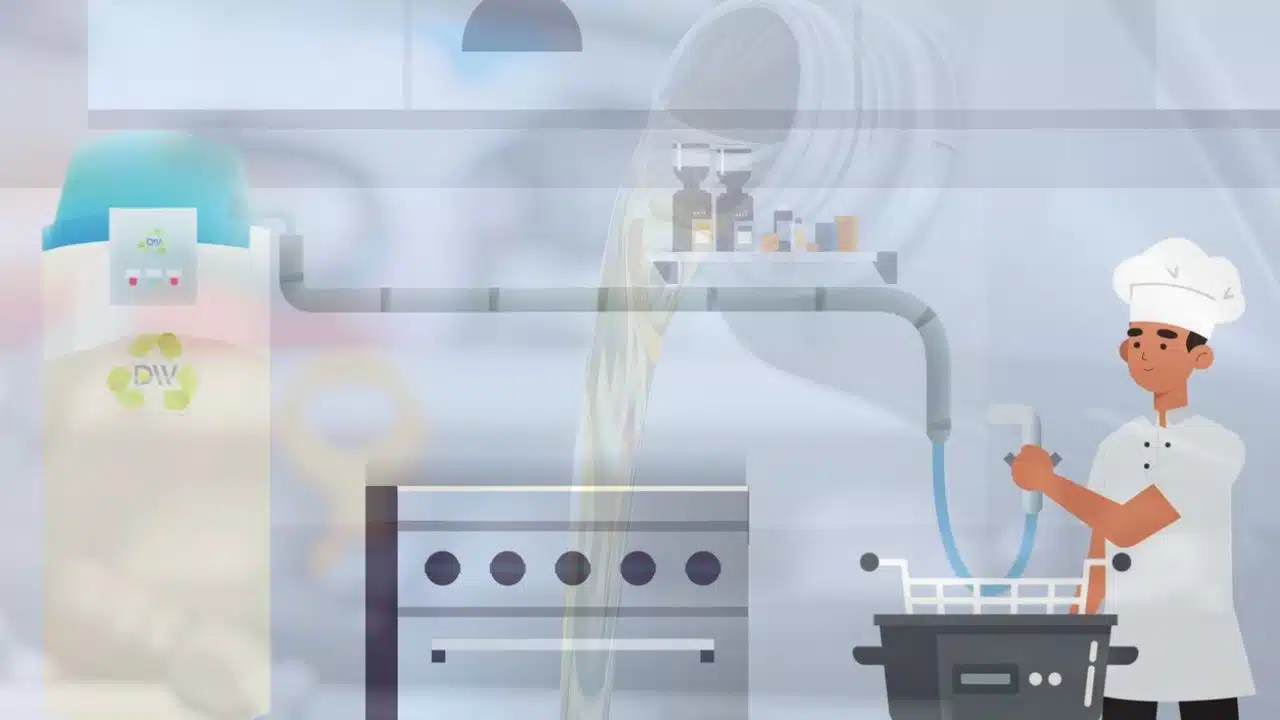
The kitchen might be where magic happens, but behind the fryer, there’s a messier story. Used cooking oil has long been a greasy byproduct no one wanted to deal with. But lately, something’s shifted. That golden-brown waste once destined for the dumpster is now a valuable raw material, fueling cars, planes, and even entire industries. Welcome to the era of restaurant oil recycling, where sustainability meets profit in a surprisingly elegant way.
The Grease Economy
Restaurants have always generated mountains of used oil, but the difference now is what happens after it cools. Rather than paying to dispose of it, many establishments are selling or donating it to recycling companies that turn it into biodiesel. This process isn’t just about reducing landfill waste; it’s about closing a loop. When old oil becomes new fuel, it keeps carbon out of the air and money in restaurateurs’ pockets. The environmental and economic payoff is undeniable, making restaurant oil recycling a modern business move rather than an afterthought.
There’s a growing network of companies collecting oil from restaurants, filtering it, and converting it into renewable energy. The recycled oil powers delivery trucks, heating systems, and even aircraft in some cases. Think of it as a full-circle moment: last night’s fries helping tomorrow’s freight.
How Biofuel Is Changing The Energy Game
Biofuel might sound like something dreamed up in a lab, but it’s firmly rooted in everyday waste. The transformation of cooking oil into biodiesel involves filtering, refining, and blending it into a usable, clean-burning alternative to fossil fuels. It emits significantly less carbon dioxide and sulfur, which means cleaner air and a smaller carbon footprint.
What makes it so practical is that biodiesel works in existing engines without modifications. It’s not a futuristic fantasy or a “someday” technology. It’s happening now. The demand has surged so much that used oil has become a hot commodity, sometimes trading like liquid gold. That shift has turned recycling into not just an eco-friendly practice but a serious revenue stream.
Why Sustainability Is Good Business
The restaurant industry thrives on tight margins, so any opportunity to turn waste into profit is welcome. Oil recycling services often pay restaurants for their used oil or provide free pickup in exchange for the resource. That means fewer disposal costs and a cleaner conscience. Sustainability has become an asset in customer perception too. Diners today care about where their food comes from and how it’s made, but they also care about where the waste goes.
Restaurants that publicize their recycling efforts are seeing loyalty rise alongside brand reputation. Being eco-conscious doesn’t just appeal to customers—it attracts better partnerships, media attention, and sometimes even tax incentives. It’s proof that green choices can still be smart business decisions.
Using Recycling To Improve Your Restaurant Business
Recycling used oil is one of those rare decisions that make sense across the board. When you focus on how these programs can improve your restaurant business, you start to see more than just environmental gains. It cuts costs, reduces the risk of clogged pipes and messy spills, and positions the restaurant as forward-thinking. Partnering with a reputable recycling service also simplifies compliance with environmental regulations, which can save major headaches down the road.
Some restaurants even go a step further, converting part of their recycled oil into energy used on-site. Others team up with local farms that use biodiesel in tractors or equipment, creating a sustainable community ecosystem. It’s a quiet shift that’s reshaping how food and fuel coexist, and it’s proving that innovation doesn’t always require reinventing the wheel—sometimes it just means reusing what’s already there.
The Broader Environmental Ripple Effect
The benefits go well beyond restaurant walls. Every gallon of recycled oil turned into biodiesel means less dependency on foreign oil and fewer greenhouse gases. It’s also helping cities reduce the strain on wastewater systems since oil poured down drains can clog pipes and cause costly damage. The environmental chain reaction is surprisingly extensive. What starts as a local recycling effort can scale into national fuel solutions.
This synergy between food service and clean energy hints at what sustainable infrastructure could look like if more industries adopted similar waste-to-fuel models. Imagine a world where everything from airports to shipping fleets runs on yesterday’s fryer oil. That’s not science fiction—it’s the trajectory we’re on.
Why The Future Smells Like Fries (In A Good Way)
As renewable energy continues to evolve, biofuel stands out because it’s tangible, immediate, and accessible. Restaurants, both small and large, can play a meaningful role in that evolution without overhauling their operations. By taking part in oil recycling programs, they’re contributing to cleaner cities, a steadier climate, and a smarter economy.
There’s also a cultural element here. Food and sustainability go hand in hand, and customers notice when a restaurant takes action that benefits both the planet and the plate. What used to be a back-alley chore has become a mark of modern responsibility, signaling that progress doesn’t have to be flashy—it can smell faintly of onion rings and still change the world.
What began as a simple effort to manage waste has evolved into something far more powerful. Restaurants have turned grease into gold, waste into energy, and a necessary cleanup into a contribution toward the global renewable movement. In the grand scheme of sustainability, that’s a story worth celebrating. The next time you pass a sizzling fryer, remember that behind the scenes, there’s a quiet revolution happening—one gallon of recycled oil at a time.