

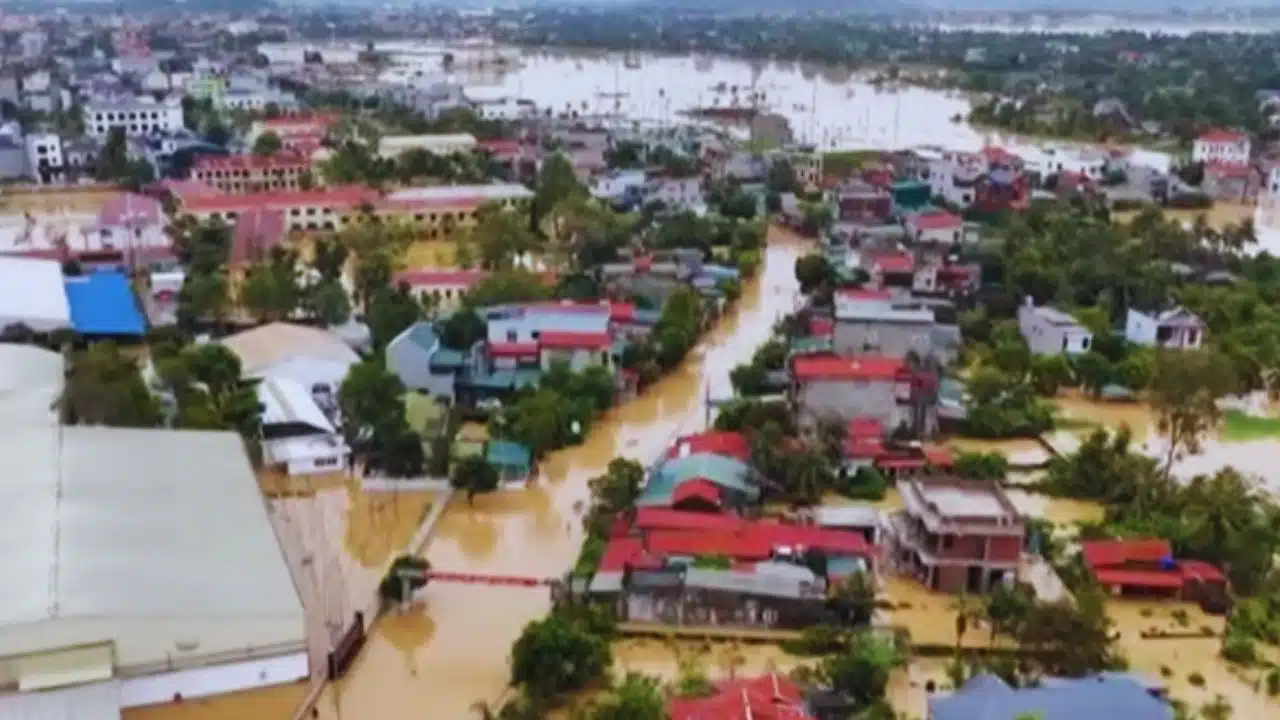
The Vietnamese government has confirmed that the official death toll from Typhoon Bualoi has surged to 51 lives lost, according to an updated report issued on October 3, 2025 by the Central Steering Committee for Natural Disaster Prevention and Control.
The storm, which struck on September 29, battered Vietnam’s northern central provinces with intense winds, torrential rainfall, and massive sea swells. The aftermath has left a grim toll:
- 51 confirmed fatalities
- 14 people still missing, feared drowned or swept away in floods and landslides
- 164 injured survivors, many of whom are being treated in overwhelmed hospitals and clinics across the affected provinces
Rescue teams continue to search riverbanks, collapsed homes, and landslide-hit villages in hopes of finding the missing, though authorities acknowledge that recovery operations are becoming increasingly difficult as days pass.
Economic Losses Soar
The government also sharply revised upward the estimated economic cost of Typhoon Bualoi:
- 15.9 trillion Vietnamese dong (approximately US$603 million / S$777.3 million) in damages
- This is significantly higher than the previous estimate of US$435.8 million released on October 2
The storm’s destruction has not only devastated homes and farmlands but has also caused serious disruptions to transport, power supply, and local economies.
Key Areas of Damage
- Housing: More than 230,000 homes were either destroyed, severely damaged, or inundated. Many families are now living in makeshift shelters, relying on food and medical aid.
- Agriculture: Nearly 89,000 hectares of rice fields and crops were wiped out. In addition, 17,000 hectares of aquaculture farms and more than 50,000 hectares of forests sustained heavy damage, threatening Vietnam’s vital food supply chains.
- Public infrastructure: Schools, medical facilities, and administrative offices in the storm-hit regions were either flooded or structurally damaged.
- Energy & power: Tens of thousands of households lost electricity due to grid failures, with technicians still working to restore supply in some rural areas.
No Major Damage to Industrial Facilities
Vietnam is a major global manufacturing hub, supplying electronics, textiles, and vehicles to international markets. Several large factories lie near the storm’s path, including facilities owned by:
- Foxconn (Apple’s largest supplier)
- Formosa Plastics
- Luxshare Precision Industry
- VinFast, Vietnam’s fast-growing EV manufacturer
Fortunately, the disaster management report confirmed that there was no major damage to industrial properties or export-oriented factories. This has helped prevent wider supply chain disruptions, though transport bottlenecks and power outages temporarily affected production schedules in some regions.
Banking and Financial Support Measures
To cushion the economic blow, the State Bank of Vietnam has directed commercial banks to take immediate measures to support affected businesses.
These include:
- Loan restructuring and extensions for companies in heavily impacted areas
- Temporary suspension of loan repayments for businesses that lost assets or inventory
- Encouraging banks to provide emergency credit for rebuilding infrastructure, homes, and farms
By easing financial pressure on farmers, small businesses, and manufacturers, the government hopes to speed up recovery and prevent long-term economic hardship.
Emergency Relief and Government Action
Vietnamese Prime Minister Pham Minh Chinh has ordered urgent deployment of resources to 15 of the hardest-hit localities. An emergency relief fund of 2.524 trillion dong (about US$96.5 million) has been released from the central budget to aid local governments.
Relief priorities include:
- Rescue operations in remote and mountainous areas cut off by floods
- Repair of roads and bridges to reopen transport links
- Reconstruction of schools and health centers to restore essential services
- Distribution of food, clean water, and medical supplies to displaced residents
- Temporary shelters for tens of thousands of families who lost their homes
The army and police have also been mobilized to assist in rescue and recovery, while volunteer groups and NGOs are working alongside local authorities to deliver aid.
Environmental and Climate Context
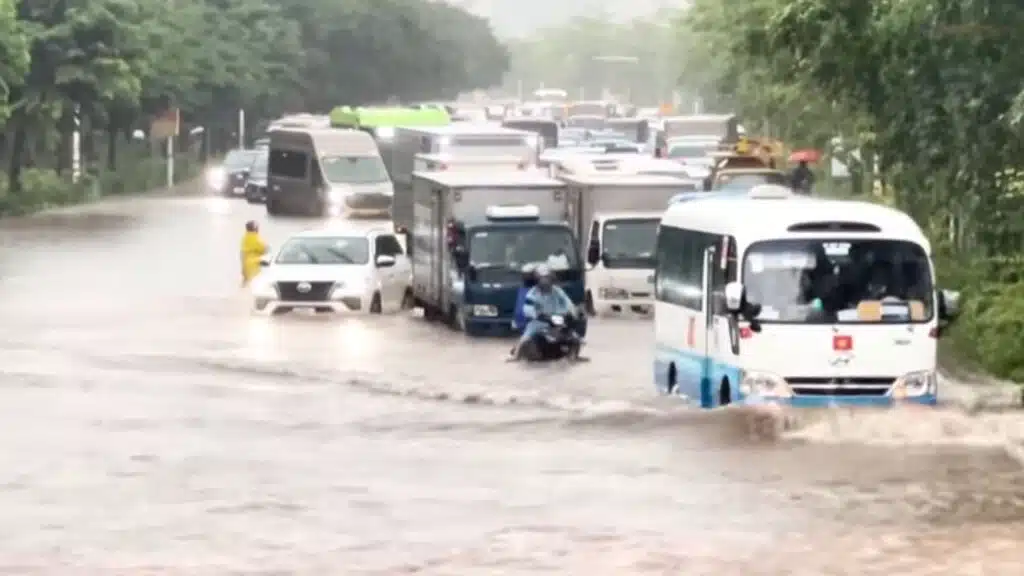
Vietnam is one of the most disaster-prone countries in Asia, regularly hit by typhoons, floods, and landslides during the annual rainy season. Scientists warn that climate change and warmer sea surface temperatures are likely intensifying the strength of tropical storms like Bualoi.
In recent years:
- Typhoon Yagi (2024) caused damages worth US$3.3 billion — one of the costliest storms in recent memory.
- Floods and landslides from tropical storms have repeatedly displaced tens of thousands of people in central Vietnam.
The recurrence of such extreme events underscores the urgency of climate adaptation measures, including stronger flood defenses, better evacuation systems, and disaster-resilient infrastructure.
Outlook and Risks Ahead
Meteorological agencies have warned that secondary flooding and landslides remain high risks, particularly in mountainous and riverine areas where soils remain waterlogged.
Humanitarian organizations are urging donors to step up support as many regions face food shortages, lack of clean water, and disease outbreaks linked to stagnant floodwaters.
For Vietnam’s economy, the challenge will be twofold: restoring livelihoods quickly while protecting its manufacturing backbone from future climate-driven shocks.
The Information is Collected from The Hindu and Yahoo.





















