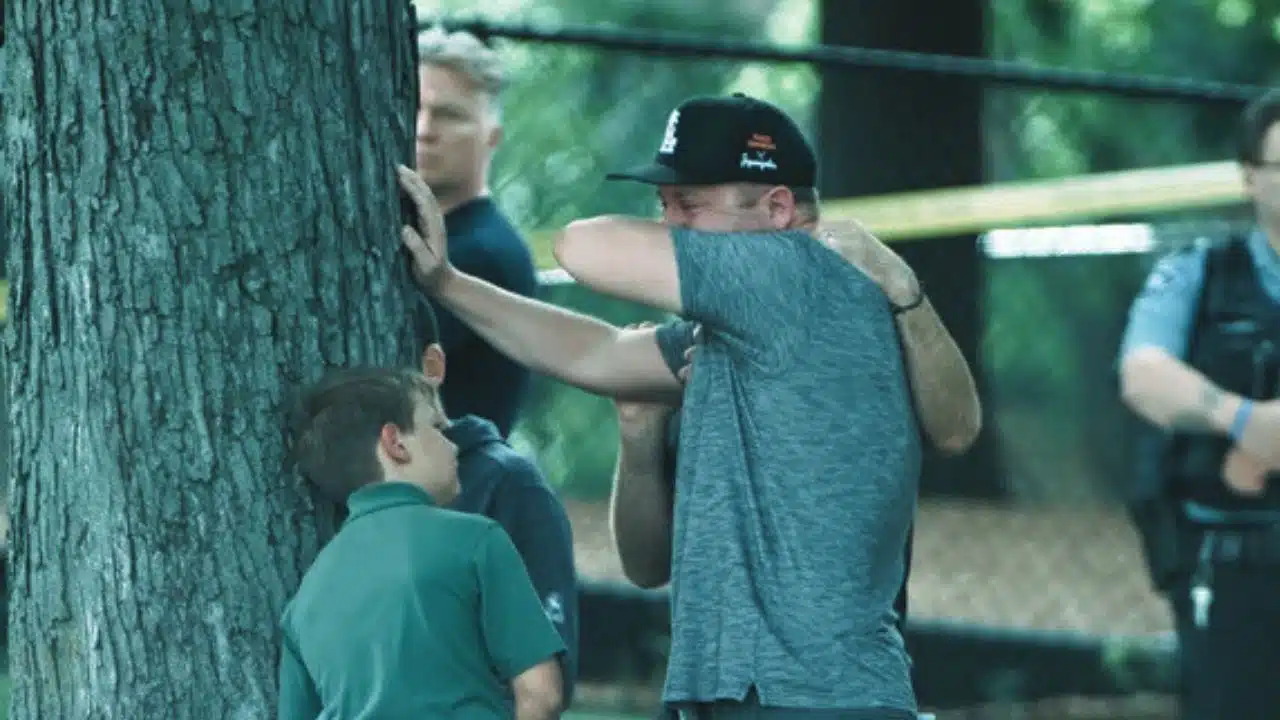
On August 27, 2025, Minneapolis witnessed one of its darkest days when a gunman opened fire on children gathered inside the Annunciation Catholic Church, which also houses an elementary and middle school. The attack occurred during morning prayers, when pupils, teachers, and worshippers were assembled inside.
The shooter, identified as 23-year-old Robin Westman, carried out the attack using three legally purchased firearms: a rifle, a shotgun, and a pistol. Investigators later confirmed that Westman fired more than 100 rounds through the church’s stained-glass windows before entering the grounds. A smoke bomb was also recovered at the site.
The incident resulted in the deaths of two children—eight-year-old Fletcher Merkel and ten-year-old Harper Moyski—and left 18 others injured, many of them young students. Emergency responders rushed to stabilize the wounded, and local hospitals confirmed that, despite severe injuries, all survivors are expected to recover physically. The psychological toll on the community, however, is immeasurable.
The Victims
The tragedy claimed the lives of two children known in their community for their bright personalities and love of family and friends. Fletcher Merkel, age eight, was described as a lively child who enjoyed sports, fishing, and cooking. Ten-year-old Harper Moyski was remembered as a joyful and kind student whose laughter and spirit left a lasting impact on everyone around her.
Families of both children expressed profound grief, saying their lives were forever changed. They emphasized the urgent need to address the cycle of gun violence that continues to claim young lives in schools and places of worship across the United States.
Details About the Attacker
Officials have revealed that Robin Westman, who had legally changed name and gender identity in 2020, previously attended the Annunciation school as a child. Westman’s mother had also worked there. Law enforcement confirmed that all firearms used in the attack were purchased legally and that Westman had no prior criminal record, no known history of mental illness, and was not listed on any government watchlist.
Despite this lack of official red flags, Westman harbored a disturbing obsession with violence. Authorities discovered evidence that the attacker had a fixation with previous mass shootings and was deeply motivated by hatred. Investigators noted that Westman displayed hostility toward multiple communities, including religious groups, Jewish people, and even political figures.
Motive and Writings Discovered
The FBI described the event as an act of domestic terrorism motivated by hate. Notes and writings recovered from the scene revealed violent rhetoric against Catholicism, antisemitic messages, and political hostility directed at former President Donald Trump. Firearms and magazines were marked with extremist language, including anti-religious and anti-Israel slogans.
Investigators also uncovered journals and online drafts indicating an obsession with killing children. Federal officials said the writings echoed the patterns seen in previous mass shooters, reflecting a desire for notoriety and infamy. Authorities confirmed that some of the materials were scheduled for online publication before the attack, raising concerns about copycat threats.
How the Attack Unfolded
According to police reports, Westman approached the church from a side entrance and opened fire through the windows while children and teachers were praying inside. Witnesses recalled seeing children bleeding as they scrambled to escape the pews and reach safety. Many ran into nearby streets begging strangers for help.
Community members who lived nearby rushed to assist. Neighbors described the chaotic scene of terrified children fleeing, some with visible injuries. Emergency responders arrived quickly, and police secured the site by locking down the church building. Authorities later confirmed that the locked doors of the church had prevented the gunman from entering fully, a precaution that likely saved many additional lives.
Westman ultimately died of a self-inflicted gunshot wound in the church parking lot before law enforcement could apprehend them.
Local and Federal Response
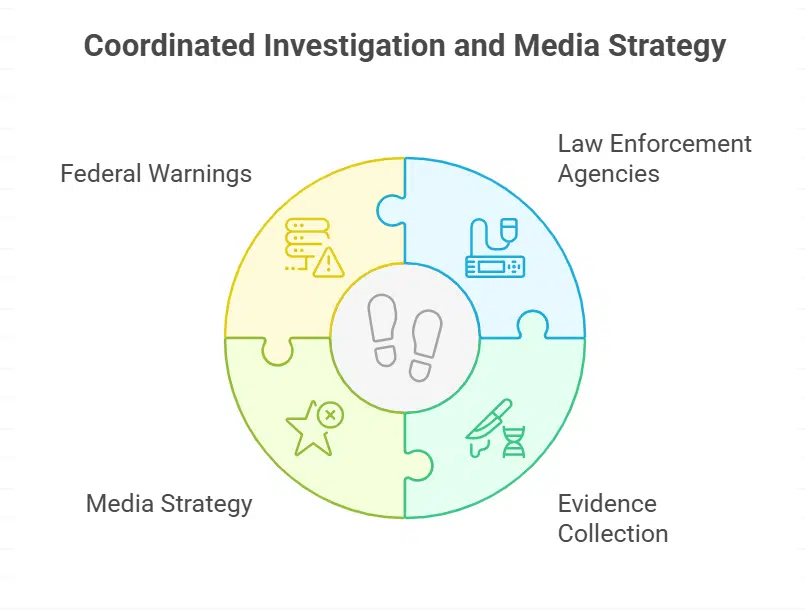
Law enforcement agencies, including the Minneapolis Police Department, the FBI, and the U.S. Attorney’s Office, coordinated their investigations. Officials confirmed searches at three residences connected to the suspect and collected extensive evidence, including firearms, personal writings, and electronic records.
Authorities urged news organizations not to focus on the perpetrator’s name to avoid giving notoriety, stressing that the motive was rooted in a desire for attention and infamy. This aligns with warnings from federal agencies in recent years that mass shootings can inspire copycat attackers if excessive attention is given to the perpetrators.
Community Impact and Harrowing Testimonies
Survivors and families described the event as a nightmare. Some parents recalled the panic of learning their children were inside the building when the shooting began. Children who fled the church have been left traumatized, with some too afraid to return to school or church.
One parent, originally from France, pointed out that children in the U.S. are regularly trained on how to respond to mass shootings, which has become a normalized part of their education. He described the horror of living in a country where sending children to school comes with daily uncertainty about their safety.
The attack has reignited widespread fear and trauma in Minneapolis, a city that has already experienced high-profile national tragedies in recent years. Counseling and support services have been deployed for families, staff, and students.
Political and Legislative Reactions
In the aftermath, city leaders and state lawmakers renewed urgent calls for stricter gun control. Minneapolis Mayor Jacob Frey emphasized that the attacker’s ability to fire more than 30 rounds without reloading demonstrates the dangers of high-capacity weapons. He and other officials called for a ban on assault-style rifles and large-capacity magazines.
The tragedy has further fueled the national debate about gun laws in the United States, especially regarding school safety, mental health support, and access to high-powered firearms. Critics of current policies argue that legislation must evolve to prevent further mass killings.
The Minneapolis church school shooting stands as a chilling reminder of the ongoing crisis of gun violence in the United States. While the community grieves the loss of two young children and supports the recovery of the injured, the attack also sparks renewed urgency for policy changes to prevent such tragedies.
Authorities continue to investigate the case, but early findings confirm that this act was driven by hatred, obsession, and a desire for notoriety. For Minneapolis—and for families across the U.S.—the attack underscores the growing fear that schools and places of worship, traditionally seen as sanctuaries, are increasingly vulnerable.