You feel lost when people talk about FOMO or HODL in crypto chats. FUD, FOMO, and HODL rank among the ten most common slang terms on cryptocurrency exchanges built on blockchain technology.
We explain terms like HODL, DYOR, rug pull and diamond hands so you can dodge scams on DeFi apps. Your wallet will thank you.
Key Takeaways
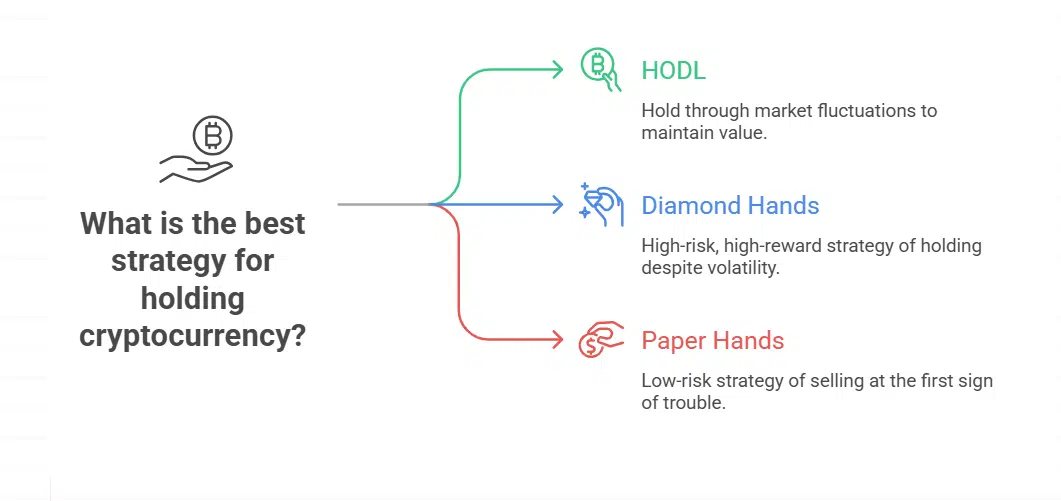
- HODL began as a 2013 typo for “Hold On for Dear Life.” It urges holders to keep crypto through dips and peaks. It contrasts with diamond hands (long-term hold) and paper hands (sell on first drop).
- FOMO (Fear of Missing Out) drives quick buys, fuels pump-and-dump cycles and gas wars on DeFi apps. FUD (Fear, Uncertainty, Doubt) sparks panic selling and can shave billions off a token’s market cap.
- DYOR (“Do Your Own Research”) means reading whitepapers, checking Certik or Hacken audit reports, and reviewing code on GitHub. This step helps avoid rug pulls, where devs lock liquidity then vanish with funds.
- Whales hold enough crypto to move markets. Bulls cheered Bitcoin’s all-time high near $69,000 in November 2021. Bears spread FUD when BTC dipped below $30,000 in June 2022. NGMI (“Not Gonna Make It”) and WAGMI (“We’re All Gonna Make It”) capture trader sentiment.
- One Bitcoin splits into 100,000,000 sats (satoshis) for small payments. Meme cheers like “to the moon” or “when Lambo” unite fans and fuel crypto chat hype.
What Does HODL Mean in Crypto?
The term HODL stands for Hold On for Dear Life. A Bitcointalk post in 2013 sparked the typo that turned into a meme. A hodler holds digital currency through dips and peaks. This slang made its way into crypto wallets chats and distributed ledger groups.
HODL signals users to keep cryptocurrency tokens in a wallet without selling. It differs from diamond hands and paper hands, which mark high and low risk views. Traders list HODL among 28 crypto slang terms and 26 must-know terms.
Newcomers in decentralized finance, wallet addresses, and smart contracts learn this concept fast.
What Is FOMO and How Does It Affect Crypto Traders?
Fear of Missing Out pushes traders into quick buys. It stands for FOMO, a key emotional driver. It makes some ape into altcoins, NFTs, or even FOMO Coin without DYOR. That impulse fuels pump and dump cycles and sparks sudden price surges on ledger networks.
Traders risk getting rekt or worse, paper hands. FOMO stands distinct from hopium and copium, which surface after losses.
Social media hype from crypto influencers spikes FOMO. Tweets can send bids flying on a decentralized exchange or spark a gas fee war on a smart contract. Folks chase gains, they skip research, they shout “to the moon.” Crowd moves in waves, then sells off, and market cap tanks.
Emotions beat logic when traders act on sheer fear. That rush shapes irrational market behavior in both bull markets and bear markets.
What Is FUD and How Can It Impact the Market?
FUD stands for fear, uncertainty, and doubt in crypto slang. Spreading FUD, or fudding, aims to manipulate market sentiment. Scary claims can trigger panic selling and sharp price drops.
Some crypto influencers push false rumors to crash token value.
Panic selling can shave billions off a token’s market cap in minutes. Rumors of bugs in a smart contract or a decentralized application can spark FUD. Wise traders pause and DYOR before they react.
They skip wild chatter and check blockchains or wallet data first.
Who Is a Whale in Cryptocurrency?
A whale holds enough crypto to sway markets, and traders track giant wallets on blockchain scanners. Active moves by these giants can lift a coin to the moon or send it crashing in thin markets.
Traders label bearish giants “bear whales” when they sell heavy, sparking FOMO or panic. This slang ranks among 28 popular crypto lingo terms and 26 basic crypto concepts. Smart traders DYOR on trading platforms or digital vaults to spot whale signals and guard against pump-and-dump.
Why Is DYOR Important for Crypto Investors?
Investors use DYOR to check project claims. It pushes them beyond flashy posts. They read whitepapers and audit reports. Each reader tests code in smart contracts. Tests reveal hidden gas fees or odd proof of stake rules.
This step stops shills and crypto influencers from steering them wrong.
Checks cut chance of rug pull or pump and dump. Fans avoid FOMO and FUD buys. Investors vet ICOs and defi apps first. Many store coins in cold vaults or software wallets. This work makes choices real, not hype.
What Does “To the Moon” Mean in Crypto?
Holders cry “to the moon” when a crypto asset surges fast. It signals a major anticipated price jump, or strong price surge. Traders shout it during bull markets to show optimism.
Crypto slang fans call rapid growth mooning. Enthusiastic holders earn the nickname moonbois. Chat threads on decentralized finance (defi) platforms brim with posts about gas fees, smart contracts, and price surges.
What Is a Rug Pull and How to Avoid It?
A rug pull is a scam where devs abandon a project and steal investors’ funds. These ploys pop up in tokens with no audits or public code.
- Inspect the project’s code on GitHub or GitLab. Lack of open-source code often signals a rug pull.
- Review audit reports from Certik or Hacken. Audits catch scams before investors lose money.
- Verify liquidity locks on Uniswap or PancakeSwap. Locked liquidity stops devs from draining funds.
- Investigate the team behind the token. Anonymous founders usually flag degen schemes.
- Study the ICO or token sale disclaimers. Unrealistic promises of 1,000 percent APY hint at pump and dump.
- Trace token transactions on Etherscan or BscScan. Sudden empty wallets show total loss of funds.
- Spot too-good-to-be-true features in marketing. Claims of instant millionaires often end in total loss.
- Apply DYOR to every step you take. Research, ask questions, and only invest what you can lose.
What Does It Mean to Shill a Cryptocurrency?
Crypto influencers often hype tokens on social media platforms, chasing quick gains. Shilling is a crypto slang term for hype campaigns, where promoters tout risk-free gains. Some tout an initial coin offering as a path to riches.
Many drive pump and dump schemes to spike value. Prices pop, fans buy in, then the price dives. Investors get left holding the bag.
Social media can feel like a fun party. Chat threads fill with hype, memes and cheers. A user might post about a cheap token with glittering charts. Other voices shout, “Get in now!” without proof.
That is shilling. Wise traders DYOR, check official sites, and vet code on code repositories or block explorers. No one wants a scam. Staying safe means spotting this slang term before you lose coins.
What Are Diamond Hands in Crypto Trading?
A trader with diamond hands holds bitcoin or altcoins through swoons. They ignore price swings and FUD. They keep tokens in a secure wallet and resist calls to sell. This slang flips paper hands, who dump at the first sign of pain.
Crypto fans praise diamond hands in bear markets or big corrections. It ranks among the 28 top crypto slang terms.
Many fans hail it as a badge of honor that shows real conviction. That badge can drive ATH gains or leave holders rekt in long dips. Groups spam GM and WAGMI to stay safu through choppy trades.
What Do NGMI and WAGMI Mean in Crypto Communities?
Investors shout NGMI to call out bad trades. It stands for Not Gonna Make It, signaling doubt in an investment strategy. You see it flood social media feeds during price dumps, or in forums about crypto wallets and smart contracts.
WAGMI flips the mood, standing for We’re All Gonna Make It. This rallying cry lights up chat apps and defi forums during bull runs. It sparks unity.
What Are Sats and Why Are They Important?
Sats stand for Satoshis, the smallest piece of Bitcoin. Satoshi Nakamoto broke one coin into 100,000,000 units in 2009. This split gives Bitcoin real world use, for a coffee, or a bus fare.
Traders track sats in crypto wallets, or on node software.
People send sats to bitcoin addresses with a hardware wallet, or a mobile app. They check balances on a blockchain explorer, or a chain scanner. Sats help manage gas fees, trading strategies, defi swaps, or NFT drops.
As Bitcoin climbs in price, sats keep crypto within reach.
Understanding Bearish vs. Bullish Market Sentiments

Bulls expect price rises, while bears expect declines in the crypto market. Traders track bullish sentiment with market cap charts and technical analysis. They check order books on centralized exchanges and DeFi platforms that run smart contracts.
Bitcoin hit an all-time high near $69,000 in November 2021, and bulls cheered, to the moon chants filled crypto forums. After price dipped below $30,000 by June 2022, bears spread FUD, warning of a bubble.
These terms are part of the 11 key crypto slang every beginner must learn.
Market sentiment often alternates between bullish and bearish phases, influencing investor decisions. It drives market trends and price movements across tokens like Ethereum, Cardano, and Bitcoin Cash.
Crypto influencers and degen traders use FOMO, FUD, and rekt stories to sway crowds. Technical analysts blend on-chain data and derivatives trading metrics to gauge momentum. Smart investors pair DYOR with sentiment analysis tools to dodge paper hands and ride diamond hands.
This bear and bull market cycle fuels trading strategies, from spot buys to futures bets and yield farming.
What Does “When Lambo” Symbolize in Crypto Culture?
Crypto fans type “When Lambo” in internet forums, after price jumps. Meme culture drives this trend, with posts about to the moon and degen bets on tokena. This slang mocks a get rich too soon mindset, and flips fomo on its head.
Traders tag each other with gm or wagmi, then shout “When Lambo” after an ath or pump and dump cycle. Smart traders study self-executing code and track gas fees in walleta to dodge rug pull traps.
Builders launch quick loans on permissionless, decentralized autonomous organization platforms to chase yield. Crypto influencers hype these jokes at Bored Ape Yacht Club meetups.
What Does ATH Mean and Why Does It Matter?
ATH stands for all-time high in crypto markets. It marks the moment a token tops its previous peak price. Traders watch this signal on tracker sites and charting apps. A fresh ATH can spark fomo, send hodlers into euphoria, and push market cap higher.
It shows strong momentum.
Blockchain explorers and analytics APIs store historical price data. Users scan these tools to confirm peaks. Active investors align their trading strategies with ATH markers. They plan buy the dip orders or spot pump and dump risks.
This info helps protect degen players and paper hands alike.
Takeaways
Mastering crypto slang feels like you join a secret club. This knowledge boosts your talk in blockchain chats and defi forums. You can mention bulls, whales, or sats without second guesses.
Store your funds in secure cryptocurrency wallets, and always DYOR when you try new smart contracts. Let terms like HODL or FOMO mark your steps in this wild market.
FAQs on Crypto Slang Terms Decoded for Beginners
1. What is HODL and why do traders hold on for dear life?
HODL means hold on for dear life. It tells you to stay calm when the market dips. It is a key term in cryptocurrency’s trading.
2. What are FOMO and FUD, and how do they shape trading habits?
FOMO, or fear of missing out, can push you to buy at a peak. FUD, or fear, uncertainty, doubt, can push you to sell at a low. Both can harm your market cap.
3. What is a pump and dump, and how does a rug pull work?
A pump and dump pushes a coin to an all-time high with hype, then insiders sell. A rug pull rips out liquidity fast, leaving investors rekt, or wrecked.
4. What is DeFi and how do decentralized applications run?
DeFi, or decentralized finance, uses smart contracts to power decentralized applications, like lending sites. It runs on a proof-of-stake chain or a proof-of-work system. You can stake coins, swap tokens, or try a flash loan with stablecoins.
5. What are NFTs and where does Bored Ape Yacht Club fit in?
NFT stands for non-fungible token. It lets you own a one-of-a-kind digital item. The Bored Ape Yacht Club sells NFT avatars that grant perks and access.
6. How can I stay safe in ICOs, and what role does SAFU play?
DYOR, or do your own research, before any initial coin offering, ICO, or security token offering. Check KYC rules and store funds in a secure asset fund for users, SAFU, on big exchanges.