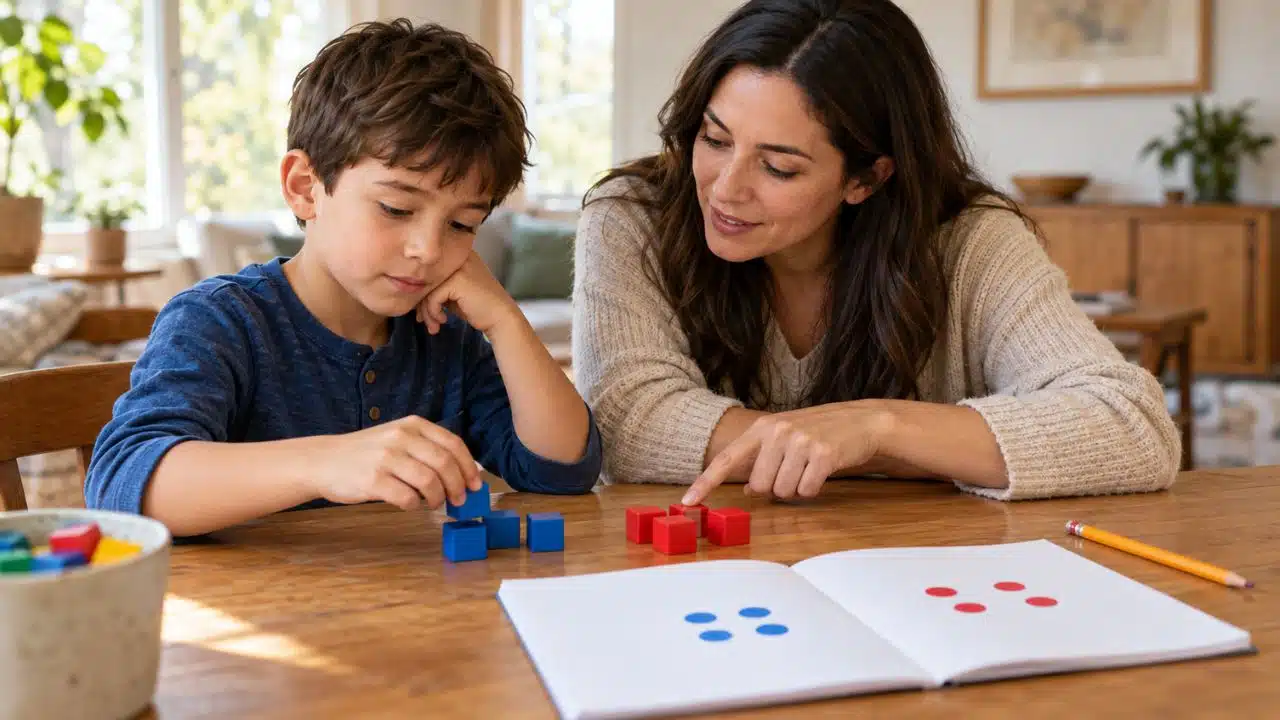
Census data shows there were 10.9 million one-parent families in 2022. Child custody arrangements, stemming from separation or divorce, mark a significant life change for children. This transitional period can evoke a wide array of emotions, including confusion, sadness, anger, and anxiety. As parents, the primary objective is to guide your children through this shift with empathy, patience, and an unwavering focus on their well-being, yet 10% of custody cases end up in court.
Here are eight strategies to help your children adjust to a new child custody reality.
1. Maintain Open and Honest Communication
11% of cases result in an equally shared physical custody agreement, but, as Robert Thomas Knight, an experienced lawyer in child custody, states, open communication is vital when assisting children in navigating custody arrangements. Encourage your child to share their thoughts and feelings without judgment, creating a safe environment for them to articulate their emotions. Explain the new custody plan in an age-appropriate, straightforward, and honest way, reassuring them that both parents love them and will remain active in their lives.
2. Establish Consistency and Routine
Children thrive on predictability and routine, as it offers a sense of security, particularly during periods of significant upheaval. Endeavor to maintain consistency in daily schedules, such as mealtimes, bedtimes, and school routines, across both homes.
3. Prioritize Your Child’s Emotional Well-being
20% of children aged 3-17 have a mental health condition, and 10.5% have experienced a stressful event such as divorce. Acknowledge that it is normal for your child to experience a spectrum of emotions, such as sadness, anger, or confusion. Be patient and understanding, providing ample love and support. Let them know their feelings are valid and that adjustment takes time.
4. Create a Positive Co-Parenting Relationship
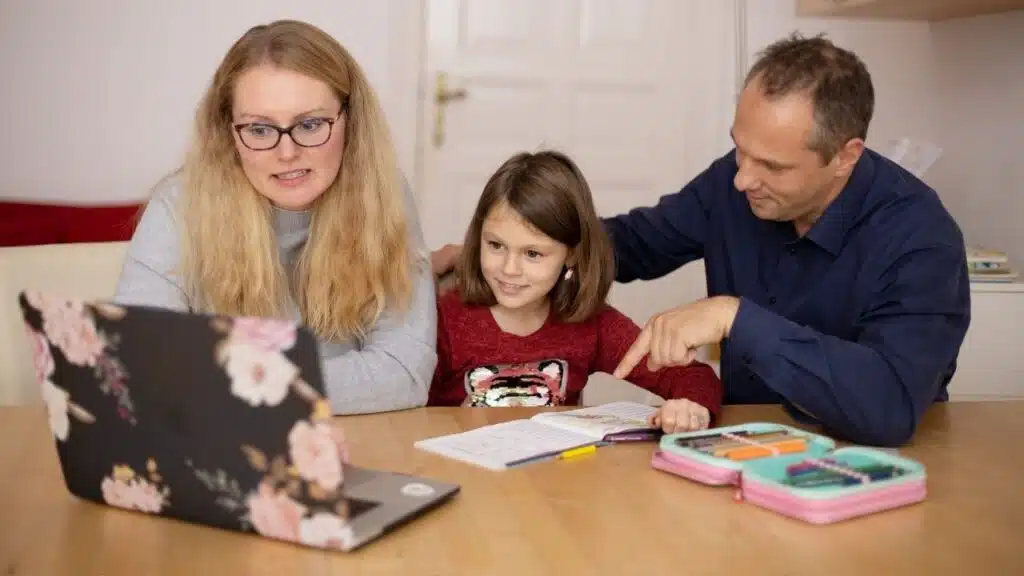
The nature of the relationship between co-parents profoundly impacts a child’s adjustment. Strive for peaceful, consistent, and purposeful communication with your ex-partner, always centering on your child’s needs. Set aside personal grievances and commit to working together cooperatively. Never speak negatively about the other parent in front of your child or use them to convey messages.
5. Make Transitions Smoother
Transitions between homes can be a source of stress for children. Help children anticipate these changes by reminding them a day or two before they are scheduled to go to the other parent’s house. Pack in advance, and encourage them to bring familiar items, like a special toy or photograph, to enhance their comfort.
6. Create a Welcoming Space in Both Homes
Ensure your child has a designated personal space in both homes where they feel comfortable and can keep their belongings.
7. Encourage Healthy Coping Mechanisms and Positive Experiences
Assist your child in developing healthy ways to manage their emotions. This could involve engaging in hobbies, participating in extracurricular activities, spending time with friends, or pursuing creative outlets like drawing or writing.
8. Be Patient and Allow Time for Adjustment
Adjusting to a new custody arrangement is a gradual process, not an instantaneous event, and it may take months for children to fully adapt. Do not expect them to be perfectly fine immediately.
Ultimately, helping children adjust to child custody revolves around providing a stable, loving, and supportive environment in both homes.