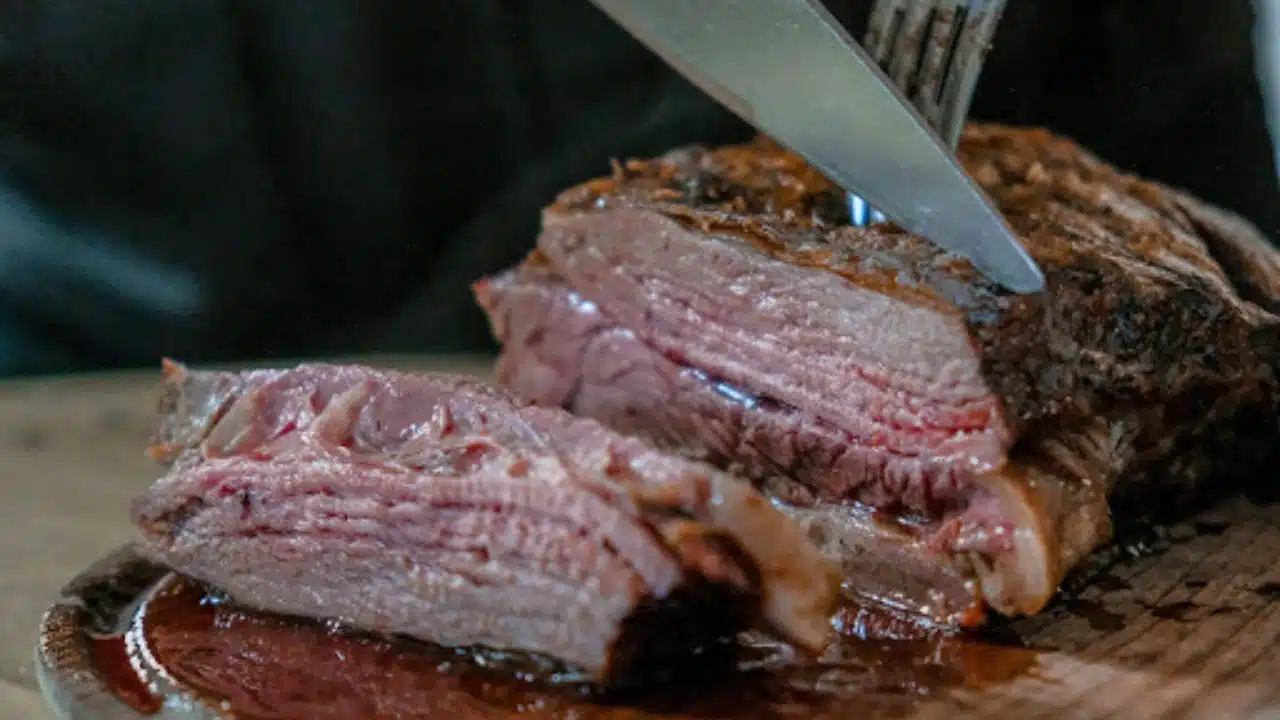
For years, the British Isles have been enamoured with the Sunday Roast – a hearty midday meal usually consisting of roast beef, lamb, or pork and all the requisite roast veggies. Some seasoned Sunday roasters with a bit of a fancier palette might try roasting guinea fowl meat on their Sundays.
It’s funny that although Australia was colonised by Brits, most modern families don’t usually practise the Sunday Roast all that much anymore, with it something usually only perpetuated in households with more senior residents.
So where did this tradition come from? How did it start? And why is it in decline in modernity?
The Origins of the Sunday Roast
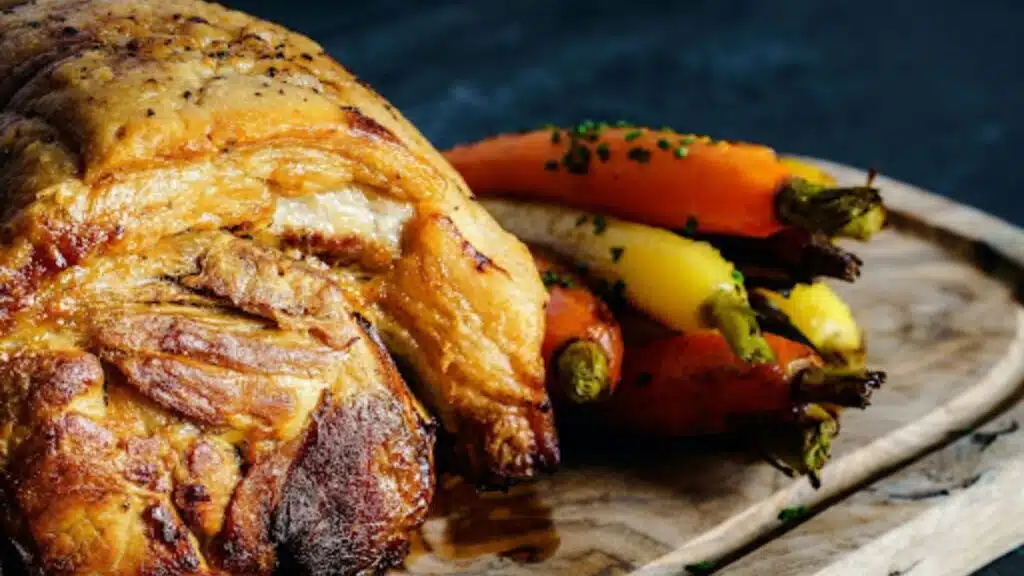
A common belief is that the Sunday Roast has its origins in Tudor England during the 15th-16th century. Apparently, the king’s personal guards were allowed to eat as much meat as they liked when dining alongside the king. This custom led to this particular regiment of the royal guard being known as “beefeaters,” which is still an honoured institution in modern-day Britain.
However, this doesn’t account for the long-standing “Sunday Roast” tradition.
Some sources claim that the Sunday Roast became a common fixture for English families during the Middle Ages. During this period of widespread religious devotion, going to Church in the morning was the norm for most families. However, that left little time for meal preparation during the day. Since roast cuts of meat were readily available, and have a long cooking time.
Therefore, the common routine became to prepare a roast and start it cooking in the oven. By the time the family had performed their spiritual duties, they would be treated to a filling, delicious meal. Not only this, but since the roast minimised foot waste (leftover meat could be kept for a few days after for additional meals, juices and grease could be made into a gravy, vegetables would likewise keep for a while afterwards to facilitate future meals) it made it optimal for poorer families who needed to make the most out of every meal they had.
Interestingly, during a time when poorer families didn’t have access to their own ovens, a common practice was to prepare the roasts, and then drop them off with the local bakers during opening time to be roasted in their ovens. The families would then pick up their meals from the bakery on the way home from church.
Time Moves On
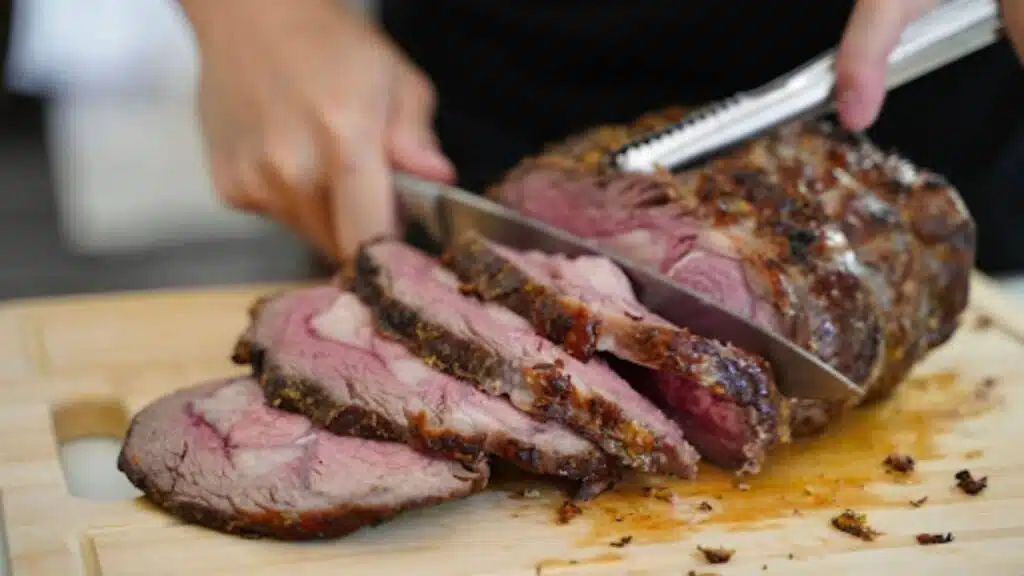
The tradition became such a well-placed and convenient practice that it carried on into the Industrial Revolution. With the industrialisation of society, household ovens became much more common. Families would put their roasts in the oven, go to Church in the morning, then come home to a delicious meal.
With this area of pre-modernity occurring so closely to our own, the custom just sort of carried over. It was a convenient meal that was tasty, easily accessible, easy to cook, and was a good way to get the whole family around the table after church.
When Britain colonised Australia, they brought the tradition of the Sunday Roast with them, and it continued for a long time until recently, where modern culture, food options, increased secularism, and food delivery options have all but eradicated the need for a meal to be slow-cooked over a period of hours ready for the afternoon.
How to Cook a Sunday Roast
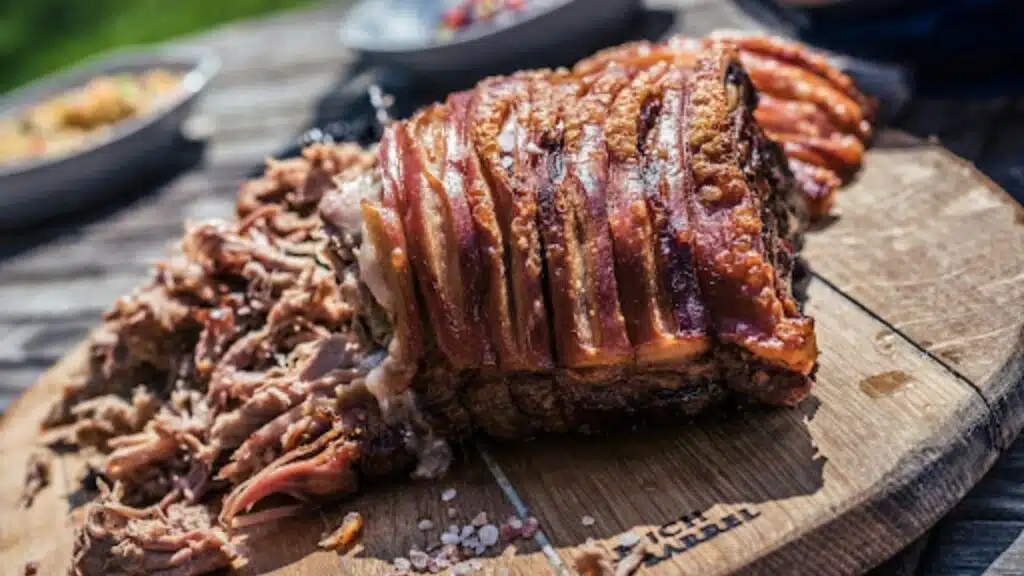
Roasts are incredibly simple meals to cook. They are the epitome of the “set and forget” and “one pot” cooking methods.
Cooking times will depend on what kind and how much meat you are cooking, but key pieces of beef to look for are Sirloin, Ribeye, and Tenderloin. Lamb legs are beautiful roasting meats. Pork shoulder is the most popular choice for pork roasts, owing to the crackling that forms from the fat on the meat.
For beef and lamb, to roast the meat simply put it into an oven tray, then coat it with olive oil, salt, and pepper. If roasting lamb, it can be a good idea to stab a few areas of the meat and place cloves of garlic in the gaps. Some people also enjoy adding rosemary, thyme, and other herbs to their roasts. Once the meat is prepped, cut up your chosen vegetables (common options are potatoes, carrots, onions, and parsnips), then place them around the meat in the same oven tray. Oil and season the vegetables as well as the meat.
Once the meat and veg are prepped and in the tray, cover the entire thing with foil, then put it into an oven set at the right temperature for your protein, and leave it there. Check the roast every hour, increasing checks to half hour as the meat cooks. When the meat expresses clear juice rather than pink juice when stabbed, that is when you remove the foil and allow the meat and veg to finish off with a nice coloured surface.
When the roast is done, remove from the oven and allow the meat to rest on a plate or serving platter for 10-15 minutes covered with foil before cutting and serving.
Roast pork is best left without herbs; however, cooking a roast pork shoulder involves a slightly different process in order to get perfect crackling.